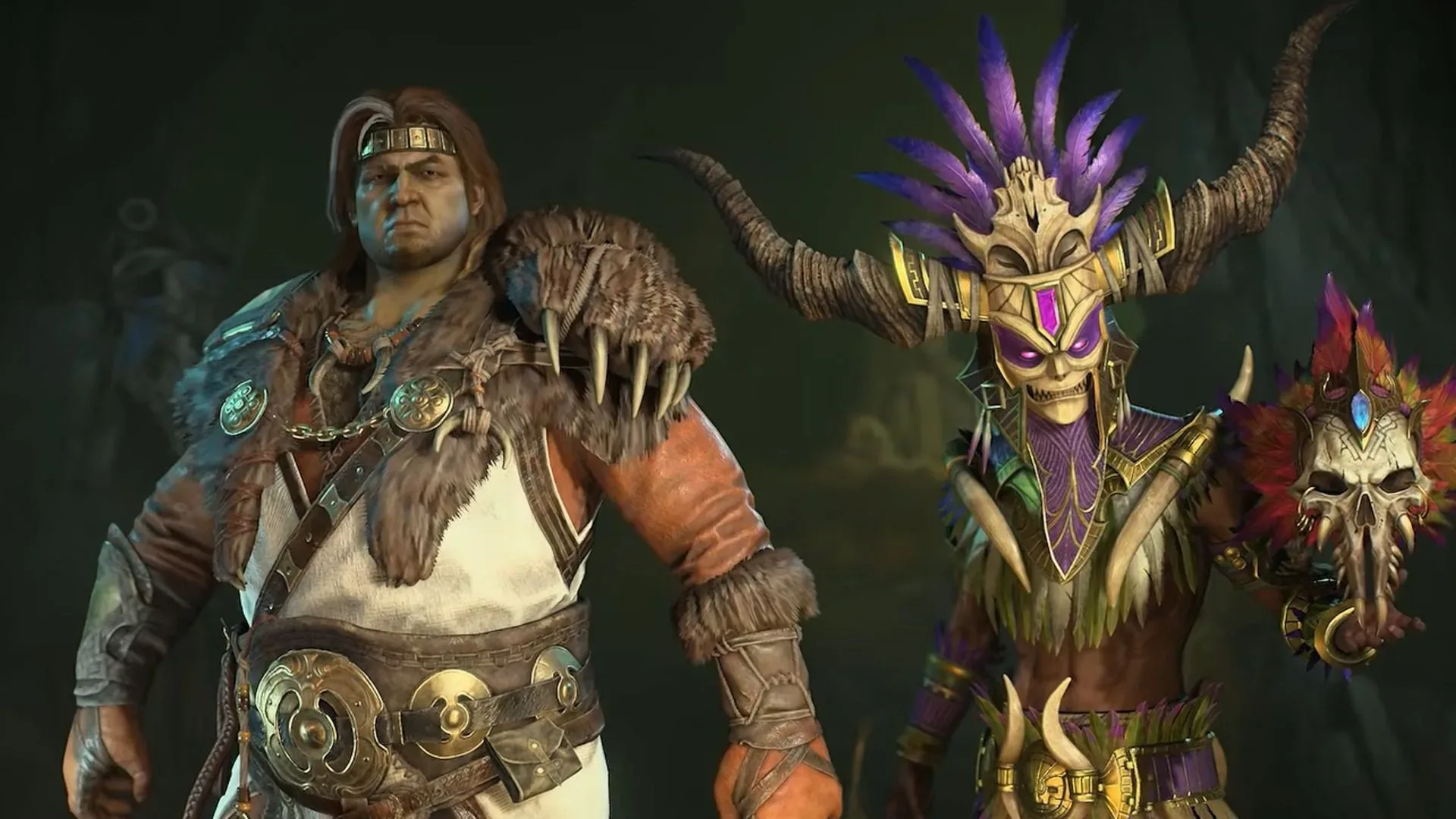
Diablo 5 is taking Sanctuary on the road. Rather than centering its adventure around familiar towns and permanent safe zones, the newly announced action RPG is planned around a caravan that travels with the player. It is a major structural shift for a series whose bleak settlements have traditionally offered a pause between dungeon runs, vendors, upgrades, quests, and the next horrible thing trying to turn the hero into soup.
The caravan is not simply a portable shopping stop, at least based on the details currently available. It is also intended to be a social space populated by followers: characters with personalities whom players can interact with while moving through Diablo 5’s hostile world. That setup is being shaped in part by narrative director Jennifer Hepler, whose previous work includes key writing roles on Dragon Age: Origins, Dragon Age 2, and Dragon Age: Inquisition.
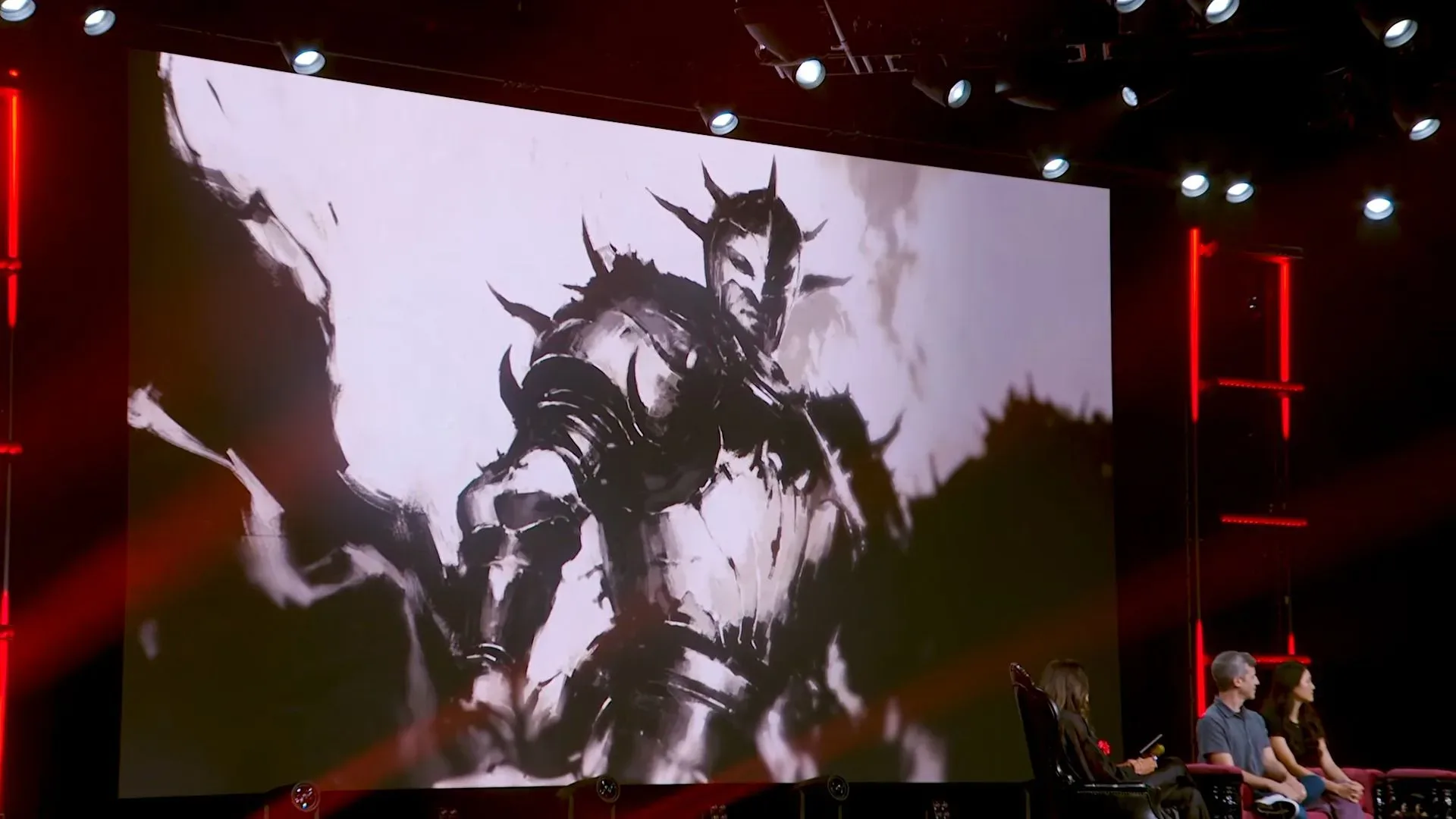
Speaking during a BlizzCon 2026 panel alongside game director Joe Shely and executive producer Matt Zitterman, Hepler described the system as a way to import some traditional role-playing-game strengths into Diablo’s faster, loot-driven format. The key comparison was not combat pacing or party micromanagement. It was the campfire-style opportunity to spend time with companions and learn who they are.
“The caravan brings some of the best elements of traditional RPGs into Diablo’s ARPG format by giving you that sort of Baldur’s Gate or Dragon Age campsite where you can interact with your followers,” Hepler said.
That distinction matters. Diablo has long been associated with momentum: cutting through monsters, finding better gear, deciding whether an item is an upgrade, then immediately finding three more items that make the decision worse. A caravan creates room for a different kind of rhythm. It potentially makes the periods between slaughter feel less like a hard stop in civilization and more like an ongoing expedition with a group of recognizable people.
No towns does not mean no shelter
Permanent towns and safe hubs have been part of Diablo’s language for decades. They provide practical functions, certainly, but they also establish contrast. Outside their boundaries, Sanctuary is cruel, dangerous, and usually on fire. Inside, players can regroup, trade, listen to quest givers explain why the fate of the world has once again become their administrative problem, and prepare to leave.
Diablo 5’s caravan appears set to preserve some of that comfort in a less stationary form. The available description characterizes it as a moving buffer against the creatures spread across Sanctuary. That does not establish every mechanical detail of how safety, travel, services, or quests will work. But it clearly signals that the developers are reconsidering the role of a hub rather than removing the need for respite entirely.
A mobile home base also fits a world where danger is not neatly contained beyond city gates. If Diablo 5 follows through on its townless premise, the caravan could make the player’s progress feel like a genuine passage through unsettled territory. The heroes are not merely returning to the same protected square after every excursion; they are bringing their small measure of shelter with them.
Related coverage includes Diablo 5's Caravan System Brings Companion-Focused RPG Ideas to Sanctuary.
There is a built-in tonal opportunity there, too. Diablo’s atmosphere thrives on the tension between vulnerable humanity and overwhelming evil. A caravan full of allies, conversations, and modest comforts can make the surrounding desolation hit harder. A warm campfire is more meaningful when the darkness beyond it is trying its best to eat the campfire.
Followers are people, not a second equipment screen
Hepler was also clear about an important limitation. Diablo 5’s followers are not being positioned as direct equivalents to the companions of a Dragon Age game. Players should not expect the stated model to involve levelling their skills or dressing them in a parade of customizable outfits. In other words, this does not sound like Diablo is suddenly asking players to spend an evening comparing companion boots for marginal resistance bonuses.
Instead, the emphasis is on personality and interaction. That wording leaves plenty unanswered, including the scope of companion stories, the frequency of caravan scenes, whether player decisions affect relationships, and how much the followers participate in moment-to-moment gameplay. None of those specifics have been confirmed here. Still, the choice to prioritize personalities indicates that the caravan is meant to be more than an interface wrapped in wheels.
That could be a particularly useful fit for an action RPG. Games in the genre often deliver enormous amounts of environmental storytelling and lore while giving the player little time to sit with characters between fights. A recurring caravan gives the narrative team a consistent place to place those conversations. It could let Diablo 5 develop relationships in increments, alongside progression, instead of putting every major character beat into a cutscene before throwing the player back into a crypt full of professional screaming.
Jennifer Hepler’s traditional RPG background
Hepler’s BioWare experience gives the direction an understandable context. Her eight years writing at the studio included work across three major Dragon Age entries, games closely identified with party dynamics, companion personalities, and conversations that make a campsite or base feel like a destination in its own right.
Diablo and traditional party-based RPGs have different priorities. One often asks players to optimize builds around immediate combat flow and a steady search for loot. The other can devote long stretches to choices, dialogue, party composition, and the evolving ties among allies. Hepler’s description does not suggest Diablo 5 is abandoning the former for the latter. It suggests the team is looking for a measured crossover: an ARPG that maintains its identity while making its traveling support cast feel more present.
That is a promising goal precisely because it is restrained. Diablo does not need to become a full companion-management game to benefit from companions who have something to say and a reason to be remembered. The caravan may supply a narrative anchor that helps connect the individual acts of monster hunting into a longer journey through Sanctuary.
For players already following the franchise’s current era, the evolving direction may be worth watching alongside the Diablo 4 Geralt Barbarian skin tied to a Battle.net Witcher 3 expansion purchase. Diablo 5, however, is being framed as a substantially different proposition at a foundational level, not merely another destination with a fresh batch of cosmetics and demons.
Three classes are confirmed so far
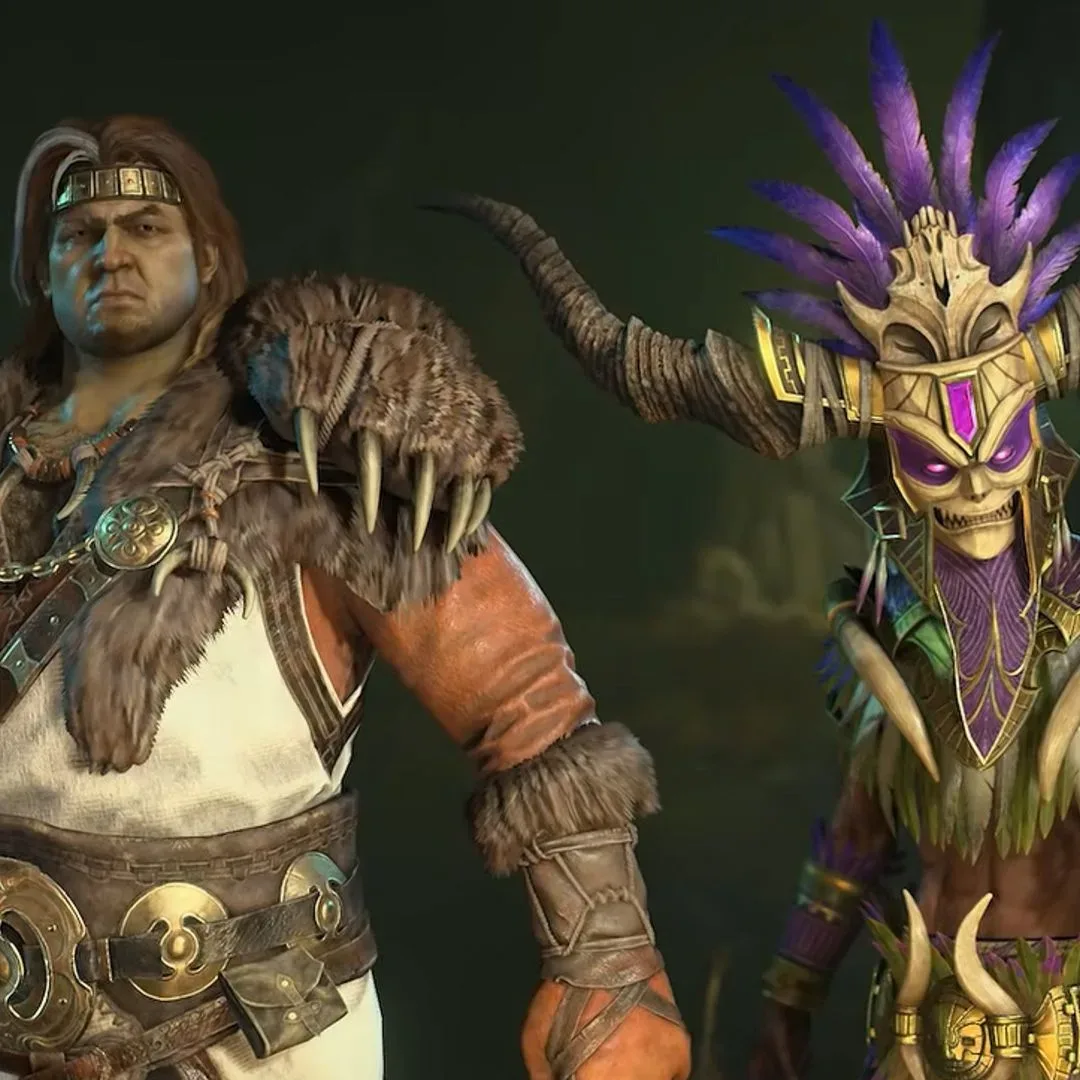
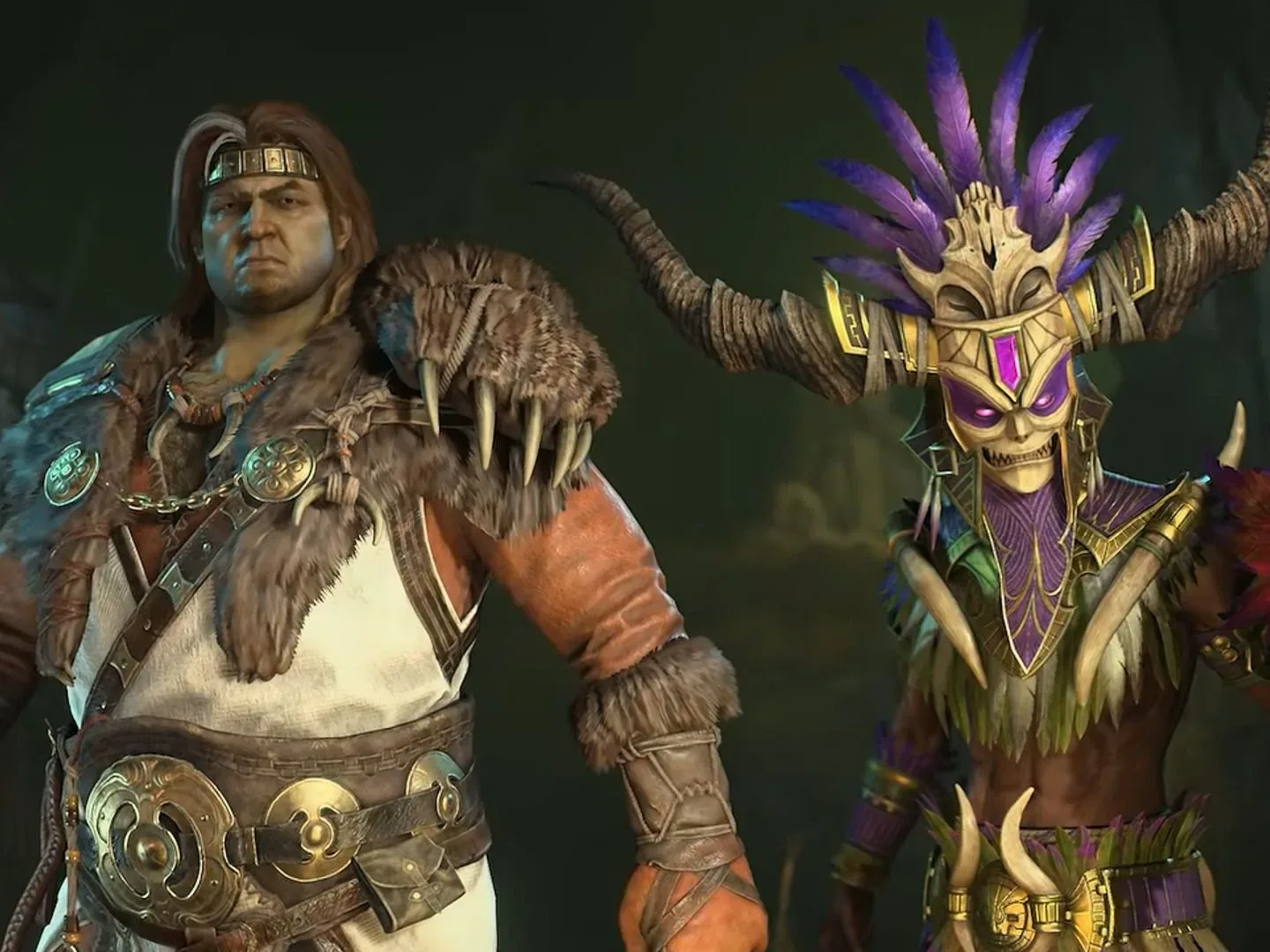
Diablo 5’s initial confirmed classes are the Demon Hunter, Monk, and the new Plague Knight. The Demon Hunter and Monk return familiar archetypes to the roster, while the Plague Knight is the newly introduced name in the group. Beyond confirming those three, Blizzard has said the sequel will have “more classes than ever before.”
That statement is broad, and the full class lineup has not been detailed. It is therefore too early to draw conclusions about exactly how many choices players will have, which earlier archetypes might return, or how those classes will interact with the caravan and its followers. The confirmed trio does, however, establish a mix of recognizable Diablo identities and a new concept from the outset.
The Plague Knight especially invites questions, though its combat style and progression systems remain unoutlined in the information available so far. Is it a bruiser, a summoner, a debuff specialist, a walking health-code violation, or several of those things at once? For now, it is simply a confirmed new class name, not a license to fill in the skill tree with confident fan fiction.
A different kind of Diablo downtime
The caravan concept may ultimately be one of Diablo 5’s most consequential changes because it touches both structure and mood. Replacing fixed settlements with a traveling group alters where players take breaks, where stories can unfold, and how Sanctuary’s dangers are framed. Its success will depend on details still to come: what followers do, how often players meet them, which services live in the caravan, and whether the mobile camp remains useful without disrupting the genre’s momentum.
For now, the stated ambition is clear. Diablo 5 wants to retain the urgency of an ARPG while drawing on the companion-centered downtime associated with games such as Baldur’s Gate and Dragon Age. If the caravan gives players characters worth checking in on without turning every gear drop into a committee meeting, it could become a fitting new refuge in a Sanctuary that no longer offers the traditional safety of town.