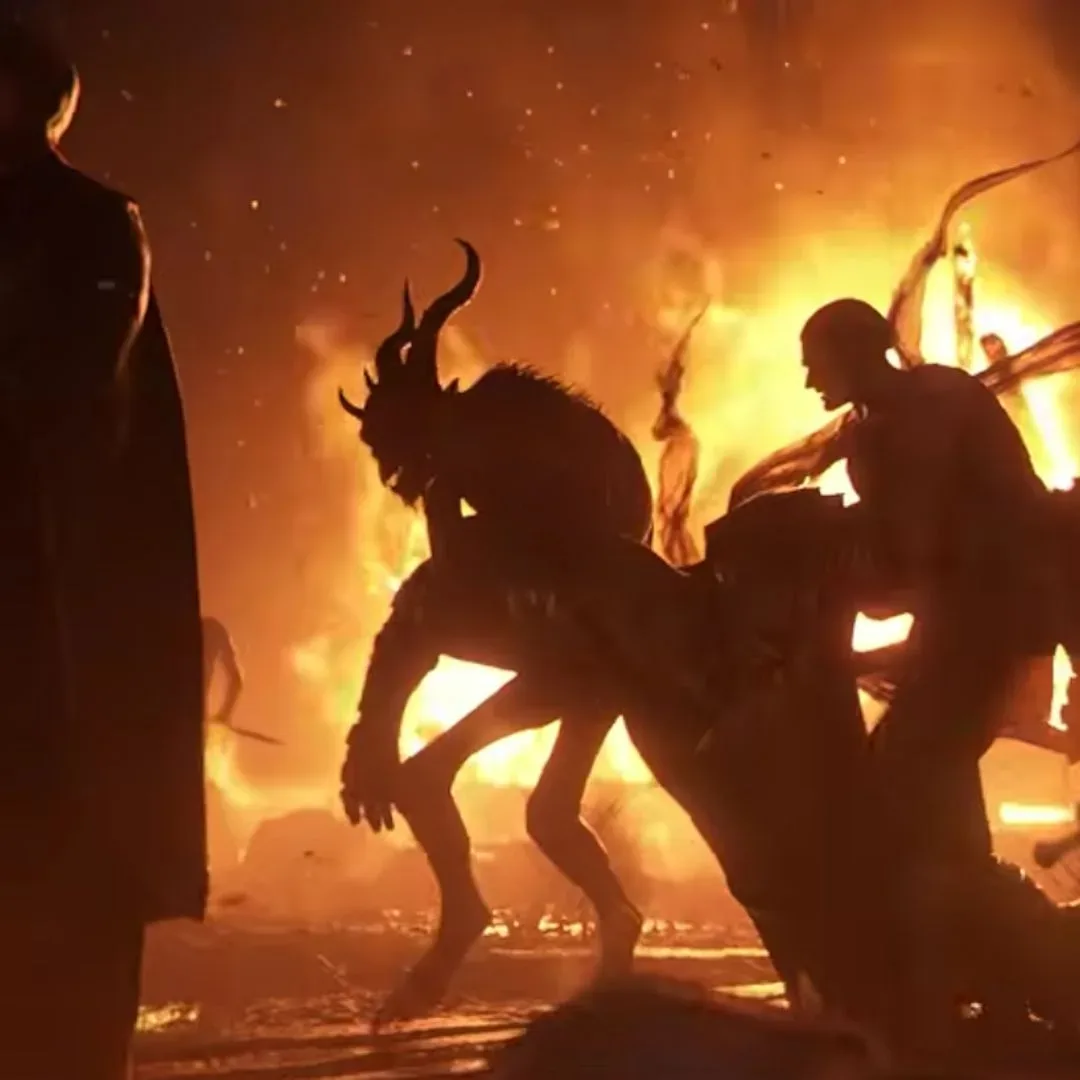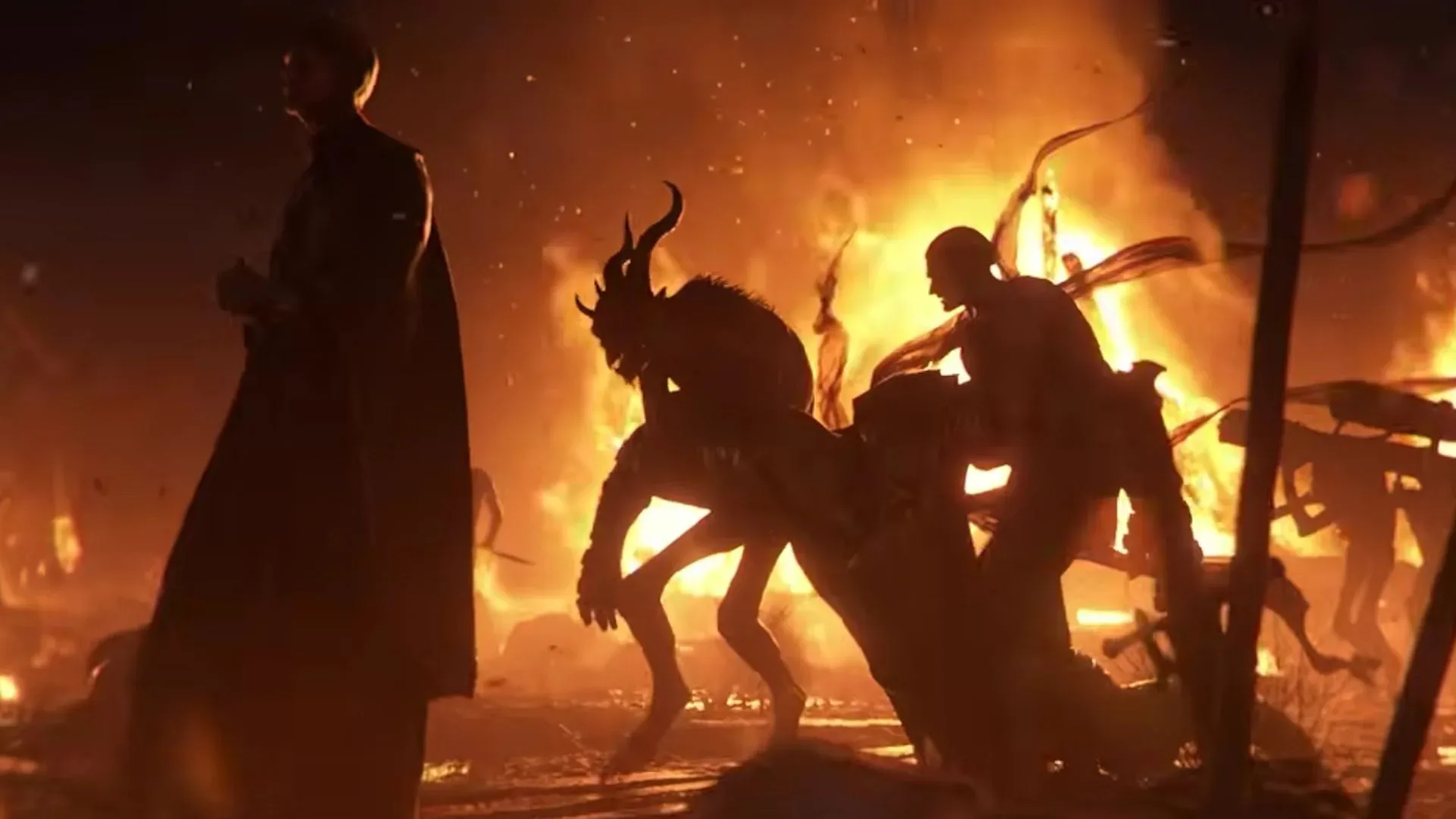
Diablo 5 is officially on the road to Sanctuary, but it is taking the scenic route through several years of development—and apparently burning the map behind it. The next mainline Diablo is currently slated for 2029, and its early design direction points to a substantial shift away from the stable, chartable open world used in Diablo 4.
At BlizzCon 2026, senior production director Tiffany Wat described a return to procedural worlds in Diablo 5. Crucially, that approach is not limited to the series’ traditionally randomized dungeon runs. The plan is for procedural generation to affect both dungeons and the overworld, putting unpredictability at the center of simply traveling through Sanctuary.
That means a player’s successful expedition may not turn into useful local knowledge the next time they head out. A route discovered on one visit, a recognizable landmark, a dependable approach to elite enemies, and even the confidence that comes from knowing what lies ahead could all be temporary advantages. In Diablo 5, revisiting an area is intended to produce a fresh challenge rather than a familiar commute.
“The only thing beyond the fog of war is more questions.”
It is a fittingly grim proposition for Diablo. Sanctuary has never been a realm that inspires confidence for long, but Diablo 5 appears to be building that insecurity into its geography. Instead of treating the unexplored portions of a map as a finite checklist waiting to be completed, the new game is aiming for a world where discovery keeps renewing itself.
A world designed to resist memorization
Diablo 4 gave players a large, defined world that could be navigated, learned and steadily made familiar. Its regions had fixed points worth remembering, while map exploration, waypoints, quests and repeated activities encouraged players to develop a working understanding of where they were going. There was still plenty of combat chaos, loot randomness and dungeon variation, but the overworld itself could become known territory.
Diablo 5’s proposed structure pushes in the opposite direction. Wat’s explanation suggests that previous knowledge of a region should not be assumed to transfer cleanly from one day or run to another. The landscape is being treated less like a reliable atlas and more like a hostile system that can rearrange the terms of an expedition.
That does not necessarily mean every rock, road and encounter will be wholly different every time a player loads in. The details of implementation have not been shared. But the stated intention is unambiguous: Diablo 5 wants players to feel that an old route can become a new problem. In a genre where efficiency often becomes the ultimate endgame skill, that is a potentially major philosophical choice.
Related coverage includes Diablo 5 Will Bring Procedural Worlds Back to Sanctuary.
Procedural design can produce surprise, but it can also make ordinary travel matter. A trip from one point to another is no longer merely the interval between quest marker and reward. It can become an active test of navigation, threat assessment and adaptation. The reliable shortcut that saved time yesterday might not be a shortcut today—or might not even be there in a recognizable form.
Constant discovery, with nowhere truly safe
The team’s language around Diablo 5 makes the desired mood especially clear. Wat identified “constant discovery” as a central emphasis, with the setting built around the idea that players should not feel fully secure. The stated framing is that Sanctuary is exceptionally brutal and that its towns are gone.
For a series so often defined by its descent into monster-filled spaces, extending that discomfort to the overworld is an important distinction. Towns have historically offered a rhythm of refuge: sell surplus gear, repair equipment, compare a new weapon to the old one, speak to quest-givers, then return to the danger. If Diablo 5 is reducing or reworking that sense of sanctuary, its caravan system may become even more significant.
Very few concrete details about the caravan system were provided here, but Diablo 5’s narrative lead—described as a BioWare veteran—has characterized it as a way to incorporate the best elements of traditional role-playing games, with Dragon Age and Baldur’s Gate named as reference points. That raises interesting questions about how characters, story progression and mobile safety may intersect with a world that is intentionally difficult to master.
A caravan could potentially give the game a recurring social or narrative anchor without restoring the certainty of permanent settlements. That is only a possibility, not a confirmed feature breakdown. Still, the combination of a less dependable overworld and a system intended to evoke traditional RPG strengths suggests Diablo 5 may be looking for a different balance between isolation and companionship than Diablo 4.
Why the procedural return will divide players
This is also the kind of design decision likely to provoke arguments long before 2029. Diablo’s older entries leaned more heavily on procedural generation, particularly within dungeons. For many players, that variability is inseparable from the series’ identity. It supports repeat runs by ensuring that the path through darkness cannot simply be internalized once and then reproduced forever.
For others, a predictable world is not a failure of atmosphere; it is a useful foundation. Fixed maps support planning, accessibility, social coordination and the satisfaction of gaining real expertise. Learning the landscape can be rewarding in its own right. A player who knows where an objective sits, which route avoids a detour, or where an event can occur has earned knowledge rather than merely exploited a convenience.
Diablo 5’s early pitch is clearly prioritizing the opposite sensation: uncertainty. The benefit is obvious. A world that cannot be fully solved may retain its danger and mystery longer, especially for players who make repeated trips through the same broad regions. The risk is equally clear. If the world changes too aggressively, navigation could become frustrating rather than suspenseful, and players may feel their time spent learning it has been discarded.
The eventual answer will depend on details still unknown: how often spaces change, what remains persistent, whether procedural layouts support strong visual identity, how quests work within them, and what tools players have to orient themselves. The concept has promise because Diablo thrives on uneasy momentum. But randomness alone is not tension; it has to be legible enough that players can make meaningful decisions inside it.
A long wait, and a very early read on Diablo 5
With a 2029 target currently attached to Diablo 5, there is considerable room for plans to evolve. No platforms, pricing, release date, or comprehensive systems list were included in this initial glimpse. The procedural-world direction should therefore be treated as an early statement of intent, not a full technical specification for the final game.
Still, it establishes a clear contrast with Diablo 4. Where the previous game gave Sanctuary a broad, persistent shape that could be surveyed and learned, Diablo 5 is being positioned as a place that resists being pinned down. Its fog of war is not simply a temporary veil over known geography. It is meant to represent a more persistent uncertainty: the world beyond it may have changed, and the information gathered last time may no longer save anyone.
That kind of long-range sequel planning is part of the wider conversation around blockbuster games, where expectations can build years before release—much like the discussion around GTA 6’s Ultimate Edition and the way players judge value. Diablo 5’s wait will be defined less by edition comparisons than by a fundamental question about its world: how much uncertainty do players want when they step outside?
For now, Diablo 4 remains the more familiar version of Sanctuary. Diablo 5, by design, wants familiarity to be a fragile thing.