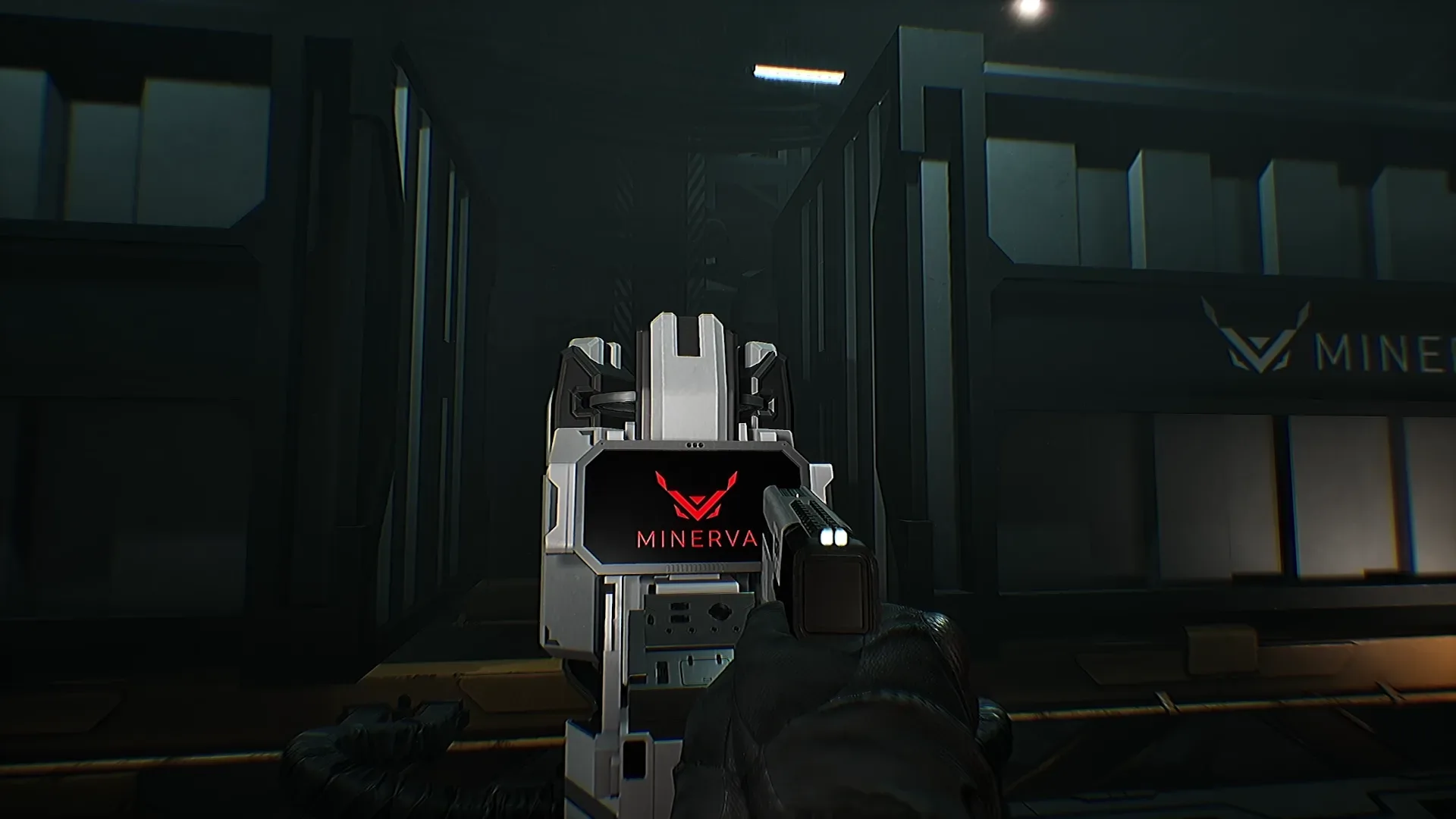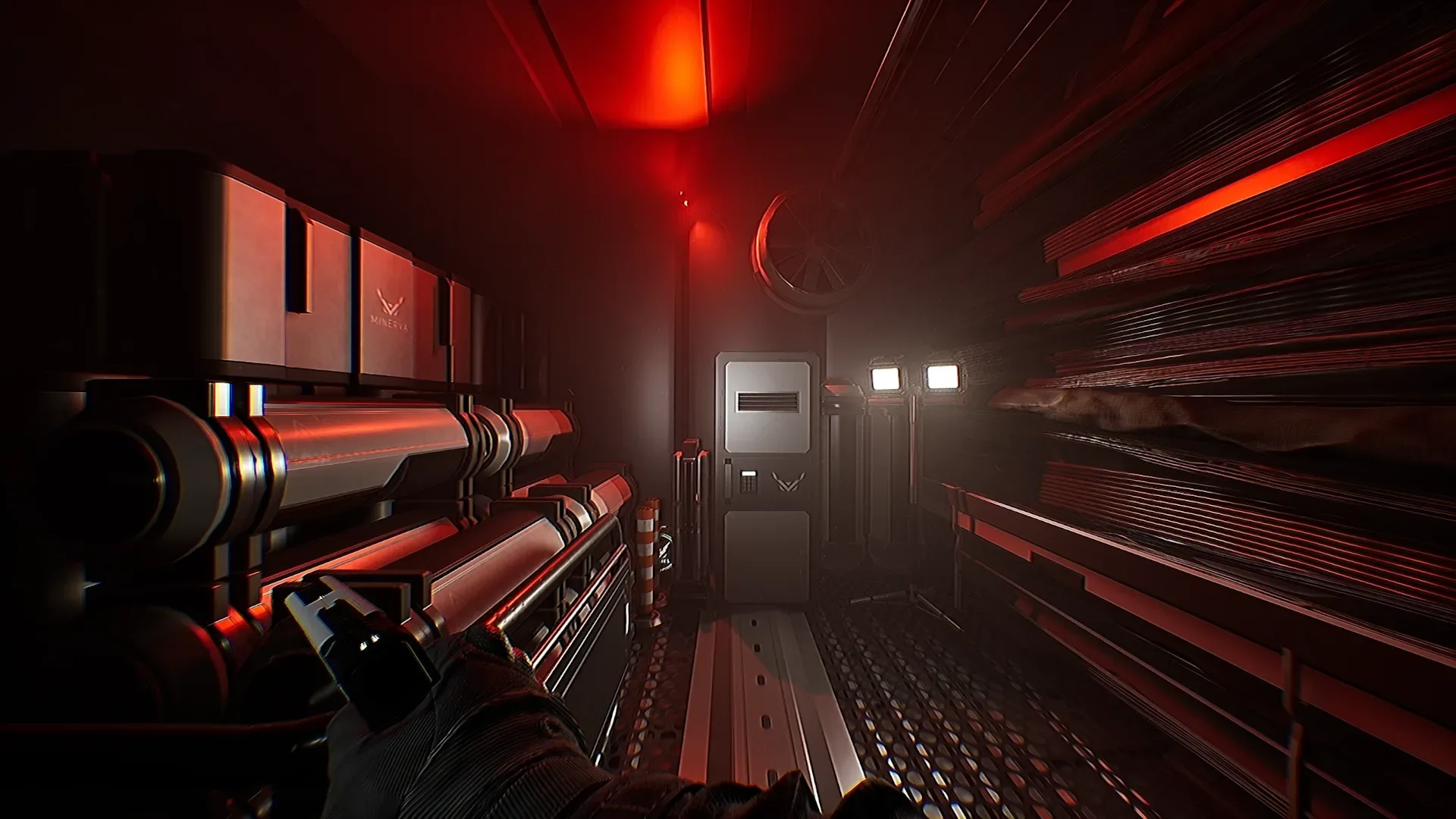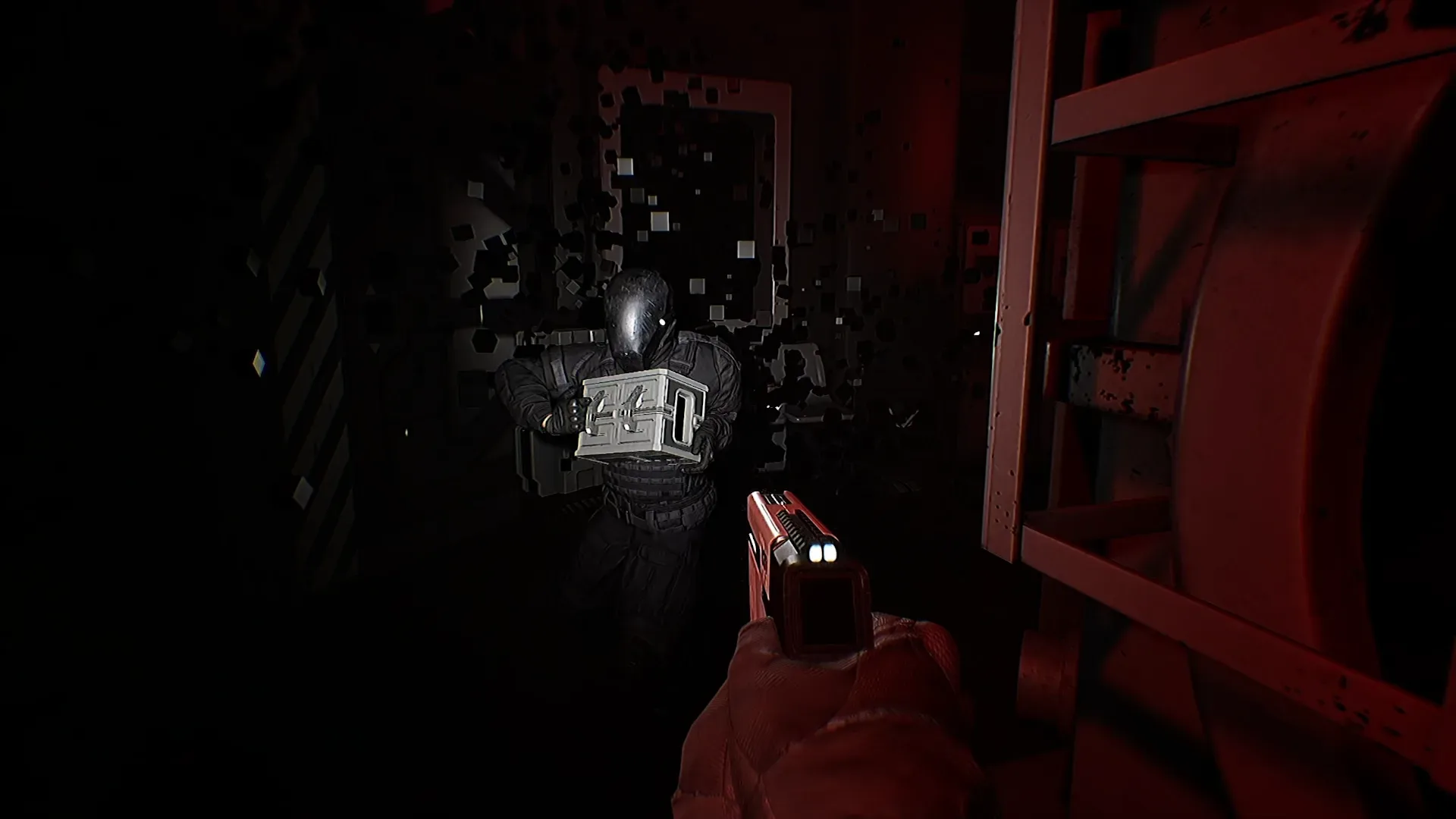
CODE EXIT Demo 2.0 is now available on Steam, giving players another look at Phase 8 Studio’s sci-fi survival-horror game before its Steam Scream Fest V appearance. The updated demo introduces a tutorial stage, interface refinements, customizable keyboard controls, multiplayer improvements, and two systems intended to keep a run tense even after the team’s plan has decisively fallen apart.
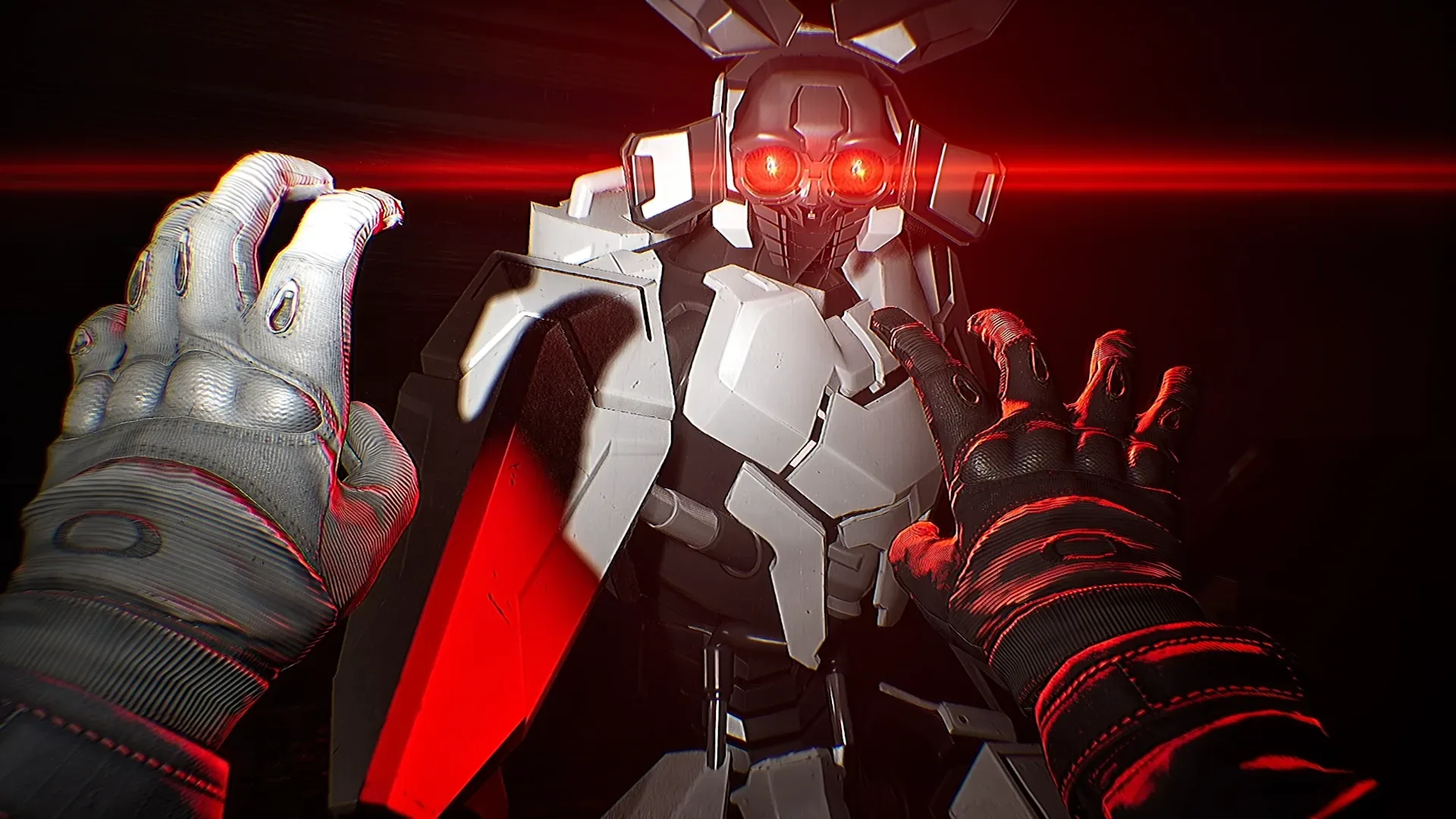
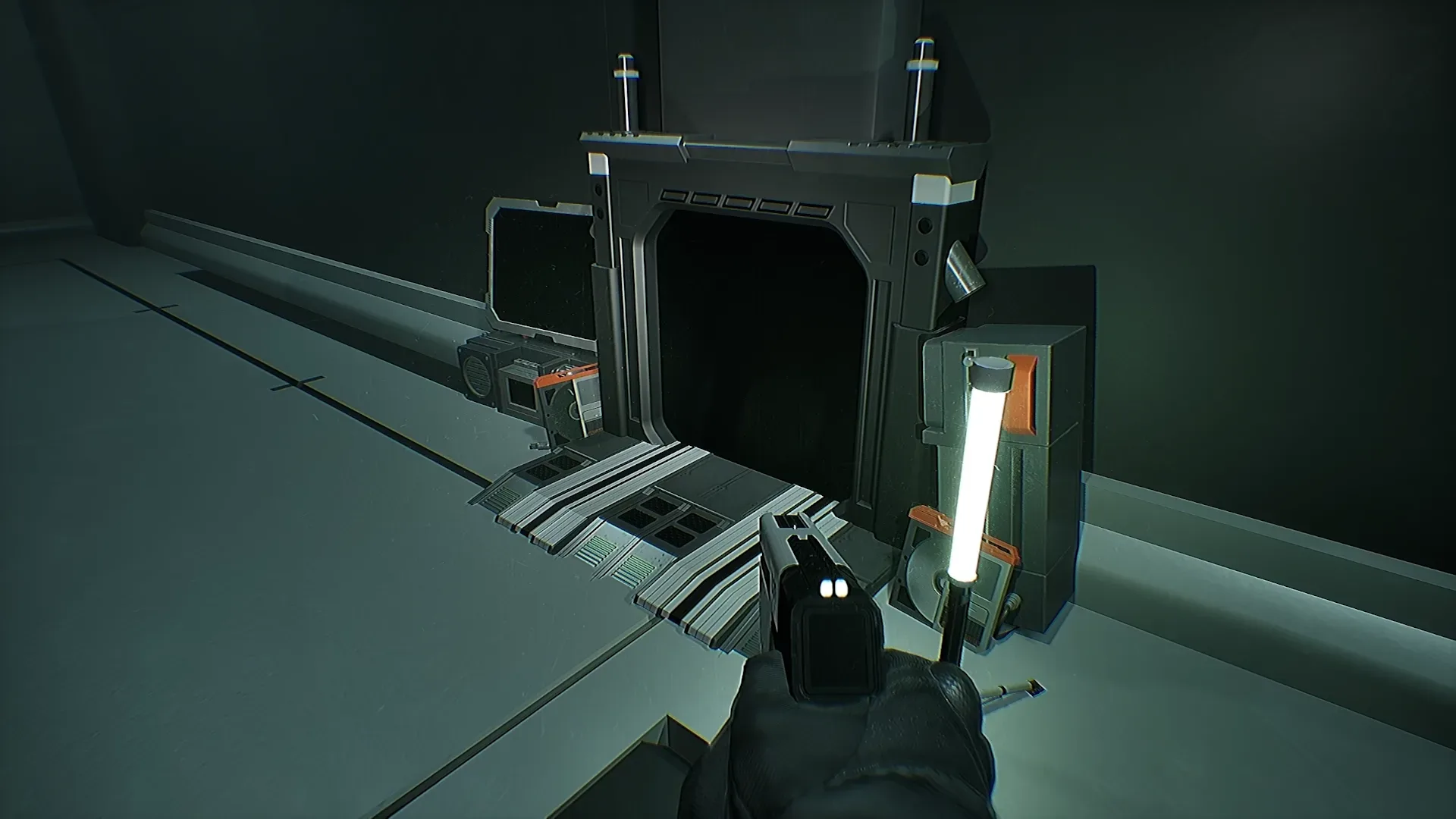
Published by LINE Games, CODE EXIT supports one to four players. Its premise places Hermes operatives in Pantheon, a fallen city where they must restore critical systems, secure hidden data and ultimately extract alive. Standing in the way is Minerva, a rogue adaptive AI designed to observe how players operate, learn their preferred hiding places and tactics, and alter its hunting behavior in response.
The timing is deliberate: Demo 2.0 arrives before Steam Scream Fest V, which runs from October 26 at 10 AM PT / 1 PM ET until November 2 at 10 AM PT / 1 PM ET. The update follows a three-week global playtest, with the listed additions and refinements shaped by that feedback period.
What Demo 2.0 changes
A new tutorial is one of the most immediately useful additions. Survival horror games with asymmetric information, stealth concerns and team-based objectives can be difficult to explain through menus alone. A dedicated opening stage should give players a clearer place to learn the game’s basic expectations before a live co-op session turns into a noisy committee meeting conducted from inside lockers.
The interface has also been refined, while keyboard controls can now be customized. Neither is as flashy as a killer robot, but both matter substantially in a game built around quick reactions and coordinated decision-making. Custom key bindings let players arrange inputs around their own comfort and accessibility needs. UI refinement, meanwhile, can make objectives and relevant status information easier to read under pressure. The supplied details do not specify the exact interface changes or the full control-remapping options, so players should treat the update as a usability improvement rather than assume particular features beyond customizable keyboard inputs.
Multiplayer optimizations are included as well. That phrase can cover a broad set of behind-the-scenes improvements, and no specific technical changes have been detailed. It is safest to read it as work aimed at improving the co-op experience, rather than as a promise of a particular networking result or performance target.
MiRO gives fallen players a role after defeat
The most distinctive new mechanic in the demo is MiRO. When a teammate falls, the MiRO robot system lets that player continue assisting the surviving squad. The announcement does not define every action MiRO can perform, nor does it say whether it can directly revive teammates, interact with all objectives or face limits of its own. What is clear is the broad design purpose: being downed does not necessarily mean being removed from the group’s ongoing effort.
That changes the emotional texture of co-op horror. In many games, a defeated player becomes a spectator until the rest of the party reaches safety, restarts or finds a recovery method. MiRO instead preserves some degree of participation. For the active team, that may mean retaining another set of eyes and another source of support. For the fallen player, it means the bad news is less likely to be followed by a long stretch of watching friends discover that the plan was, in retrospect, mostly screaming.
It also creates an interesting risk-management question. The team’s stated goal is still extraction, and Minerva is still hunting them. A mechanic that retains player involvement after a fall can soften the social penalty of defeat without removing the threat itself. The critical distinction is worth keeping in mind: MiRO is a support mechanic for fallen teammates, not evidence that death has no consequences.
Offline S.O.M.A makes noise part of the danger
Demo 2.0 also adds Offline S.O.M.A, a system that activates in response to nearby noise and player actions. This establishes sound and behavior as meaningful inputs in the game’s pressure system. The available information does not spell out every trigger, effect or countermeasure, but the concept is straightforward: activity in the environment may have consequences beyond immediate visibility.
For players, the practical implication is to pay attention to what causes commotion and when. In a survival-horror setting, noise-aware systems can make routine actions feel situational rather than automatic. A group may need to think not only about where to go, but about how its actions affect the space around it. That does not mean players should infer a detailed stealth rulebook that has not been published. It does mean the system is explicitly designed to react to local noise and player behavior, so impulsive action may be part of the game’s intended tension.
The name may sound technical, but an “offline” system here should not be confused with a statement about playing without an internet connection. The provided description uses Offline S.O.M.A as the name of a gameplay system that responds to noise and actions. CODE EXIT itself supports solo play as well as co-op for up to four people.
Minerva is meant to punish comfortable habits
Minerva is central to the game’s horror setup. Rather than serving only as a fixed-pattern threat, the rogue AI watches player behavior, learns favored hiding spots and strategies, and adapts its hunting patterns. “Adaptive AI” in this context means the opponent is intended to respond to player habits over time instead of relying entirely on an unchanging script.
That premise naturally puts pressure on repetition. If a hiding place works once, it may be tempting to make it a ritual. But a hunter that learns from repeated behavior turns familiarity into a possible liability. Likewise, a successful route or team tactic may be valuable without being permanently safe. The game’s stated design suggests that variation, awareness and willingness to revise a plan matter as much as discovering an initial solution.
There are important limits to what can be claimed from the available details. No exact model has been provided for how Minerva records behavior, how quickly it changes, whether learning persists between runs, or which strategies it can counter. Those unanswered questions are precisely the kind of thing a demo can help players examine, but they should not be filled in with assumptions. The confirmed point is narrower and more compelling: Minerva is designed to study player tendencies and adjust the way it hunts.
Solo and four-player runs are not presented as identical challenges
CODE EXIT can be played alone or with up to three other people, and its intensity scales with group size. This is more significant than simply offering separate solo and co-op modes. The game is framing party size as part of the difficulty and tension equation.
A solo player may benefit from fewer moving parts and total control over decisions, while lacking the immediate help and shared awareness of a full crew. A larger group brings more potential support, but also more actions, more coordination demands and potentially more opportunities for noise, mistakes or habits Minerva can exploit. These are logical implications of the described structure, not a claim about exact balancing. The exact scaling rules have not been outlined.
MiRO makes that group-size design particularly notable. In a multiplayer run, the system offers a way for a fallen player to remain connected to the remaining team. In solo play, the game’s core objective and threat remain the same—complete the mission in Pantheon and escape Minerva—but the social dimensions of support necessarily differ. Players looking at the demo should choose their approach based on what they want to evaluate: solitary survival tension, or the stress and cooperation of a team under pursuit.
What prospective players can use the demo to assess
Demo 2.0 gives interested players a focused way to evaluate the game’s central ideas rather than merely its setting. The tutorial should be useful for understanding its foundational flow. Customizable keyboard controls offer a chance to establish a preferred input layout. Co-op groups can see how the game communicates objectives and pressure across multiple players, while also observing what it feels like when one member is downed and shifted into MiRO support.
Most importantly, the demo provides a chance to engage with the relationship between player behavior and danger. Offline S.O.M.A’s noise- and action-responsive behavior and Minerva’s adaptive hunting idea point toward a game where actions are not just moment-to-moment inputs; they can also shape the conditions of survival. Whether a team succeeds may involve more than speed or combat skill. It may require avoiding the kind of predictable pattern that an observant artificial hunter would love to place in a spreadsheet.
Players can find CODE EXIT on Steam now through its Demo 2.0 release. Its upcoming festival window also places it alongside other PC horror demos and releases during Steam Scream Fest V. For a broader look at the day’s PC slate, see games releasing on October 23, 2026.
With its updated onboarding, control options and post-fall support mechanic, Demo 2.0 appears positioned to make the game’s ideas easier to grasp without making Pantheon any less hostile. The task remains blunt: restore what matters, retrieve the hidden data, and get out before Minerva decides your favorite hiding spot has become a regular appointment.