Two newly revealed PC projects are approaching the idea of “work” from wildly different directions. Call It a Day turns renovation into a physics-driven online co-op scramble, while Steam to Electric asks players to build, run and improve a railway network as transport technology progresses from steam power to electrification.
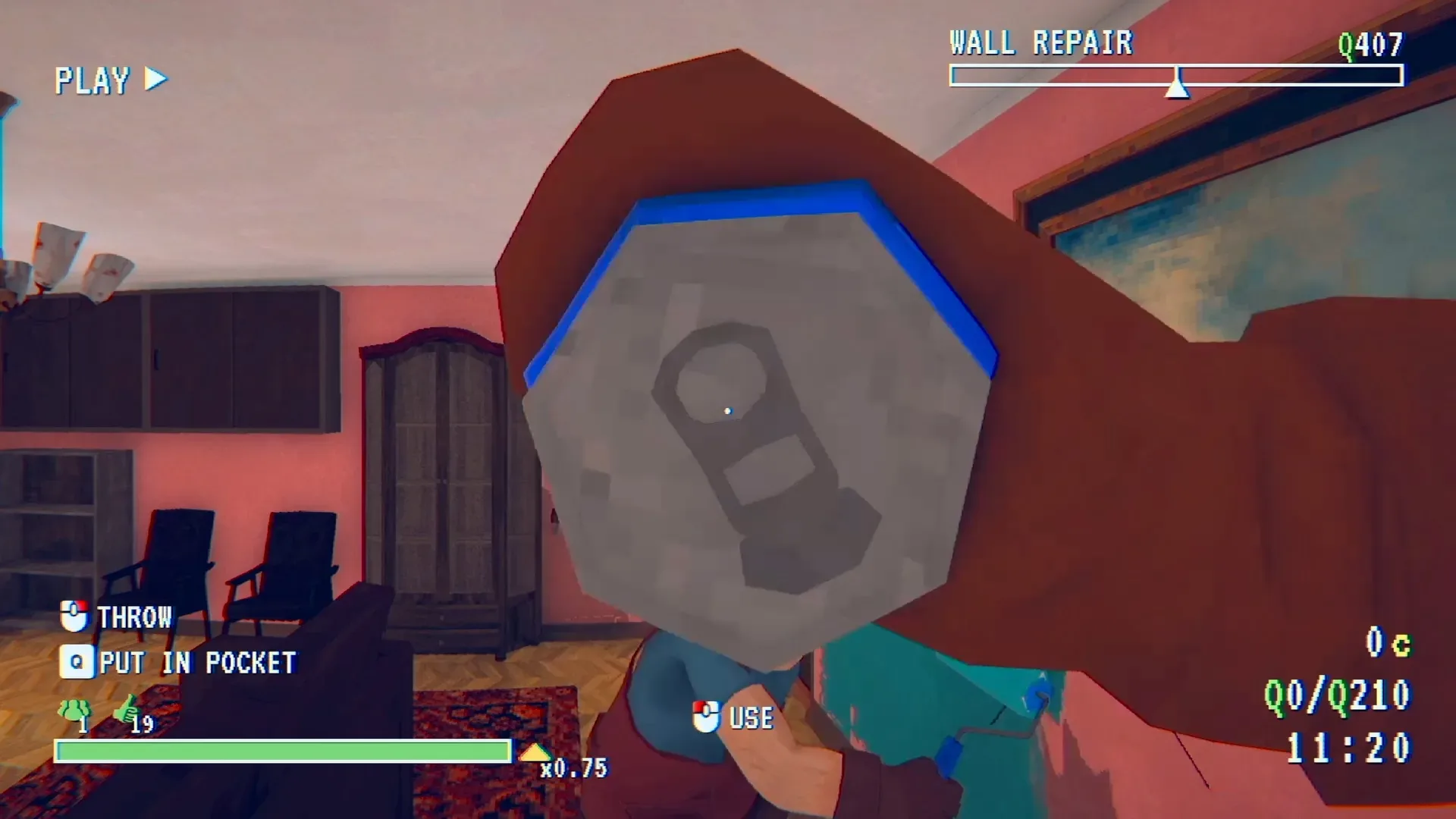
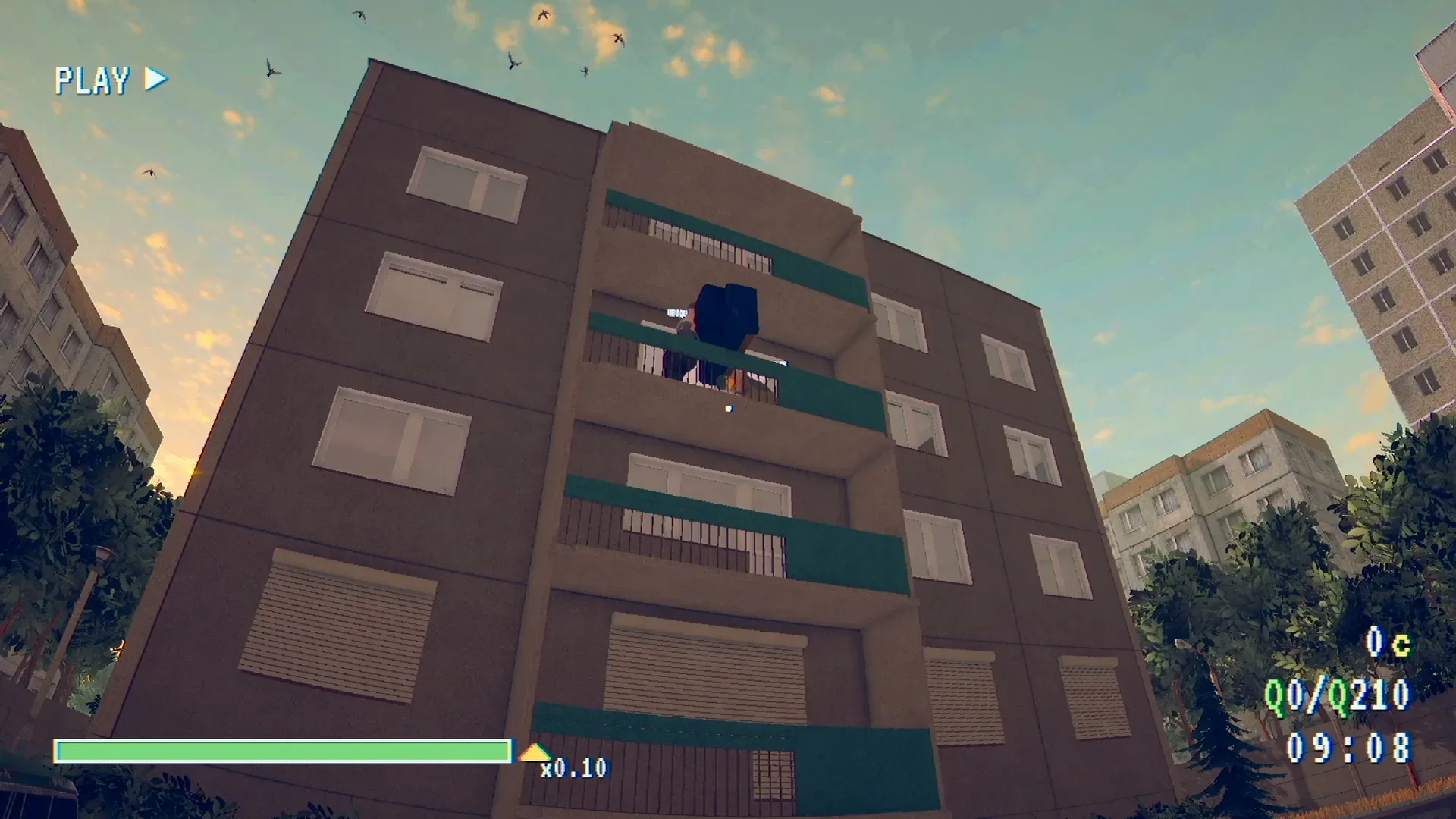
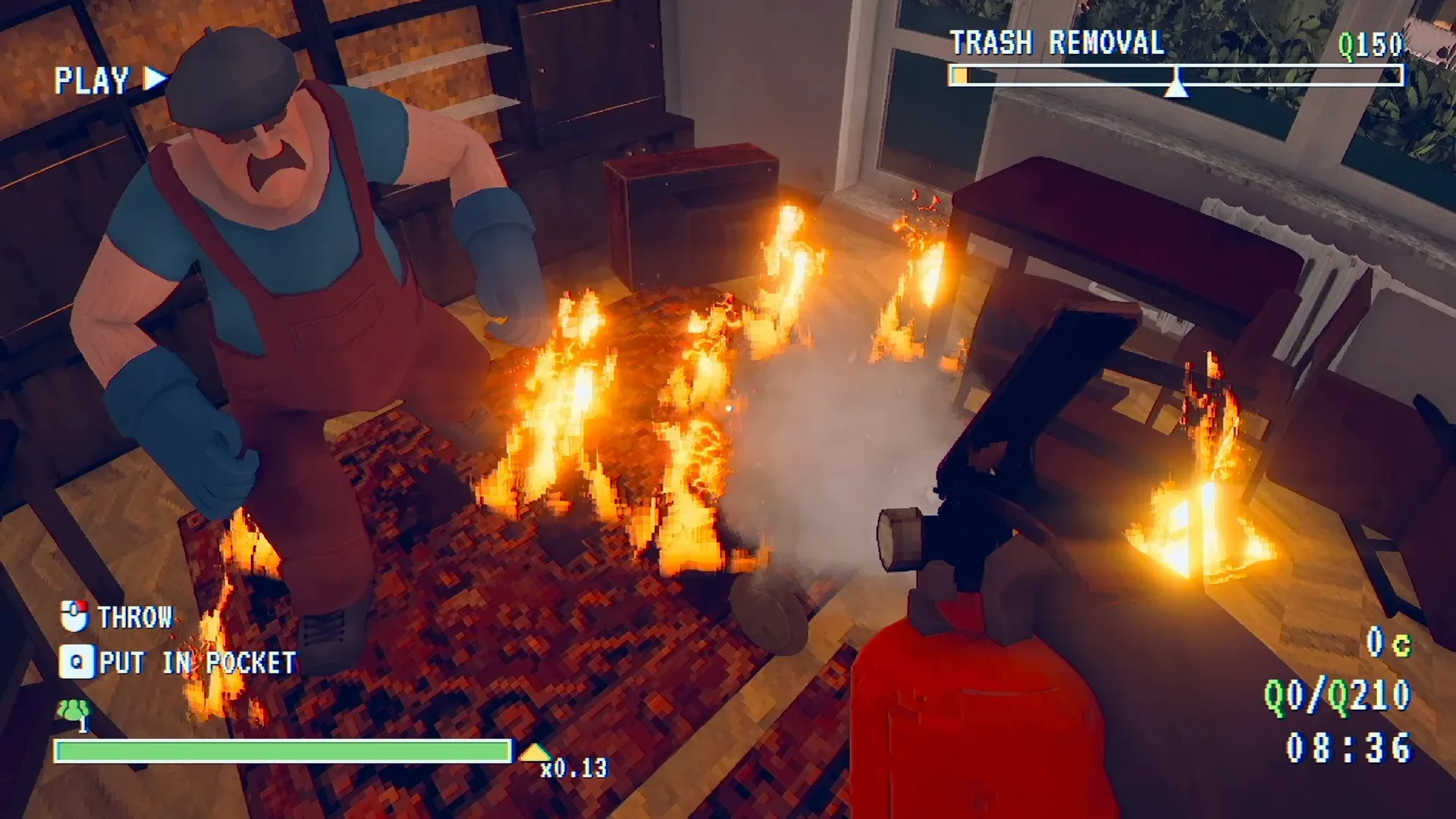
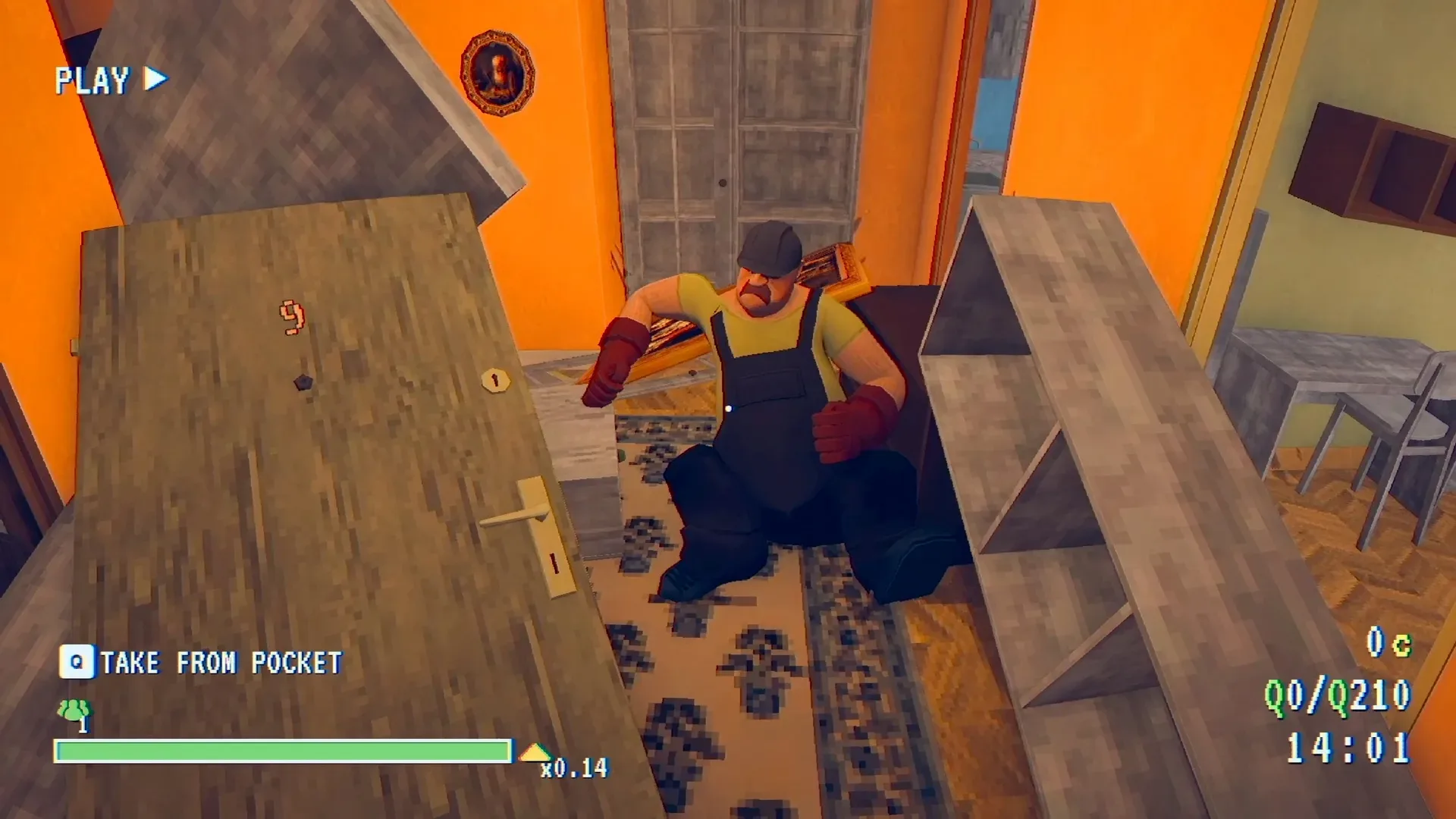
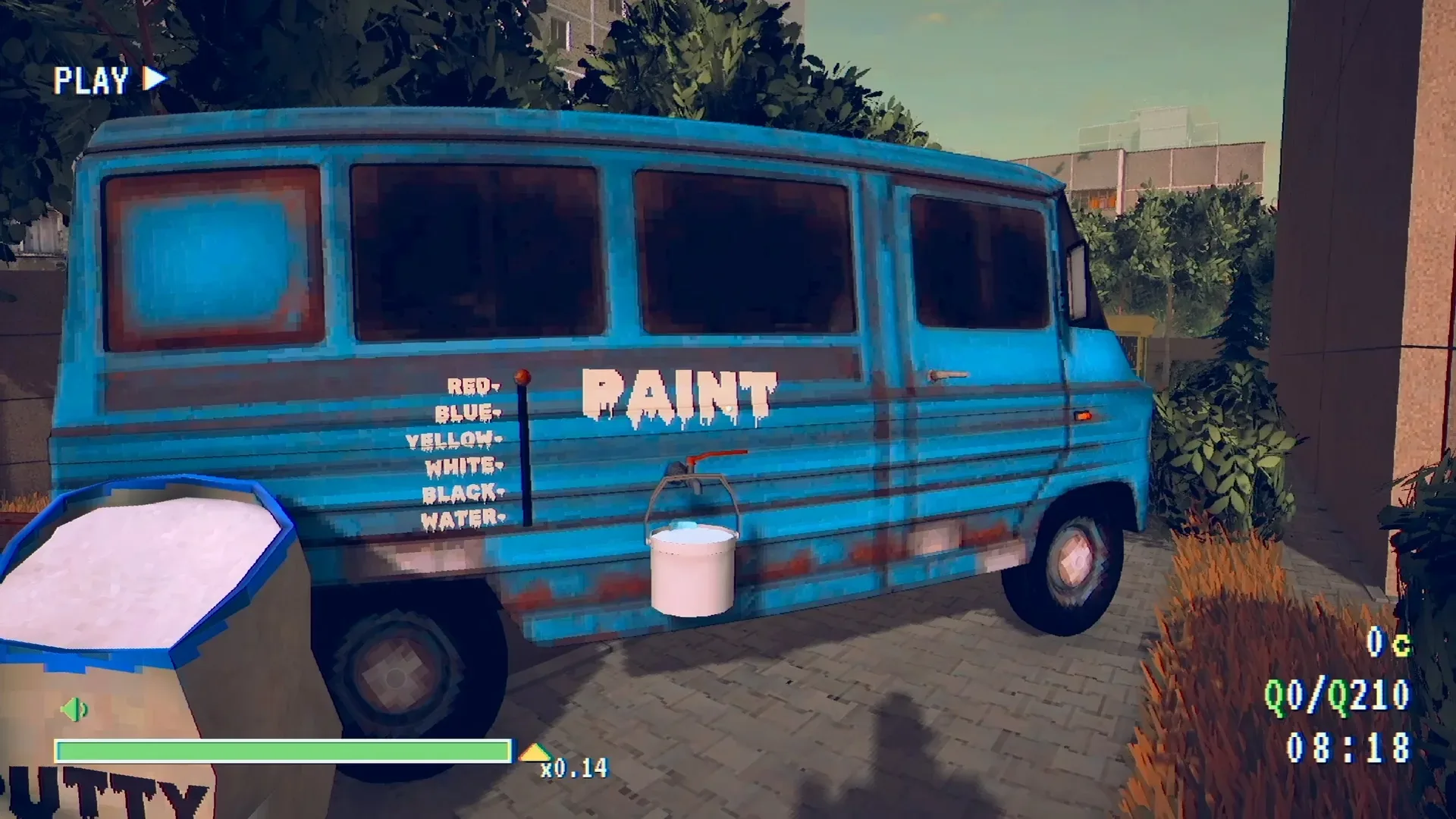
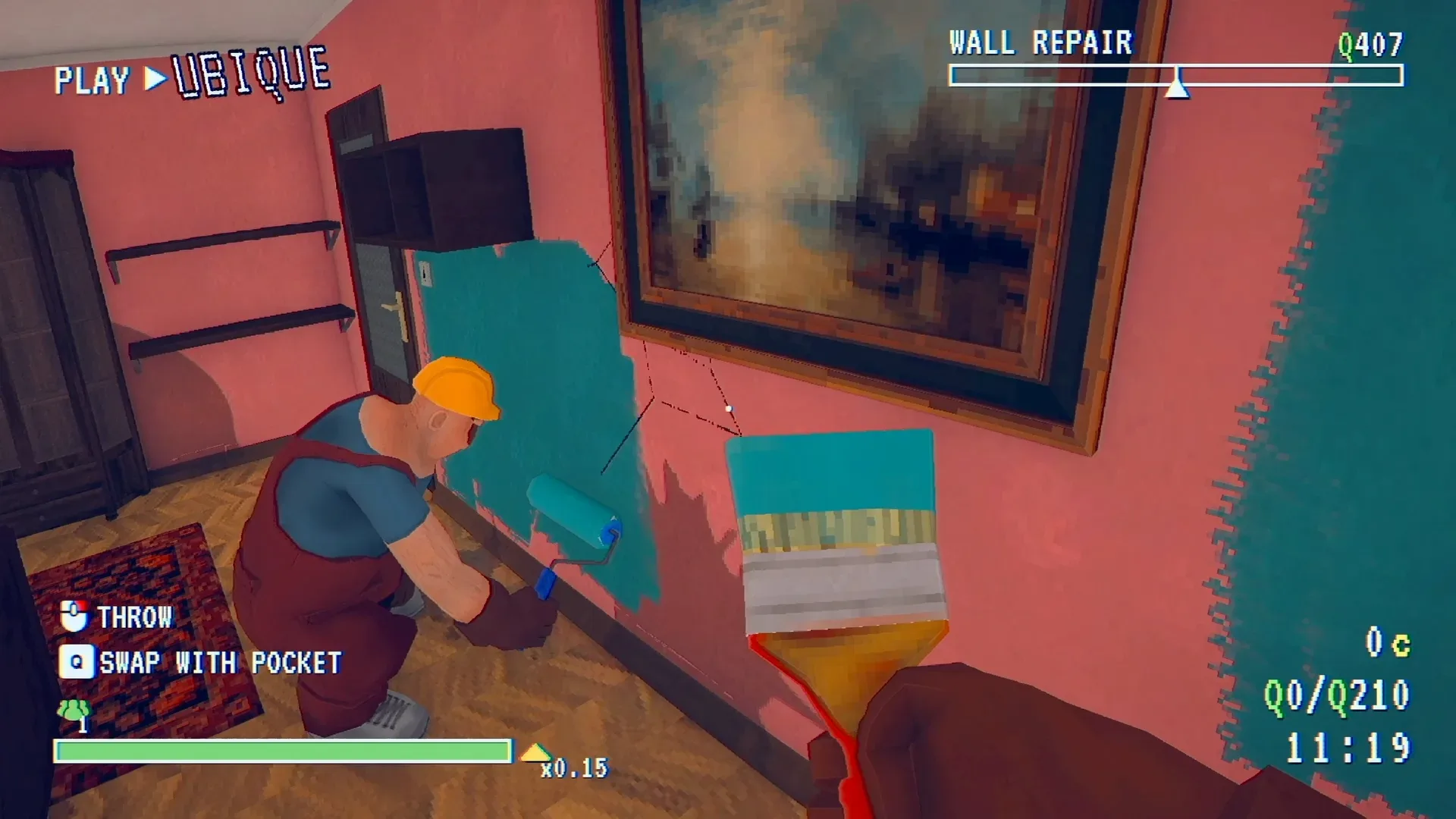
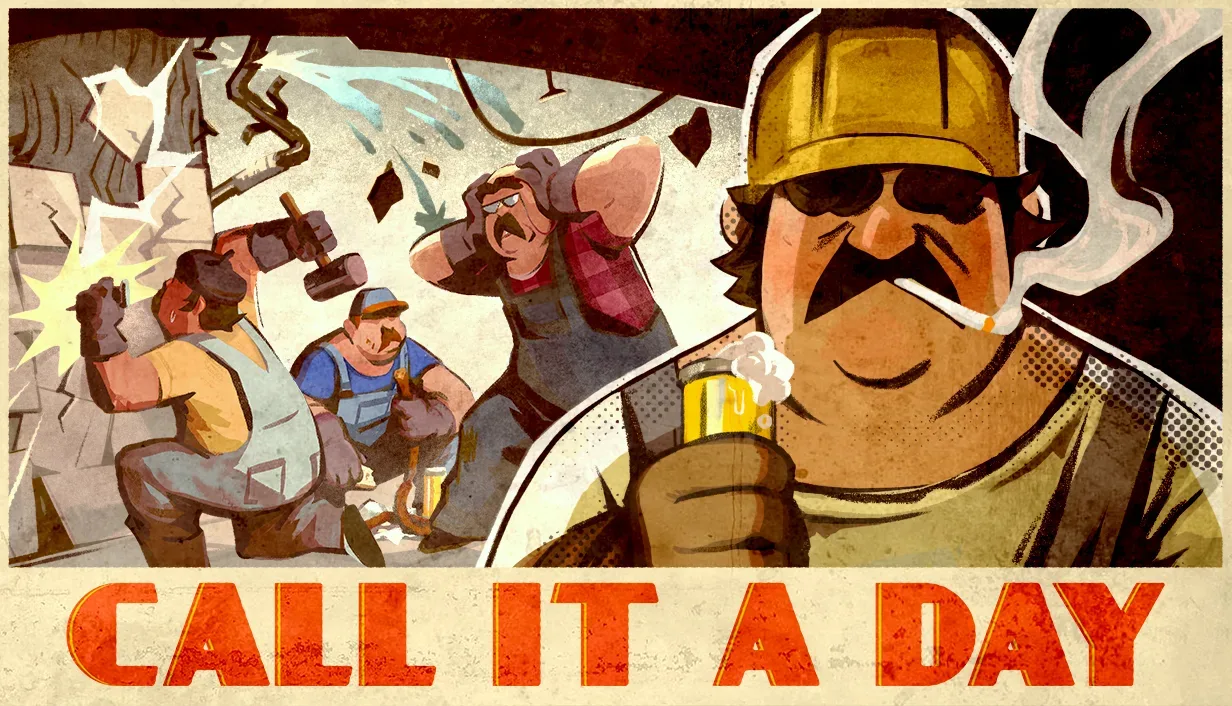
Call It a Day is planned for PC via Steam in 2027. It is being developed by Polish independent studio Egobounds under a publishing partnership with Kwalee, and supports between one and four players online. A newly released trailer accompanies the announcement.
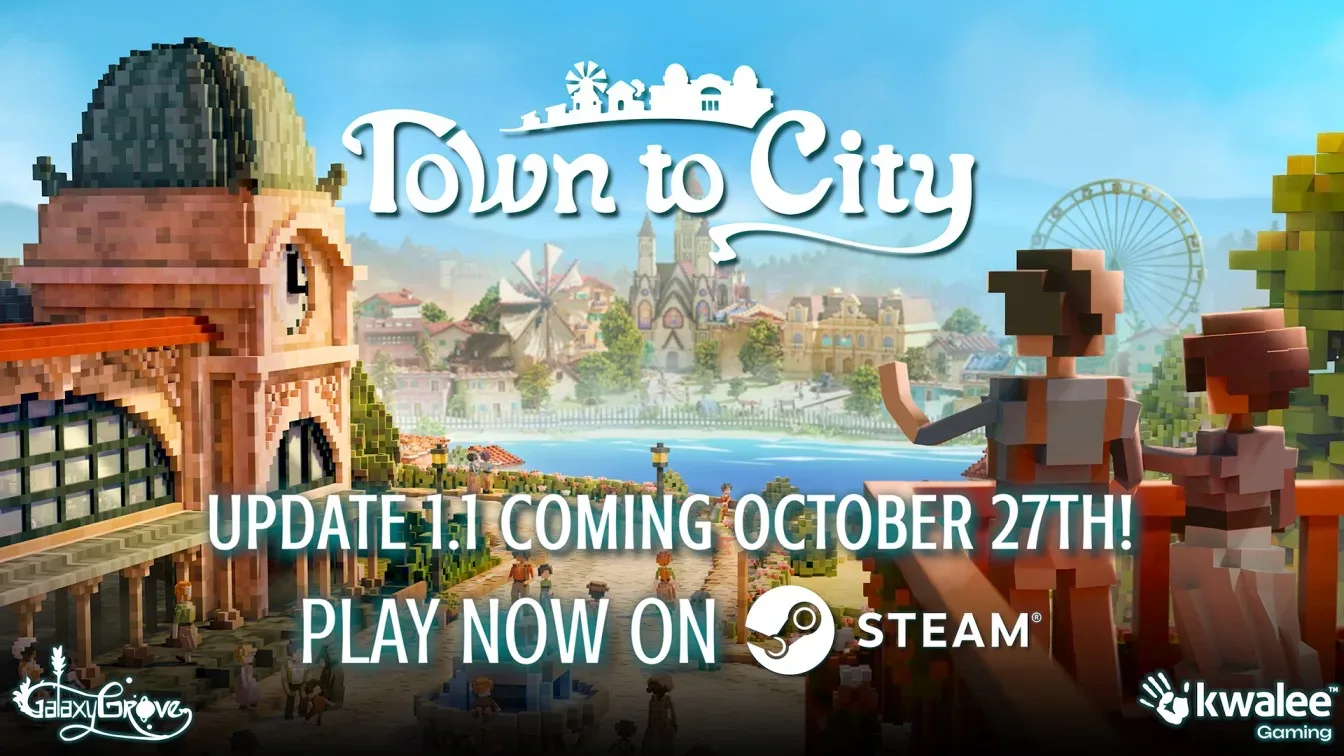
Steam to Electric, meanwhile, has received a new gameplay trailer. The railway-management game is in development at Galaxy Grove and is also planned for PC via Steam. The video introduces some of the historic and modern trains that will appear as players develop their networks.
Call It a Day makes renovation a team sport
The central premise of Call It a Day is simple: a crew has jobs to finish, heavy objects to move and a worksite that is unlikely to remain tidy for long. The actual appeal should come from the friction between that straightforward objective and a physics-based interaction model.
Players form a renovation crew and tackle hectic jobs together. The announced activities include dragging couches upstairs, applying water to paint and throwing rubbish through windows. Those details establish a game built around direct, physical tasks rather than an abstract renovation menu or a purely decorative building system.
In this context, physics-based means that objects and actions are expected to be governed by simulated movement and contact. A couch is not merely selected and teleported to a destination; getting it where it needs to go is part of the challenge. Stairs, corners, other players and the object’s movement can all turn an ordinary delivery into a problem for the group to solve.
That distinction matters for co-op design. A conventional task list can divide work neatly: one player picks an item, another upgrades a room, a third completes a separate objective. A physics game instead encourages players to negotiate around the same awkward object or crowded route. The result can create shared moments of coordination, confusion or recovery, even when the basic assignment is familiar.
The announced one-to-four-player support also gives Call It a Day two possible rhythms. In solo play, a player can work through jobs at their own pace, managing the physical workload alone. In online co-op, the same job becomes a test of communication and division of labour. One person may guide a sofa, another may clear an obstruction, and a third may decide that the window is the most efficient route for unwanted debris.
Related coverage includes Call It a Day Targets 2027 as Steam to Electric Shows Its Trains.
The renovation theme is a framework for interaction
It would be easy to describe Call It a Day as a game about DIY, but the details currently available point more specifically to a game about the unruly logistics around DIY. The announced verbs—drag, water and throw—are hands-on actions. They suggest that the renovation setting is there to give purpose to cooperative object handling and workplace mayhem.
That framing is useful for prospective players because it sets expectations. The information released so far does not establish a detailed simulation of construction, decorating or property management. What it does establish is a chaotic co-op game where renovation jobs supply the situations, and physical interaction supplies the complication.
The 2027 window gives the game a defined target year, but no more precise release date has been provided. Likewise, the confirmed platform is PC through Steam; no other platforms have been announced in the available details. Players interested in its particular mix of online teamwork and physical comedy will need to wait for further information on its job variety, progression systems and other modes, if any.
Steam to Electric follows the railway’s changing technology
Steam to Electric sits on the opposite end of the action-management spectrum. Rather than asking a group to wrestle furniture through a building, it focuses on planning and optimising a railway network. Players will transport both passengers and goods while their system evolves from steam trains to electric ones.
The newly released gameplay trailer offers an initial look at the trains represented in the game, including historic and modern examples. That is more than a visual detail: the title’s stated move from steam to electric positions technological change as part of the game’s core progression.
Railway management generally describes a game structure where players make decisions about a transport system instead of personally driving every vehicle. Here, the confirmed responsibilities are building and optimising a network, then moving passengers and cargo across it. A network is the connected arrangement of routes through which those services operate. Optimising it means improving how effectively it performs its transport role.
The practical questions suggested by that setup are about planning rather than reflexes. A player needs a network capable of getting people and goods where they need to go, while changes in train technology introduce another layer to consider. The announcement does not yet detail the specific constraints, resources or failure states involved, so it is best not to assume the exact depth of its simulation. Still, the stated focus is clear: create rail infrastructure, operate it efficiently and advance through an era-spanning shift in rail power.
Galaxy Grove is described as the team behind Station to Station and Town to City. For audiences who follow PC strategy and management releases, that gives the project a useful point of reference without defining Steam to Electric as a repeat of either earlier game. Its own premise is explicitly centred on railway networks and the transition from steam to electric transport.
“Easy to pick up” is not the same as simple
Steam to Electric is described as easy to begin playing but rewarding to master. That phrase is common in games built around systems, but its intended meaning is worth separating into two parts.
Accessibility concerns the early experience: whether a newcomer can understand the fundamental actions and begin constructing a functional network. Mastery concerns what remains after those basics are understood: the decisions and refinements that distinguish a merely working system from a well-run one. In a railway-management game, this can mean the ongoing process of improving how the network serves passenger and freight movement as the available technology changes.
The announcement does not spell out exactly how Steam to Electric will teach those concepts or measure success. It does, however, make the intended design philosophy plain. The game is meant to welcome players into network construction without making the long-term optimisation goal trivial.
Its train-focused trailer is therefore a useful introduction, but it is only one view of the project. Seeing historic and modern rolling stock helps establish the range of the game’s setting. The larger promise is the relationship between those trains and the player-built system that supports them.
Two PC games, two forms of organised chaos
These announcements make for an interesting pairing because both games involve moving things through spaces, yet they assign responsibility in sharply different ways. Call It a Day places players inside the mess, asking them to physically shift objects and survive the unpredictable outcomes of shared activity. Steam to Electric puts the player in charge of the bigger picture, designing routes and improving an interconnected transportation system.
That contrast also illustrates how broad “management” can be in games. In Call It a Day, management is immediate and social: who grabs the couch, who handles the paint, and what happens when rubbish takes a faster route out of the building. In Steam to Electric, management is structural: build a network, transport two kinds of traffic and refine the system as rail technology advances.
For PC players looking for more cooperative play, Call It a Day’s confirmed online support for up to four participants is the concrete detail to watch. For players who prefer an individual planning challenge, Steam to Electric’s emphasis on network construction, transport and optimisation is the key draw. Both are Steam-bound, but they promise substantially different kinds of problem-solving.
The broader PC slate continues to make room for games that translate familiar real-world work into distinct game structures. Another recent example is Company of Heroes 3’s 3.0 update and its new co-op Final Stand mode, though its strategic battlefield focus is very different from a renovation crew or a rail network.
What has and has not been confirmed
- Call It a Day: Developed by Egobounds, published through a partnership with Kwalee, planned for PC via Steam in 2027, and supports one to four players in online co-op.
- Call It a Day’s activities: The announced examples include moving couches upstairs, watering paint and throwing rubbish out of windows during renovation work.
- Steam to Electric: Developed by Galaxy Grove and planned for PC via Steam.
- Steam to Electric’s premise: Players build and optimise a railway network that carries passengers and goods while evolving from steam to electric trains.
- New video material: Call It a Day’s announcement arrived with a trailer, while Steam to Electric’s gameplay trailer shows some of its historic and modern trains.
For now, the clearest takeaway is one of contrast. Call It a Day is positioning its renovation work as a physical, collaborative source of disorder, with a 2027 PC launch target. Steam to Electric is presenting a slower-burning management proposition in which the satisfaction comes from connecting, carrying and continually improving a changing rail system.