
Buying a phone, laptop or other piece of technology from another country can be a perfectly reasonable solution. A device may fail during a trip. A particular model may not be sold at home. An online marketplace or specialist importer may appear to offer the exact version a buyer wants.
But “the same product” is not always actually the same product across markets. Regional variants can differ in physical hardware, supported mobile-network frequencies, software access, power compatibility and service terms. Once shipping and potential import duties enter the picture, the apparent saving—or even the convenience of securing an otherwise unavailable item—needs a more careful calculation.
The key distinction is between a device that can be switched on and a device that will work as expected for the full length of its ownership. Before committing to an overseas purchase, buyers should treat the exact regional model, its compatibility with their carrier and electrical supply, and the manufacturer’s repair policy as core product specifications rather than fine print.
Regional variants can be meaningfully different
Manufacturers routinely make different versions of a device for different countries. This is not necessarily a sign that one version is better than another. It often reflects local carrier arrangements, regulations and customer expectations. Still, it means a product name alone is not enough to establish what a buyer is getting.
The iPhone is a useful illustration. Certain models sold in China include two physical SIM slots. U.S. iPhones, by contrast, lost the physical SIM tray beginning with the iPhone 14 and use eSIM instead. A physical SIM is the removable subscriber card traditionally inserted into a phone, while an eSIM is an embedded digital alternative activated through a carrier. Neither approach is automatically preferable; the important point is that they create different practical requirements for a buyer and their mobile service.
Software access can also vary by sales region. iPhones sold in China have limited access to Apple Intelligence tools, even when used elsewhere. That is a reminder that moving a device across borders does not necessarily make its original regional configuration disappear. Buyers who are pursuing an import for a particular software feature should confirm the status for the exact model before treating it as a safe purchase.
Mobile network support is more than a signal-bars question
For phones, network compatibility is among the most consequential checks. Manufacturers may build versions of a handset around cellular bands used in a particular market. A phone acquired abroad may therefore not work properly on a U.S. 5G network.
A cellular band is a portion of radio spectrum used by mobile networks. The technical label may look like an obscure specification, but it can determine whether a handset connects well, poorly or not at all to parts of a carrier’s service. Compatibility should be checked against the buyer’s own network, not merely against the broad claim that a phone supports “5G.”
The consequences can go beyond general coverage. A device that is not certified for a network can lose carrier-specific services such as VoLTE or Wi-Fi Calling. VoLTE, short for Voice over LTE, allows phone calls to be carried over an LTE connection. Wi-Fi Calling lets supported phones place calls through a Wi-Fi connection. These may be especially important when ordinary mobile reception is weak, so their absence can turn an imported handset into an everyday frustration even if it appears to connect normally at first.
That makes an overseas phone a poor candidate for assumptions. Before paying, a buyer should identify the exact model variant, then verify whether it supports the necessary bands and is certified for the carrier they intend to use. This is particularly important if the imported handset is meant to become a primary phone rather than a secondary or travel device.
Laptop purchases have their own regional compromises
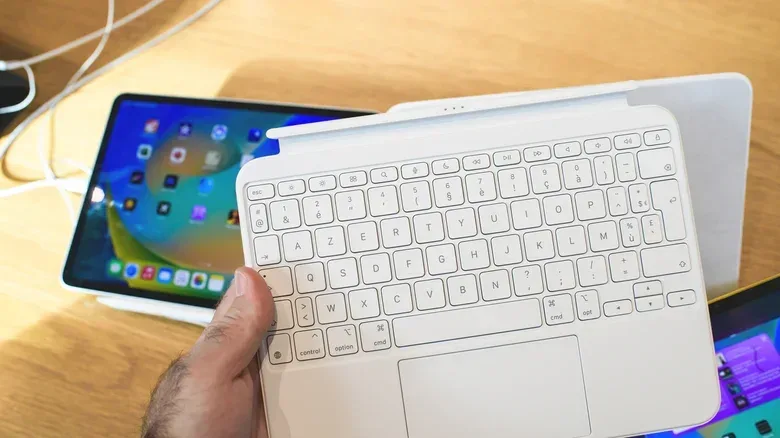
Phones are not the only products where geography matters. Laptop keyboard layouts vary by country, and that difference affects every keystroke. A laptop sold in France may use the AZERTY layout rather than QWERTY, and a QWERTY option may not be offered by every manufacturer in that market.
This is a physical difference, not merely an operating-system preference. Someone accustomed to QWERTY may be able to adapt, but should not assume that changing software settings will transform the printed keys or the layout beneath them. The device can still be useful, yet it may be less comfortable for work, gaming or frequent writing than a locally sold alternative.
For more general laptop peripheral concerns, readers dealing with a Mac can also consult this safe troubleshooting order for USB gaming gear not appearing on a MacBook. That is a separate problem from regional purchasing, but it underscores a broader principle: the full setup matters, not just the headline device.
A plug adapter does not solve every power issue
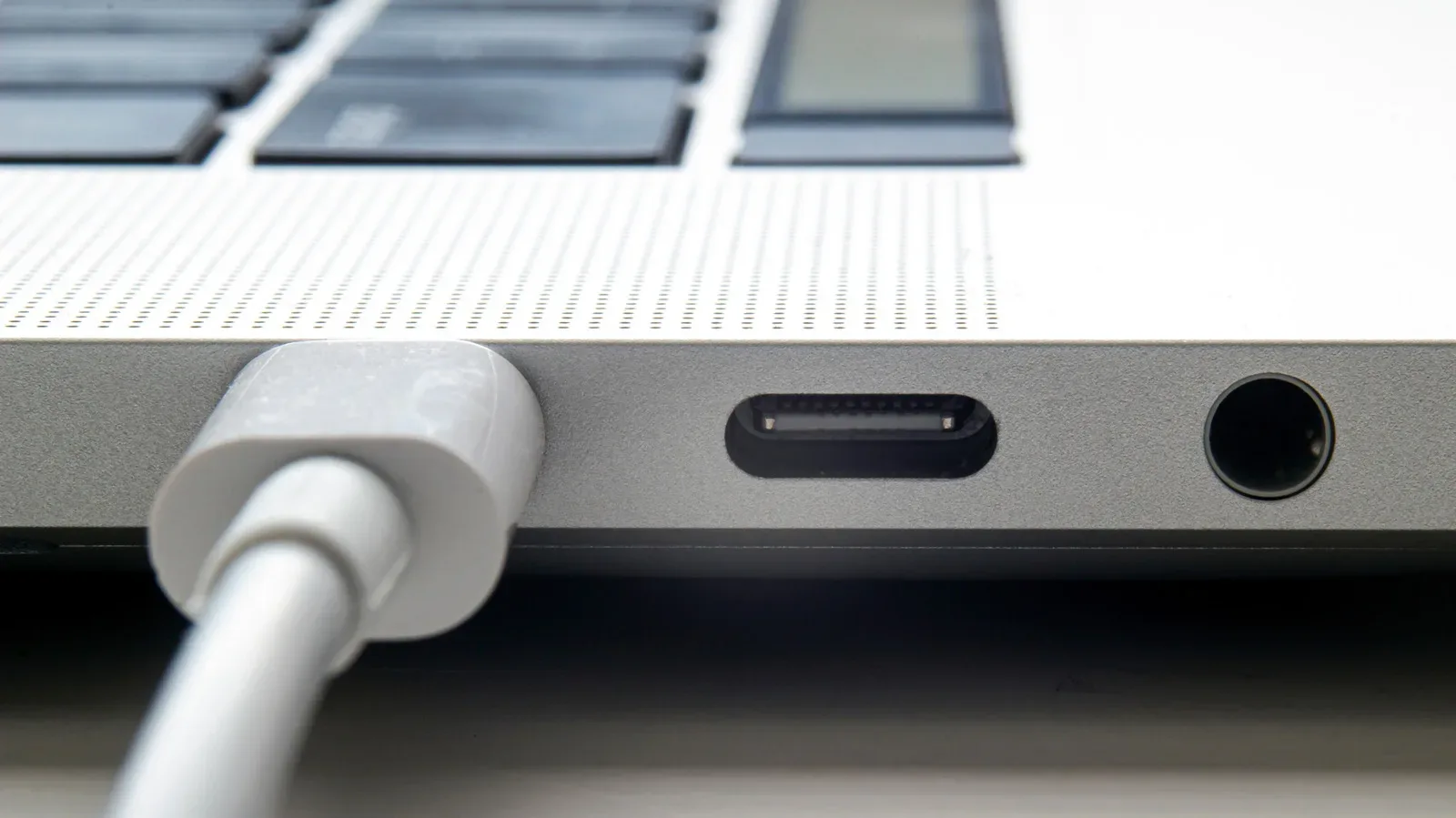
Power is another area where an import can be deceptively simple. Different plug shapes are obvious, and an adapter can address the physical mismatch between a device plug and a wall outlet. However, an adapter does not change the electrical supply reaching the device.
The U.S. uses 120V at 60Hz. Much of Europe and Asia uses 220V to 240V, generally at 50Hz. Voltage describes the electrical potential supplied by the outlet, while frequency, expressed in hertz, describes the alternating-current cycle rate. Those figures are not interchangeable, and neither is corrected merely by changing the plug shape.
Phone and laptop chargers often work internationally, but that is not guaranteed for every technology product. The safe buying question is whether the device or its power supply is designed to operate with the electrical supply where it will actually be used. Buyers should inspect the relevant power information rather than extrapolating from a charger they have owned previously. An incorrect assumption here can produce more than inconvenience.
Warranty and repairs may stop at the border
The value of a warranty is easy to overlook at checkout, especially when a device is new and functioning. It becomes much more important if a component fails or a repair is needed. Many manufacturers provide technical support only in the region where a product was originally sold. A device that is not officially available in the U.S. can be particularly difficult to repair if replacement parts are not readily supported there.
Some companies have more flexible international support arrangements. AppleCare is an example of a service that can be more accommodating, but its terms also allow service for some products, including iPhone, to be limited to the country where the item was first sold. Flexibility should therefore not be treated as a blanket guarantee.
The practical implication is straightforward: a buyer should establish the service position before purchasing, not after a failure. They should determine whether warranty work is available where they live, whether support can be restricted to the originating country, and whether local repair options exist for that regional variant. If dependable local warranty coverage is a priority, buying from the local market remains the safer route.
Online import totals can change after the listed price
When an overseas device is ordered online, the listed product price is only one element of the cost. International shipping can be expensive, and import duties may apply. The U.S. has eliminated its $800 de minimis exemption for international parcels, meaning smaller packages can now face taxes that buyers may once have expected to avoid.
This matters because the financial comparison should be based on the delivered, taxed and support-adjusted cost—not only the number shown beside the product listing. A cheaper imported model may be less compelling after shipping and duties. Conversely, an item unavailable locally may still justify those costs, but that becomes an informed decision rather than an impulse driven by a seemingly low sticker price.
A practical pre-purchase checklist
None of these concerns means importing technology is always a mistake. Sometimes it is the only practical route to a needed replacement or a desired model. The point is to make the regional differences explicit before money changes hands.
- Identify the exact regional variant. Do not rely solely on the product family name.
- Check mobile compatibility for phones. Confirm cellular-band support and carrier certification, including whether VoLTE and Wi-Fi Calling will work.
- Confirm SIM requirements. Establish whether the model uses physical SIMs, eSIM, or a regional combination that suits the intended carrier.
- Check software limitations. A feature available on one country’s version may be restricted on another’s.
- Inspect keyboard layout on laptops. Make sure the physical arrangement is acceptable for long-term use.
- Verify power specifications. Check that the device or its supplied power equipment is appropriate for local voltage and frequency; a plug adapter alone is not the full answer.
- Read warranty and service terms. Determine where repairs and technical support can be obtained for the specific product.
- Price the entire transaction. Include international shipping and possible duties rather than comparing base prices alone.
The best overseas purchase is one where the buyer has already accounted for the unglamorous details: radio bands, SIM format, keyboard printing, electrical ratings, service boundaries and cross-border charges. Those details can decide whether an imported gadget is a useful answer to a real availability problem or an expensive device that never quite fits the place it was brought home to.