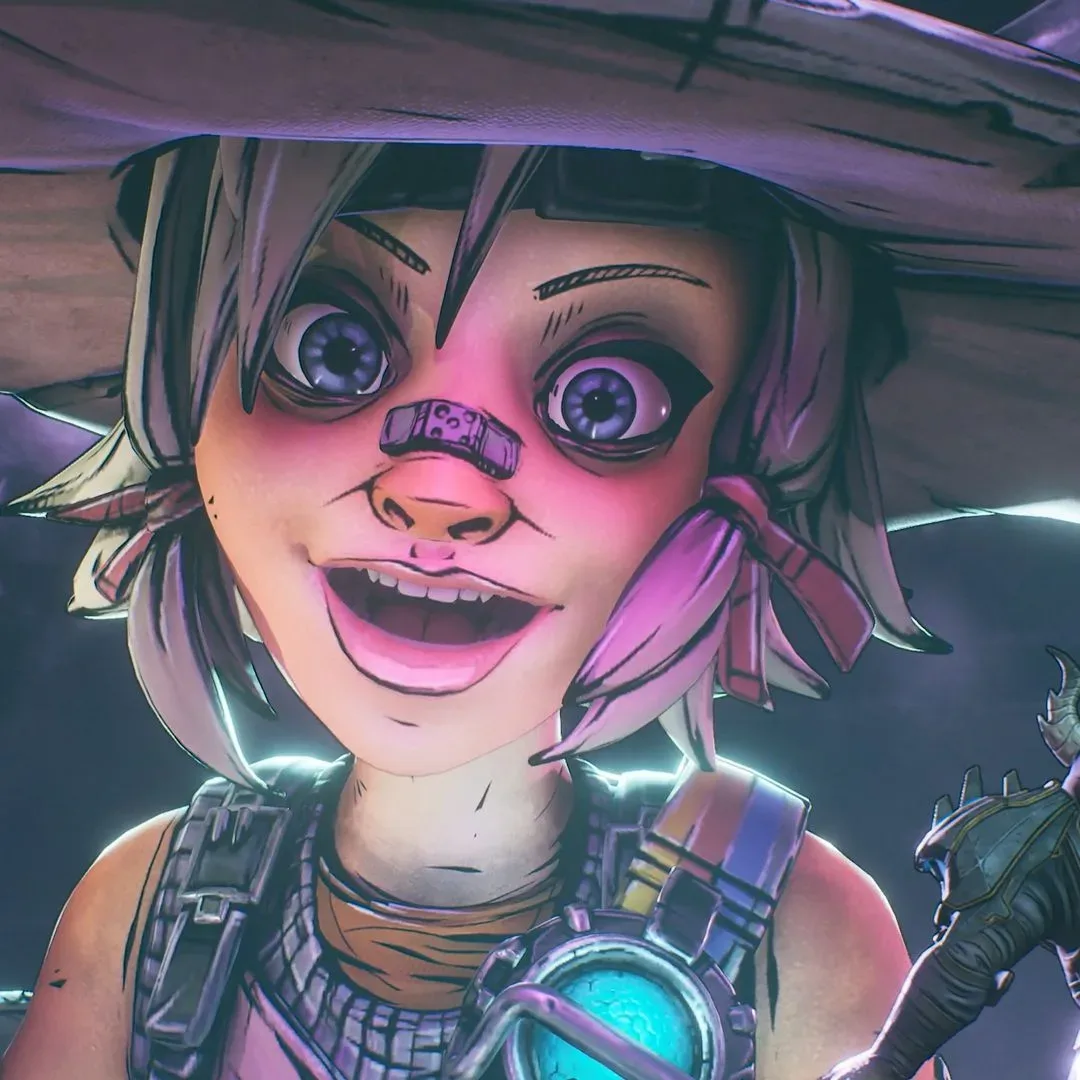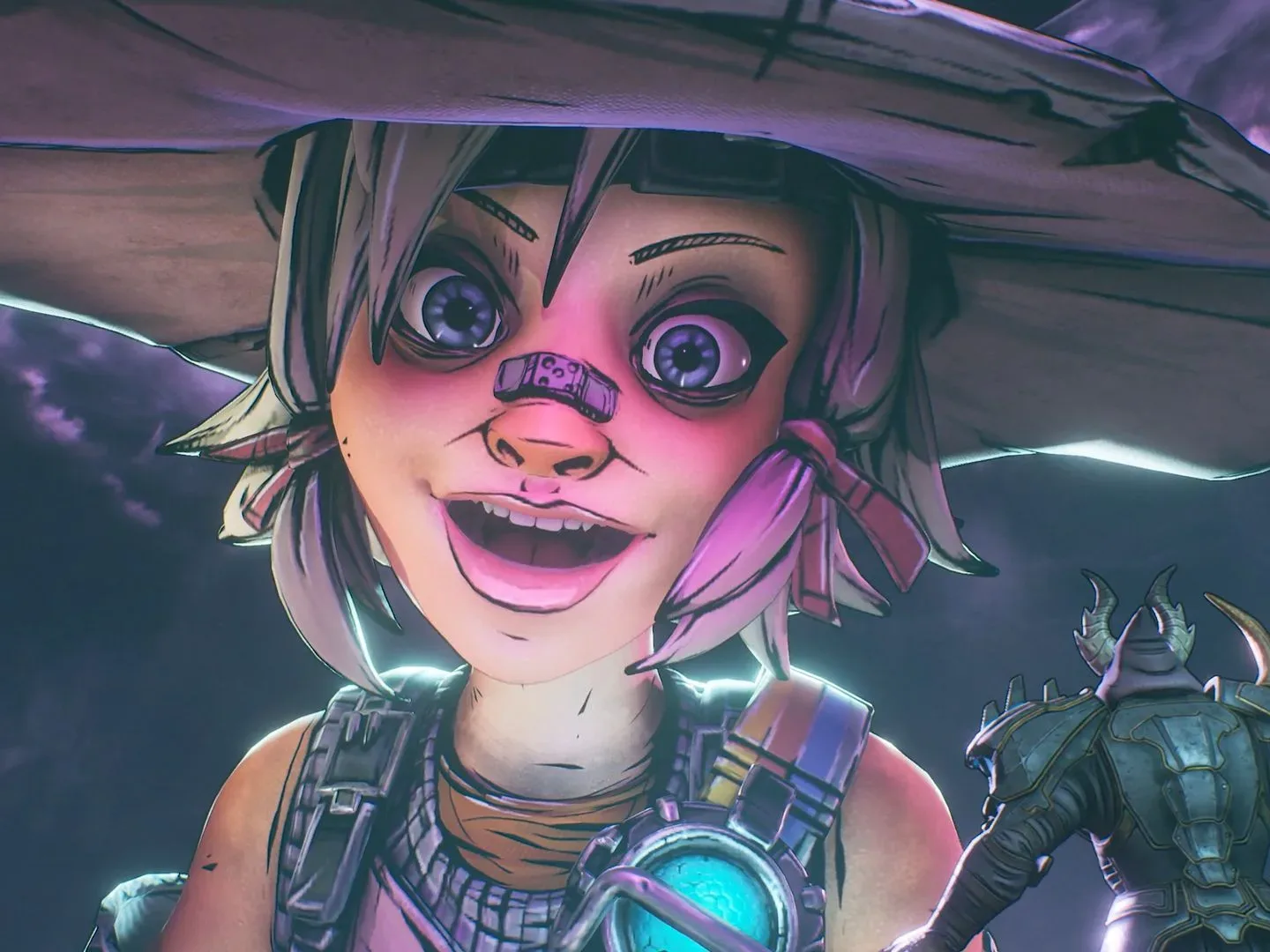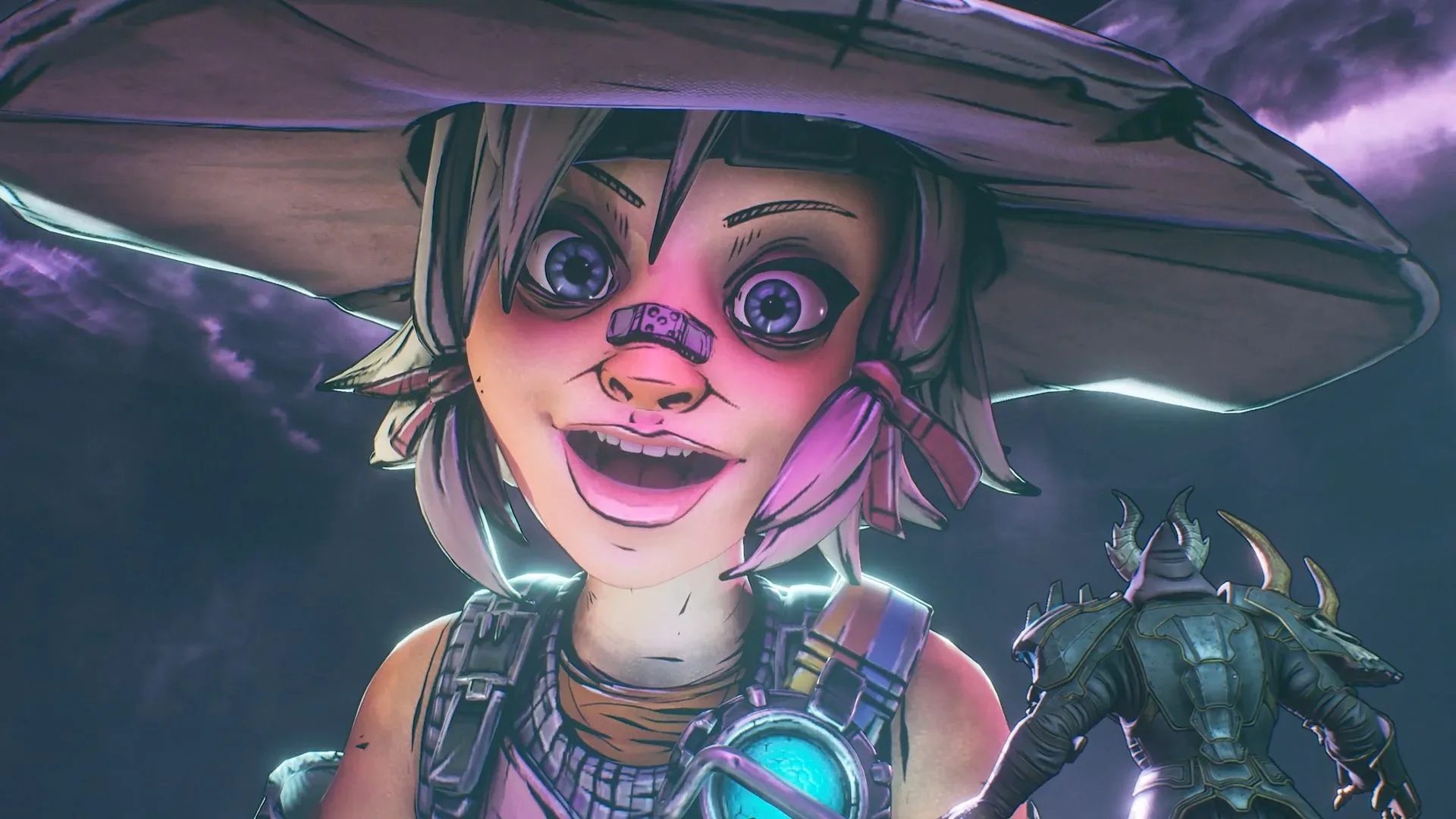
Borderlands Online, the short-lived MMO that originally launched only in China, is playable again through a fan-led restoration called BLOL. The work arrives 11 years after the game’s shutdown and roughly 17 months after modder, dataminer and indie developer EpicNNG began documenting efforts to make an obtained build function beyond its login screen. The revived version has entered playtesting with an English localization, though its team is clear that it remains unfinished and may be unstable.
That distinction matters. This is not presented as a polished commercial relaunch, nor as a new official release from the Borderlands rights holders. It is a non-monetized community restoration project built around making an otherwise inaccessible game playable. Players can use it online or offline, but should expect bugs, skills that do not work properly, animation issues, server outages and other rough edges while development continues.
Even so, the early response shows why long-lost online games remain a major preservation concern. EpicNNG said that 1,000 accounts were created in the first four hours after launch. The game has already received a server-upgrade hotfix, while players have begun organizing an effort to clear debug items left in the central hub by newcomers.
From inaccessible build to playable project
The restoration began late last April, when EpicNNG shared that he had acquired a build of Borderlands Online. At that stage, simply getting through the game’s login screen was a major obstacle. That is a familiar problem for online-focused games after their original services are gone: a surviving client or build may contain much of the game data, but no longer have the infrastructure needed to authenticate players or connect game systems.
An MMO, or massively multiplayer online game, is more than the files installed on a player’s computer. Its original operation can depend on account authentication, servers, networking services and systems that coordinate shared spaces. Rebuilding enough of that structure for a preserved version to operate is a different task from opening an older single-player game from a disc or download.
EpicNNG initially committed to finding a way for the community to experience the game, then enlisted help from Borderlands fans. The scope soon expanded considerably. In a video discussing the project, EpicNNG said the work eclipsed anything he had previously attempted. The login barrier was only the beginning; the team also faced the job of translating Chinese text, adapting the interface for English, and replacing Chinese HUD components with newly made assets created in Photoshop.
HUD means heads-up display: the information layer that stays visible as someone plays, such as status readouts, menus, meters and prompts. It is easy to think of localization as swapping one block of text for another, but interface language can alter the physical layout of a game. English wording may take more space than its equivalent in another language, so buttons, boxes and menus often need resizing to remain readable and prevent text from overlapping.
That makes BLOL’s English support more substantial than a basic text pass. The team had to adapt visual interface elements as well as language, creating replacements where the original HUD used Chinese assets. The restoration does not use generative AI, according to EpicNNG.
Related coverage includes Borderlands Online Returns in English Through Fan-Led Restoration.
Why an early release happened now
The group had wanted to wait until the end of the year before releasing the project. EpicNNG said the growing capability of AI tools changed that plan, leading the team to release sooner rather than risk seeing its work rendered pointless. The statement does not spell out a technical threat to the project, but it does make the team’s motivation clear: they wanted the community to have access to the result of its work now, rather than hold it back for a more complete launch.
For players, the practical implication is straightforward. BLOL should be approached as active playtesting rather than a finished preservation package. The project’s own warning covers a broad range of potential problems:
- Broken or unreliable skills.
- Animation problems.
- General bugs and other inconveniences.
- Possible online server outages.
The availability of offline play may be especially significant in this context. A game that can operate offline is less dependent on a live server being reachable at any given moment. That does not remove the reported roughness of the project, nor does it settle broader questions about the restoration’s future, but it offers a different way to access the work when online services are unstable.
The online side is still drawing immediate interest. The first-hours account total indicates a sizable audience willing to tolerate the uncertainty of an early build for the chance to see a Borderlands MMO that was once limited to one territory. Community behavior will matter as much as technical maintenance in the short term. Debug items, for example, are development-oriented objects or tools that are not meant to clutter ordinary play spaces. Players creating a cleanup effort for items appearing in the hub is a small but telling sign of a community trying to make a fragile shared environment usable.
A preservation win with an uncertain legal horizon
The word “saved” needs careful handling here. BLOL is a meaningful preservation achievement because it makes a shut-down, China-only MMO accessible to new players in English. But it is not an official reissue, and its long-term availability is not guaranteed.
EpicNNG said that Take-Two, which owns Gearbox, had not contacted him or the restoration team to tell them to stop at the time he discussed the project. He also said he would have stopped if asked. Looking ahead, he believes it is most likely that the game will be taken down eventually. If a cease-and-desist notice or other legal action arrives, he said he will not assist with making the game work again.
A cease-and-desist is a legal demand asking an individual or group to stop an activity alleged to violate rights. Whether or when one might be sent is not established by the project’s existence, and no response from Take-Two or Gearbox was reported. EpicNNG tagged Gearbox head Randy Pitchford in a social-media post about the restoration, but there had been no response at that point.
That uncertainty leaves BLOL in a particularly delicate position. Its developers are sharing an accomplishment without promising permanence. Players interested in it should separate two ideas that can easily blur together: the game currently being available through a fan effort, and the rights holders formally endorsing that availability. The available information supports the first; it does not establish the second.
What BLOL adds to the conversation around online-game preservation
The return of Borderlands Online highlights a problem unique to networked games: shutdown can make a game effectively vanish even when some form of its software survives. The original game’s China-only release also means many Borderlands players never had a normal opportunity to encounter it in the first place. A working English version changes that access story, allowing a broader audience to inspect and play an unusual branch of the series’ history.
It is also a reminder that restoration is not a single breakthrough moment. Getting past login, making the game run, translating content, revising the UI, maintaining servers and responding to new bugs are separate layers of work. The current hotfix and warnings about outages demonstrate that the project remains in that maintenance phase. Its public release is the beginning of wider testing, not proof that every system has been solved.
That same pattern can be seen across community efforts involving older or unavailable games: access can be restored only after technical, language and organizational challenges are addressed together. For a different example of enthusiasts using modern hardware work to preserve unusual ways of interacting with old media, see this look at an FPGA console enabling interactive retro demos on VHS.
For now, BLOL’s most important accomplishment is concrete rather than theoretical. A game that shut down 11 years ago and never officially launched outside China is once again playable, including in English, because a fan team tackled barriers ranging from logins to HUD reconstruction. The project has an audience, active fixes and a community already dealing with the untidy consequences of an early online launch. It also has no promise of lasting forever.
Those facts can coexist. BLOL is both a remarkable community restoration and an unfinished, legally uncertain playtest. Anyone joining should do so with patience for technical issues and an understanding that access today is not a guarantee of access tomorrow.