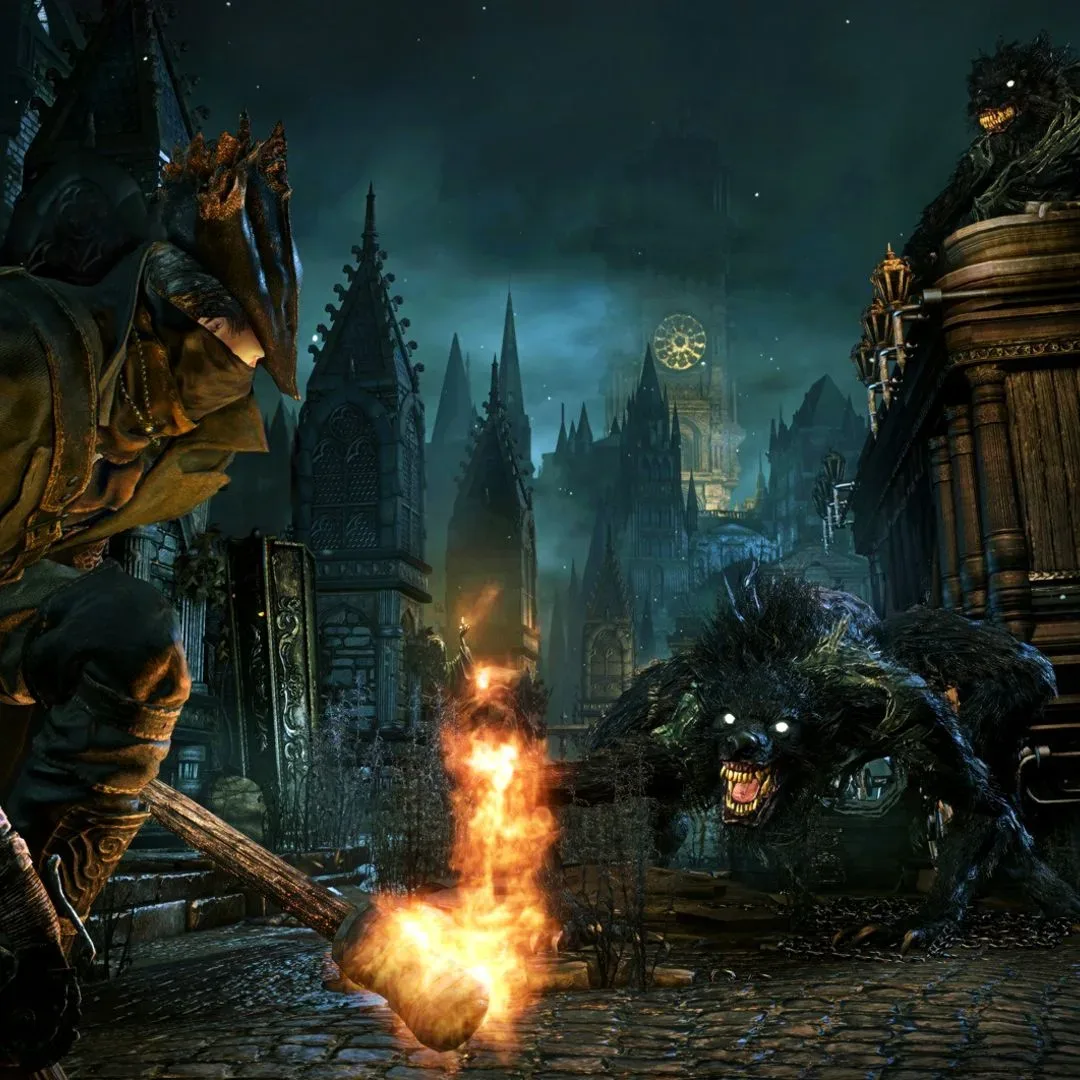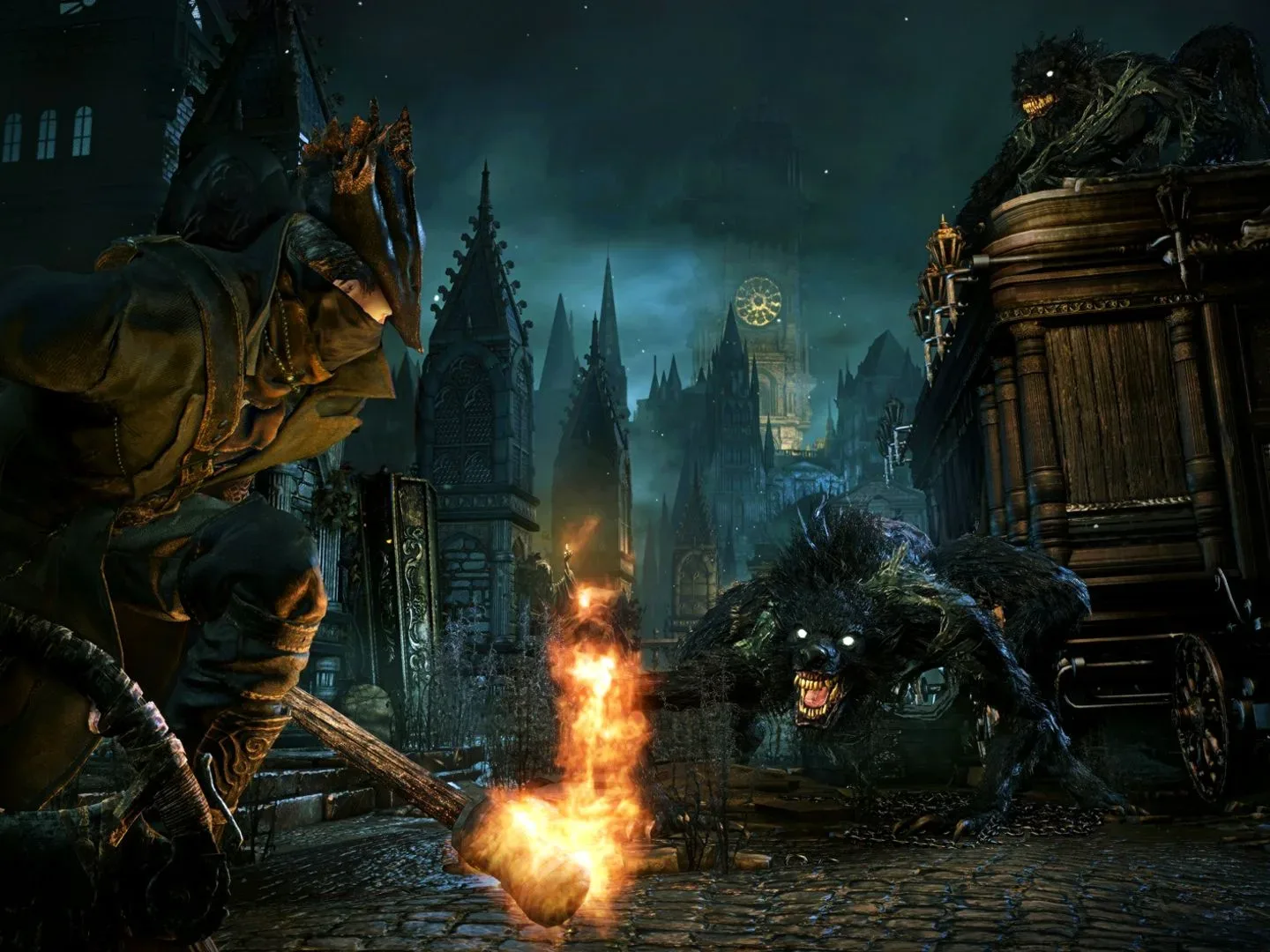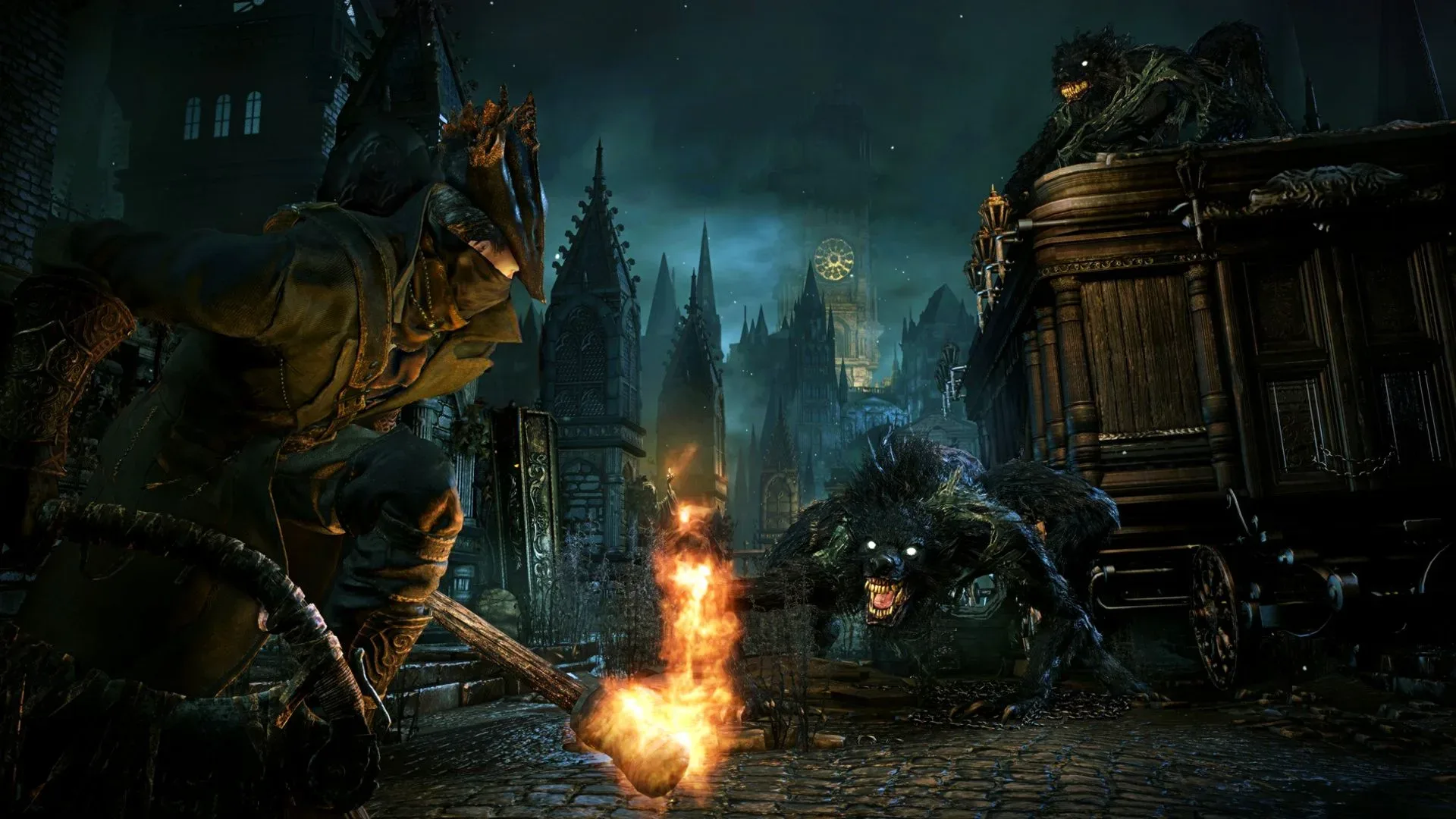
A project calling itself The Hunter’s Dream is promising a route to play Bloodborne on PC with features including multiplayer, keyboard-and-mouse controls, Windows support, and Linux compatibility that extends to Steam Deck. For a game that still has no official PC release, that is exactly the kind of feature list likely to make fans sit bolt upright, spill their Blood Vial, and begin examining every download button with the intensity of a hunter inspecting a suspiciously cheerful NPC.
But the project’s reception has turned sharply skeptical. The central dispute is not simply whether The Hunter’s Dream works as advertised, nor only whether it is a conventional port. It is the reported scale of its use of generative AI: the project creator’s GitHub credits Claude, the AI system, across nearly every part of the work.
That attribution has become the defining issue for many community members. Rather than treating AI assistance as an invisible convenience, critics are reading the credits as an unusually direct statement about how the project was made—and questioning whether an AI-heavy project deserves the same trust as emulator development conducted by human contributors.
What The Hunter’s Dream says it can do
The Hunter’s Dream is presented as a multiplayer emulation project rather than an official release or a native PC version from FromSoftware or PlayStation. Its listed ambitions are broad: multiplayer functionality, keyboard and mouse input, Windows and Linux support, and Steam Deck compatibility. The pitch is not merely “the game runs”; it is a claim to provide a PC-friendly experience with many of the conveniences players would expect from a purpose-built release.
That distinction matters. A native port is software adapted to run directly on a target platform, usually with the original developer or rights holder changing and maintaining the game’s code for that platform. Emulation, by contrast, means recreating the behavior of one system in software so that programs designed for that original system can run elsewhere. The two can look similar from a player’s perspective, but their technical foundations, development processes, and legal circumstances are not interchangeable.
Commenters have challenged the way the project is framed, with one response arguing that it is not a native port and instead amounts to AI-derived material from an emulator. That is an important objection because it goes to expectations: someone seeing a feature-heavy “Bloodborne PC” headline may imagine an independently engineered PC build, while a project based on emulation carries different limitations, dependencies, and questions.
The supplied information does not establish how well The Hunter’s Dream performs, whether every advertised feature functions consistently, or how its technical work compares with other efforts. Those are precisely the details potential users should avoid assuming from a feature list alone.
Why the AI credits are causing such a strong reaction
Generative AI can be used in software work for tasks such as drafting code, suggesting fixes, explaining unfamiliar systems, or producing documentation. But “AI was used” is a much broader statement than it initially sounds. The practical and ethical implications depend on what the system was asked to do, how much generated output made it into the project, how carefully a human checked that work, and whether the final result is safe, stable, maintainable, and accurately credited.
Related coverage includes Bloodborne PC Project Faces Backlash Over Reported Generative AI Use.
Here, the concern is heightened because Claude is reportedly credited as a contributor in virtually every aspect of the project. To some fans, that does not read as a developer using a tool for a few routine tasks. It reads as a project whose scope and presentation may have been substantially assembled through AI output.
The public response has been blunt. One commenter dismissed the project as AI-produced material pulled from an emulator. Another said they would rather use an emulator “made by humans.” Other replies similarly focused on Claude’s involvement rather than celebrating the project’s multiplayer or platform claims.
There is a practical side to that response as well as an emotional one. Community-made emulation software often depends on trust: trust in the people maintaining it, trust that contributors understand the systems they are working with, trust that bug reports will receive informed attention, and trust that a project’s origins and capabilities are described plainly. If users believe a project has relied excessively on generated code, they may worry about bugs, security, long-term maintenance, and whether anyone involved can clearly explain or repair what is under the hood.
None of those concerns prove that a given AI-assisted project cannot function. Nor does the available information independently establish a specific flaw in The Hunter’s Dream. The point is narrower: the disclosed reliance on Claude has changed the burden of confidence for a portion of the audience. For them, impressive-sounding support for multiplayer and multiple operating systems is not enough by itself.
Multiplayer makes trust more important, not less
Multiplayer is especially eye-catching in the project’s claims because online functionality is more demanding than launching a game locally. It can involve connecting players, synchronizing what happens in their respective sessions, handling network problems, and keeping shared systems operating predictably. A multiplayer claim therefore signals ambition—but it also gives players additional reasons to ask careful questions before putting their time, hardware, and game files into a project.
That does not mean players should treat every ambitious fan effort as suspect. It means the bigger the promise, the more value there is in transparent documentation, precise terminology, and clear explanations of what the project does and does not provide. In this case, the conversation has become dominated by whether the development approach itself inspires confidence.
The hardware angle should not be overlooked either. PC players are already making decisions around components and compatibility, particularly as broader PC-build costs shift; rising RAM prices are reshaping some upgrade plans. A claimed Steam Deck and Linux option can be genuinely appealing, but compatibility statements are not a substitute for clarity around the project’s technical basis or the risks of using unofficial software.
Ownership requirements are still part of the picture
One commenter also noted that users would still need an original copy of Bloodborne and an e-boot from their own PlayStation 4. That detail is significant because it pushes back against the idea that this is a simple, official-style PC release ready for anyone to install.
The need for original game material and console-related files introduces practical hurdles. It also makes clear that The Hunter’s Dream, whatever its capabilities, is not an authorized replacement for the original game. The supplied information does not provide legal guidance, and the legality of emulation-related activity can depend on jurisdiction and the exact files, tools, and methods involved. Anyone considering unofficial projects should understand that ownership of a game does not automatically answer every legal or technical question around extracting, using, or distributing associated files.
For ordinary players, the less glamorous takeaway is probably the most useful: do not interpret a PC-project announcement as confirmation of an official port, a sanctioned remaster, or a frictionless alternative to playing on original hardware.
The official Bloodborne question remains unanswered
The intensity around a project like The Hunter’s Dream exists because the official situation has not changed. Bloodborne is not officially available on PC. There is also no supplied evidence of an announced official remaster or PC edition.
Even former PlayStation executive Shuhei Yoshida has described the absence of a remaster or PC version as “a complete mystery.” That does not reveal a hidden plan, a licensing problem, or a release timetable. It simply underlines how little explanation has been made public and why years of demand have not produced a clear answer.
When a major game remains unavailable on a desired platform, the vacuum is often filled by fan efforts, technical projects, rumors, and hopeful interpretation of any claimed breakthrough. That energy can be productive, but it can also make careful wording more valuable. “PC port,” “emulator,” “compatibility layer,” and “multiplayer project” are not interchangeable labels, especially when fans are deciding what to install and what claims to trust.
What players should take from the controversy
The Hunter’s Dream may have captured attention because its advertised scope is unusually attractive: a beloved PlayStation exclusive, PC controls, Linux and Steam Deck support, and multiplayer in one package. Yet the reaction shows that features alone cannot settle whether a fan project earns goodwill.
- Read the terminology carefully. A project described as emulation should not be assumed to be a native PC conversion.
- Treat broad compatibility claims as claims, not guarantees. The available information does not independently verify performance or feature completeness.
- Pay attention to development disclosure. Reported extensive Claude credits are the main reason many fans are withholding trust.
- Remember the ownership requirement. The project is not presented as a standalone official PC release and reportedly requires original-game and PS4-related material.
- Separate demand from confirmation. Fans still want an official release, but no official PC version or remaster is established here.
There is no shortage of appetite for Bloodborne on PC. What this episode demonstrates is that the community’s standard is not merely access at any cost. For many players, the origin of a tool, the people responsible for it, and the honesty of its presentation matter just as much as a checklist promising multiplayer and Steam Deck support.