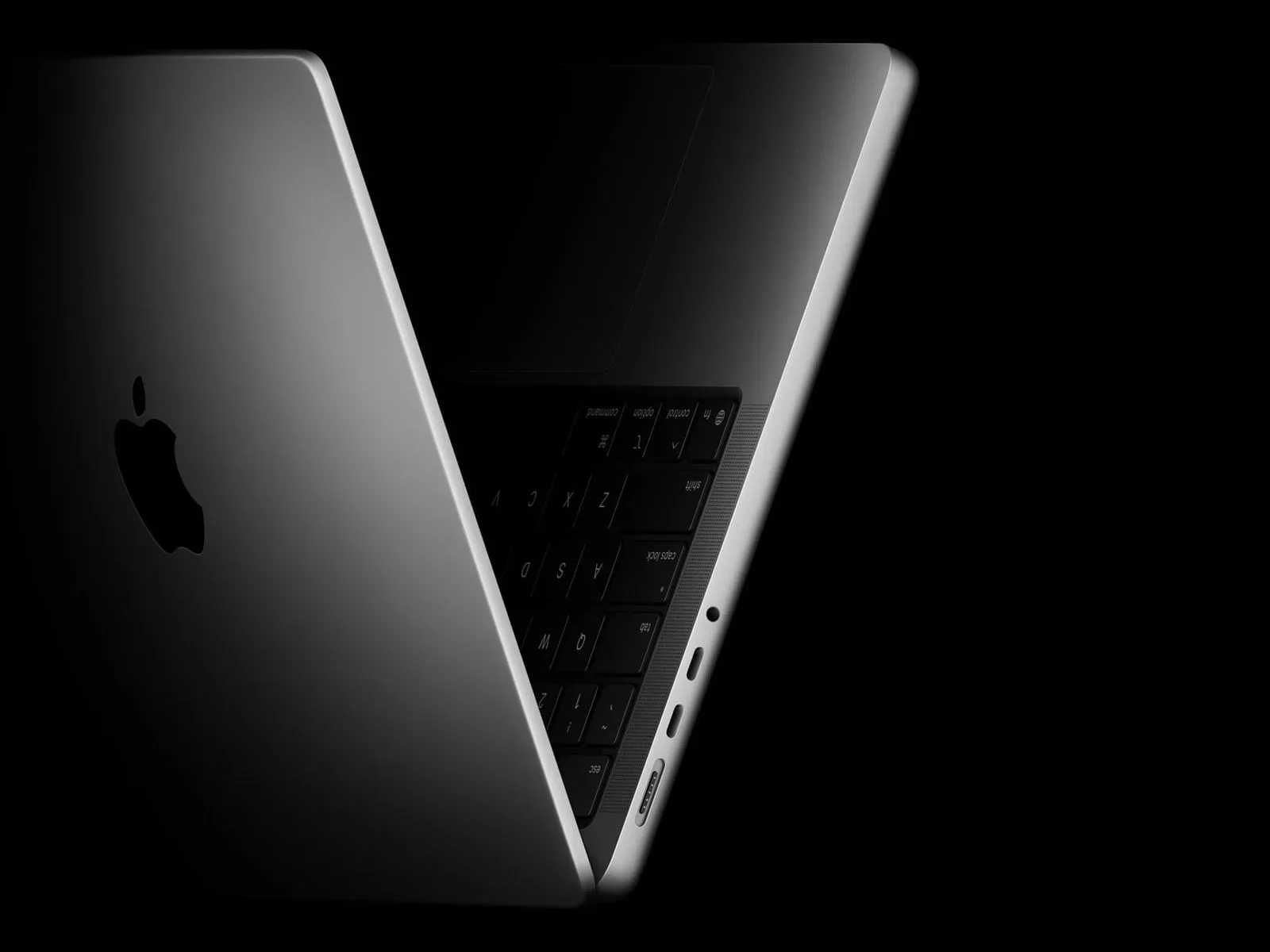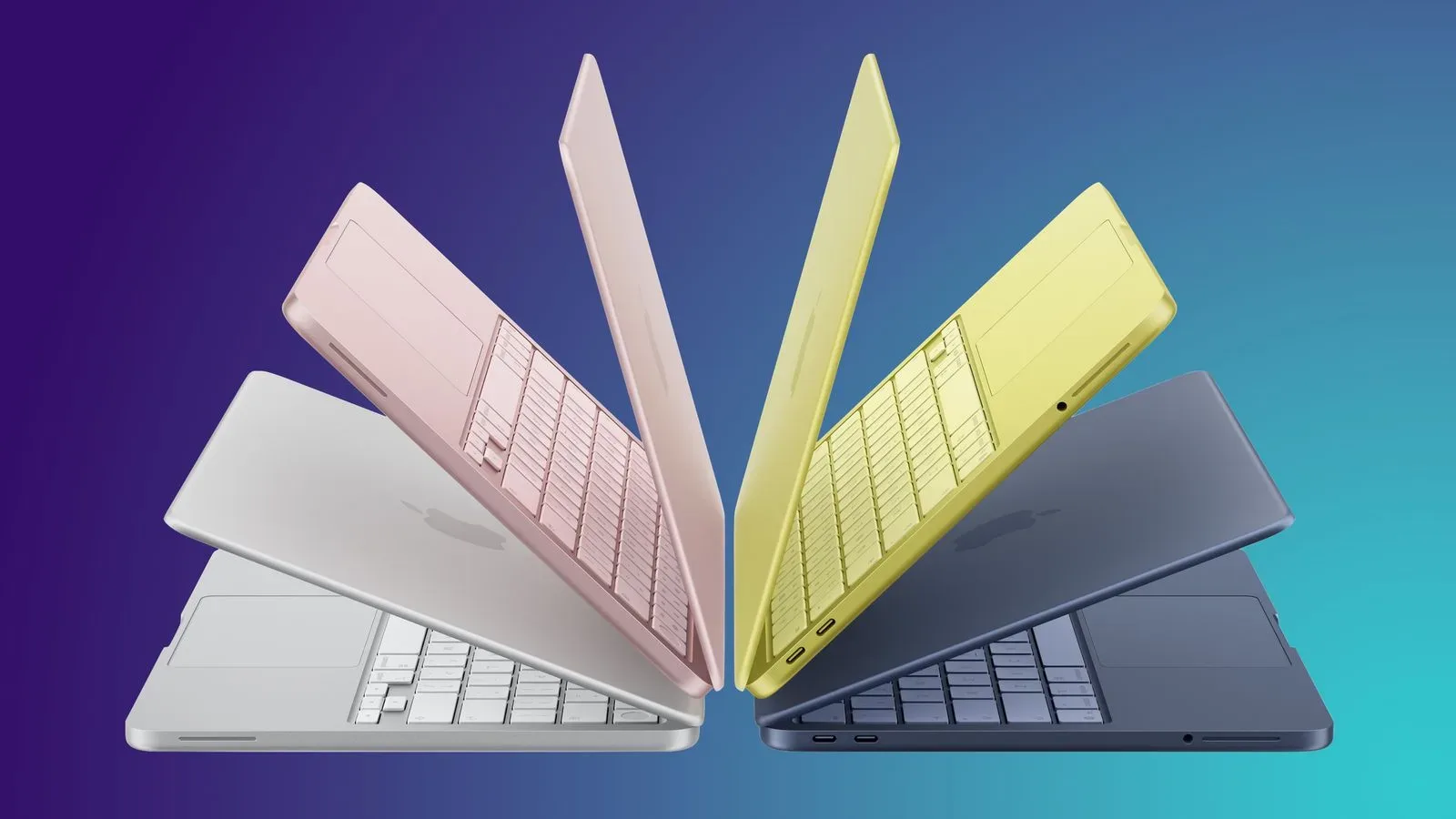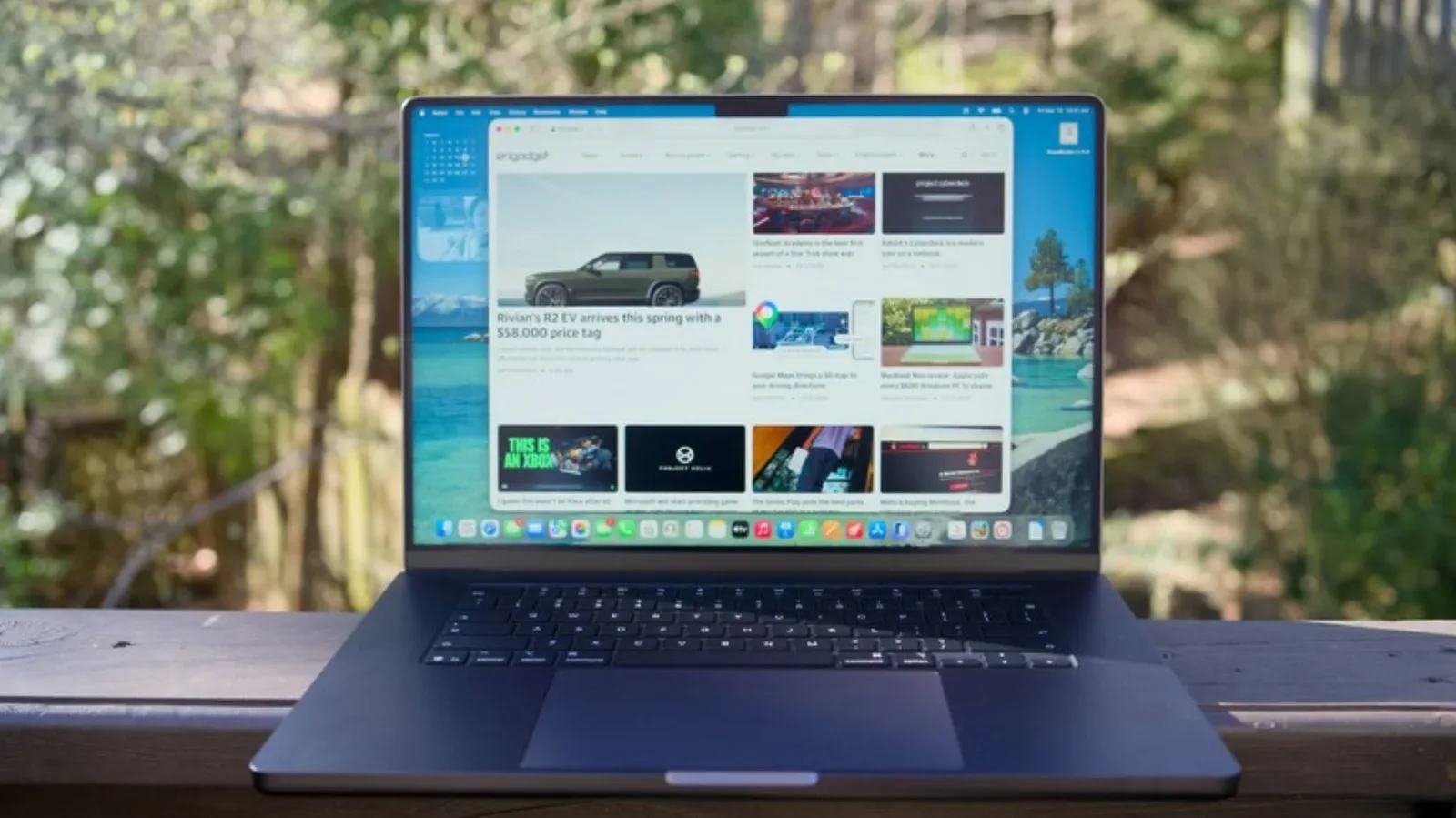
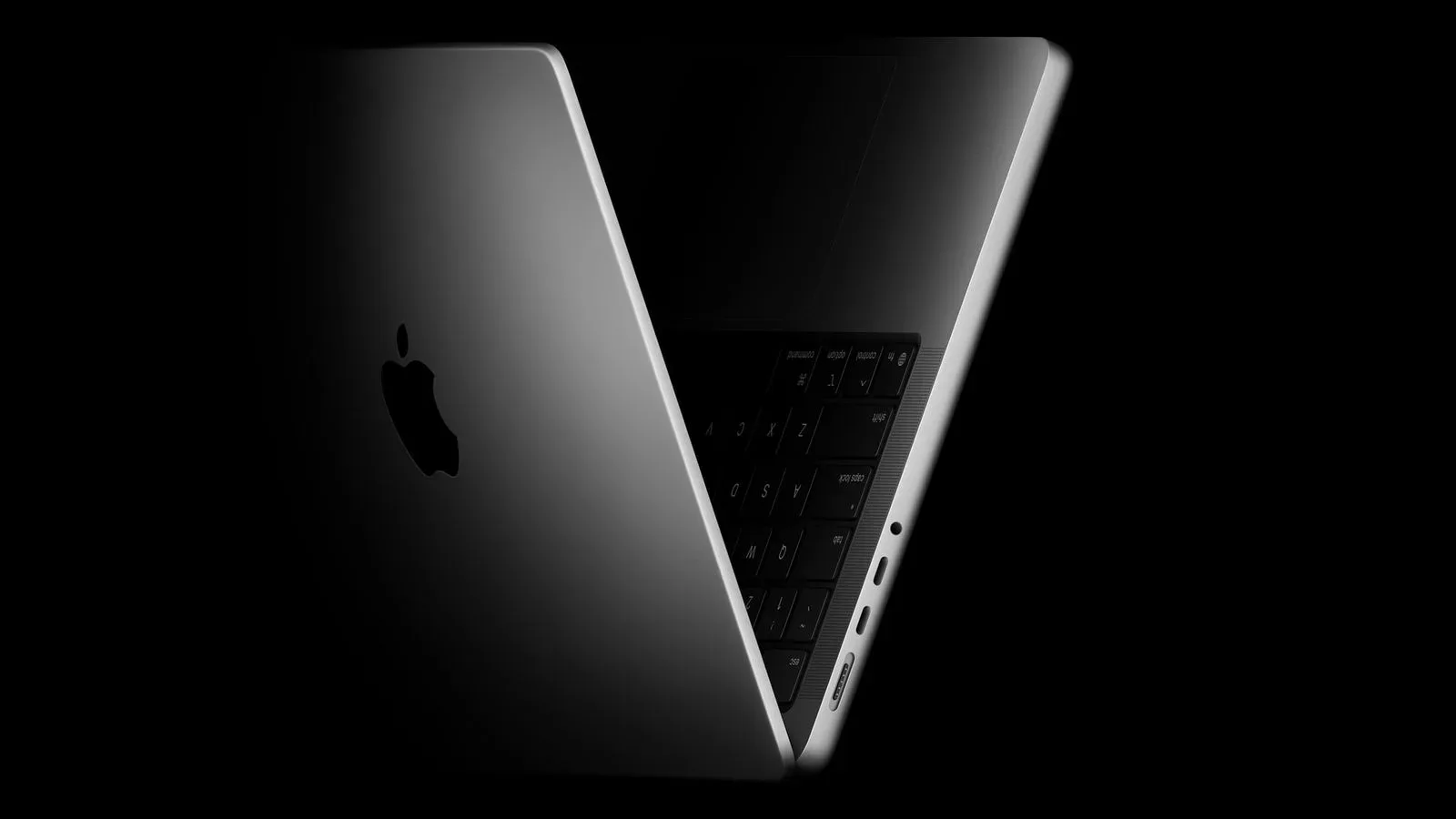
Apple says it has set a new annual Mac sales record. During its earnings call this week, chief executive John Ternus said the company sold more Macs in fiscal 2026 than it had in any earlier fiscal year.
That is a notably broad claim: it concerns the full Mac lineup over an entire fiscal year, rather than a single model, quarter, region, or retail channel. Apple did not provide a unit total in the information available here, so the scale of the new high cannot be independently quantified from this announcement alone. Still, the company’s language establishes that fiscal 2026 surpassed every previous fiscal year for Mac sales.
“We have never sold more Macs in a fiscal year than we did this time,” Ternus said on the call, describing the outcome as evidence of the appeal of Apple’s products.
A record achieved amid supply constraints
The record matters in part because Apple said several Mac models encountered supply constraints during the year. A supply constraint means demand and/or production logistics can limit how many units reach buyers during a given period. In practical terms, constrained inventory can mean some prospective customers must wait, choose another configuration, or delay a purchase.
Apple has not specified in the supplied information which models were constrained, how long those constraints lasted, or how many sales may have been affected. Those unanswered details make it inappropriate to draw firm conclusions about the severity or cause of the shortages. But the basic contrast is clear: the company says it recorded its best fiscal year for Mac sales even while availability was not frictionless across the range.
For the PC and gaming-adjacent audience, the distinction is worth keeping in mind. Hardware sales records reflect completed purchases, not simply interest. If inventory was tight for parts of the lineup, then the annual total was reached despite at least some barriers between interested customers and a machine they wanted to buy.
MacBook Neo and MacBook Pro named as recent drivers
Chief financial officer Kevan Parekh identified the MacBook Neo and MacBook Pro as recent contributors to Mac sales momentum. The statement does not divide sales between the two products, and it does not establish that they were the only models responsible for the annual record. It does, however, give the clearest indication of where Apple sees recent demand concentrating.
The MacBook Pro is Apple’s performance-oriented notebook line, a category relevant to people whose desktop and laptop time can overlap with creative production, game development, streaming work, editing, and other demanding tasks. The information supplied does not provide specifications, configurations, or performance claims for any MacBook Pro model, so the record should not be read as proof of a particular technical advantage.
Likewise, Apple’s mention of the MacBook Neo signals popularity, but not the precise reason buyers selected it. The earnings-call comments offer no breakdown by customer type, geography, price tier, or use case. It would be speculation to turn a sales comment into a detailed picture of who bought each machine and why.
What fiscal-year language does—and does not—tell us
“Fiscal year” is a company reporting period, not necessarily the same span as a calendar year. That framing is important because Apple’s claim compares like-for-like annual reporting windows. It does not mean that Mac sales in every individual quarter set a record, nor does it reveal whether demand rose consistently throughout the year.
It also does not settle questions about the wider PC market. Apple’s statement describes Apple’s own Mac results. It is not, on its own, evidence that every PC maker, operating system, form factor, or gaming hardware segment experienced identical conditions. A company can post a record through the mix of products it sells and the demand it captures without that result applying universally across the industry.
For readers comparing platforms, the practical takeaway is narrower but still meaningful: Apple reports unusually strong demand for its Mac ecosystem, with two notebook families singled out in recent sales commentary. That may matter to developers and software makers deciding how much attention to give Mac users, but it is not the same as an announcement of new gaming features, dedicated gaming hardware, or platform-policy changes.
Why the result is relevant beyond Apple’s quarterly script
Mac sales are not a direct measure of game sales, but a larger active customer base can be relevant to the businesses that support a computer platform. Developers, tools providers, peripherals makers, and storefront operators all make decisions partly around the number and type of machines in use. Apple’s report is one data point suggesting that the company’s notebook business has had a strong year.
There is also a useful reminder here about interpreting corporate earnings-call statements. These calls can provide material information about performance and priorities, yet they often operate at a high level. The supplied remarks establish a fiscal-year sales record, acknowledge supply limits, and point to the MacBook Neo and MacBook Pro as recent drivers. They do not provide the deeper data needed to rank individual models, evaluate buyer retention, measure gaming usage, or forecast what comes next.
That caution is especially important when a headline includes the word “record.” A record is a backward-looking milestone. It confirms what Apple says happened during fiscal 2026; it does not guarantee the same growth rate, sales total, or supply situation in a later period.
Elsewhere in the PC space, platform operations can face their own scaling pressures, as seen in ongoing discussion around Steam approval delays and review resources. Apple’s Mac result concerns computer sales rather than game submissions, but both stories illustrate a simple industry reality: demand is only part of the equation. Supply, support capacity, and the systems behind a platform all shape how that demand is ultimately served.
The details still to watch
Apple’s announcement leaves several major questions open. No Mac unit-sales figure was included in the supplied material. There is no revenue figure attached to the claim, no regional split, and no account of which constrained models had the greatest impact. There is also no indication of how MacBook Neo sales compare with MacBook Pro sales, or whether desktops played a substantial role in the record.
Those limits do not weaken the central news: Apple says fiscal 2026 was its biggest Mac sales year on record. They simply define what the statement can responsibly support. The strongest reading is also the simplest one: Apple reports record annual Mac sales, achieved while some models faced constrained supply, with recent demand for MacBook Neo and MacBook Pro helping power the result.