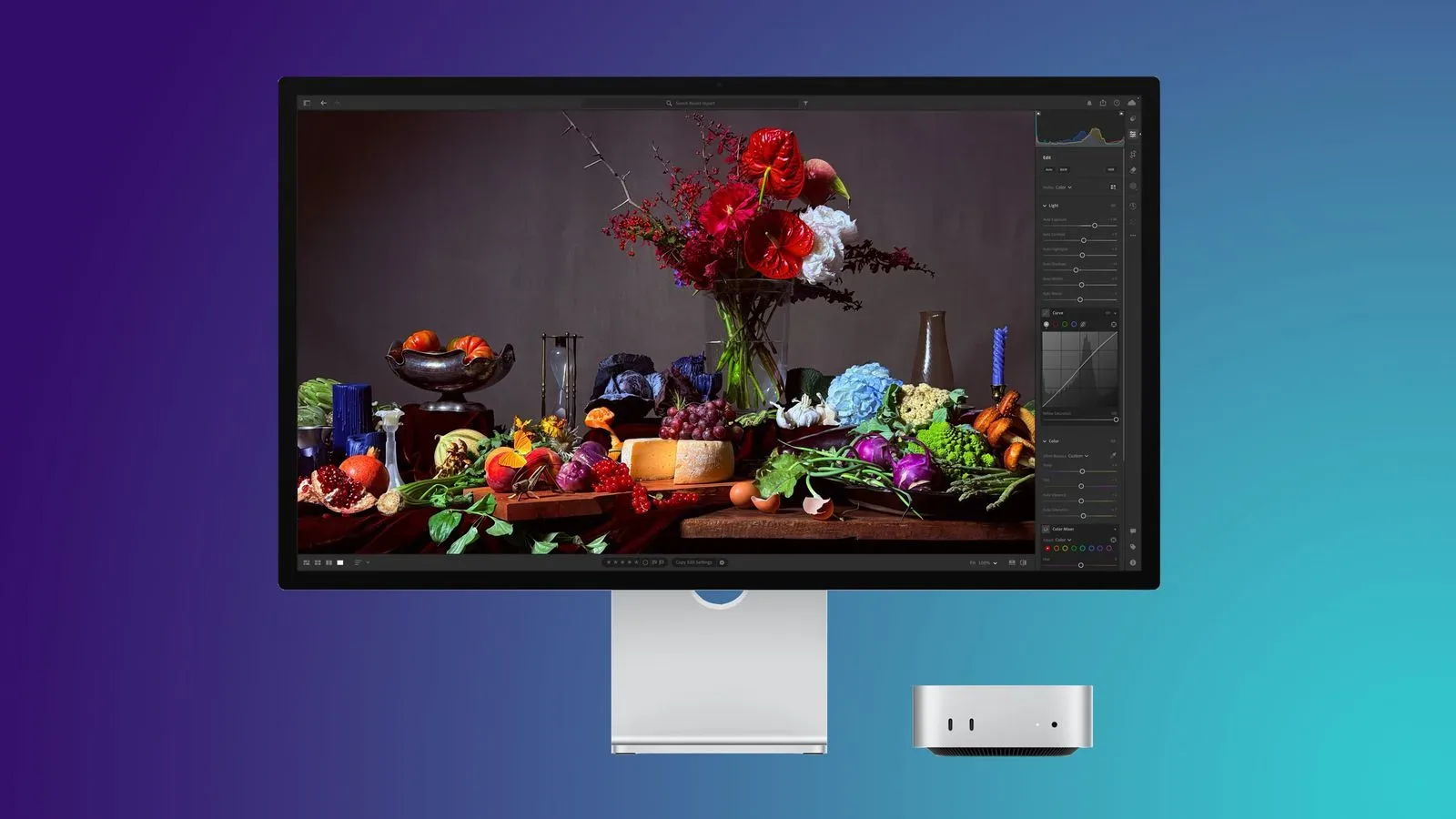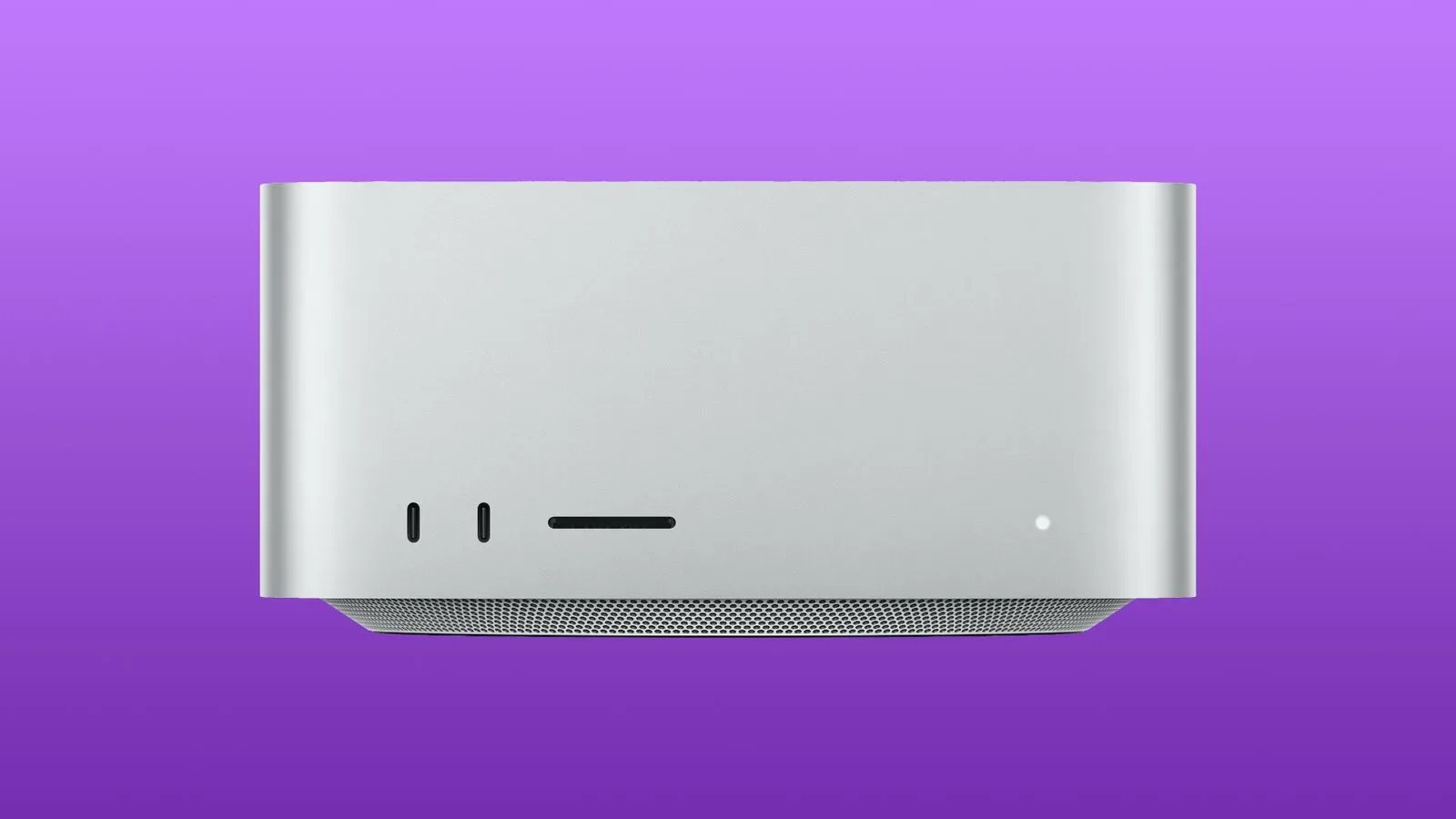
Fresh desktop hardware rarely spends much time at full price before a retailer decides to tap the “tiny discount, enormous temptation” button. Amazon has listed pre-order savings on select 2026 Apple desktop configurations, including an M5 Max Mac Studio and two versions of the M6 Mac mini. The computers are due to officially launch on September 22, 2026, so these are advance-order price reductions rather than discounts on machines already sitting on a desk and rendering a 4K timeline.
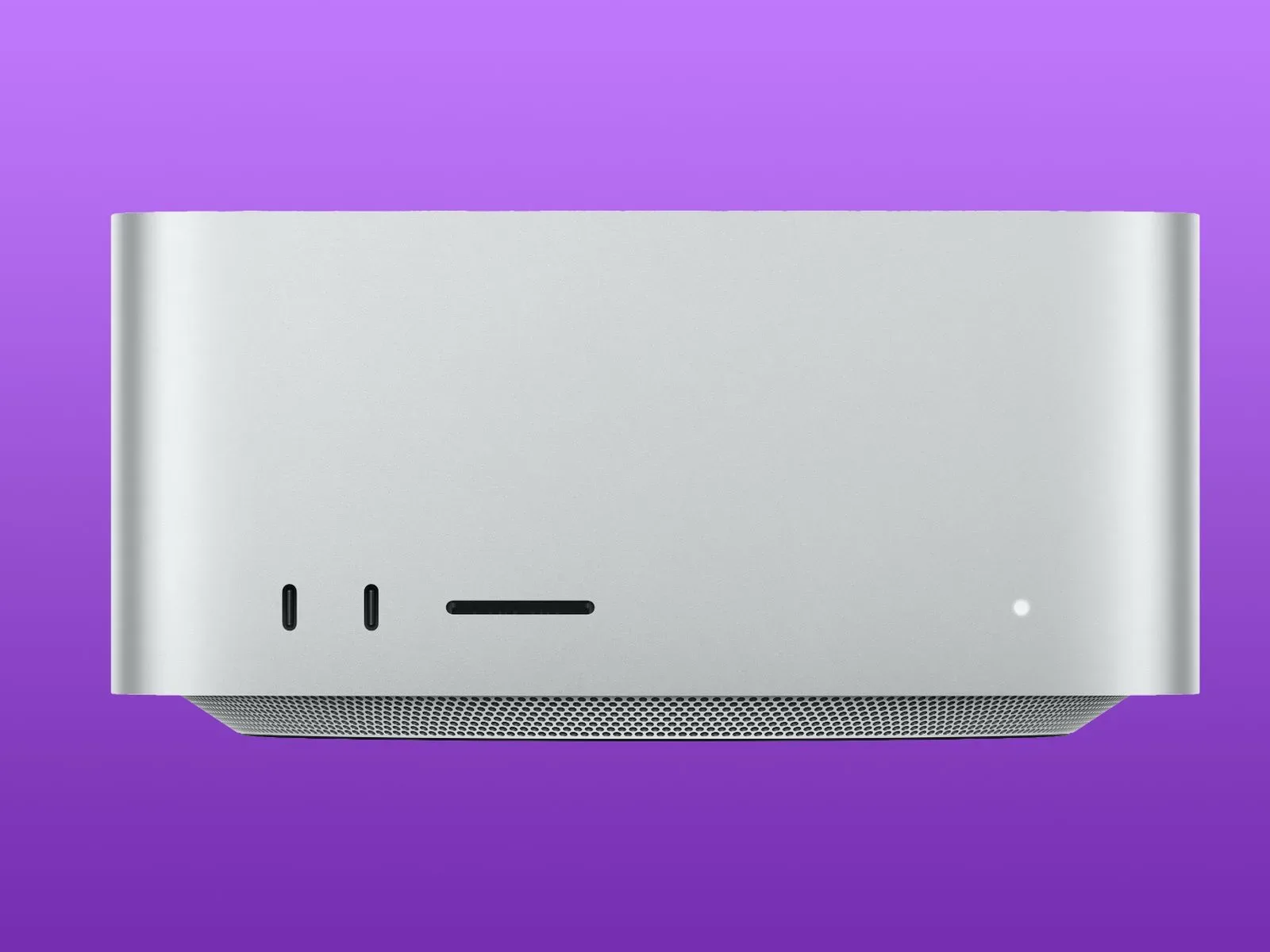
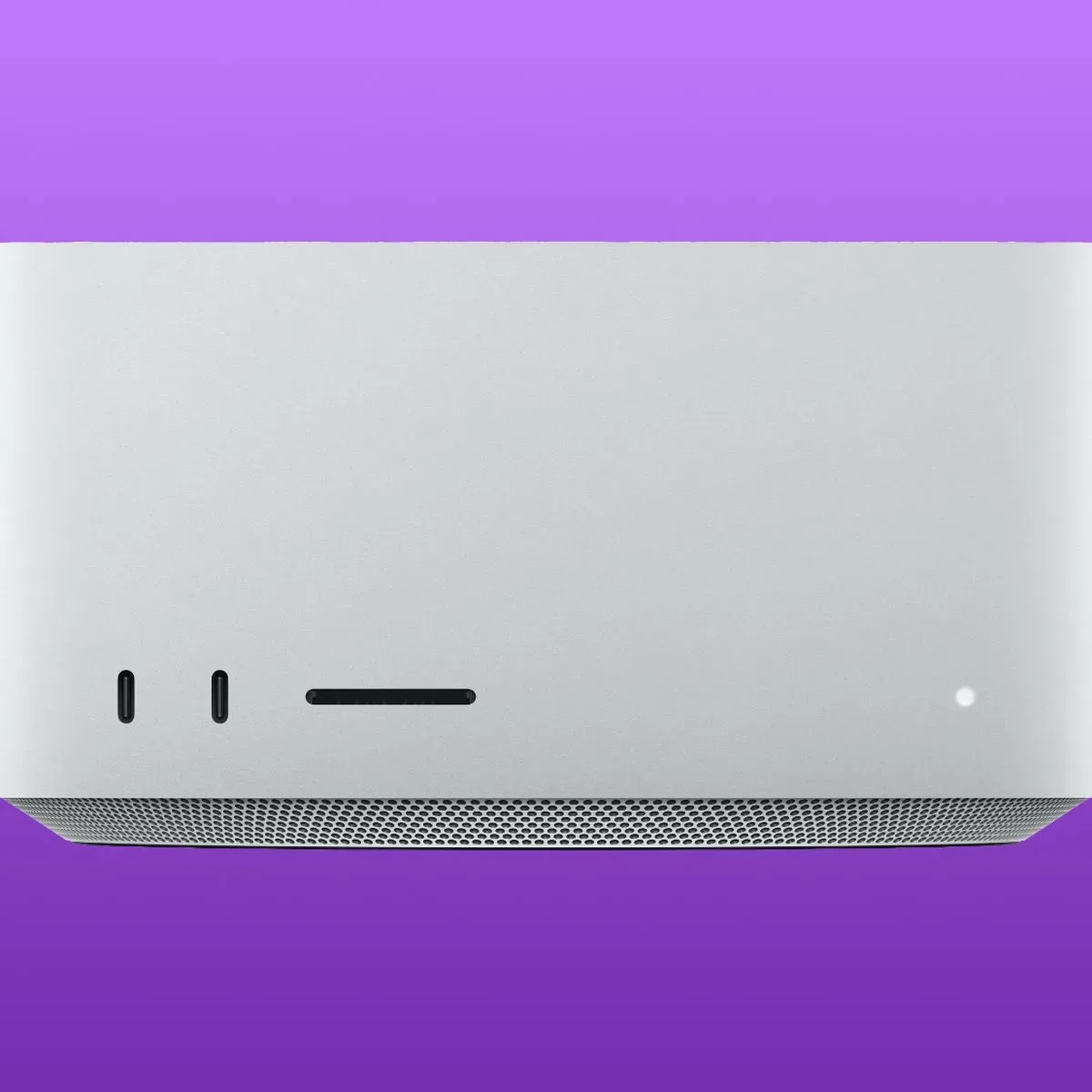
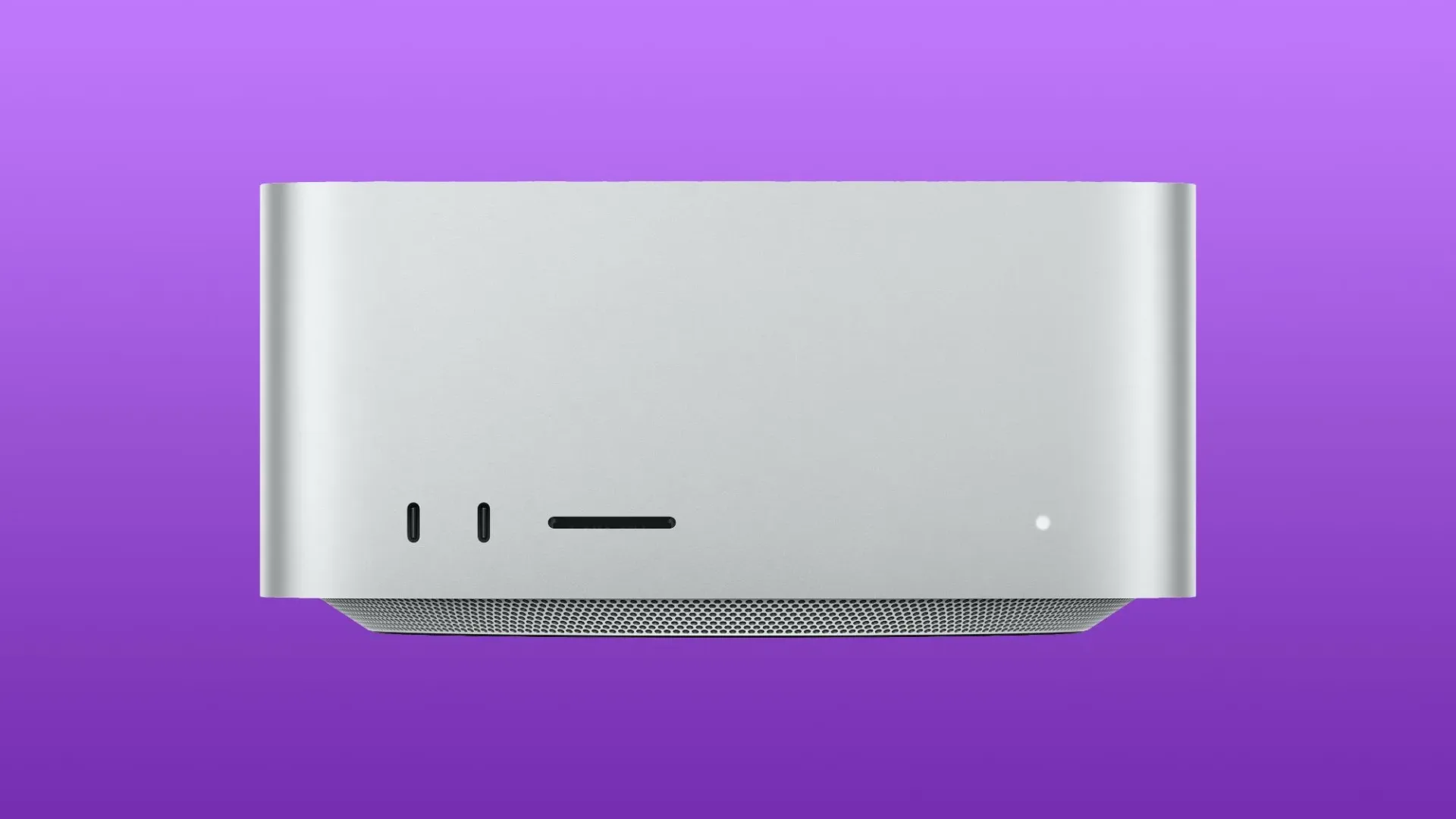
The most substantial machine in the small group is the Mac Studio configuration with Apple’s M5 Max chip, 36GB of RAM, and a 512GB SSD. Its listed pre-order price is $2,449.99, which is $49 below its $2,499 price. That is not a seismic cut on a desktop at this level, but it is still a straightforward reduction for someone who had already settled on this particular memory-and-storage combination.
Meanwhile, the smaller Mac mini is receiving modest reductions on two M6 configurations. The model with 16GB of RAM and a 256GB SSD is listed for $879.99, down from $899, while the 16GB RAM and 512GB SSD version is listed at $1,069.99, down from $1,099. In other words, the first saves $20 and the second saves $30. The humble mini computer has apparently found loose change in the couch cushions, and Amazon is passing it along.
The listed Mac desktop pre-order prices
- Mac Studio: M5 Max, 36GB RAM, 512GB SSD — $2,449.99, reduced by $49 from $2,499.
- Mac mini: M6, 16GB RAM, 256GB SSD — $879.99, reduced by $20 from $899.
- Mac mini: M6, 16GB RAM, 512GB SSD — $1,069.99, reduced by $30 from $1,099.
All three listings should be viewed in the proper light: they concern specific configurations. Desktop buyers should not assume every M5 Max Mac Studio or every M6 Mac mini has the same reduction, nor should they treat a lower entry price as proof that a different memory or storage option represents the better deal. With compact desktops, configuration is the game. The external box may look wonderfully uncluttered, but the choices made before checkout can matter for years.
What the M6 Mac mini performance claims actually compare
Apple has described the M6 Mac mini as offering up to 40% faster CPU performance, up to four times faster AI-task performance, up to twice the graphics performance, and up to twice the storage speed. Those figures are comparisons with a previous Mac mini configuration equipped with a 10-core M4 chip, 32GB of unified memory, and 2TB of storage.
That comparison detail is important. “Up to” claims describe a best-case result under particular workloads and configurations; they are not a guarantee that every task will finish in precisely half the time, or that every owner will see four times the AI speed. The reference system also has more memory and vastly more storage than either discounted M6 model listed here. It is useful information about Apple’s stated generational ambitions, but not a magic spell that erases the practical differences between 256GB, 512GB, and 2TB of storage.
For a buyer choosing between the two discounted Mac mini models, the immediately visible distinction is storage: 256GB versus 512GB. The RAM amount is the same at 16GB. That means the $30 gap is specifically tied to moving from the smaller SSD capacity to the larger one. Whether that is worthwhile depends on what is expected to live locally: applications, games, project files, captured media, and the intimidating collection of folders named “final_FINAL_reallyfinal.”
Why pre-order savings deserve a little patience
A pre-order price reduction can be appealing because it lowers the cost before the product’s official release. It can also be easy to overread. These listings establish the prices described above, but they do not settle every purchasing question that can arise between now and launch. Availability, delivery timing, configuration selection, and retailer terms are all things shoppers should check directly at the time they place an order.
It is also sensible to verify the exact chip, RAM, and SSD capacity shown in the cart. Product families have similar names, and compact systems can look nearly identical in a listing grid while serving very different needs. The $2,449.99 Mac Studio is explicitly the M5 Max, 36GB RAM, 512GB SSD model. The Mac mini offers cited here are explicitly the 16GB/256GB and 16GB/512GB versions. A discount only means what it says after the specifications match the intended purchase.
For anyone building a workstation around a new desktop, the computer is only part of the budget. Existing displays, drives, input devices, docks, networking equipment, and software requirements can all influence which model makes the most sense. This is especially true for people moving from a laptop-centric setup, where a display and accessories may not already be waiting in the wings like a pit crew with USB-C cables.
Mac mini or Mac Studio: the deal list does not make the decision for you
The listings create a clear price separation. The discounted M6 Mac minis land below $1,100, while the discounted M5 Max Mac Studio sits at $2,449.99. That difference reflects more than the amount of empty air inside the enclosures; these are distinct classes of desktop configuration. Still, the appropriate choice is not automatically the most powerful option or the lowest-priced one. It is the configuration that aligns with a buyer’s work, storage needs, and expected lifespan for the machine.
The Mac mini options may attract people who want a compact desktop with a defined 16GB memory configuration and either 256GB or 512GB of internal storage. The Mac Studio listing, with its M5 Max chip and 36GB RAM, is the more expensive proposition in this set. Beyond those concrete specifications, shoppers should avoid filling in blanks with assumptions. This set of listings does not establish benchmark results, game performance, port details, thermal behavior, or a complete comparison of every available 2026 configuration.
That restraint is not glamorous, but it is useful. New hardware coverage can quickly turn every percentage into a victory parade and every small price cut into a once-in-a-generation event. Here, the numbers are more grounded: $49 off one specified Mac Studio, $20 off one Mac mini, and $30 off another. Buyers already planning to pre-order may appreciate that head start. Those still deciding can treat the listings as a current pricing reference rather than a deadline imposed by a flashing red button.
A familiar pattern for Apple hardware listings
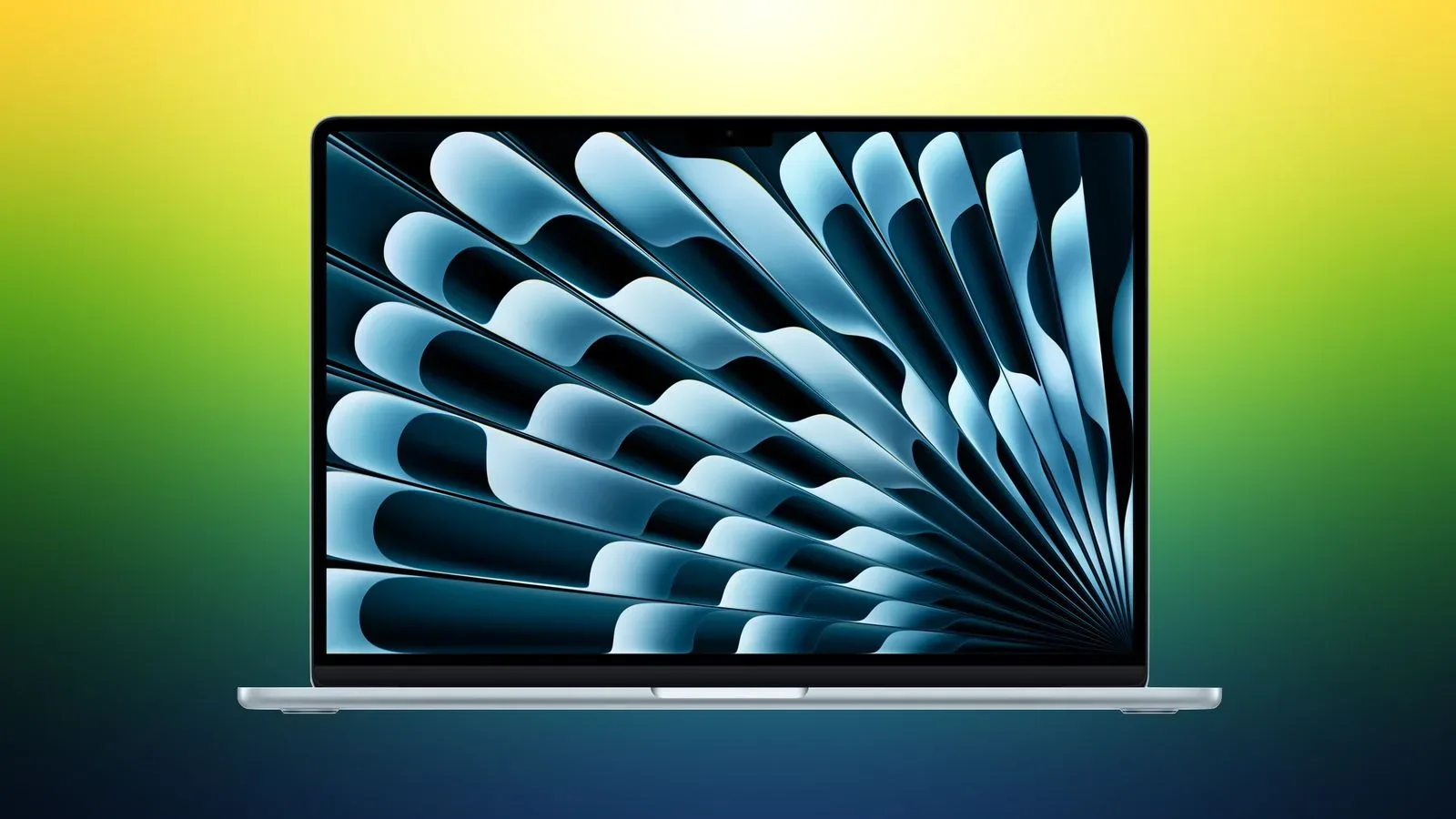
Early retailer reductions are not unheard of in the Apple ecosystem, and the current desktop offers arrive alongside other recently observed Mac pricing activity. For shoppers comparing a portable machine against a stationary setup, Joking Joystick has also covered Amazon listings for discounted M5 MacBook Air configurations. The desktop-versus-laptop question remains personal: portability changes the equation, while a compact desktop can fit neatly into a more permanent workspace.
The key date for the new Mac mini and Mac Studio is September 22, 2026. Until then, these are pre-orders, and the displayed reductions should be checked again before buying. For now, the practical snapshot is simple: Amazon’s listed prices bring the M5 Max Mac Studio configuration to $2,449.99 and the two M6 Mac mini configurations to $879.99 and $1,069.99, respectively. Not every deal needs confetti cannons. Sometimes it is just a few dollars off a very serious aluminum rectangle, quietly waiting for launch day.
Shop the products
Check current price, model and availability at the retailer.