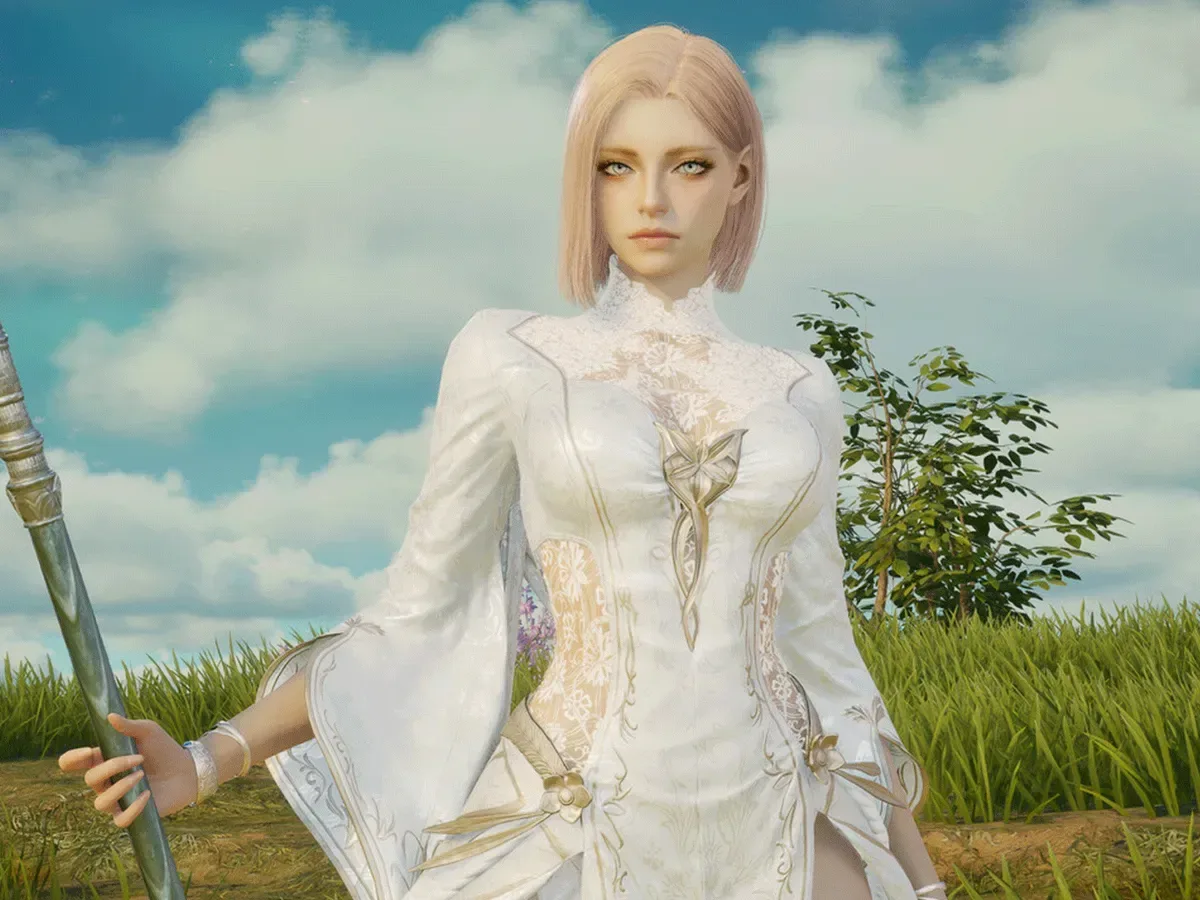
Aion 2 has found an unexpectedly potent way to get people talking: not a raid, a faction showdown, or a combat showcase, but a character-creation slider.
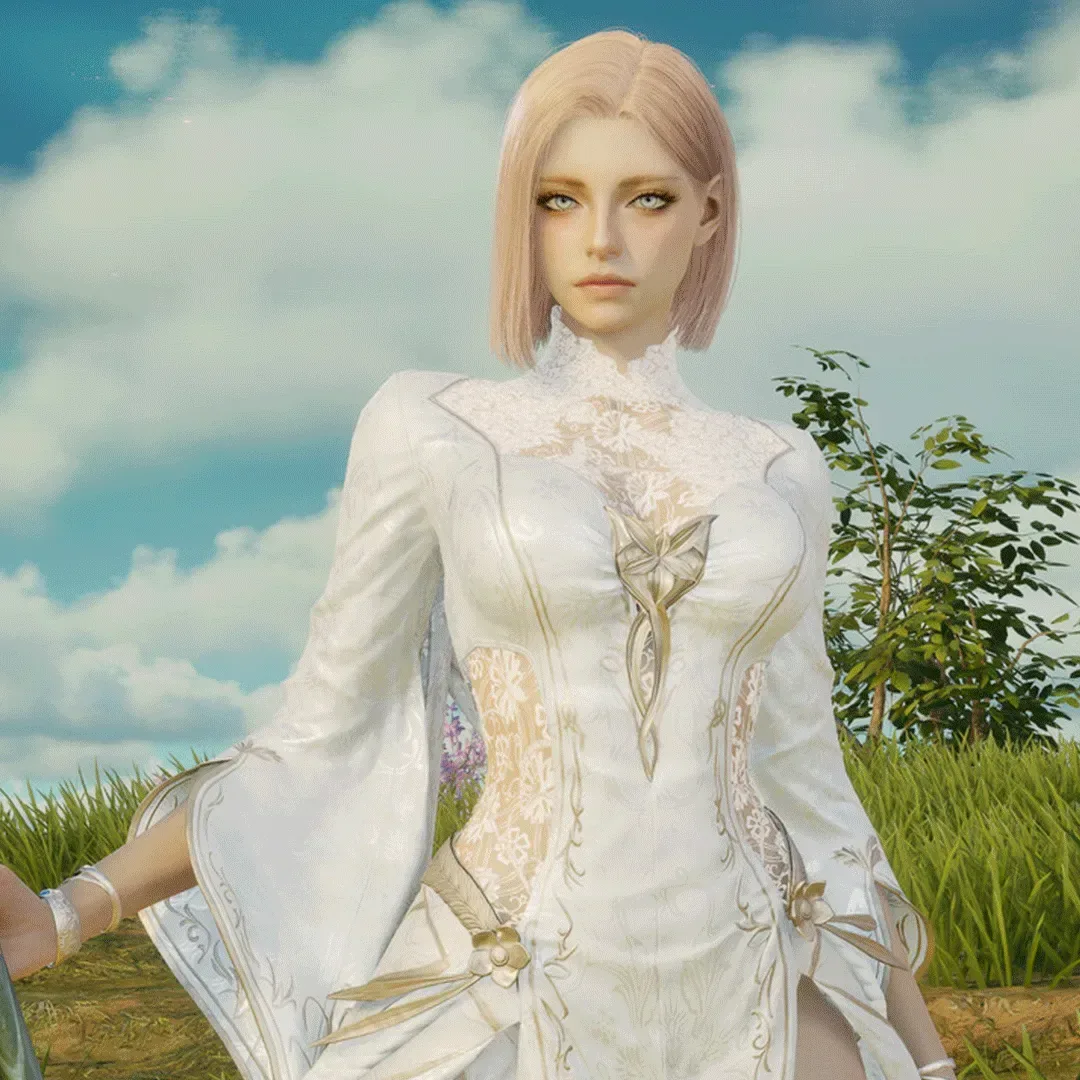
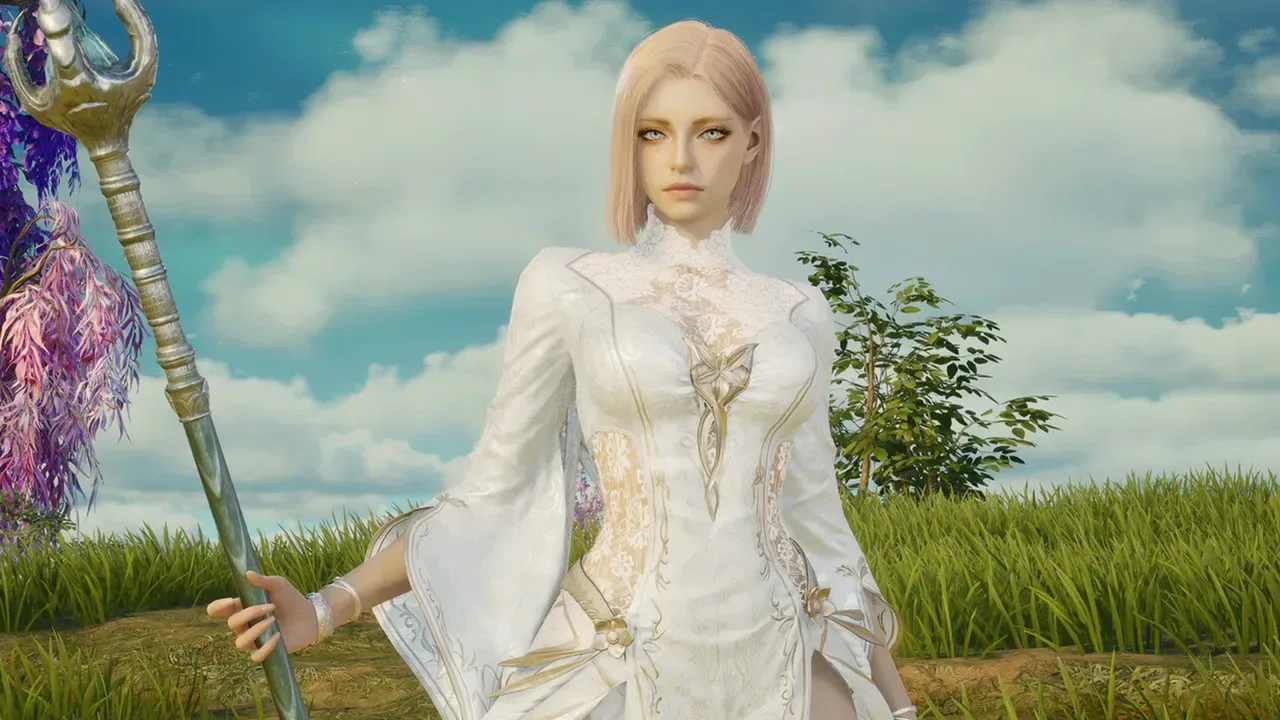
The free-to-play MMO action RPG, released October 5 by South Korean developer NC, has circulated widely through clips of players pushing the female character creator’s bust-size option to its apparent upper extreme. The immediate reaction has largely been jokes—many players have framed the creator itself as an activity likely to delay the moment they actually begin playing. But the same footage has prompted a more serious criticism: players say the slider’s lowest available setting does not appear to let them create a character with a small bust.
That distinction matters. A broad numerical range is not automatically broad representation if both ends of the range sit within a similar body type. In the discussion around Aion 2, the issue is not simply that the game permits exaggerated proportions. It is that players believe the default and minimum settings leave out a different, ordinary-looking option altogether.
For a game where players may spend substantial time looking at their own avatar, character-creator limits can become a design statement whether the developers intended one or not.
For more context, explore Apple Sets November 2 Q4 2026 Earnings Call, With iPhone 18 Pro Launch Week in Focus.
What the viral clips show—and what players are disputing
The clips making the rounds focus on a familiar character-creator tool: a slider, meaning a control that adjusts a visual trait along a set range. In this case, viewers have concentrated on the bust-size range. Players can use the control to make the character’s chest larger, and the maximum setting has naturally become the punchline in many shared videos.
However, criticism has centered on the lower boundary. Several players have said that the option described or presented as the minimum does not visually read as small. One widely shared response argued that appreciation for larger busts should not mean excluding smaller ones. Another commenter connected that perceived omission to wider anxieties around the body ideals games present, particularly for younger women.
The complaint has crossed language communities rather than staying confined to one social-media bubble. Japanese-language reactions likewise questioned whether the creator’s “minimum” was meaningfully minimal at all. That shared reaction is notable because it shifts the story away from a simple argument over one viral joke. The core point being raised is practical: can a player make the character they want to make?
Related coverage includes Aion 2 Character Creator Debate Grows Over Its Bust Size Limits.
There is an important boundary to keep in mind. The available information describes what players have observed in clips and in the creator; it does not establish why the range was designed this way, whether the settings differ by character type, or whether NC plans changes. Those are separate questions, and the current conversation does not answer them.
Why character-creator range is more than a cosmetic detail
Character creation is often treated as pre-game entertainment, but in an MMO it is also the foundation of a long-term player identity. An avatar is the player-controlled visual representation of a person in a game world. In a persistent online game, that avatar can be seen repeatedly through combat, exploration, menus, social spaces, screenshots, and group activities.
That makes customization a question of agency. Players do not all want the same thing from an avatar. Some aim for an idealized fantasy look; some make a character resembling themselves; others build a persona, recreate an archetype, or deliberately make something absurd. A robust creator does not need to make every choice aesthetically neutral, but it does need to give players enough room to move in meaningfully different directions.
That is why a slider that only runs from “large” to “very large,” if the circulating interpretations are accurate, draws criticism even from people who have no problem with stylized or sexualized character designs. The frustration is rooted in asymmetry. Exaggeration at the high end is an option; the concern is that understatement at the low end is not.
There is also a usability dimension. Labels such as “minimum” and “maximum” imply a complete range to players, even if they are technically only the endpoints selected by the development team. When a minimum setting does not match a common expectation of what “minimum” means, it can make the menu feel restrictive rather than expressive. Players are responding not merely to a model’s proportions, but to the gap between the control’s promise and its perceived result.
Humor and criticism can coexist
The reaction to Aion 2 has been humorous because extreme character sliders are almost purpose-built for online sharing. Players have long treated creation suites as their own sandboxes, testing boundaries and producing intentionally bizarre results before engaging with the main game. The source material specifically points to the elaborate and wild creations that appeared around Street Fighter 6 as an example of this broader habit.
In Aion 2’s case, jokes about needing hours in the creator before “starting the game” are part of the viral appeal. They also point to something developers generally want: people are interacting with the game’s tools, posting clips, and introducing its name to audiences who might not otherwise have encountered it.
But comedy does not erase the criticism. In fact, it can amplify it. A funny clip gets attention because it is instantly legible; once viewers look more closely, the missing lower-end option becomes an easy detail to notice and discuss. The same asset can therefore work as an effective social-media hook while exposing a constraint that some players find disappointing.
This is why dismissing the dispute as merely a joke would miss the useful design feedback underneath it. Players are not necessarily asking for the removal of dramatic proportions or for every game to pursue the same art direction. They are asking for a wider selection within the tool already being promoted as customizable.
The practical implications for Aion 2
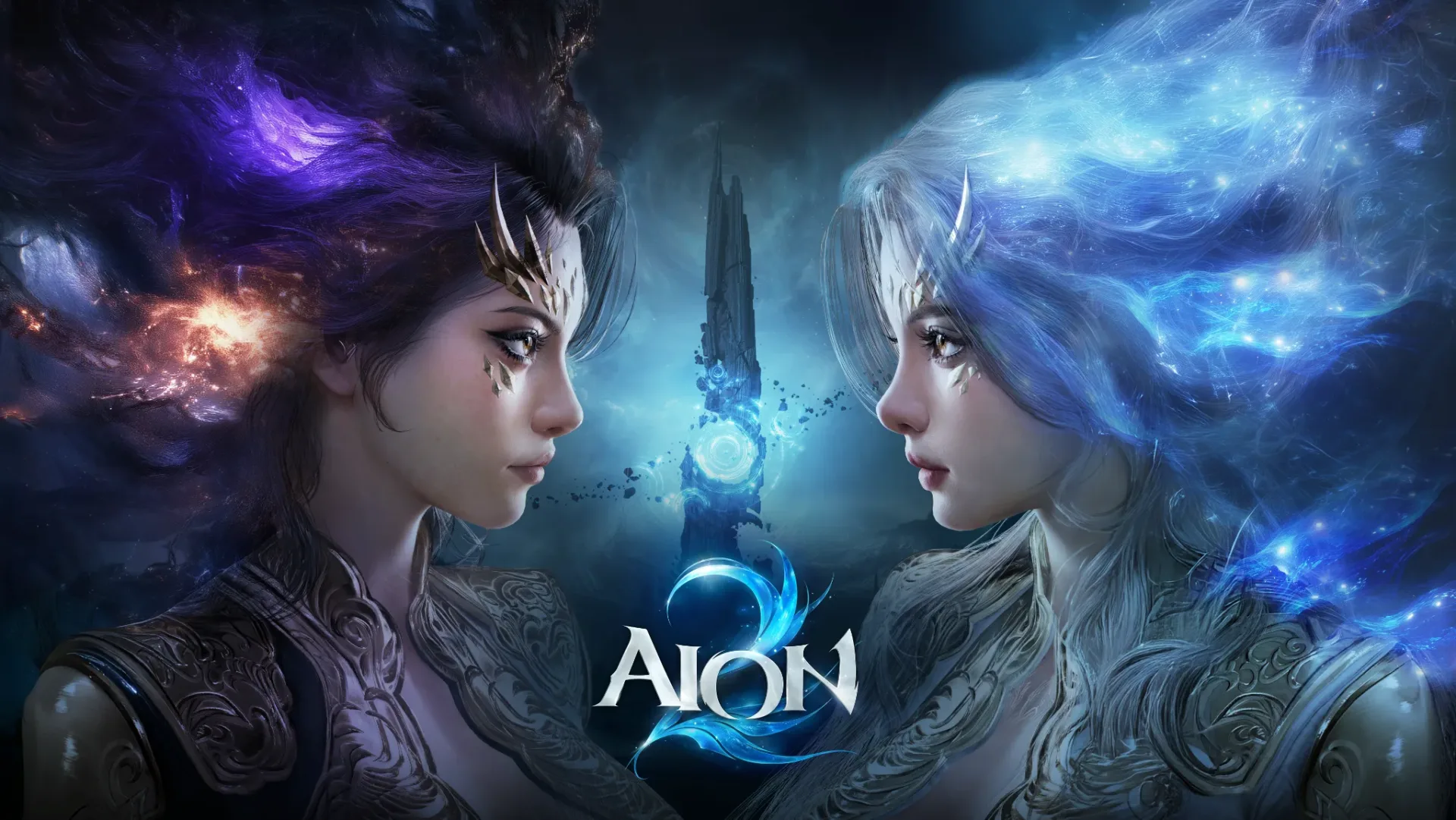
Aion 2 is set amid conflict between two warring nations, while its current public conversation is concentrated on a menu screen. That does not mean the game’s broader systems are unimportant. Rather, it shows how character creators can become the most visible first impression for an online RPG. A short clip is easier to share than a nuanced explanation of an MMO’s progression, balance, or endgame structure.
At this early stage, the game has mixed user reviews on Steam. That is a snapshot rather than a settled verdict: online games can change substantially as players spend more time with their systems and as developers respond to feedback. Still, visibility alone is not the same as a lasting benefit. A viral moment can bring curiosity, but retaining players depends on the game experience beyond the creator.
For NC, the discussion illustrates a straightforward opportunity, even though no response or update has been established here. Character-creation feedback is often unusually actionable because it is concrete. Players can explain what option they cannot make, compare it with the range they expected, and show the result they want. A menu adjustment, if a developer chooses to make one, can communicate responsiveness without requiring players to infer intent from marketing language.
It also underlines a useful principle for players judging customization claims: look at the endpoints, not just the existence of a slider. A creator can advertise detailed controls yet still restrict the kinds of bodies, faces, or styles it permits. The number of menus matters less than whether those menus produce genuinely distinct choices.
A small control with a large visibility problem
The Aion 2 debate is ultimately about a narrow feature, but it reflects a wider expectation that modern character creators should accommodate more than one fantasy of what a protagonist looks like. The apparent absence of a smaller bust option has become notable precisely because players are accustomed to reading sliders as invitations to define their own character.
For now, the available evidence supports a limited but clear picture: Aion 2’s bust-size customization has become viral; much of the response is playful; and a significant strand of discussion argues that its lower limit is too high to provide meaningful variety. Whether that attention turns into a longer-running issue will depend on how players find the game over time and whether its customization options evolve.
Either way, the episode is a reminder that character creators are not throwaway lobby screens. They are one of the first places where a game tells players which versions of themselves—or which kinds of invented heroes—it is prepared to let them bring into its world.