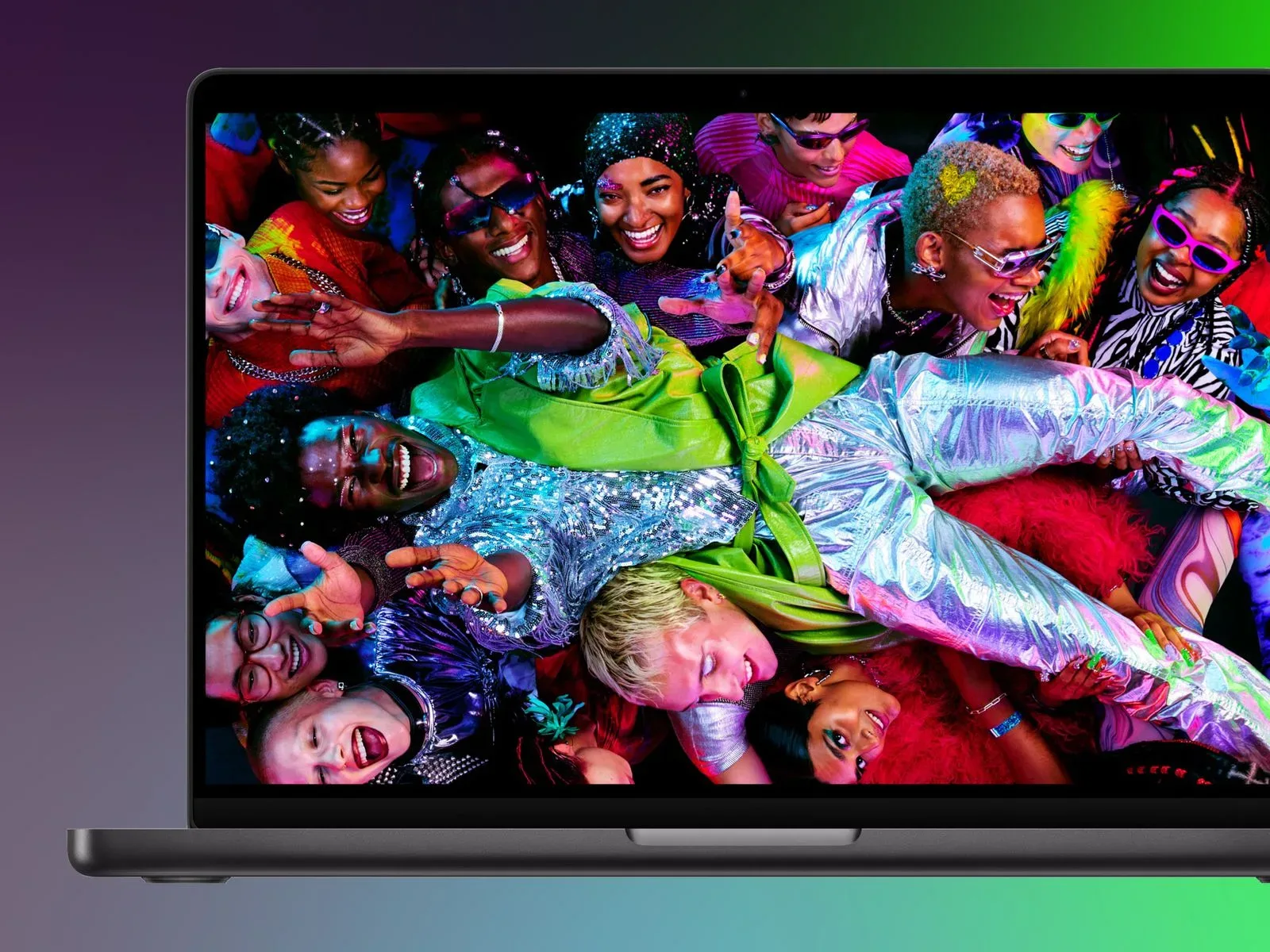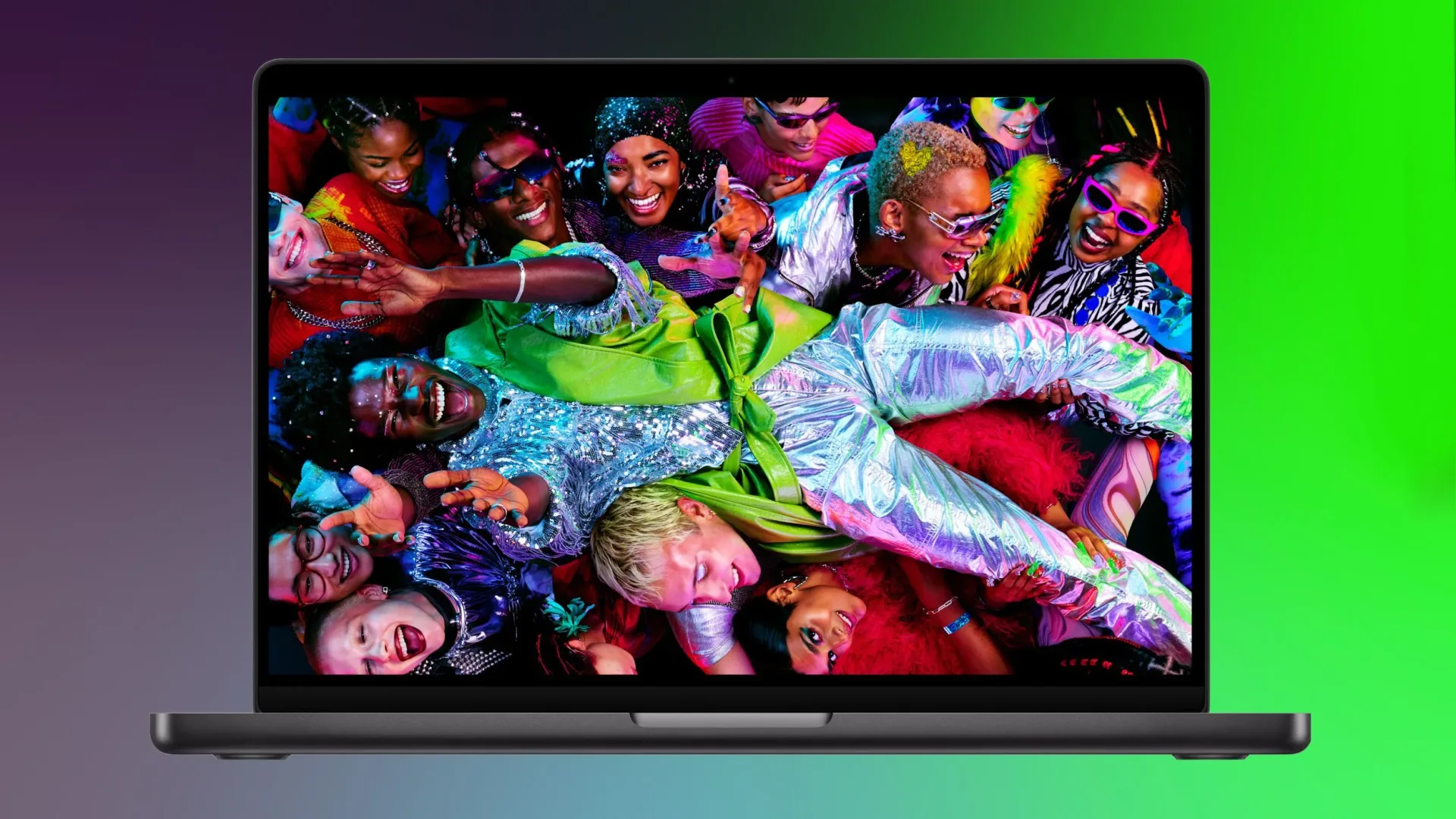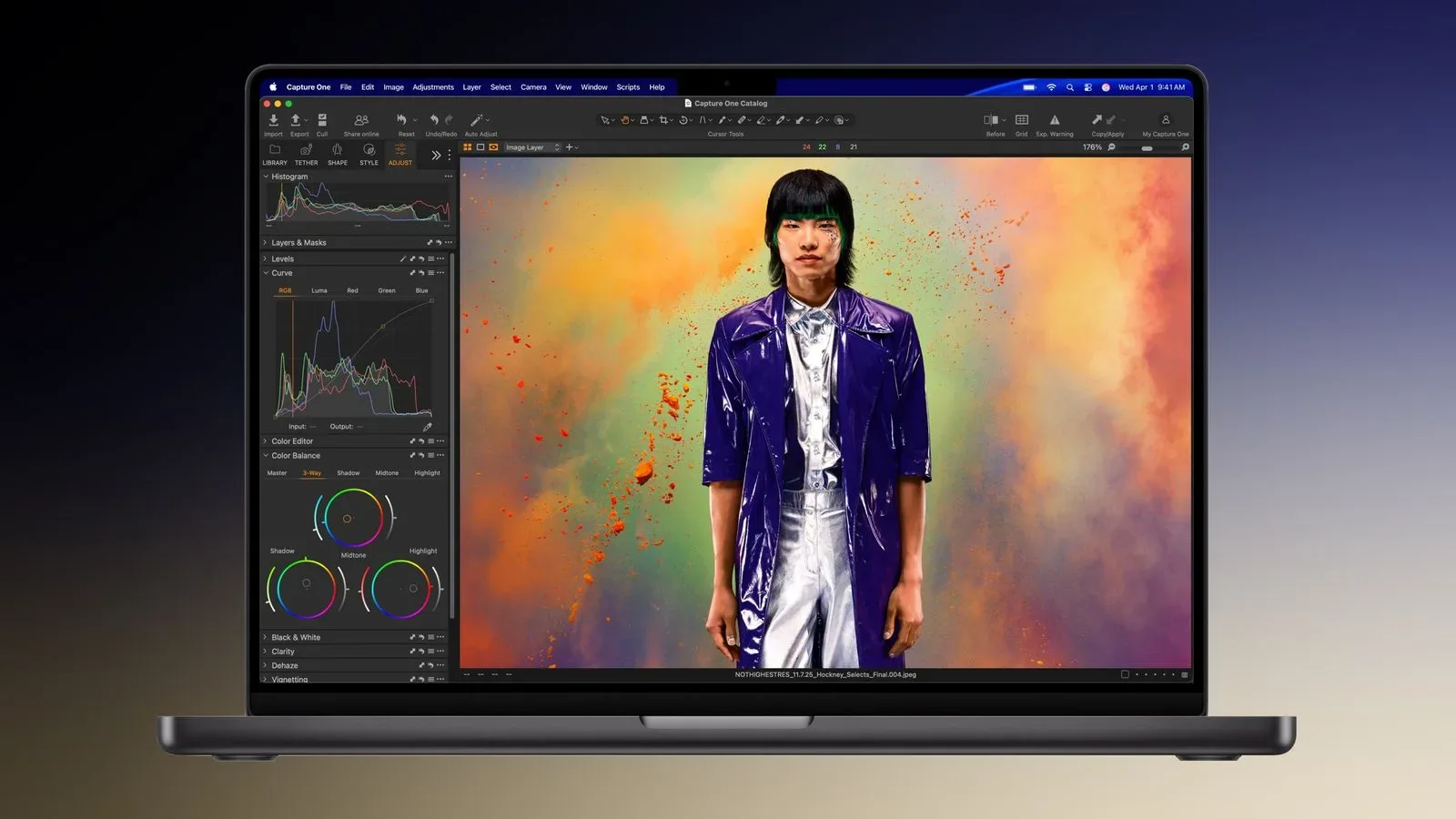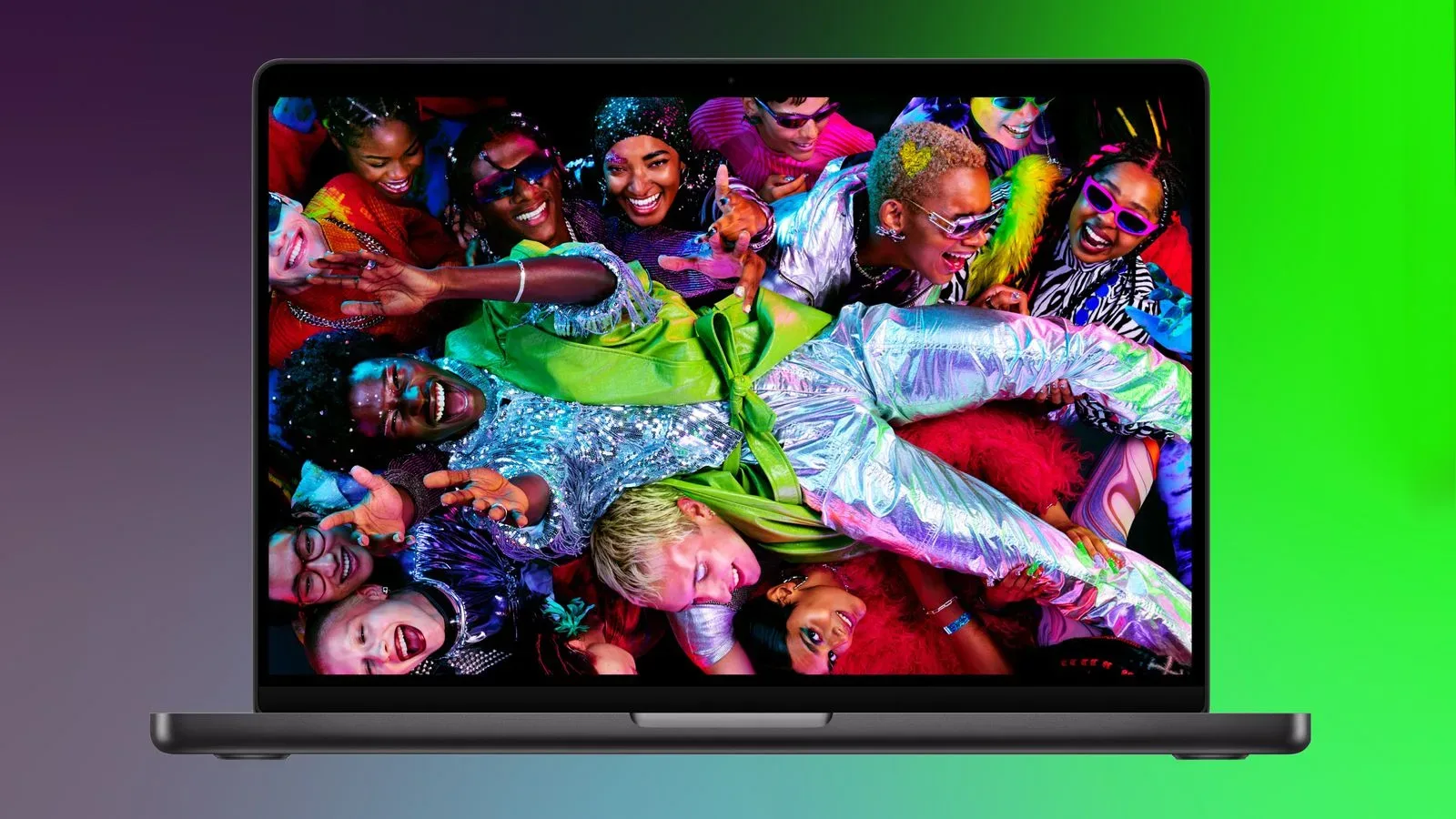
Amazon has cut the price of one high-end 2026 16-inch MacBook Pro configuration by $900, putting the model with Apple’s M5 Max chip, 36GB of unified memory and a 2TB solid-state drive at $3,499. Its stated regular price is $4,399.
That is still a serious amount of money for a laptop—this is not the sort of checkout total that slips through while buying snacks—but the reduction is substantial at the top end of Apple’s portable lineup. For shoppers who had already decided that a 16-inch MacBook Pro with this particular processor, memory allocation and storage capacity was the right fit, the arithmetic is unusually straightforward: the listed discount removes $900 from the regular price.
Amazon’s listing is limited to Space Black. A matching $3,499 price is also available at Best Buy, where both color options are listed. Exact availability can change quickly with retailer promotions, so prospective buyers should check the selected configuration, color and final checkout price before treating any deal as locked in.
The configuration behind the discount
The discounted machine is specifically the 16-inch MacBook Pro equipped with an M5 Max chip, 36GB RAM and a 2TB SSD. Those last two details matter as much as the name on the processor: laptop deals frequently look similar at a glance while covering different memory or storage tiers.
RAM, short for random-access memory, is the working space a computer uses while apps and data are active. Apple refers to the memory used by its chips as unified memory, but the practical shopping point is the same: 36GB is a fixed specification for this configuration, not an add-on to assume will be present on every M5 Max model.
SSD means solid-state drive, the internal storage where applications, files and system data reside. A 2TB SSD offers a larger local capacity than lower-tier configurations, but it should not be confused with memory. Storage retains files when the computer is off; RAM supports active work while it is running. It is an easy distinction to lose in a retailer listing full of abbreviated specifications, and an expensive mistake when comparing premium notebooks.
The M5 Max designation identifies the chip tier in this model. The supplied deal details do not provide benchmark results, graphics-core counts, display specifications or workload comparisons, so the practical takeaway here is not a claim about performance leadership. It is simply that this sale applies to a particular high-end M5 Max configuration rather than every 16-inch MacBook Pro.
A record-low claim, with the necessary asterisk
The $3,499 listing is described as the lowest price yet seen for this exact 36GB/2TB M5 Max model. The specificity is important. “Best price” language only makes sense when the retailer, model year, screen size, chip, memory and storage are held constant. A lower price on another MacBook Pro may reflect a different chip, a different capacity or a different display size—not a better deal on the same computer.
There is also a second premium 16-inch configuration still discounted: a model with 48GB RAM and a 2TB SSD is listed for $4,499, representing a $500 discount. That listing underscores why shoppers should compare the whole specification line and not just scan for “M5 Max” and a red price tag.
For some buyers, the 36GB model’s $900 reduction could be the more compelling value strictly because the price cut is larger. But a larger markdown does not automatically make it the correct purchase. The 48GB model costs $1,000 more at the cited sale prices, and the supplied information does not establish whether the additional memory is necessary for any particular application, game-development workflow or creative task. Buyers should start with their actual memory and storage requirements, then assess whether the discount changes the budget enough to justify the chosen configuration.
What the sale means for PC and game-adjacent shoppers
Although MacBook Pro purchases are often framed around professional creative work, the model can also sit in a broader PC setup for people who make, manage or play games. A larger internal SSD may appeal to anyone maintaining a substantial local library of project assets, captures or general media, while more memory can be relevant to people who routinely keep multiple demanding applications open. Those are general explanations of the components, not a promise that this machine suits every game or workflow.
Platform support remains a separate question from raw hardware configuration. A prospective buyer should confirm that the specific games and tools they intend to use are available and supported on macOS before purchasing a costly laptop around them. Similarly, shoppers comparing a MacBook Pro against a Windows gaming machine should avoid treating the M5 Max label alone as a complete comparison. The operating system, software availability, desired storage, memory needs and portability priorities all belong in the decision.
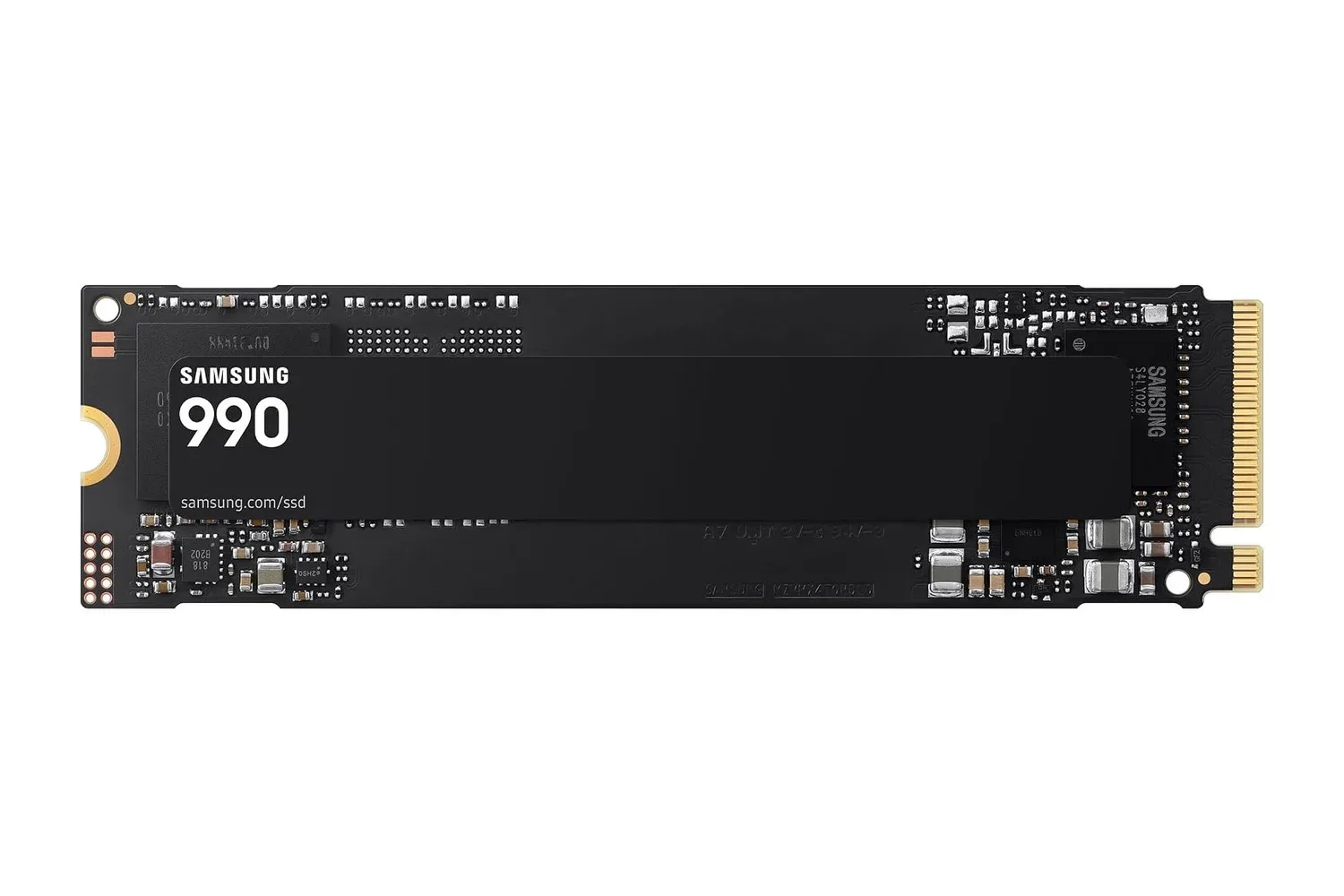
For readers building or refreshing a conventional PC instead, component costs can tell a very different shopping story. Our look at the Samsung 990 1TB NVMe SSD listing is a reminder that storage is often purchased separately in desktop builds, whereas the 2TB drive in this MacBook Pro is part of the complete, fixed configuration. That does not make either approach inherently better; it makes direct price comparisons less tidy than they first appear.
How to compare this offer without getting lost in the spec soup
- Match the exact model: Look for the 16-inch size, M5 Max chip, 36GB RAM and 2TB SSD before comparing the $3,499 price with another listing.
- Check the retailer’s color limitation: Amazon’s deal is listed in Space Black, while the equivalent Best Buy deal is available in both colors.
- Separate savings from spending: The $900 reduction is meaningful, but the purchase remains $3,499. A discount is useful only if the underlying machine fits the budget and need.
- Compare memory deliberately: The discounted 48GB/2TB option is $4,499. It is a different configuration at a different discount, not an interchangeable listing.
- Verify compatibility: Before treating a premium MacBook as a gaming or development purchase, confirm support for the individual software and games that matter to you.
Several other Apple computer promotions remain available, including discounts on Mac mini and Mac Studio models. At the same time, many of the more prominent Mac deals that appeared around Prime Day earlier in the month have ended. That makes the 16-inch M5 Max offer notable, but it does not create a universal buying deadline: it is an opportunity for buyers seeking this exact specification, not proof that every laptop shopper needs to sprint toward Space Black.
In short, the deal is unusually clear for a premium configuration. The 2026 16-inch MacBook Pro with M5 Max, 36GB of RAM and a 2TB SSD is listed at $3,499 instead of $4,399, a $900 markdown. The savings are real on the cited pricing, while the usefulness is personal: verify the configuration, choose the retailer and color that work for you, and make sure the software you rely on belongs in the cart too.
Shop the products
Check current price, model and availability at the retailer.