The 13-inch MacBook Air with Apple’s M5 chip, 16GB of unified memory and a 512GB SSD is listed at $999 during the Black Friday period, a $300 reduction from its stated $1,299 price. That is a notable number for a current thin-and-light laptop with 16GB of memory, particularly in a year when memory supply pressures have reportedly helped raise notebook prices across the wider PC market.
The listing reportedly moved through several prices in only a few days, including $1,049 earlier in the week before reaching $999 on Thanksgiving. Pricing and delivery estimates can change quickly during major sale periods, so the practical advice is simple: verify the exact memory, storage, screen size, color, final checkout total and estimated arrival date before placing an order.
At face value, the deal is less about a flashy accessory bundle and more about getting a balanced core specification below $1,000. The model combines Apple’s M5 processor with 16GB memory and 512GB storage—two capacities that can have a larger effect on long-term comfort than a small discount on a base machine with less room to work.
Why the 16GB and 512GB configuration is the important part
Not every laptop specification carries equal weight. Storage can be managed with external drives or cloud services, although that can add expense and inconvenience. Memory is different: it is built into the system design and determines how much active work a computer can comfortably keep available at once.
Apple calls the MacBook Air’s setup unified memory. Rather than treating system memory and graphics memory as two separate pools, the processor’s CPU, GPU and other on-chip components share one pool. In practical terms, the total 16GB is used by the operating system, applications, browser tabs and graphics tasks as needed. It does not mean every workload gets the full 16GB at the same time, but it does mean memory capacity is a shared resource across the machine.
That is especially relevant for buyers who expect to keep a notebook for several years. A typical day can include a large browser session, messaging apps, office documents, video calls, image work and media playback. When available memory gets tight, computers may lean more heavily on storage to keep active data moving. A 16GB configuration gives a larger cushion for overlapping tasks than an 8GB model.
The 512GB SSD matters for a related, but distinct, reason. It offers space for applications, local photos, downloads and substantial project files before external storage becomes necessary. People working with larger media files or maintaining local game libraries may still want more capacity, but 512GB is a more flexible starting point than a smaller drive for school, work and general creative use.
There are higher-capacity alternatives listed alongside this deal: a 1TB configuration at $1,199 and a 24GB-memory, 1TB-storage version at $1,399. Those options will make sense for people who know they need more local space or memory headroom. But the $999 model is the clearest value proposition because it concentrates on the specifications most mainstream buyers are likely to notice over time without immediately moving into a much higher price bracket.
Related coverage includes Amazon drops the 13-inch M5 MacBook Air to $999 for Black Friday.
What the M5 platform is meant to deliver
The M5 is described as bringing a faster CPU, a next-generation GPU with Neural Accelerators, and a more capable Neural Engine for on-device Apple Intelligence tasks. These labels can sound like a lot of silicon-branding soup, so it helps to separate their jobs.
- CPU: The central processing unit handles broad-purpose computing work, such as running apps, operating-system tasks and many everyday productivity actions.
- GPU: The graphics processing unit handles visual workloads and can accelerate certain creative and compute tasks.
- Neural Engine: A specialized processor aimed at machine-learning operations, including supported AI-related work that can run on the device.
- Neural Accelerators: Hardware features within the graphics side intended to assist relevant AI and machine-learning workloads.
For a buyer, the more useful point is not to assume that every AI feature will transform routine computing. On-device processing can matter for supported tasks because it allows some work to happen locally rather than relying entirely on a remote service. The value of that capability ultimately depends on which features someone actually uses, their software support and personal workflow.
The more universal appeal is the MacBook Air’s fanless design. This model has no cooling fan, which means there is no fan noise during ordinary use. That makes silence a genuine quality-of-life feature for classrooms, libraries, meetings and shared living spaces. It should not be read as a promise that every demanding job has no performance trade-offs; fanless systems are designed around passive cooling. Still, for the general productivity, communication and light creative scenarios associated with an Air-class notebook, quiet operation is a meaningful part of the package.
Display, calls and everyday connections
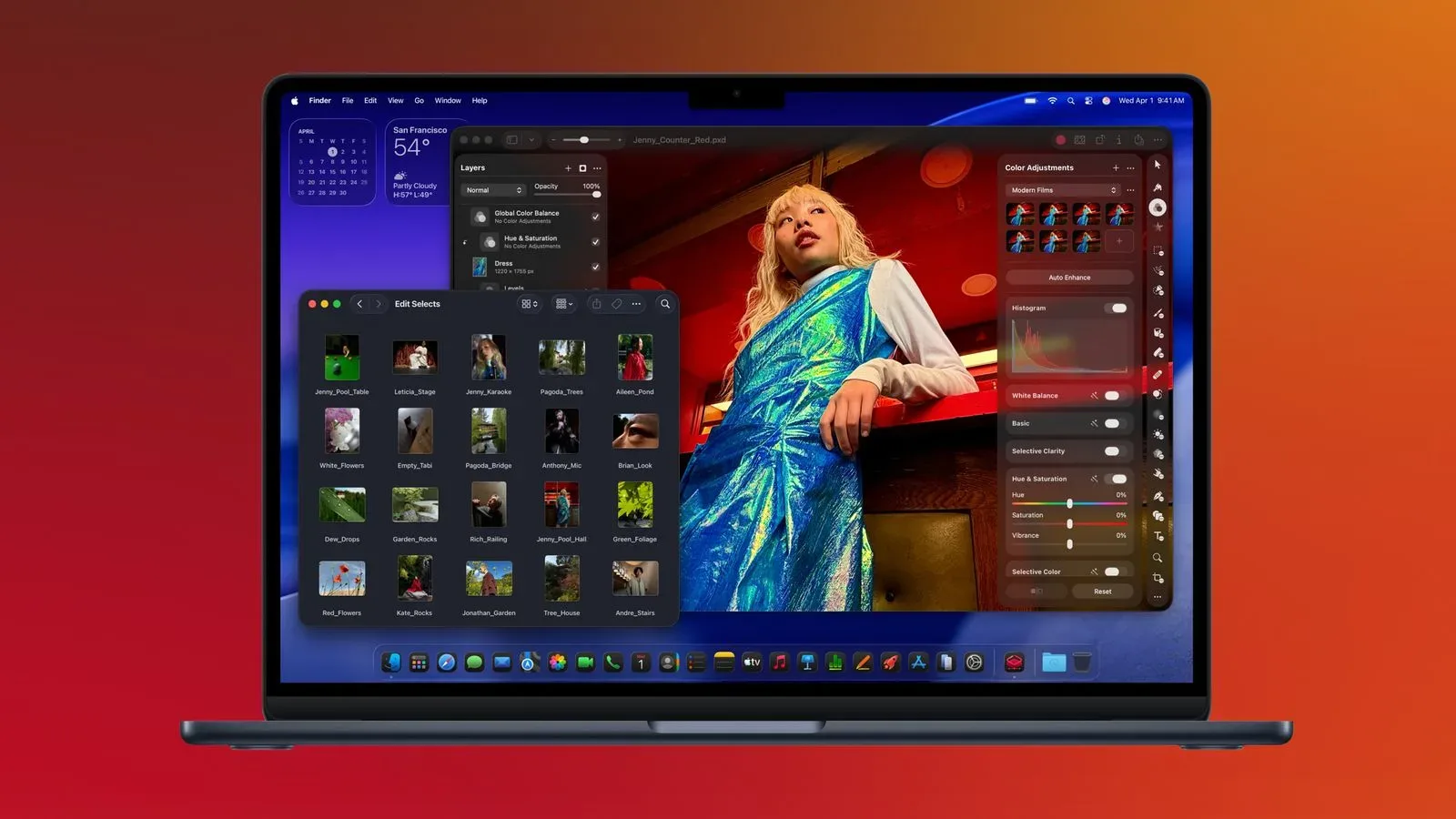
The 13.6-inch Liquid Retina display is specified to support one billion colors. In plain language, that describes a wide range of displayable color gradations, while the high-resolution panel is intended to keep text and interface elements sharp. For the people most likely to use this machine for writing, spreadsheets, reading and web work, text clarity and screen quality may be more important day to day than benchmark numbers.
The webcam setup is also aimed squarely at remote work and study. The notebook includes a 12MP Center Stage camera, a feature designed to keep a person in frame during a call. It also supports Desk View for showing material on a tabletop. Three microphones and four speakers with Spatial Audio and Dolby Atmos support are included as well. Those features do not replace dedicated production equipment, but they can reduce the need for extra peripherals for routine meetings, calls and casual media use.
Connectivity includes two Thunderbolt 4 ports, MagSafe charging and a headphone jack. Thunderbolt 4 is a high-speed connection standard commonly used for accessories such as external storage and docks; the key limitation for some buyers is simply the port count. Users who need several wired devices connected at once may want to factor in a hub or dock.
The system also includes Apple’s N1 chip for Wi-Fi 7 and Bluetooth 6, and it can drive two external displays. That display support is useful for a desk setup, whether the laptop is used as a portable machine most of the time or a compact workstation at home. Anyone planning a multi-monitor arrangement should still check the display connections, cable requirements and the capabilities of their existing monitors.
Battery estimate and who this sale suits
Battery life is rated at up to 18 hours. As with any manufacturer battery estimate, “up to” is not a guarantee for every workload. Screen brightness, video calls, connected accessories, wireless activity and demanding applications can all affect runtime. Even so, the rating suggests a machine positioned for a full day away from an outlet rather than short bursts between charges.
The deal is most compelling for a few specific groups:
- Students who need a quiet, portable computer with enough memory for research, calls, documents and a crowded browser.
- Office and remote workers who value battery life, video-call hardware and an external-display option.
- General creative users who want more than entry-level storage for photos, applications and projects.
- Existing Apple users seeking a current Mac notebook with 16GB memory without crossing the $1,000 threshold.
It is less automatically suitable for people whose essential software is Windows-only, or whose workflow depends on specialized hardware with uncertain macOS compatibility. A low price does not erase platform requirements. Before treating any notebook discount as a universal recommendation, buyers should list the applications, peripherals and file formats they rely on and confirm that they are supported.
There is also a broader pricing context. Reports of higher laptop pricing tied to memory shortages have made configurations with 16GB less routine at lower prices, while some manufacturers have reportedly leaned on 8GB models to maintain lower starting points. That does not make one operating system universally better than another, nor does it settle every comparison between individual machines. It does explain why a current MacBook Air with 16GB memory and 512GB storage at $999 stands out as a configuration-led deal rather than merely a seasonal markdown.
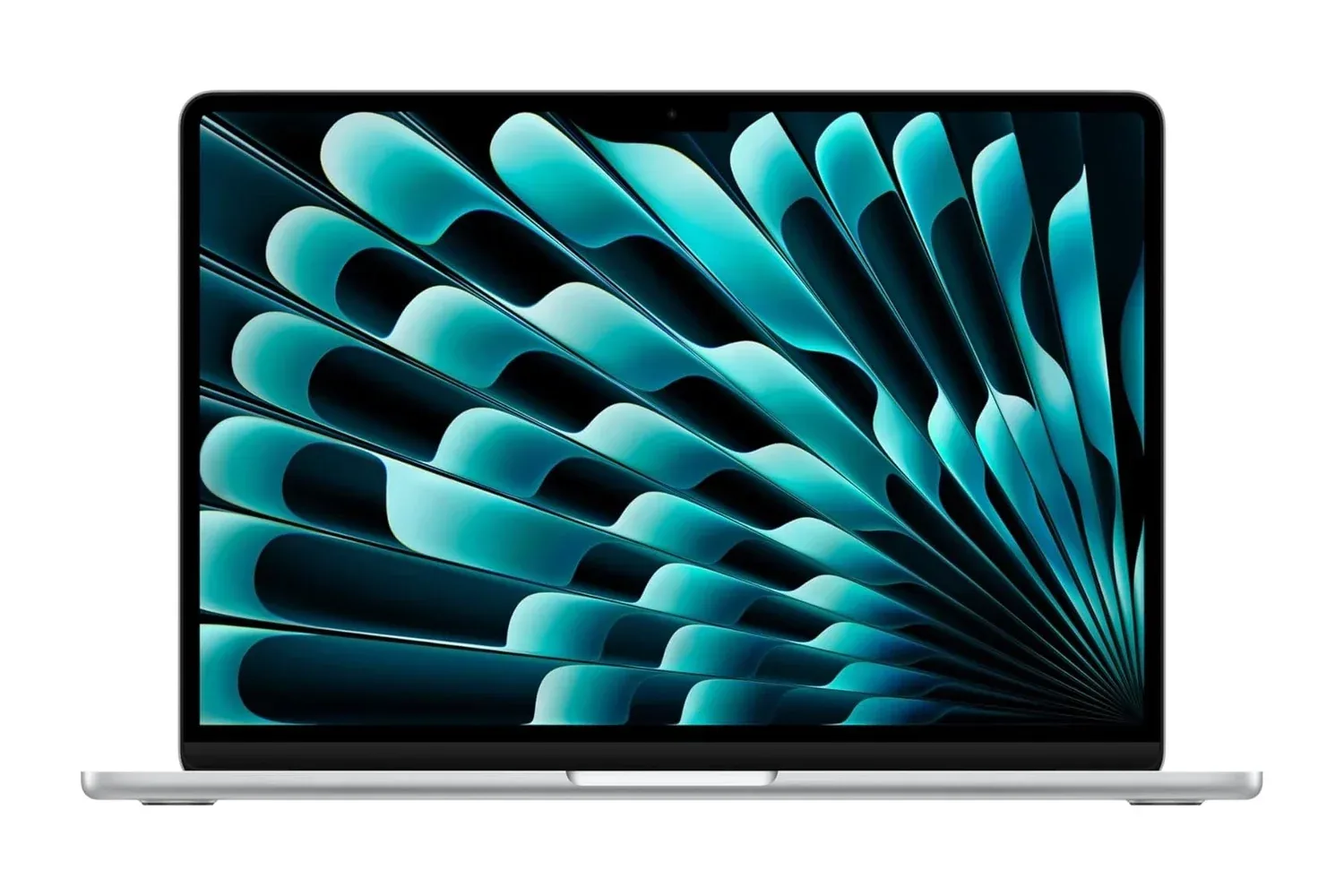
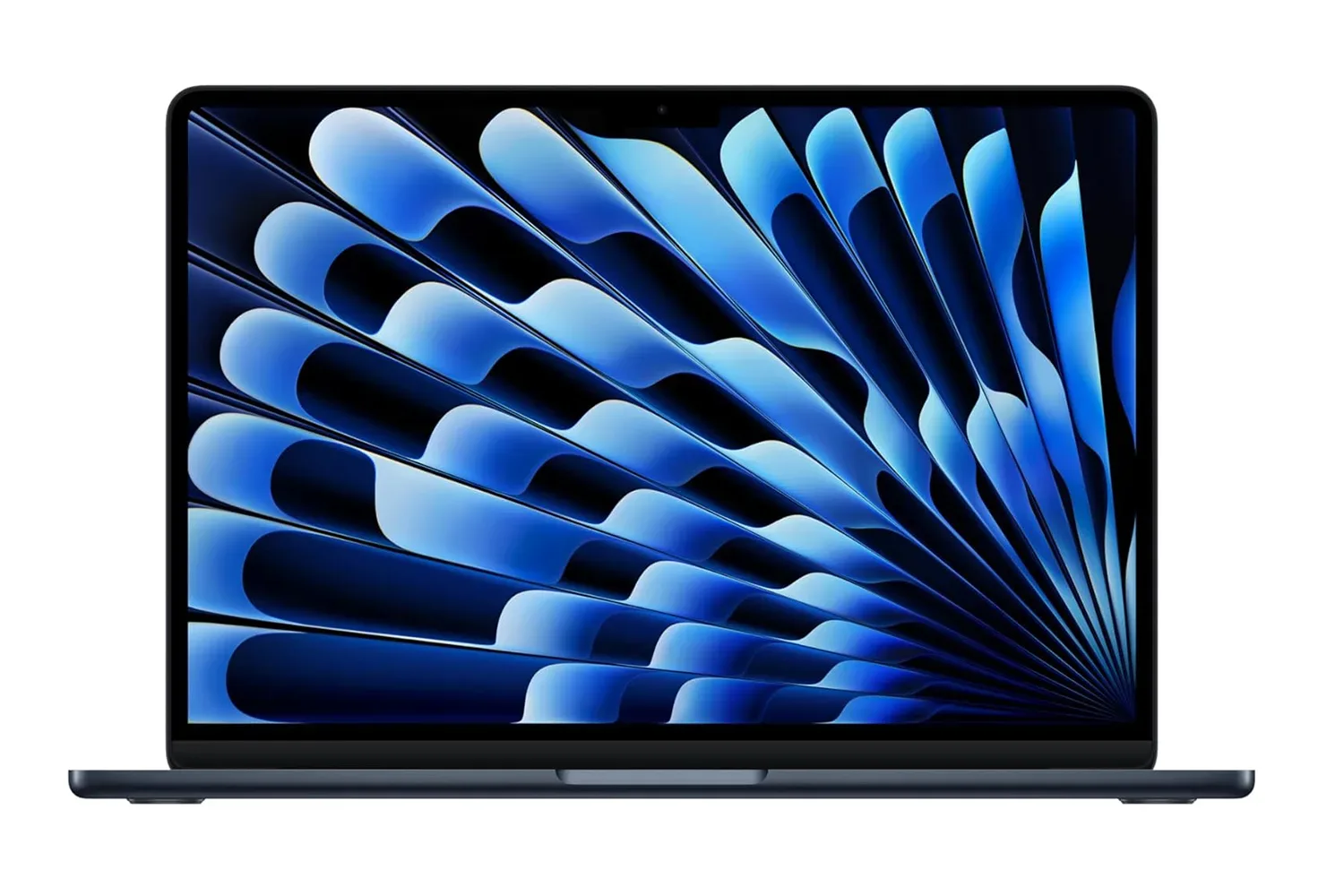
All four listed finishes—Midnight, Silver, Sky Blue and Starlight—are available. Delivery was estimated around December 6 at the time of the listing. The offer also includes eligibility for up to three free months of Apple Arcade, Apple Fitness+ and Apple News+, while newly approved Amazon Visa cardholders can reportedly receive an additional $60 off instantly. Those extras may be useful, but they should remain secondary to the hardware selection and any subscription terms.
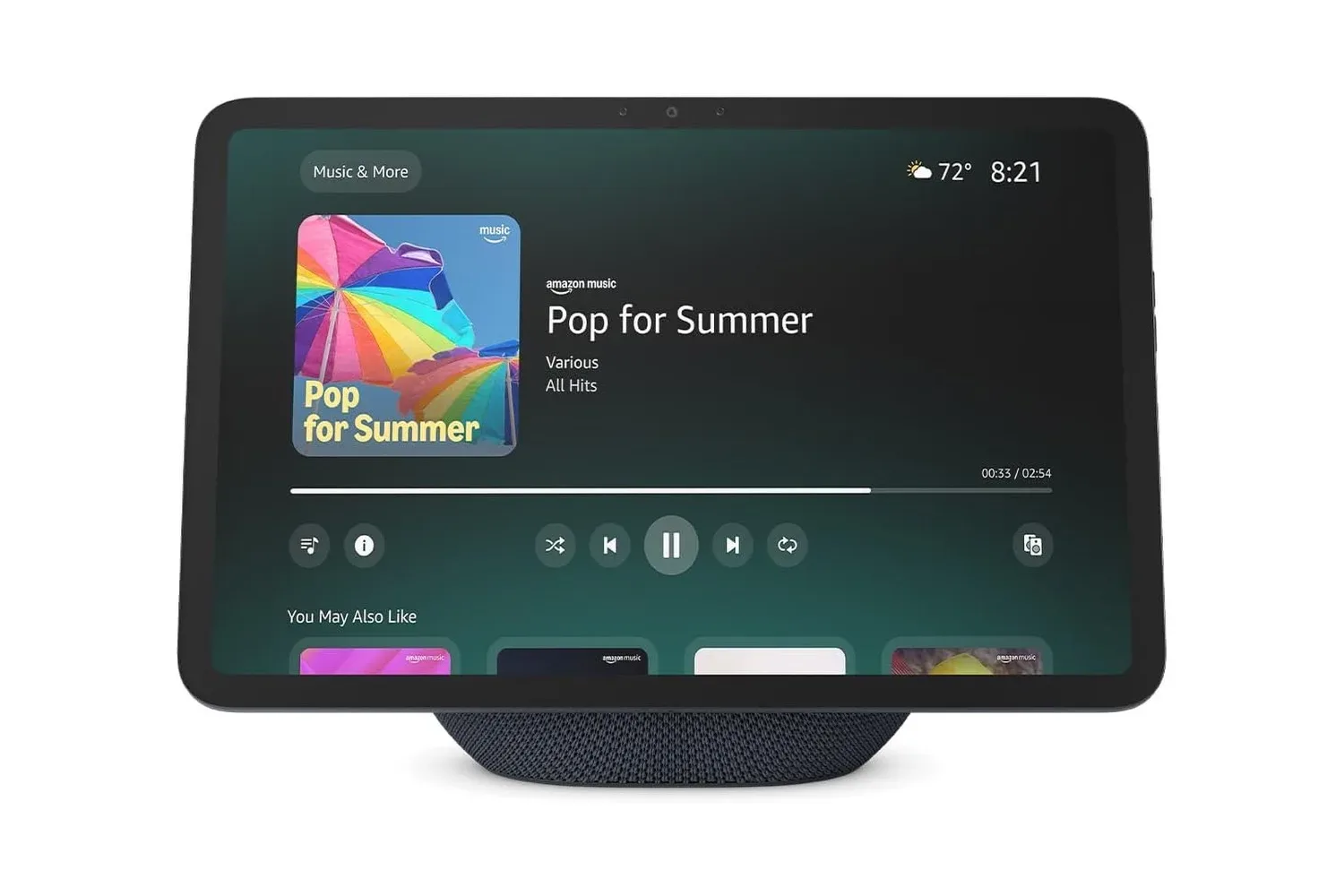
For shoppers comparing Black Friday technology offers, it is worth applying the same checklist used for items such as the recent Echo Show 11 price cut: confirm the exact model, understand which features are genuinely useful, and do not let a percentage-off badge outrun the actual value. Here, the strongest part of the offer is straightforward: 16GB unified memory and a 512GB SSD in a current 13-inch M5 MacBook Air at a four-figure-below price.
Shop the products
Check current price, model and availability at the retailer.