Overwatch’s next hero, Hudson, is arriving with a role change that has landed poorly with players who wanted more options outside the damage lineup. Hudson, a robot detective described as the game’s 55th hero, was first positioned as a support character. He is now planned as a DPS hero for Overwatch Season 6 in December.
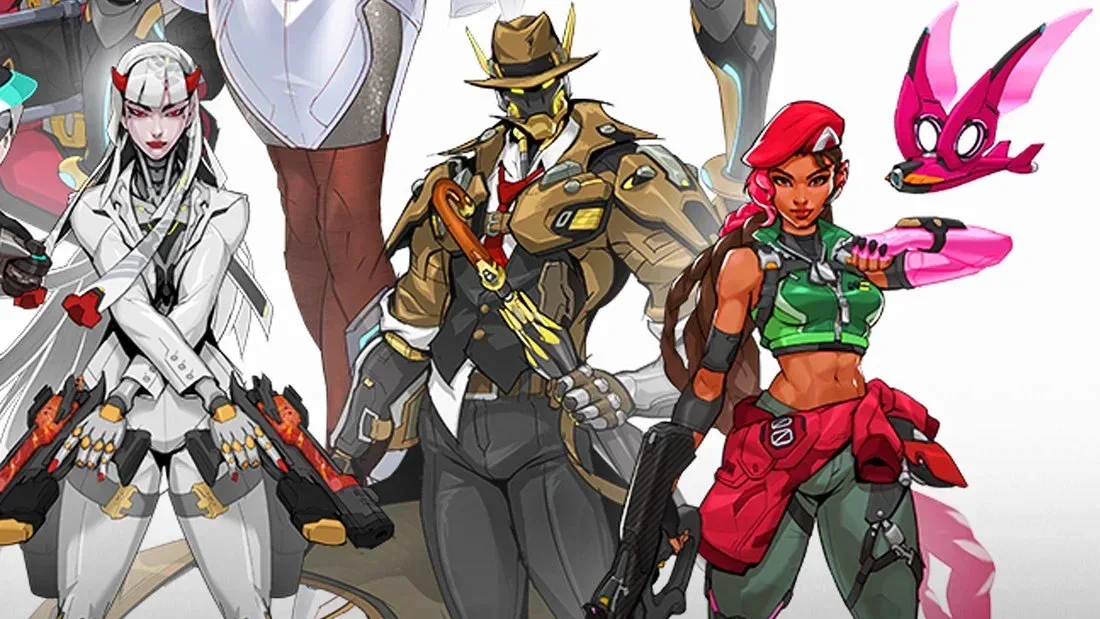
That shift matters because the stated roster totals are already heavily weighted toward damage: 23 DPS heroes, compared with 16 supports and 15 tanks. For support and tank players, a new character is more than a fresh face on the select screen. It can mean a new tool for solving familiar team-composition problems, a different playstyle within a preferred role, and a reason to revisit a queue that has had fewer additions.
Game director Aaron Keller acknowledged that reaction in a public post, saying the team understood players had expected another support hero. His explanation was not that role distribution no longer matters, but that Hudson’s development reached a point where the original role was no longer producing a character the team felt was successful.
“This decision ultimately wasn't whether we release a DPS or a Support hero, it was whether we release a great character or one we didn't believe in.”
For more context, explore What Your Gaming Sound System Costs to Run—and How to Measure It Properly.
Why Hudson’s role changed
Keller said Hudson began development as a support, but that the kit did not work as development continued. In hero shooters, a kit is the complete set of a character’s gameplay tools: primary attacks, abilities, movement options, utility and, where applicable, an ultimate. A role label is not simply a damage number. It determines the kind of value a character is expected to bring to a team.
Support heroes generally contribute through healing, protection, recovery, enabling teammates or other utility. Tanks are generally built to take space, protect allies and shape the front line. DPS heroes are primarily focused on securing eliminations and applying offensive pressure, though their individual designs can still offer mobility, control or team utility.
Hudson’s early support concept apparently failed to cohere in that framework. Keller said the internal response changed sharply after the hero was tested as DPS. That does not settle the roster-balance concern, but it explains the distinction the team is making: it believes a role change saved the character design rather than merely filling an already crowded category.
Related coverage includes Overwatch's Hudson Becomes a DPS Hero as Aaron Keller Explains the Role Change.
It is also a useful reminder that early character teases are not always final design commitments. A hero can have a theme, visual identity or narrative premise long before developers have solved the gameplay job that best expresses it. Hudson’s detective concept remained, while the intended contribution to a match changed.
Why players are still frustrated
The numerical imbalance is straightforward. Adding one more DPS hero raises the difference between damage and support choices, rather than reducing it. Players who specialize in support or tank may reasonably see the decision as another delay before their role receives a new option.
That reaction is not necessarily a rejection of Hudson himself. A DPS hero can be interesting, mechanically polished and thematically strong while still not being what part of the player base was waiting for. The central tension is between roster variety and individual hero quality. Keller’s comments make clear that the team chose the latter in this case.
There is a practical design reason this can be a difficult call. Forcing a hero to remain in a role when the abilities do not support that role can create a more serious problem than uneven roster counts. A support whose defining tools do not reliably help teammates, or whose power budget is tied too closely to personal damage, may feel unsatisfying to play and troublesome to balance. Conversely, moving the same concept to DPS can allow its combat tools to be evaluated against a different role expectation.
That is analysis rather than a promise that Hudson will be balanced or popular. The available details do not describe his abilities, damage profile, healing potential or ultimate. Players will need those specifics before they can judge whether the DPS classification produces a meaningful new playstyle or simply adds another option to the game’s largest group.
Role changes are not unprecedented
Overwatch has changed a hero’s place in the role structure before. Symmetra was once a support hero and later found a home as DPS. That precedent shows that a role is not always permanent when a character’s design evolves.
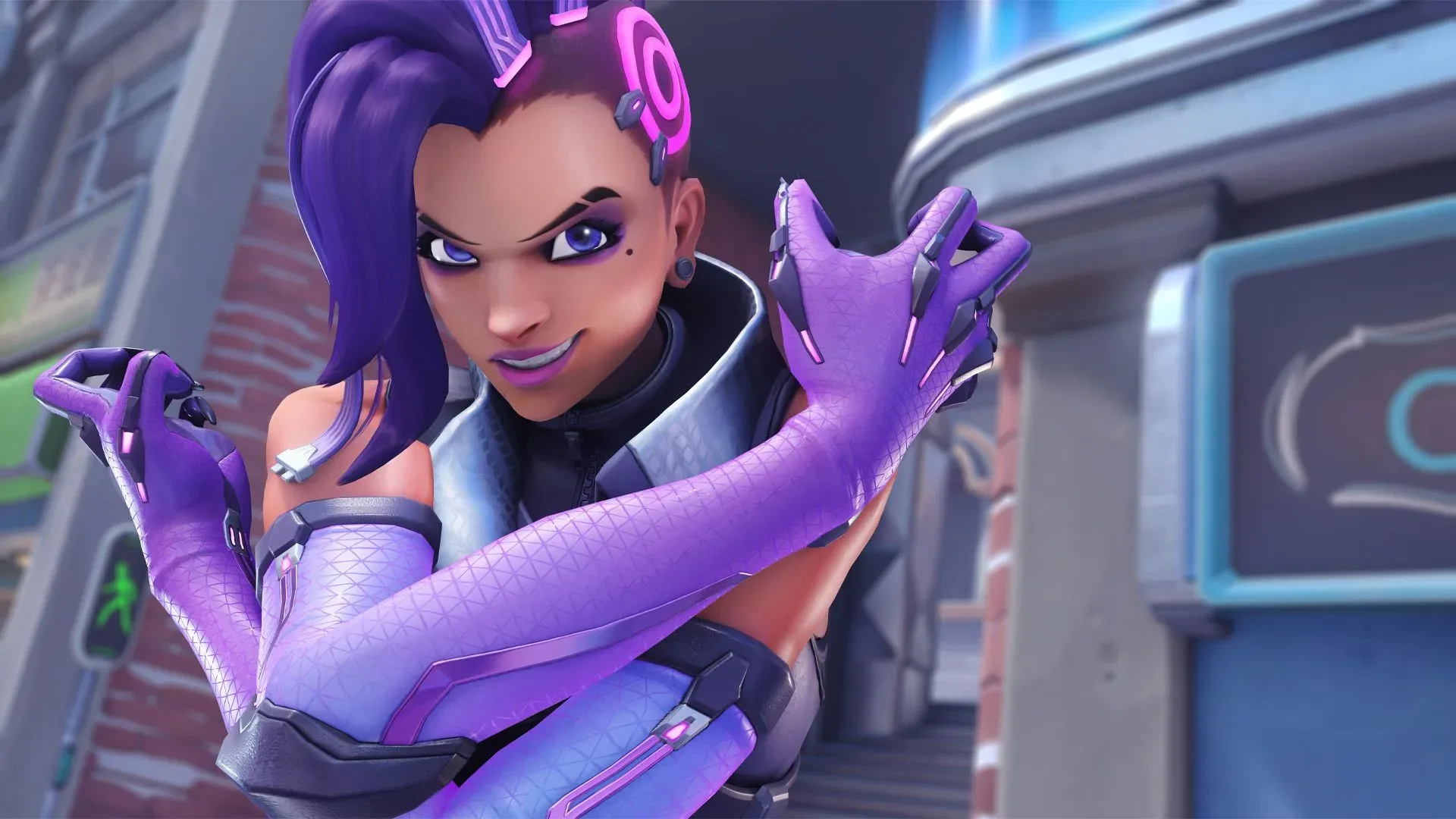
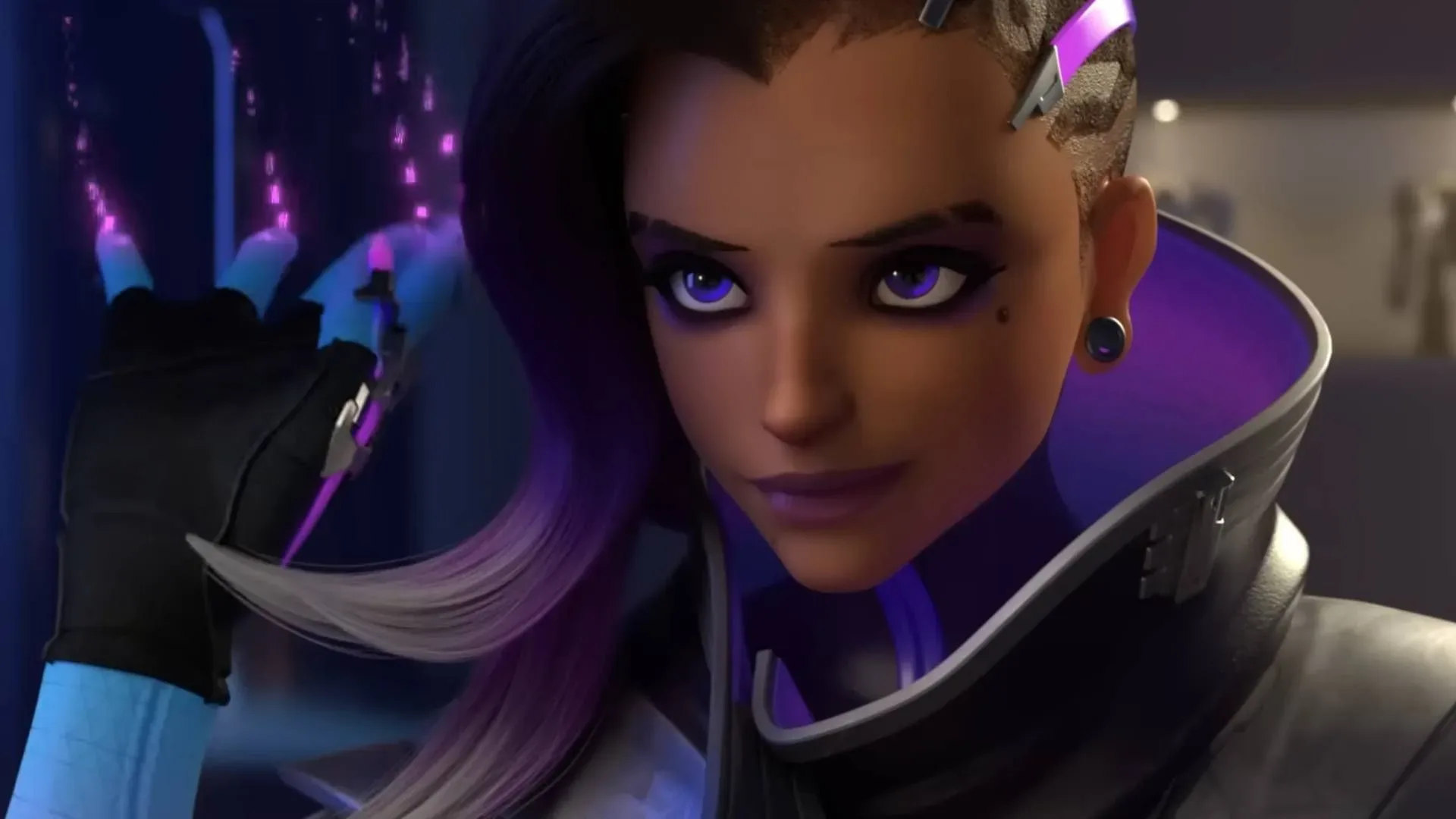
The more recent example cited is Sombra, the hacker hero, who moved from damage to support and can “hotfix” teammates. The change was reported to have disappointed some established Sombra players, but also to have made more sense for the hero’s current design. Together, these examples frame Hudson’s change as part of an ongoing willingness to revise role assignments when a kit and a category no longer align.
Still, past reworks do not erase the immediate issue for players seeking new tank or support choices. Reclassifying an existing hero and launching an entirely new hero are different situations. A new release is a rare chance to broaden role-specific options, which is why the earlier suggestion that Hudson would be support created clear expectations.
What Keller’s explanation does—and does not—answer
Keller’s statement gives a direct answer to the narrow question of why Hudson is DPS: testing convinced the team that the detective worked better there. He also described hero building as both an artistic and technical challenge, emphasizing that development sometimes requires adaptation to reach the strongest version of an idea.
What it does not answer is when support and tank players can expect the next addition for their preferred roles. There is no supplied roadmap, ability breakdown or commitment that a subsequent hero will correct the current numerical split. The team says it is proud of Hudson’s play ahead of the December introduction, but players have not yet been given enough information to assess how he will affect role balance in actual matches.
For now, the sensible read is that Hudson’s final role came from a developmental pivot, not from an attempt to dismiss support demand. Whether that rationale satisfies players will depend less on the explanation alone than on the hero’s eventual design—and on whether future releases give the smaller role rosters comparable attention.
The discussion also comes alongside Keller’s view that PvE could return in some form, though he said another story-driven campaign would require “a whole new game.” That leaves Hudson’s role change as a separate, immediate question: not whether Overwatch can make more content someday, but how it balances the roster it is expanding now.