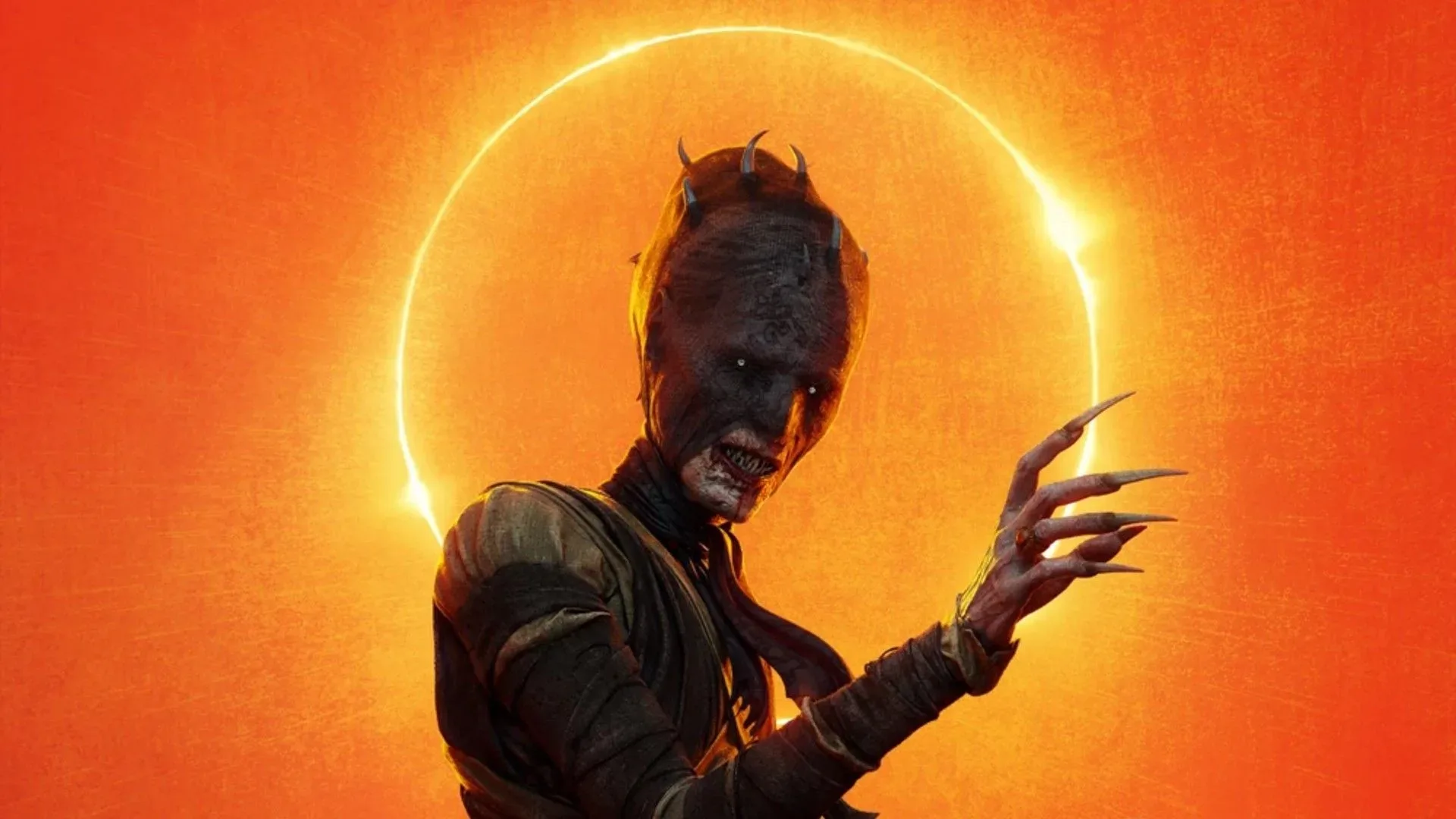
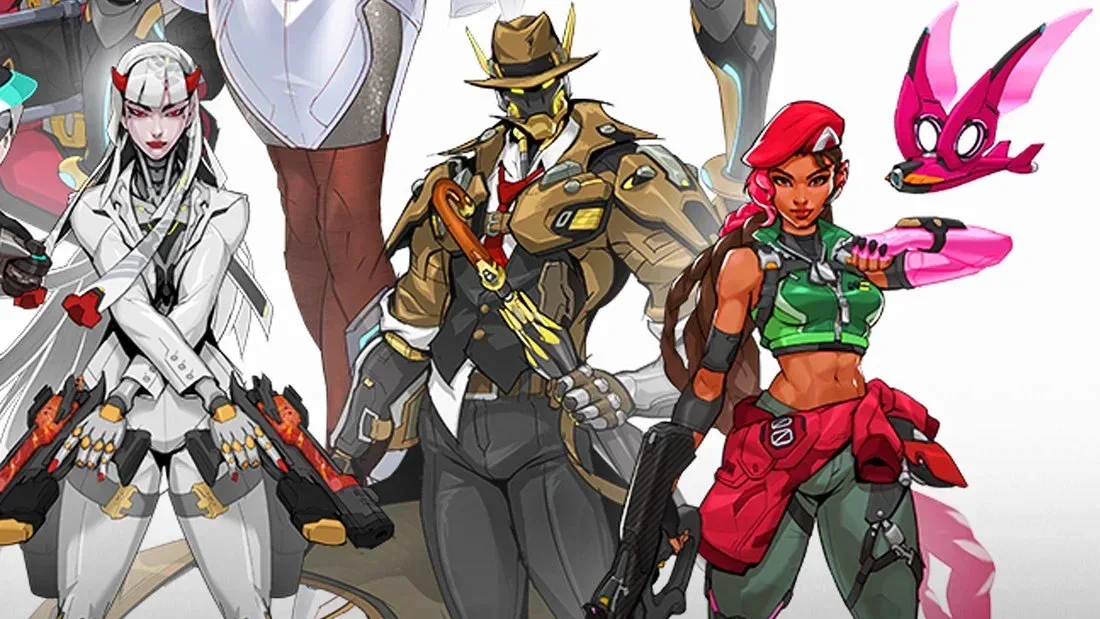
Overwatch’s next hero has changed assignments before even setting foot on the roster. Hudson, the long-teased Omnic Detective expected to help begin the shooter’s next story arc, is now set to arrive as a damage hero rather than a support. He is due next month with season six.
The revision matters because Hudson had previously been presented as a support addition. For players who chose the role expecting another option built around healing, protection, utility, or setting teammates up for decisive plays, this is not merely a label being swapped on a character sheet. In a role-based team shooter, a hero’s role tells players what kind of match impact the character is meant to provide and, often, which queue they will enter.
Hudson’s official name also settles a smaller mystery: the Omnic Detective is Hudson, not Rigby, the name some players had speculated about after the character’s earlier reveal.
A kit-led change, not a cosmetic one
Associate director Alec Dawson explained that the shift followed iteration and playtesting. The team evaluated Hudson’s mechanics alongside his visual identity, character concept, and intended in-game representation, and concluded that the central mechanic they most liked was a better match for damage than support.
That is a consequential explanation, even though it does not yet tell players what Hudson actually does. A hero’s kit is the total collection of abilities, weapons, passives, and ultimate that define their gameplay. In development, a kit can begin with one broad role in mind and then move elsewhere once the team sees how its pieces work in real matches. If the compelling part of Hudson’s kit is primarily about applying pressure, finishing opponents, taking duels, or creating offensive openings, forcing it into a support framework could make both the character and the role less coherent.
Game director Aaron Keller also said Hudson was among the most positively received heroes in internal testing. That is encouraging, but it is not a substitute for the details players are waiting for. Internal reception says the character connected with testers; it does not establish how his weapons, mobility, survivability, utility, or team interactions will operate once the hero is public.
For now, it would be premature to assume Hudson is simply another conventional damage dealer with detective-themed visuals. The developers have not described his playstyle, and the specific mechanic that prompted the role change remains unknown. The detective concept could inform his gameplay in many ways, but anything more concrete would be speculation until a full reveal arrives.
Why support mains are taking the switch personally
The sharp reaction is understandable because the expectation was unusually clear. Fans were not only told that a new hero existed; they had reason to expect that hero to help fill the support side of the roster. Some had already connected with Hudson’s design on that basis. Changing a hero’s role close to release turns anticipation into a different kind of anticipation—one that does not serve the same audience.
Related coverage includes Overwatch's Omnic Detective Hudson Has Been Moved From Support to Damage.
Support is not just “the healing class,” even if healing is a major part of it. Support players commonly make choices around keeping allies active, enabling aggressive plays, managing resources, denying enemy momentum, and selecting the right target for assistance at the right time. A damage hero may help a team win the same fight, but the play pattern and responsibility are fundamentally different.
That is why the response is larger than disappointment over one unrevealed ability set. Some players see the revision as the loss of a promised answer to a role they feel has fewer options. Others question why a problem significant enough to alter Hudson’s basic classification emerged so late in development. Their preferred outcome would have been to retain Hudson as support by rebuilding the kit, while moving the stronger offensive concept to a different future character.
There is also a plain numbers argument behind the frustration. Damage is reported to account for 23 of Overwatch’s 54 characters, making it the largest role. Hudson’s arrival will add one more name to that crowded portion of the lineup, while the support roster remains smaller.
The 2026 release mix gives the debate real weight
Hudson is the 10th hero released in 2026 as part of Overwatch’s soft reboot, and half of those 10 heroes are damage characters:
- Damage: Anran, Emre, Sierra, Shion, and Hudson
- Tank: Domina and D.Mon
- Support: Jetpack Cat, Mizuki, and Doctrine
That distribution does not prove that damage has been favored in every design decision, nor does it reveal the quality or importance of each character. It does, however, explain why Hudson’s reassignment lands differently than it would in isolation. The year’s new-hero slate will finish with five damage additions, three supports, and two tanks.
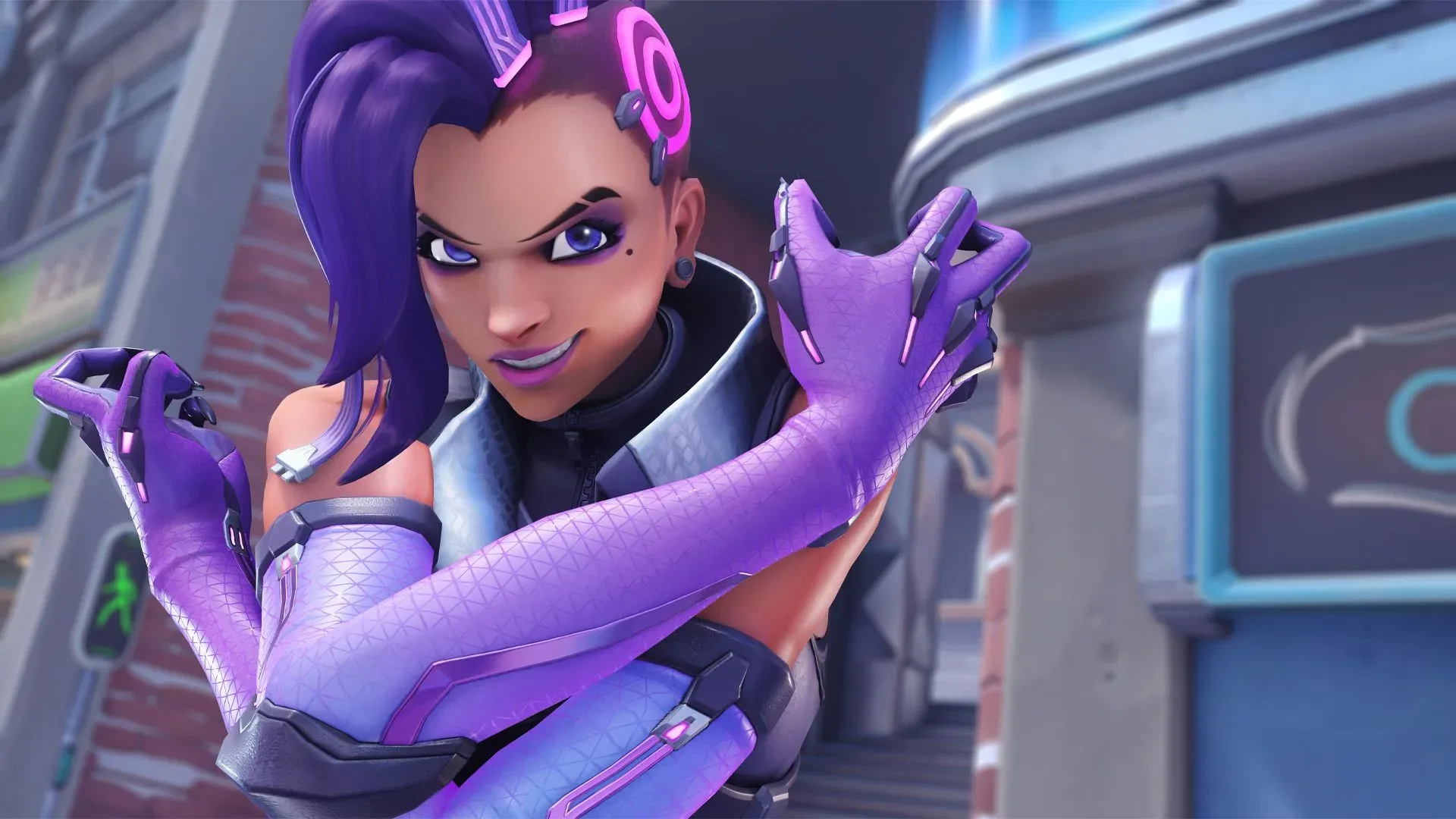
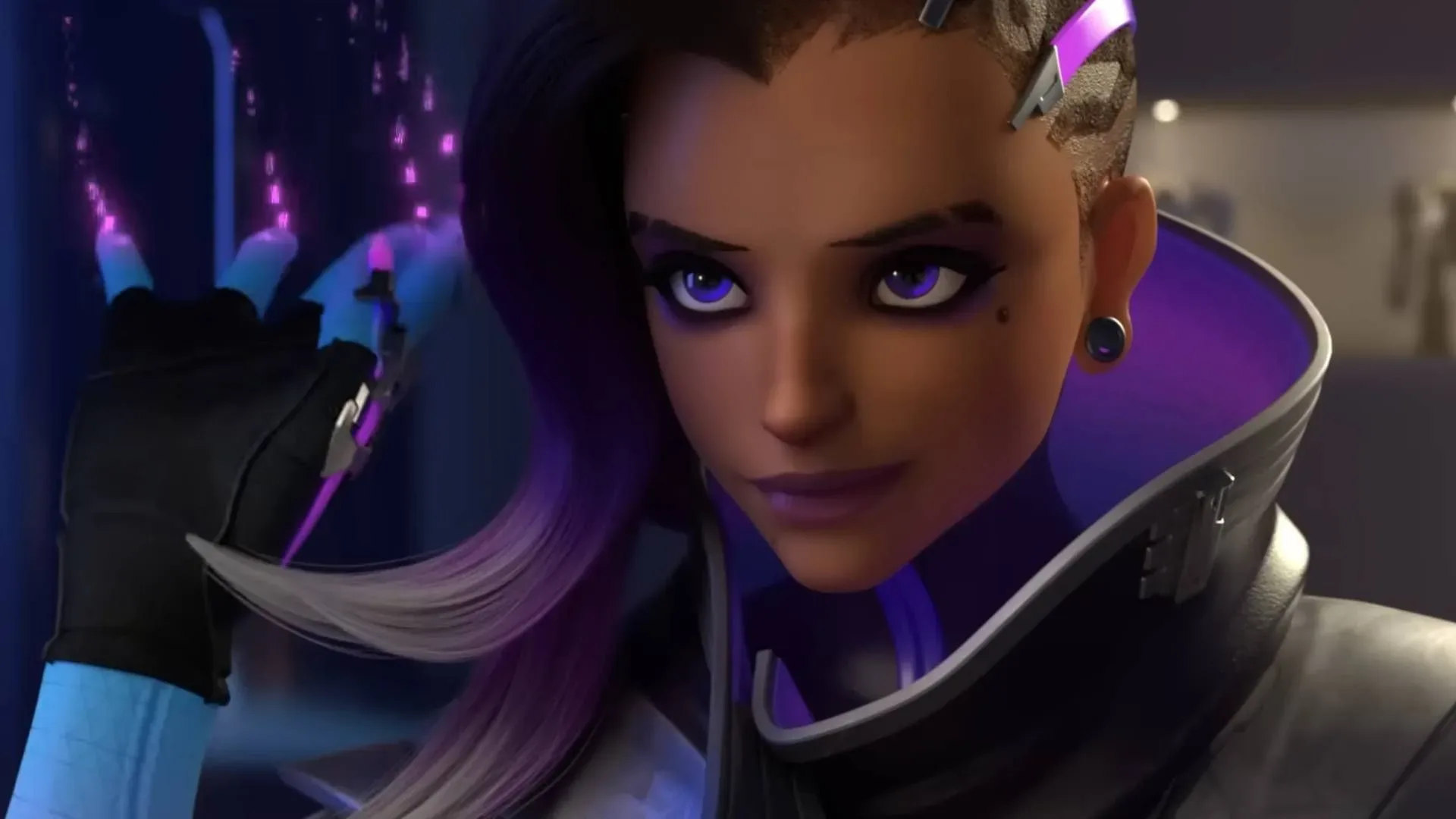
There is a related wrinkle. Sombra, a damage hero since her 2016 debut, was reworked into a support in the current season. From one perspective, that gave support players a new character to learn and use. From another, Hudson’s move in the opposite direction makes the situation feel like an exchange rather than a clear expansion of support choices.
The distinction matters because a rework and a new release satisfy different desires. A rework lets players revisit a familiar character through a new role, but a new hero brings a fresh visual identity, fictional premise, and mechanical promise. Players who were drawn specifically to the Omnic Detective concept as a support may reasonably feel that Sombra’s role change does not replace what they thought Hudson would provide.
Iteration is normal; communication shapes the fallout
There is a less dramatic reading of the decision, and it is also credible. Iteration is the process of repeatedly testing, revising, and retesting a design. It exists because a pitch, prototype, and finished playable hero are not the same thing. A mechanic can sound like a support tool on paper, then prove far more satisfying, readable, or balanced when built around an offensive role.
In that framing, moving Hudson to damage could be a sign that the team followed the most successful version of the character rather than protecting an earlier plan at all costs. Making a hero less fun or less natural solely to preserve a previous role announcement would not necessarily help support players in the long run. A support whose signature mechanics fight against the rest of the kit can feel compromised, while a damage hero with a clear purpose may enrich the game more effectively.
But “development changed direction” and “players are disappointed” can both be true. The practical issue is expectation management. Once a role has been stated publicly, it becomes part of how players imagine the character. The later the correction arrives, the more difficult it is to separate a reasonable production change from a broken promise in the community’s eyes.
More information could narrow that gap. A detailed unveiling can show why Hudson’s core idea fits damage, what niche he is intended to occupy, and whether his design contains utility that distinguishes him from the large number of existing damage heroes. It cannot restore the missing support addition, but it can demonstrate that the decision was made for a legible design reason rather than for role count alone.
What players should watch for when Hudson is revealed
Until the kit is shown, the most useful response is to keep two questions separate: whether Hudson looks fun as a damage hero, and whether Overwatch still needs more support representation. Hudson could succeed at the first while leaving the second unanswered.
Players evaluating the eventual reveal may want to focus on a few practical points:
- Combat identity: Is Hudson built for sustained damage, burst damage, target selection, area control, or another offensive job?
- Team utility: Does he contribute information, positioning pressure, protection denial, or other tools beyond raw eliminations?
- Distinctiveness: Does the detective premise meaningfully shape how he plays, rather than only how he looks?
- Role roadmap: Does the game clarify when support players can expect their next new addition?
- Queue implications: Does a fifth 2026 damage release intensify concerns about an already populous role?
That final point is about the ecosystem around a hero, not a judgment on Hudson before he is playable. New characters influence excitement, team composition experimentation, and which roles receive the most fresh attention. For a live-service game, the cadence and distribution of additions can be nearly as important to a segment of the player base as the individual character design.
Hudson therefore has an unusual burden heading into season six. He has been described as a strong internal-testing performer, but he is also arriving at the center of an argument he did not create: whether Overwatch’s current run of releases is giving enough priority to support players. The full kit reveal should explain the mechanical half of the case. The wider roster-balance concern will likely remain until future hero plans make the support pipeline clearer.
For a separate example of how a live game’s updates can change long-term player planning, see The Blood of Dawnwalker’s New Game+ and level-cap update. Hudson’s situation is different, but the common lesson is that post-launch and seasonal plans shape expectations well before players get their hands on the next change.