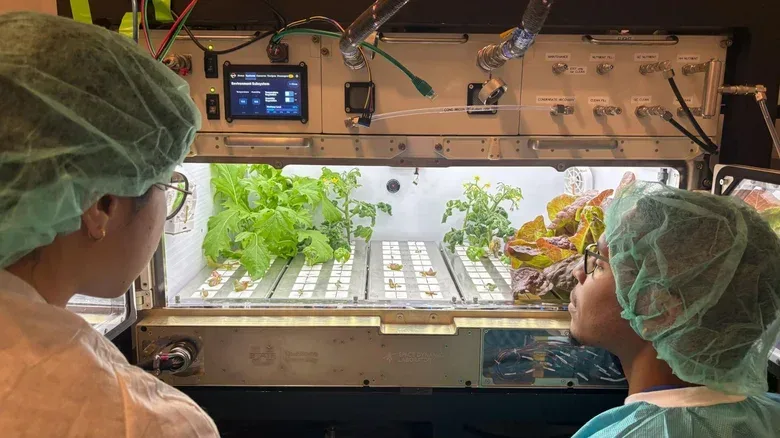
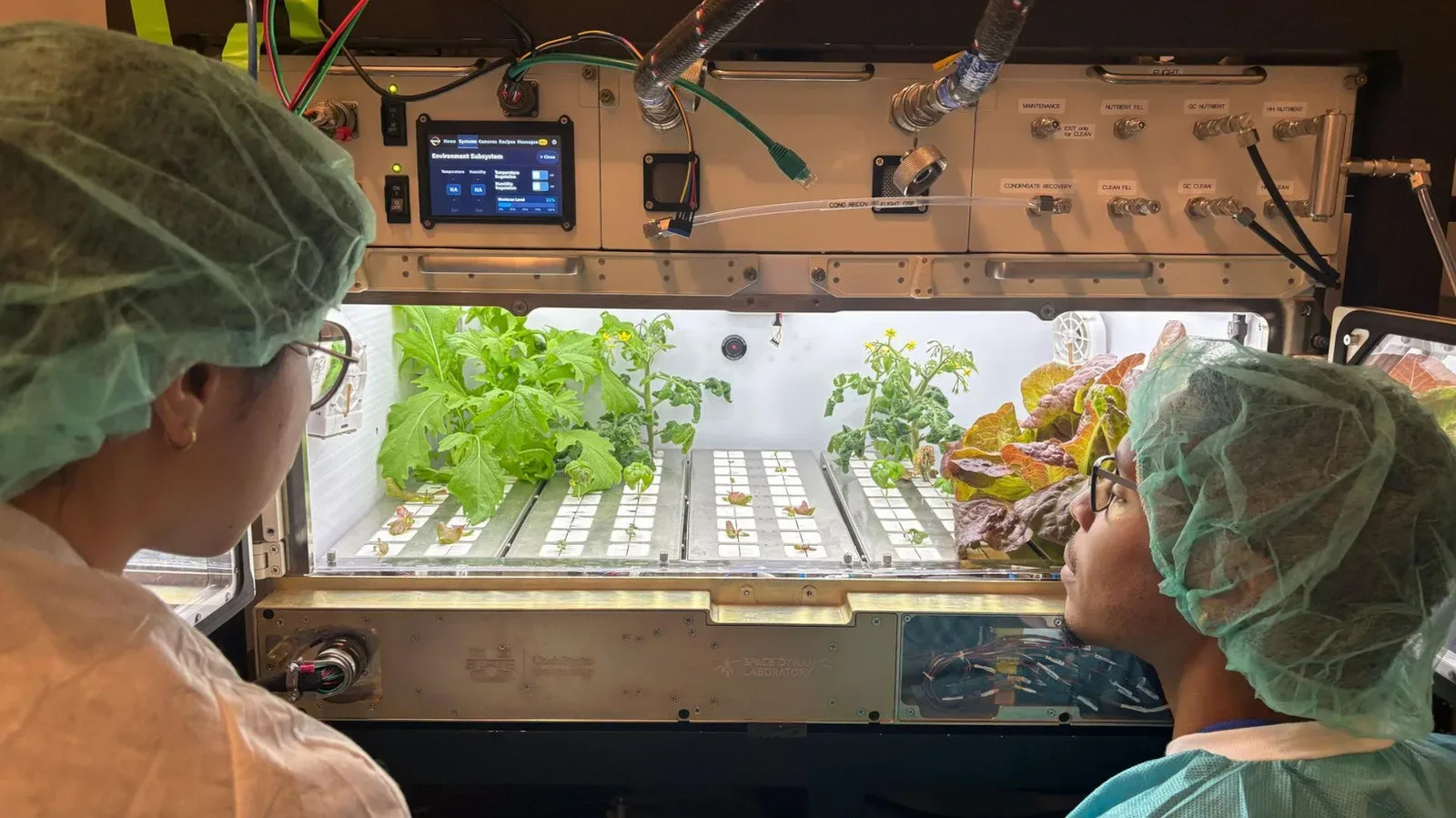
NASA is preparing to send Ohalo III, a larger prototype crop-growing system, to the International Space Station aboard Northrop Grumman’s 25th resupply mission. The experiment is about much more than putting a few plants in orbit: it is intended to supply practical data for food-production systems that could support future habitats on the Moon and missions to Mars.
The resupply launch is scheduled for November 29 at 10:47 a.m. Eastern time. Ohalo III has been in development at Kennedy Space Center since 2019, and NASA describes it as a first-of-its-kind space crop-production system. Astronauts have grown plants on the ISS before, but Ohalo III represents a newer and bigger approach designed to investigate how a production rig can support multiple crops at once while making effective use of a constrained environment.
Why growing food in space matters
Food becomes a much harder logistical problem as missions extend farther from Earth. A crew traveling for months or years must either carry enough provisions for the entire journey or have dependable ways to add to its food supply. Storage volume is limited, while routine resupply becomes less realistic with distance. For destinations such as the Moon and Mars, crop production is therefore part of a larger effort to make human exploration more sustainable.
The central aim is not simply to demonstrate that a plant can survive in orbit. NASA wants information that can help develop crop-production strategies that are safe, nutritious and reliable. Those three goals carry distinct practical meanings:
- Safe means the growing process must be suitable for a crewed environment.
- Nutritious means a harvest must be useful as food, rather than being only a scientific specimen.
- Reliable means the system needs to work predictably enough to contribute to a real mission plan.
That framing matters because a future Moon base or Mars mission cannot treat food production as a one-off novelty. Any crop system intended to supplement supplies would need to operate as dependable habitat equipment. It has to use its allocated space wisely, deliver water effectively and accommodate the needs of plants without placing unrealistic demands on the people maintaining it.
What Ohalo III will test on the station
ISS testing will focus on validating Ohalo III’s water-delivery system and its volume-optimization technology. In straightforward terms, water delivery is the method used to get water to plants. In a tightly managed growing rig, that is a core function: crops need a consistent supply, and the system has to make that supply manageable within the hardware.
Volume optimization concerns how effectively the rig uses the physical room available to it. Space inside a spacecraft or habitat is limited, so food-production equipment has to justify its footprint. A system that uses available volume efficiently could be more practical than one that requires separate rigs for every crop or leaves usable growing space idle.
Ohalo III’s multi-cropping capability is particularly important in that context. Multi-cropping means the system can grow different kinds of plants together in one production rig. NASA’s ISS work will help establish how that capability performs in practice. Rather than assuming a single setup can support a varied crop mix, the experiment is designed to create evidence about the hardware and its operating approach.
That distinction is worth keeping in view. Ohalo III is a prototype, not a declaration that long-duration missions have solved the food problem. The ISS test is a validation step, gathering data that can inform later crop-production strategies for Moon-base habitats and Mars exploration.
The ISS as a proving ground, not the final destination
The station provides a working setting in which scientists and astronauts can evaluate the system’s performance. That makes the experiment meaningful beyond its immediate payload: each result can help narrow the gap between an experimental garden and a crop-production method that could be incorporated into future exploration planning.
NASA’s stated rationale is direct. The farther people travel, the less viable it becomes to rely solely on packed supplies from Earth. Sustained food production outside Earth would give crews another option. Ohalo III is one attempt to understand the equipment and resource-management choices required to make that option more dependable.
There is also an important difference between growing a plant and operating a production system. A production system implies repeatability, resource control and enough capacity to be relevant to an ongoing human presence. The project’s attention to water and growing volume reflects that systems-level challenge. The question is not merely whether plants can grow, but whether the surrounding hardware can support a useful, repeatable process under the constraints of spaceflight.
Potential value for farming on Earth
The knowledge gained from Ohalo III could also have applications on Earth. NASA notes that its work may be useful for vertical farming and other indoor-growing systems. That does not mean the space rig and an Earth-based farm are identical. It means similar questions can matter in both places: how to deliver water to crops effectively, how to use limited growing volume, and how to manage more than one crop in a shared setup.
Vertical farming generally refers to growing plants in stacked or vertically arranged spaces. Indoor growing likewise shifts farming into controlled environments rather than relying only on outdoor fields. For either approach, the efficient use of room and resources is a practical concern. A space-focused experiment can therefore produce lessons with relevance beyond spacecraft, even though the immediate mission is about future exploration.
That Earth-side possibility is best understood as a potential benefit, not an announced commercial result. Ohalo III’s upcoming ISS work is meant to advance NASA’s understanding of crop production for Moon and Mars missions. Any broader use will depend on what the testing actually reveals about the design.
What to watch after launch
The initial milestone is getting Ohalo III to the ISS with the Northrop Grumman resupply mission. The more consequential stage follows on orbit, when the water-delivery and volume-optimization systems can be evaluated and the multi-crop design can generate data for researchers.
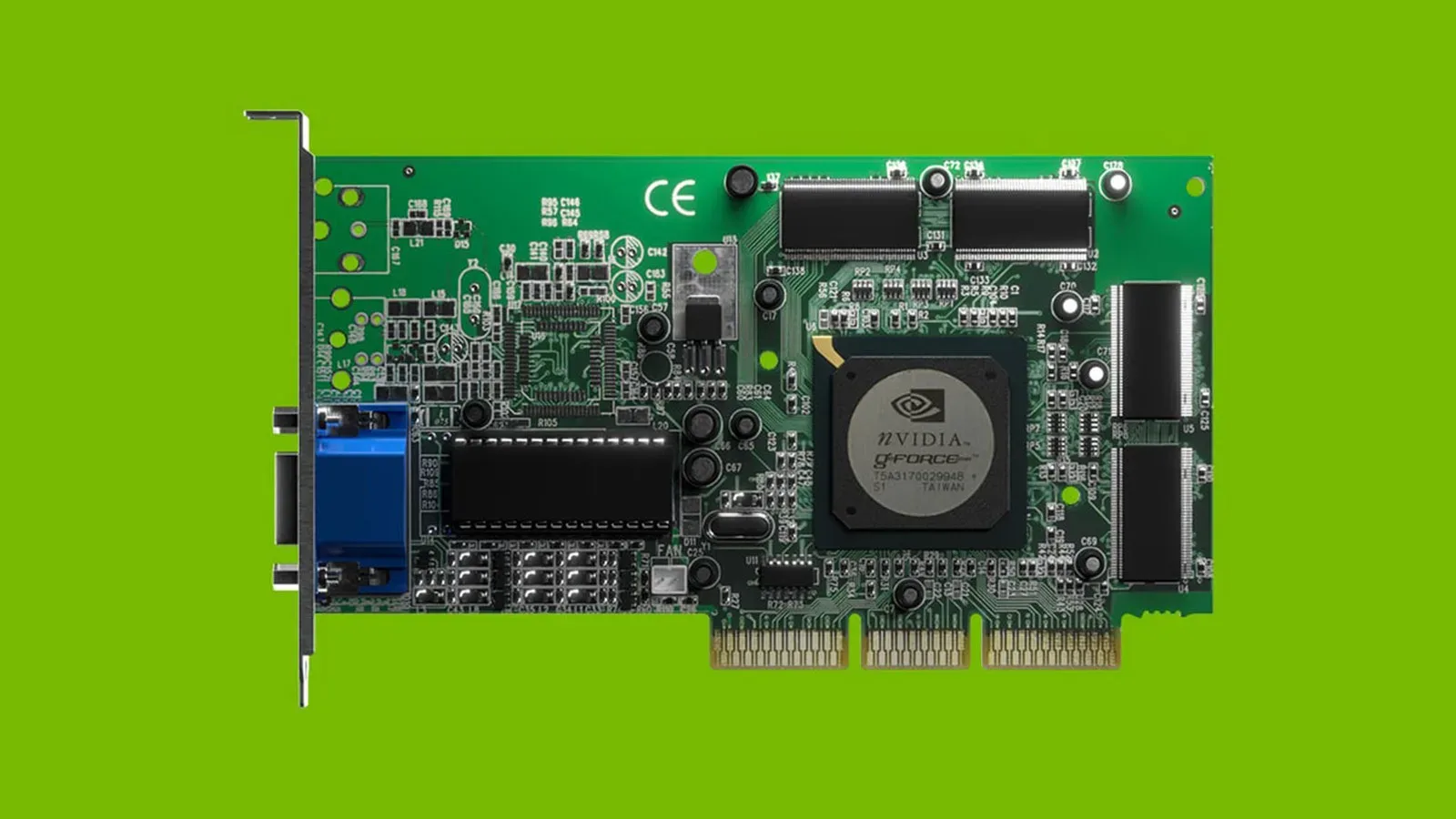
For readers interested in how specialized hardware evolves from a prototype into a defining part of a larger platform, the trajectory is different but the development logic is familiar from computing history: our look at the GeForce 256’s early role in defining the GPU explores another example of a component designed around a changing technical need.
Ohalo III has a far more fundamental job than boosting performance: it is part of research into how people might feed themselves when Earth is no longer close enough to function as a dependable supply shelf. The ISS experiment will not answer every question around long-duration food security, but it is positioned to provide targeted evidence on the water, space-use and crop-mixing issues that future habitat systems will need to address.