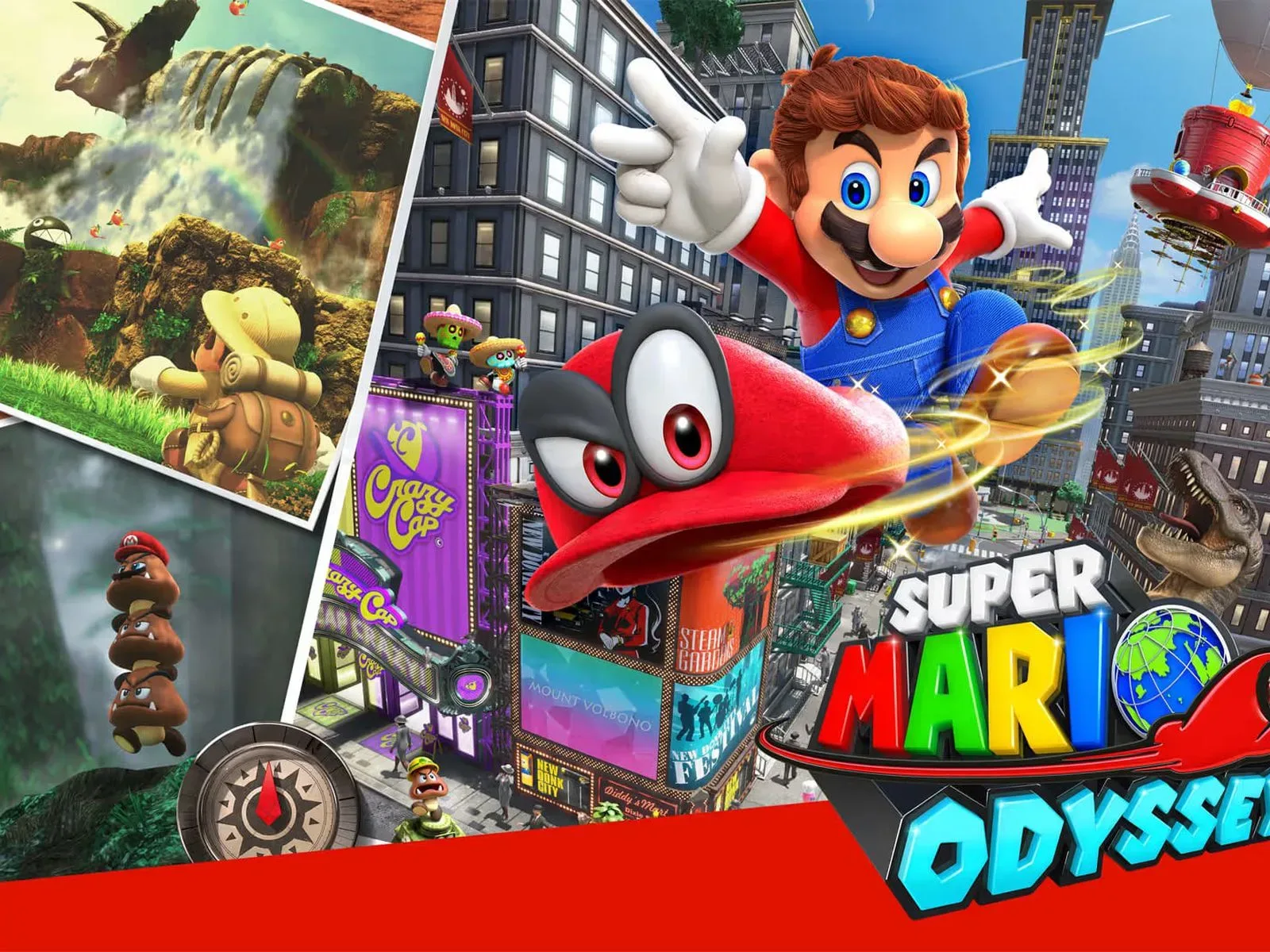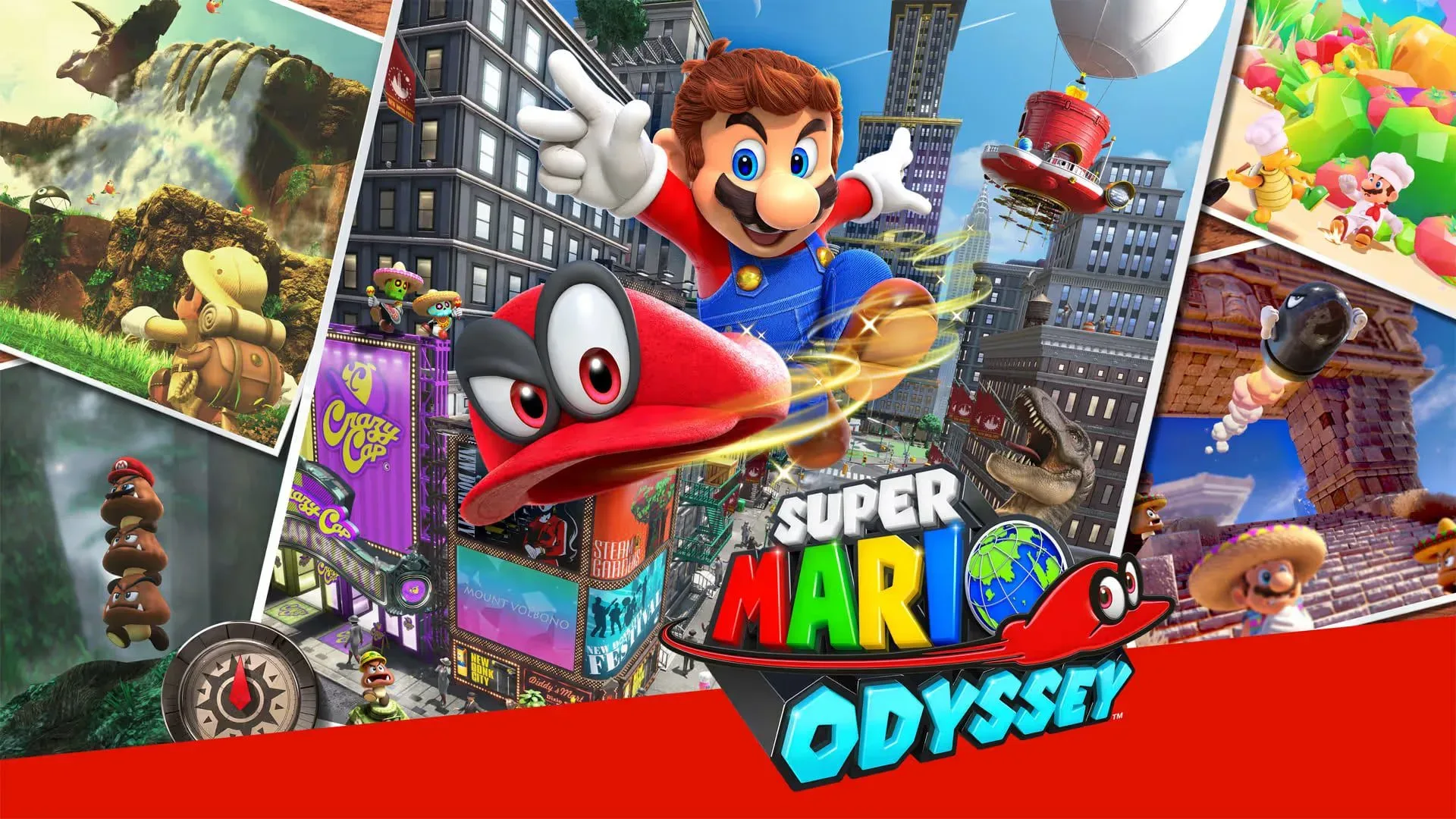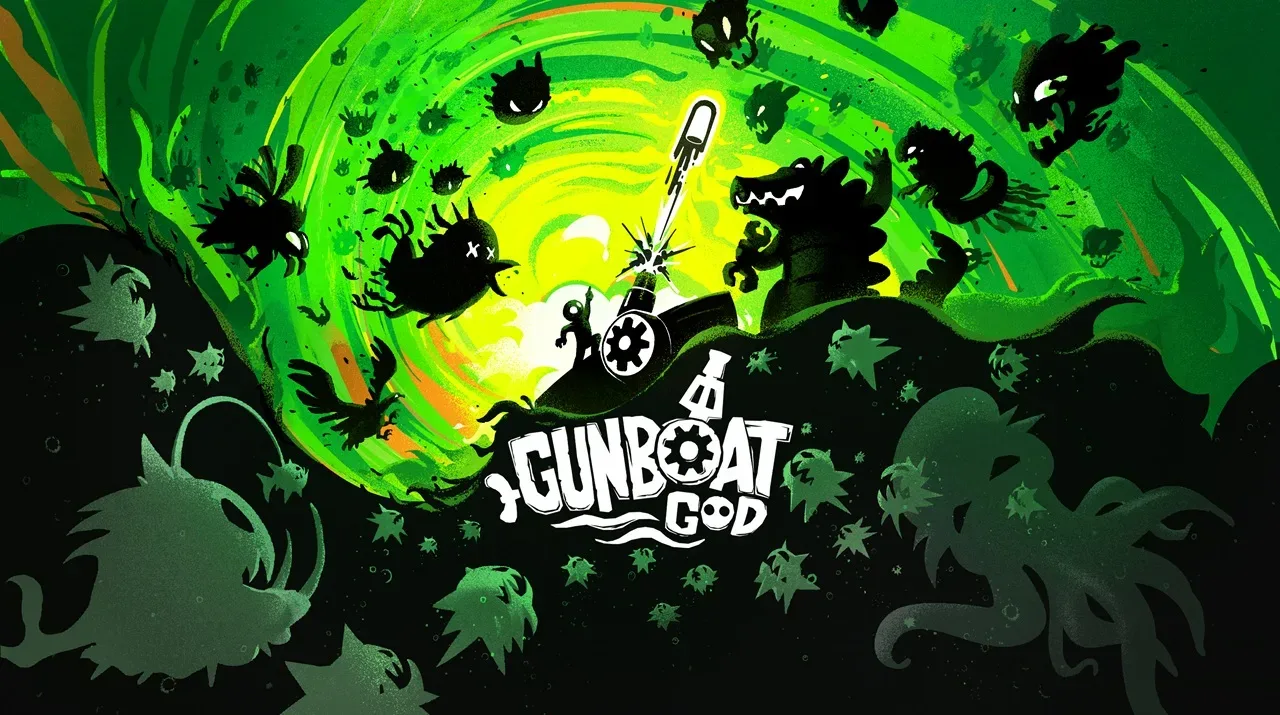
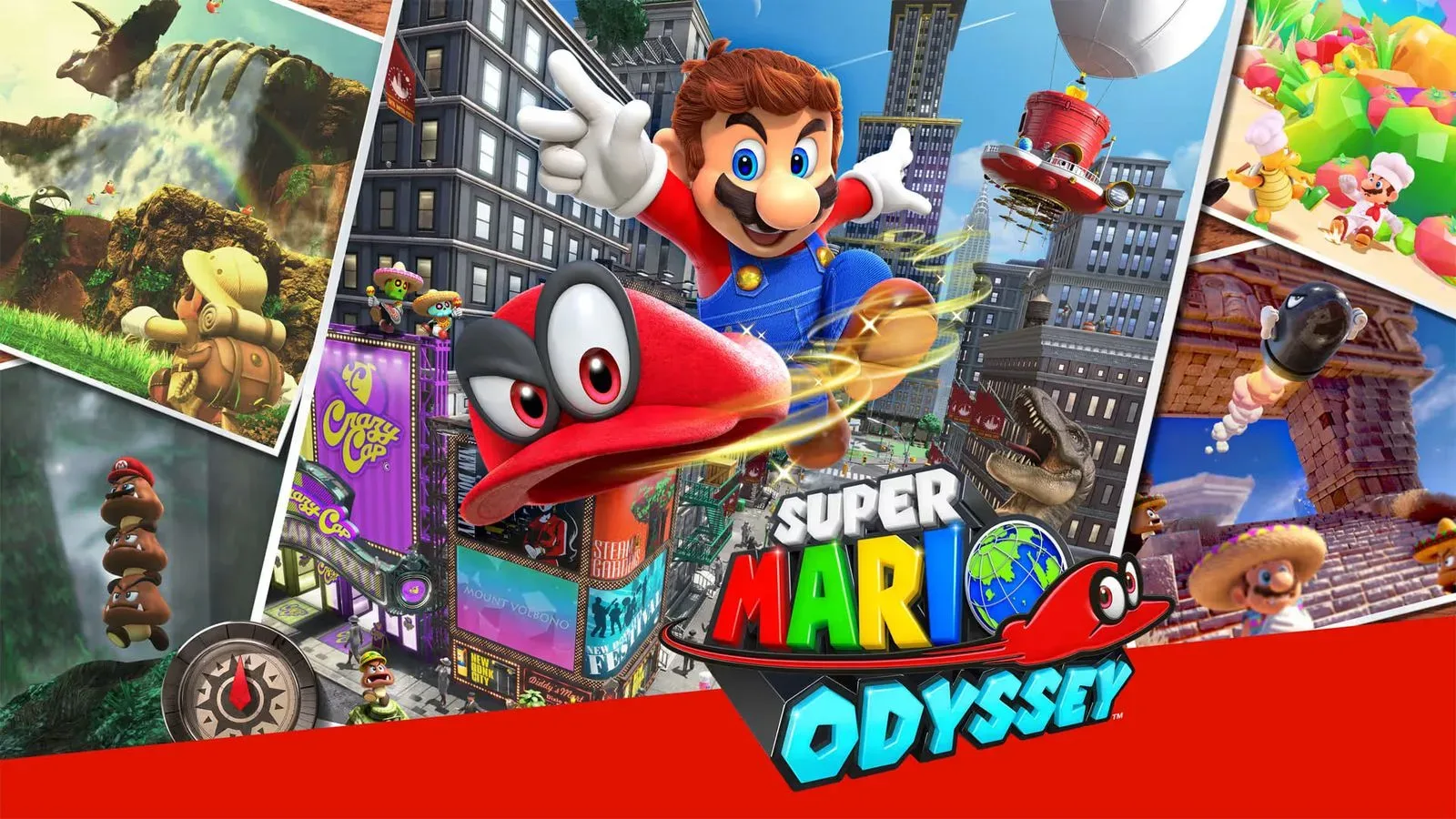
A community-built project called TVPort has reportedly made it possible to run Super Mario Odyssey and Animal Crossing: New Horizons on a third-generation Apple TV 4K. The project’s creator, who uses the name FloatingFalafel, describes TVPort as an open-source fork of nxnative, a toolkit intended to recompile Nintendo Switch and Switch 2 games for Apple TV through a Mac.
That distinction matters. This is presented not simply as running a game through an emulator, but as recompiling it to run natively on Apple’s TV hardware. FloatingFalafel says Super Mario Odyssey runs at 60 frames per second, while Animal Crossing: New Horizons runs at 30fps. Those are creator-provided performance claims, not broad compatibility guarantees: only those two games are identified as tested so far.
It is a striking technical experiment, especially for a compact streaming device better known for video apps, television interfaces and casual games than for hosting large Nintendo console releases. But it is also a project with major practical constraints and an obvious legal cloud over it. TVPort does not distribute game files, and getting files from a player’s own cartridges requires a modified Nintendo Switch. Nintendo has also previously pursued legal action against unauthorized tools for playing its games.
What TVPort says it does
TVPort is described as a fork of nxnative. In software development, a fork is a separate project created from an existing codebase. It can retain the original project’s foundations while making changes for a different goal—in this case, Apple TV support.
The stated workflow uses a Mac to recompile compatible Switch or Switch 2 game software for Apple TV. Recompilation broadly means translating software into code that can run on a different target platform. It is different in concept from emulation, where one system imitates another system’s environment at runtime so its software can execute. The technical routes can lead to a superficially similar result—a console game appearing on a non-console device—but the engineering approach, limitations and compatibility work can be very different.
“Native” in this context means the resulting software is intended to run directly on the Apple TV’s own platform rather than relying on a full Switch environment being emulated while the game runs. That does not mean every Switch title will automatically work, nor does it establish equal performance across a library. Porting and recompilation efforts commonly depend on game-specific behavior, graphics requirements, controller handling and other software assumptions that may not translate cleanly.
TVPort’s open-source status means its code can be examined and potentially developed by others. Its creator has invited people to try additional games. Still, an invitation to test should not be mistaken for a verified compatibility list. At present, the supplied information identifies two tested titles and no confirmed results for others.
The reported performance numbers
FloatingFalafel reports that Super Mario Odyssey reaches 60fps on Apple TV 4K, while Animal Crossing: New Horizons reaches 30fps. A frame rate is the number of individual images a system displays each second. Higher frame rates can make motion appear smoother, though the actual experience also depends on frame pacing, input responsiveness, display settings and whether performance remains consistent through demanding scenes.
The two numbers should therefore be read carefully. They tell us what the project creator says occurred with these specific games, not that TVPort will produce the same result for another title, another configuration, or every portion of either game. No wider testing results, resolution details, performance methodology, compatibility table or independent measurements are provided here.
Even so, the claims are notable because Super Mario Odyssey and Animal Crossing: New Horizons have very different gameplay demands. One is a fast-moving 3D platformer where consistent motion can be especially conspicuous; the other is a life-simulation game whose pacing is less dependent on rapid camera action. The reported difference also underlines why a single performance number is not a universal verdict on the project or the Apple TV hardware.
It is not a plug-and-play Apple TV app
The headline-grabbing part is a Nintendo game running on Apple TV. The important qualification is that TVPort is not described as a consumer-ready storefront release or a simple app download with games included.
Game files are not bundled with the software. Users must supply files from cartridges they own, and the process of extracting those files requires a modified Nintendo Switch. That requirement places TVPort firmly in specialist, enthusiast territory rather than the ordinary Apple TV experience.
- A Mac is required for the described recompilation process.
- TVPort itself does not include Nintendo game files.
- Users need files from their own cartridges.
- Obtaining those files requires a modified Switch.
- Only Super Mario Odyssey and Animal Crossing: New Horizons are named as tested.
Those conditions are useful context for anyone seeing the project as a potential new way to play Nintendo’s library. The project demonstrates a technical possibility; it does not create official Apple TV versions of Nintendo games, change Nintendo’s platform policies, or eliminate the work and risk involved in preparing the necessary files.
The discussion also lands amid continuing interest in where paid games live after their original hardware cycle. The split between platform access, owned software and physical media remains a live issue, as reflected in recent reporting on the role physical copies still play in paid console gaming. TVPort does not resolve that debate, but it illustrates why players and developers keep exploring unconventional hardware paths.
AI’s role: a development claim, not a magic port button
TVPort was built using Claude Opus 5.5, according to its creator. That places generative AI in the project’s development story, but it is worth being precise about what that does and does not establish.
The available information does not say that an AI tool autonomously ported these games, tested their performance or produced a one-click conversion process. It says the open-source project was built using the model. In practical software work, an AI model may assist with code generation, explanations, debugging ideas, refactoring, documentation or translating developer intent into implementation. Each use can speed up portions of a task, while the finished program still has to function correctly on the intended hardware.
For readers, the most grounded takeaway is not that AI has instantly made every console game portable. Rather, a developer has used AI in the creation of a tool that claims to recompile certain games for Apple TV. Its usefulness will depend on the actual code, title-by-title compatibility, performance, setup complexity and the project’s ability to remain available.
Nintendo’s past enforcement is the largest unanswered question
TVPort’s technical premise sits beside a serious question of durability. Nintendo has frequently objected to unofficial methods of playing its software. In 2024, Nintendo sued the team behind the Yuzu emulator. That case ended with a $2.4 million settlement and Yuzu being shut down.
That history does not, by itself, determine the outcome for TVPort or establish a legal ruling specific to this project. It does make clear why its future is uncertain. An open-source tool, a recompilation workflow, user-provided files and a modified console are all relevant facts, but they do not erase the possibility of enforcement or platform-level changes affecting the project.
For now, TVPort is best understood as an unofficial proof of technical ambition with narrow reported testing: two Nintendo games, Apple TV 4K as the target, a Mac-based workflow, user-supplied cartridge files and performance figures supplied by the project’s creator. The 60fps claim for Super Mario Odyssey is attention-grabbing, but the story’s more lasting significance may be the combination of an accessible consumer box, an open-source recompilation project and AI-assisted development—along with all the constraints that come with each.