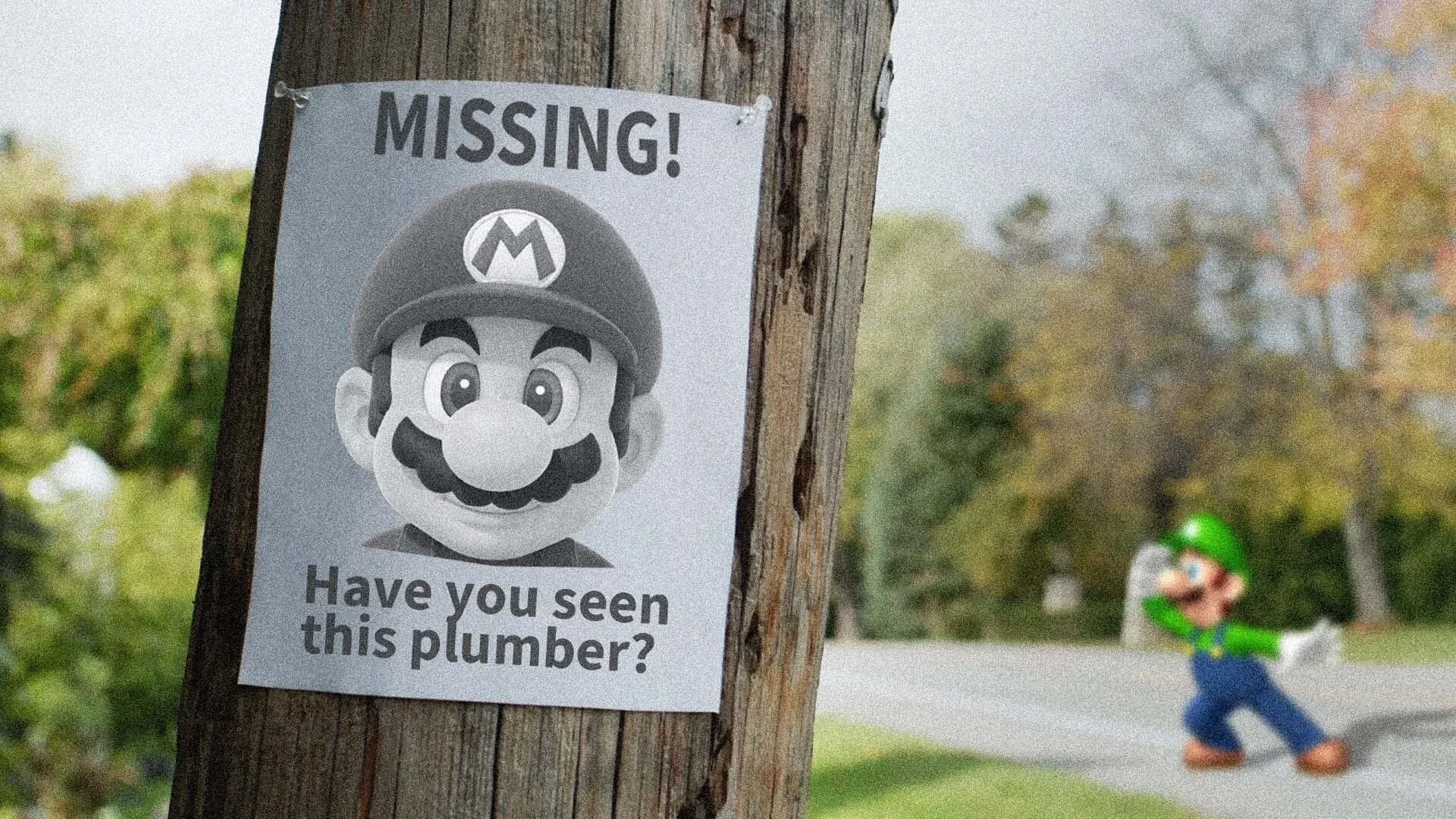
Nintendo’s Switch 2 library has become increasingly crowded with familiar faces, yet the company’s most recognizable character is conspicuously missing from the release slate. More than a year after the hardware arrived, and following a Nintendo Direct packed with Switch 2 software, Nintendo has still not announced a wholly new mainline 3D Mario game for the system.
That is not the same thing as Mario being absent from Switch 2 altogether. Mario Kart World is, naturally, built around the Mushroom Kingdom’s most famous driver. Super Mario Bros. Wonder – Nintendo Switch 2 Edition + Meetup in Bellabel Park also gives a Mario game a Switch 2-specific update. But those releases do not fill the particular role usually occupied by a fresh, big-budget Mario platformer designed to define a Nintendo home console.
The distinction matters because Mario has historically arrived early when Nintendo introduces new hardware. Whether the next game is a wide-open exploration adventure, a more focused 3D course-based platformer, or a reinvention nobody has guessed yet, the character’s next major platforming assignment remains a blank space in the company’s plans. At this stage, the silence is notable precisely because so many of Mario’s Nintendo stablemates have had a moment.
A launch window filled with everyone else
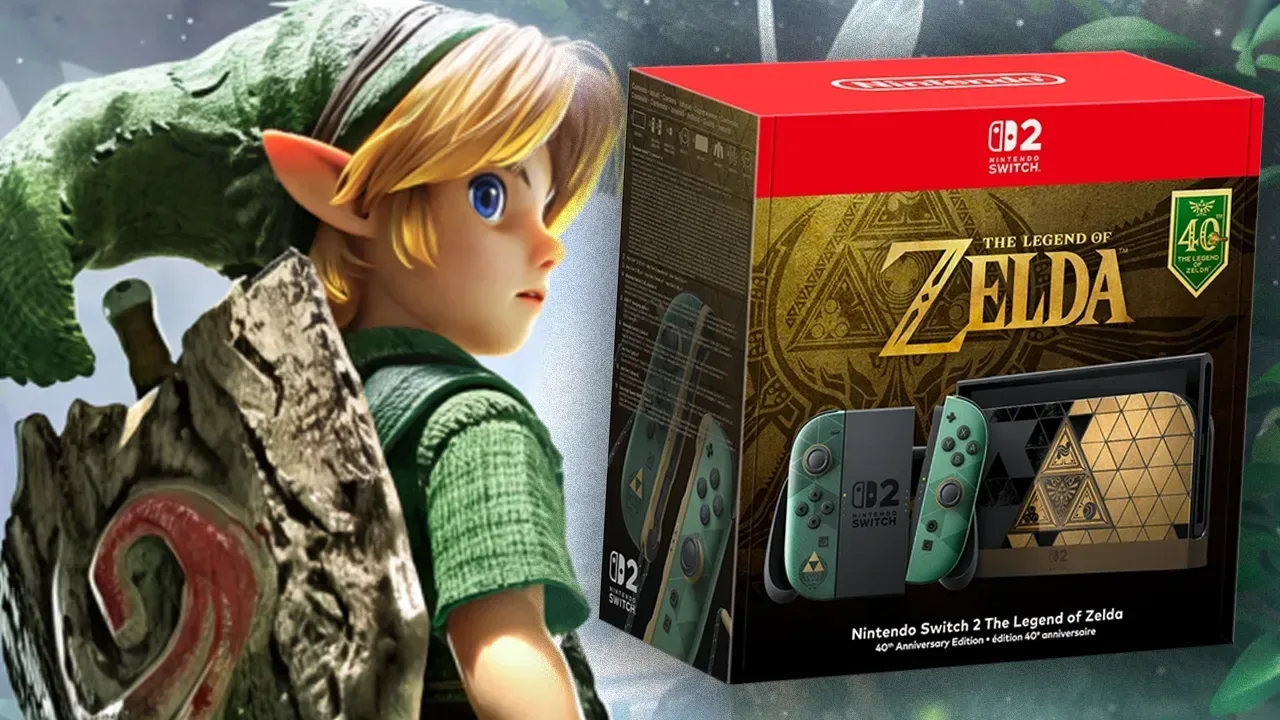
Switch 2 has not lacked mascot power. Donkey Kong has had a major presence through Donkey Kong Bananza, a game made by the team associated with Nintendo’s 3D Mario work. Kirby is on the schedule with Kirby and the World Beyond. Link is represented by an Ocarina of Time remake, while Samus Aran is set to return in the newly announced Metroid Ravenous.
Elsewhere, the Inklings remain part of Nintendo’s broader Switch 2 lineup, Fox McCloud has recently received a new game, and Pikmin appear through an upgraded version of Pikmin 4. Animal Crossing has received a Switch 2-only upgrade for New Horizons, and Pokémon is represented by Pokopia. It is an unusually broad roll call of Nintendo properties, bolstered by enhanced ports and upgraded editions as the company shifts its attention toward the newer machine.
That makes Mario’s absence feel less like a general shortage of first-party activity and more like a conspicuous empty chair at the party. Nintendo has not forgotten its mascot; the Mario brand is clearly on Switch 2 in racing and updated-platformer form. Still, a Mario Kart game and an enhanced edition do not automatically answer the question fans tend to ask at the beginning of a console generation: where is the new Mario adventure that makes the hardware’s purpose instantly obvious?
For players adding funds for the existing Switch ecosystem, this reported Nintendo eShop gift-card offer with account caveats is one small reminder that the platform’s catalog is continuing to evolve. Yet the marquee Mario question sits on a different scale. It is about the system’s identity, not simply its store page.
The previous 3D Mario timetable
The wait looks especially unusual when measured against the main home-console 3D Mario releases that came before it. Since Mario’s move into 3D, Nintendo has generally made sure a new 3D entry appeared at or close to the start of each major hardware generation.
- Super Mario 64 launched alongside the Nintendo 64.
- Super Mario Sunshine reached the United States nine months after the GameCube launched there.
- Super Mario Galaxy arrived 12 months after the Wii’s U.S. debut.
- Super Mario 3D World released 12 months after the Wii U launched in the United States.
- Super Mario Odyssey came out seven months after the original Nintendo Switch launched.
Against that record, Switch 2 being more than a year old without even an announced new 3D Mario marks a meaningful break from a pattern that stretches back roughly three decades. The earlier releases were not identical in ambition or structure. Super Mario 64 helped establish the rules for 3D platforming; Sunshine centered movement around F.L.U.D.D.; the Galaxy games played with gravity; 3D World took a more course-driven direction; and Odyssey emphasized broad kingdoms and Cappy’s possession mechanic.
What united them was timing. Each gave its respective machine a showcase Mario platformer relatively early. Switch 2 has yet to receive its comparable announcement, let alone its release date.
Why an update is not the same as a new adventure
It would be easy to treat any Mario-branded game as an answer, especially given the scale and importance of Mario Kart World. Racing games can be enormous system sellers, and Mario’s wider cast ensures that the character is never far from Nintendo’s marketing. The Switch 2 version of Super Mario Bros. Wonder also keeps Mario’s platforming legacy visible on the new console.
But a new 3D Mario is expected to carry a different kind of responsibility. These games routinely demonstrate what Nintendo believes its current hardware can do, not only in visual presentation but in controls, level design, camera design, traversal, and playful technical tricks. They are often a statement of design philosophy as much as a product bearing a famous logo.
Donkey Kong Bananza complicates the picture in an interesting way. Its association with the 3D Mario team means the developers known for Mario’s large-scale 3D platforming sensibilities have not been idle. And by all indications, the game has been very well received. Yet Donkey Kong and Mario are not interchangeable mascots, genres aside. A game built for DK can be ambitious and excellent while still leaving fans curious about how that creative energy might look when applied to Mario’s next original adventure.
Silence leaves room for questions, not answers
There is no announced explanation for the gap, so it would be premature to turn it into a firm story about delays, a changed development strategy, or an unusually enormous Mario project. Nintendo has not shown its hand. The absence of an announcement only establishes that the company has not publicly revealed a new mainline 3D Mario for Switch 2 so far.
There are, however, several understandable reasons people are noticing it now. The console has passed its first year. Nintendo has just held a major presentation. The company is prioritizing Switch 2 while the original Switch has received only a brief mention. And the software lineup has steadily offered the spotlight to Donkey Kong, Kirby, Zelda, Metroid, Pokémon, Animal Crossing, Star Fox, Pikmin, and others.
Mario’s role within Nintendo makes the missing reveal feel larger than it would for almost any other series. He is the company’s enduring emblem: the red cap, blue overalls, and familiar jump are shorthand for Nintendo far beyond the boundaries of any one game. When a new console has yet to receive a new mainline Mario platformer, it can feel as though a defining chapter of that console’s story has not begun.
Patience may be the sensible response
None of this requires Nintendo to rush. A new Mario game should arrive when its creators have an idea worthy of the character, not merely because a calendar comparison says it is overdue. The long history of reinvention within the 3D series is a strong argument for allowing the next one room to develop. A rushed appearance would do little to satisfy the expectations created by Super Mario 64, Galaxy, and Odyssey.
With the Ocarina of Time remake also positioned as a major upcoming Nintendo attraction, it is reasonable to wonder whether Mario may be held for a later moment rather than competing for attention immediately. That remains speculation, not a confirmed plan. A 2027 reveal or release is plausible only in the broadest sense; Nintendo has provided no timetable for the next mainline 3D entry.
For now, Switch 2 can point to a strong and varied cast of games, upgraded editions, and returning heroes. Mario is present around the edges, speeding through Mario Kart World and appearing in the expanded Switch 2 edition of Super Mario Bros. Wonder. What is missing is the unmistakable signal: a trailer, a logo, a title, or even a glimpse of that red cap attached to an entirely new 3D world. Until Nintendo offers one, the most famous plumber in games remains Switch 2’s loudest quiet absence.