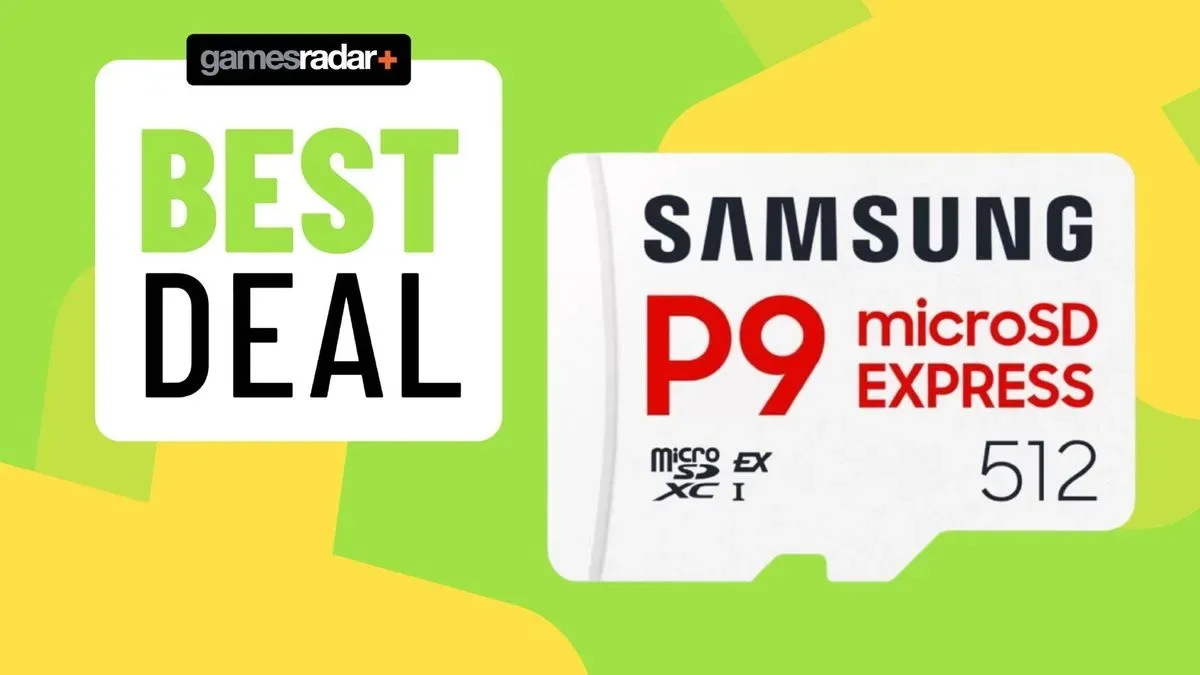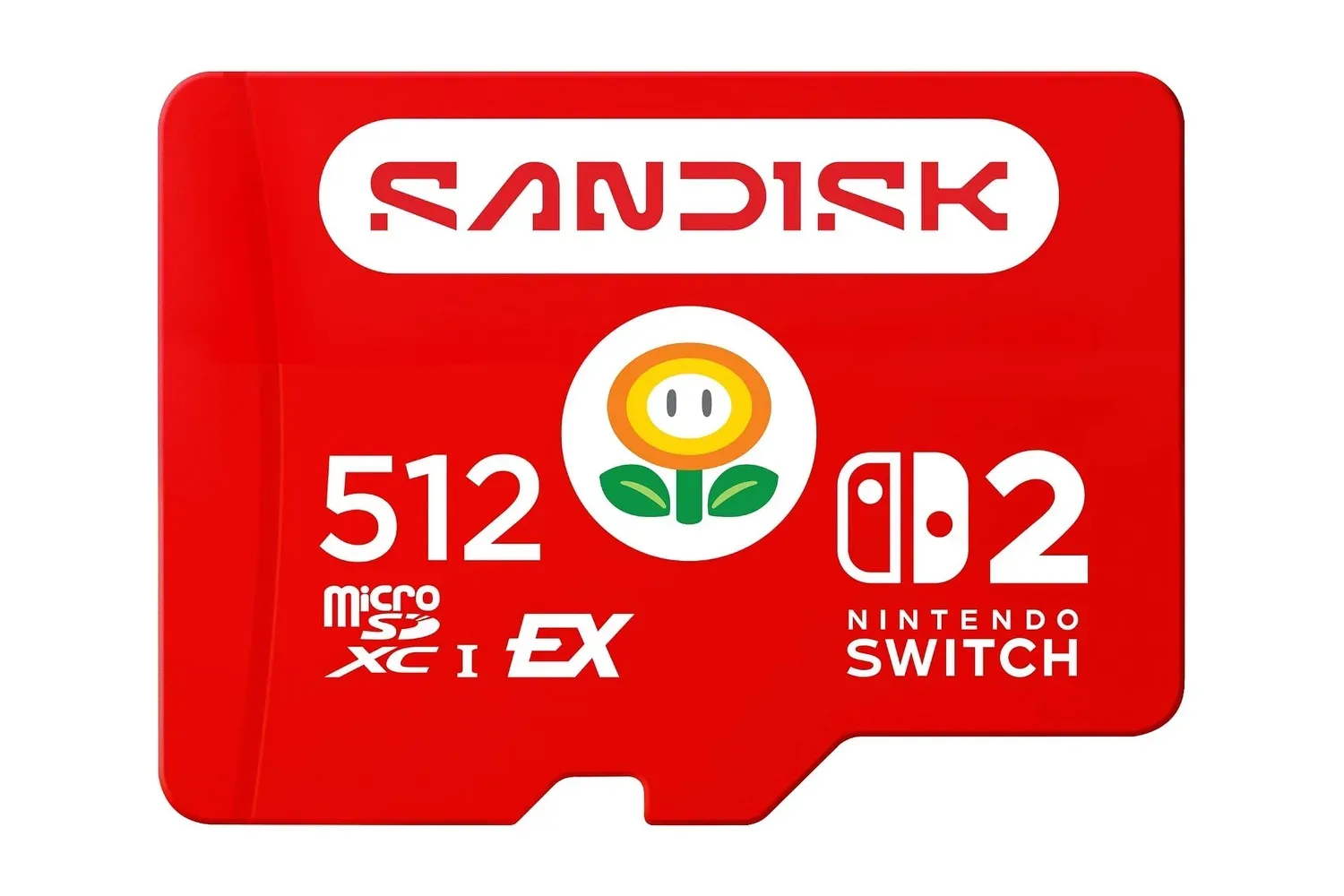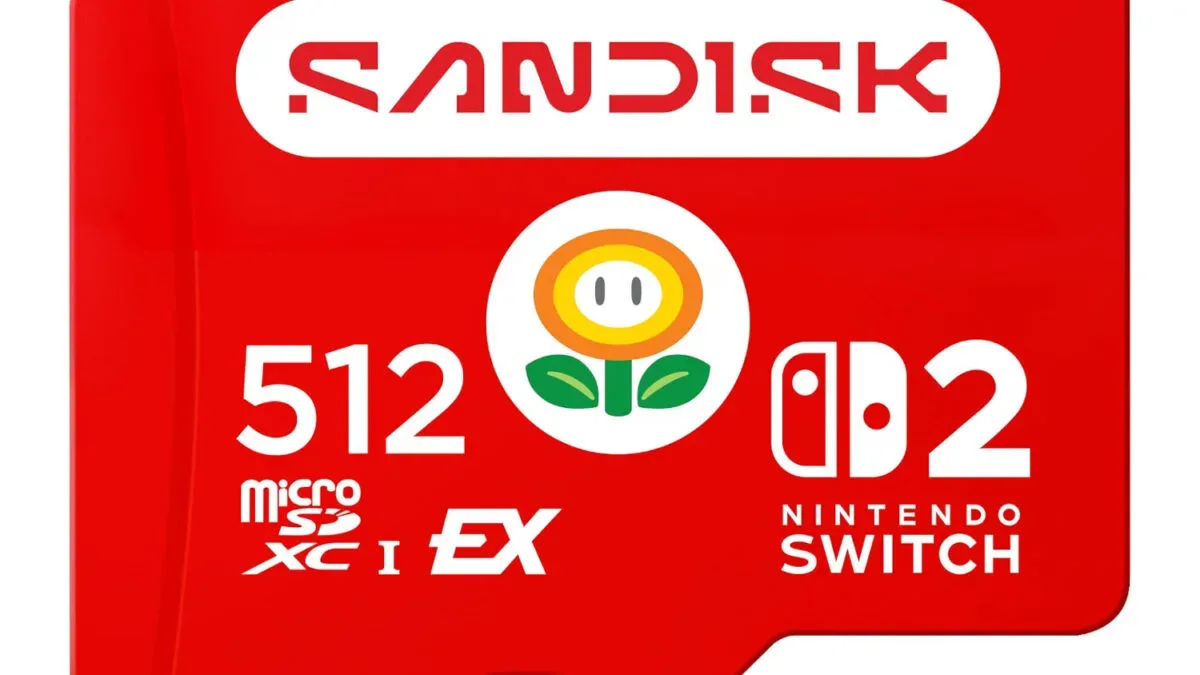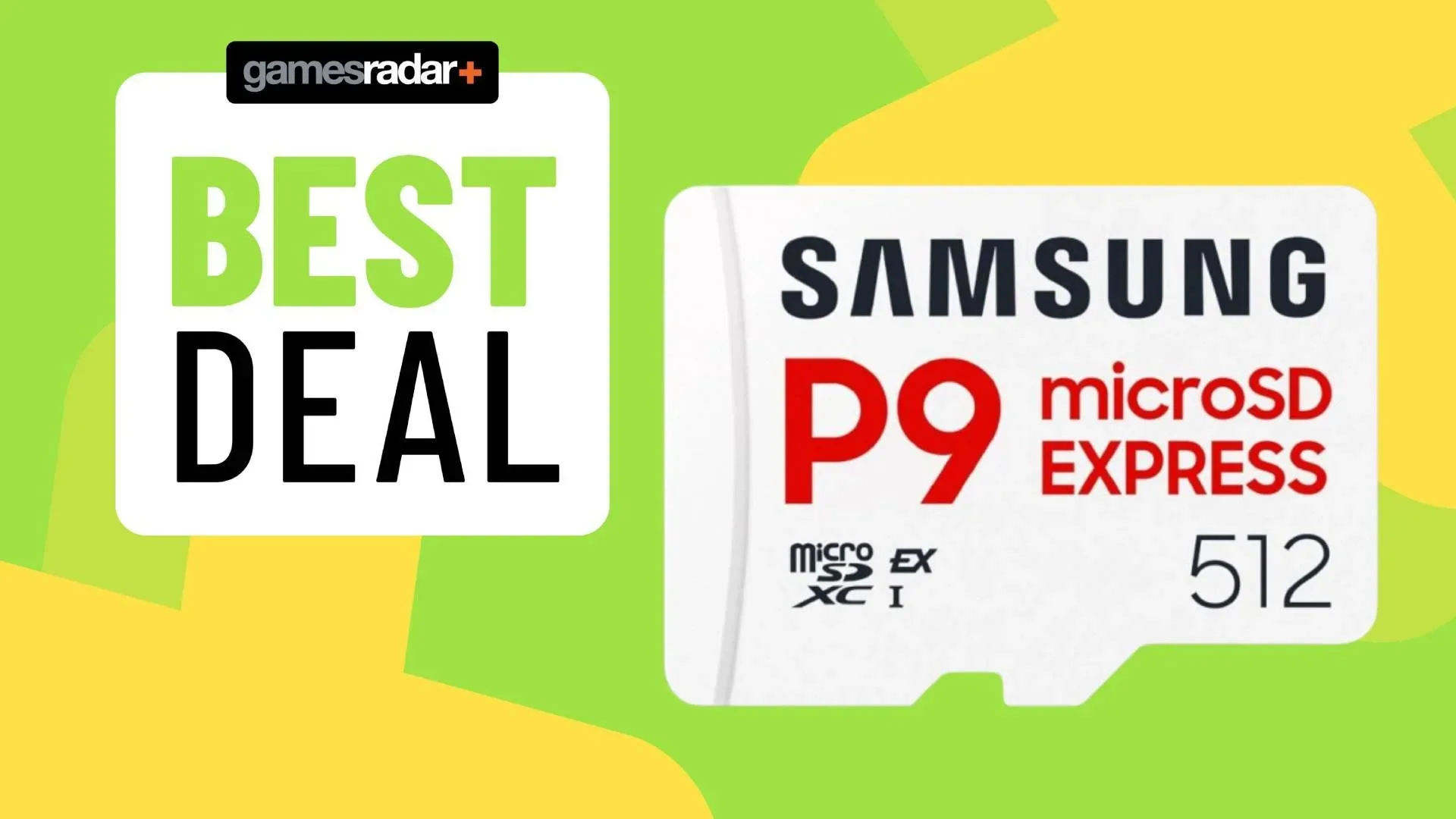
The cute option is losing this storage showdown. A 512GB Samsung P9 microSD Express card is currently listed for $99.99 at Amazon, while a 512GB Super Mario card with Fire Flower artwork is $149.99, reduced from $199.99. Both offer the same headline capacity for Switch 2 owners, which makes the $50 difference the immediate and most practical part of the decision.
The branded card does have a technical advantage on its published specifications. It is rated for read speeds of up to 880MB/s and write speeds of up to 650MB/s. Samsung lists its 512GB P9 card with sequential read speeds of 800MB/s. Yet available game-loading results point to a familiar storage-buying reality: a higher maximum speed number does not automatically translate into a dramatically faster experience on a console.
For shoppers who want more game space rather than another piece of character-branded hardware, the Samsung P9 is the value pick at these prices. The Fire Flower version is a reasonable choice only if its official Mario design is worth paying an extra $50 for, or if the buyer specifically values the modest potential performance edge.
The deal in simple terms
- Samsung P9, 512GB microSD Express: $99.99 at Amazon.
- Super Mario Fire Flower-branded 512GB microSD Express card: $149.99 at Amazon, down from $199.99.
- Capacity: 512GB for either card.
- Difference at the stated prices: $50 in favor of the Samsung P9.
- Stated read-speed figures: 800MB/s sequential reads for the Samsung P9 versus up to 880MB/s reads for the Mario-branded alternative.
The P9’s $99.99 price is also described as its lowest since February of this year. A UK Amazon price of £120 was also listed for the Samsung card, although regional stock and pricing can change independently.
That makes this less a question of whether 512GB is useful and more a question of what the extra money buys. It does not buy extra capacity. It buys the themed presentation and a faster rated specification. Those can matter, but neither changes the basic fact that a shopper can retain the same 512GB of storage while keeping $50 in their pocket.
What the speed ratings actually mean
Storage-card specifications can look decisive because the numbers are large, but their terminology matters. Read speed is how quickly data can be retrieved from the card. In gaming terms, it can affect how fast a game’s stored data is accessed while loading. Write speed is how quickly data can be saved onto the card, which is more relevant when installing or transferring data.
Sequential read speed is a measurement of reading data in an ordered stream. It is useful for illustrating a card’s peak throughput under a particular kind of workload, but it is not a promise that every game and every loading screen will improve by the exact percentage suggested by two advertised figures.
On the stated specs, the Mario-branded card’s 880MB/s maximum read figure is 80MB/s higher than the P9’s 800MB/s sequential-read figure. That is a measurable difference, and buyers should not pretend the cards are identical. But a console’s real loading time is influenced by more than a card’s peak read number: the game’s own loading behavior and the system’s handling of the data are part of the overall result.
Related coverage includes Samsung's 512GB microSD Express Card Is the Better Switch 2 Storage Buy at $99.99.
The cards’ quoted figures should therefore be treated as a performance ceiling or capability claim, not as a stopwatch prediction. The P9 is technically slower on the supplied read-speed information, but that does not establish that it will feel $50 slower.
A useful loading-time comparison
One available comparison helps put the specification gap in perspective. In testing of an 800MB/s Samsung 256GB microSD Express card, Mario Kart World reached its title screen in an average of 22 seconds. A 1TB PNY microSD Express card with a faster 890MB/s read rating recorded an average of 20.39 seconds in the same title-screen test.
That is a difference of 1.61 seconds between the two results. It is not nothing: faster is faster, and repeated loads could add up over long use. But it is also the kind of difference many players are unlikely to perceive without a side-by-side comparison or a timer.
There are important limits to that example. It compares a 256GB Samsung card and a 1TB PNY card, rather than the two 512GB products now being weighed. It is also one game and one loading point, not a universal test across every Switch 2 game. Still, it illustrates why a faster maximum speed can deliver a relatively small practical gain in this kind of use.
That context favors a value-led purchase. A $50 saving is certain at the listed prices. Any loading-time advantage for the higher-rated card is likely to be much smaller and may be difficult to notice in ordinary play.
Who should pay extra for the Fire Flower card?
The Mario-branded 512GB card is not an irrational purchase. Officially licensed hardware can be part of the appeal of owning a Nintendo system, and the Fire Flower artwork gives the card a personality that a standard P9 does not have. For a buyer who wants a coordinated Nintendo setup, that design may be the product feature that matters most.
There is also the stated performance advantage. The branded card advertises up to 880MB/s reads and up to 650MB/s writes, against the P9’s listed 800MB/s sequential reads. Shoppers who simply prefer buying the higher-rated option, even for a likely minor benefit, have a clear reason to choose it.
But that choice should be understood as a premium purchase, not a capacity upgrade. The extra $50 does not expand a library beyond 512GB. It pays for branding and a faster spec sheet. If those are personal priorities, the premium may be worthwhile. If the aim is to add 512GB as efficiently as possible, the P9 has the stronger case.
What Switch 2 owners should check before buying
The central compatibility term here is microSD Express. The two products discussed are microSD Express cards, so shoppers should make sure they are looking at that format rather than assuming any card with similar capacity or Nintendo-themed branding is equivalent. Capacity alone does not tell the full story; the card type is the key detail in this comparison.
Price should also be verified at checkout. The $99.99 and $149.99 figures are snapshots, and storage-card discounts can move quickly. If the gap narrows substantially, the faster rated card becomes easier to justify. If the $50 spread remains, the P9’s value proposition remains straightforward.
Finally, buyers should decide whether they are purchasing a utility item or a display-worthy accessory. A microSD card spends most of its working life inside a console, where its art cannot be admired. That is not an argument against themed tech; it is simply a helpful way to assign a sensible value to it. The Fire Flower design is a real aesthetic benefit, while the lower price is a real financial benefit. Only one of those adds storage space, and neither alters the shared 512GB capacity.
Storage is only one part of building out a console setup; controller buyers watching the wider accessory market can also see how special-edition hardware is being positioned in this look at the Xbox X25 Anniversary Controller’s US and UK stock.
The sensible pick at today’s listed prices
At $99.99, Samsung’s 512GB P9 delivers the same stated capacity as the $149.99 Mario-branded alternative while costing $50 less. The themed card holds a paper-speed lead, but the available Mario Kart World figures show how a near-90MB/s rated read-speed advantage can amount to only a little over a second in one title-screen loading comparison.
That does not make the Fire Flower card bad. It makes it a choice for people who value the official artwork or want the higher maximum specifications. For everyone else, the P9 is the more pragmatic Switch 2 storage purchase while this price gap lasts.
Shop the products
Check current price, model and availability at the retailer.