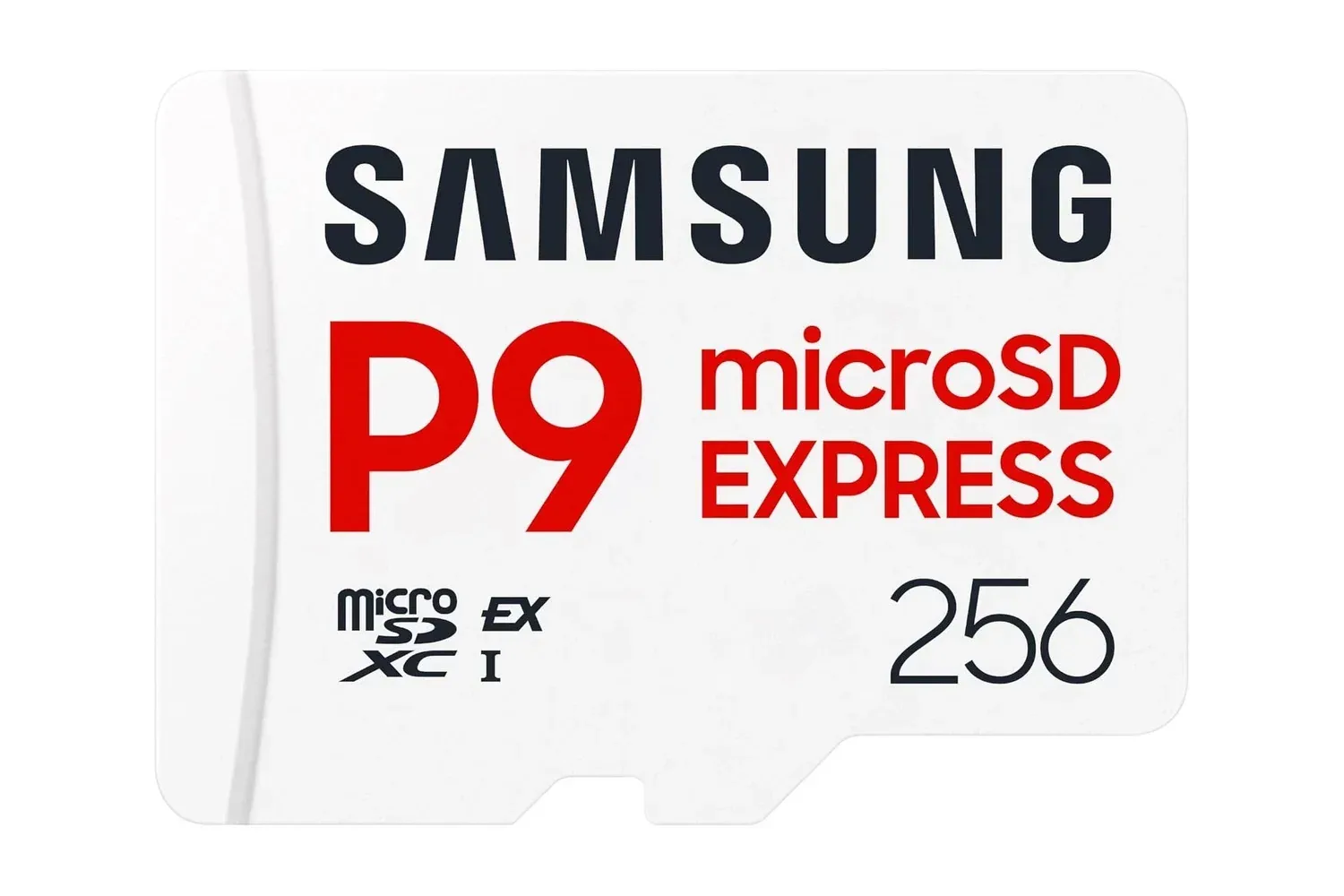
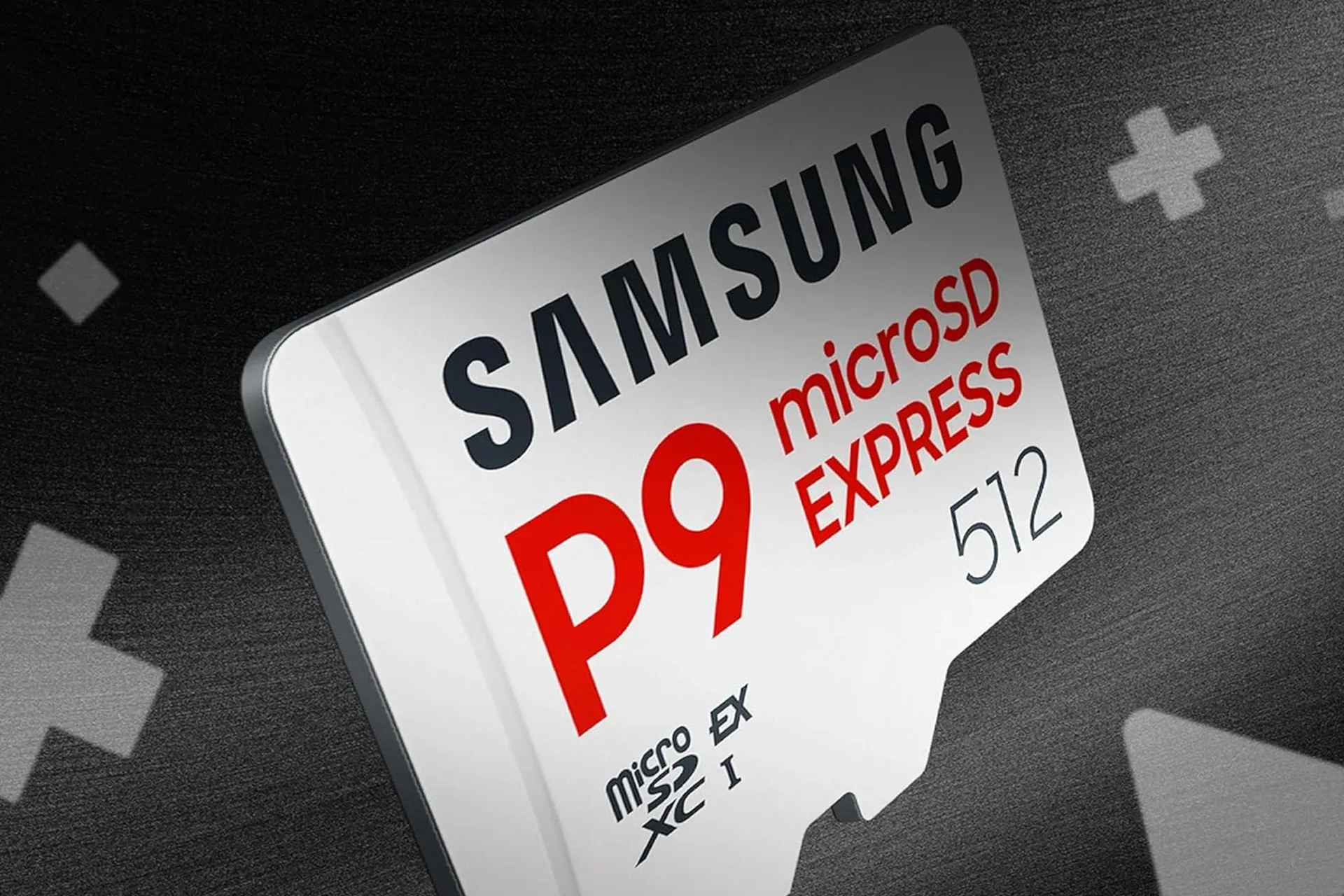
Switch 2 storage expansion is not a matter of grabbing whatever microSD card is already sitting in a drawer. The console runs games from microSD Express media, a newer and faster category than the regular microSD cards many players used with the original Switch. That distinction makes the current price cut on Samsung’s 512GB P9 Express card more notable: it is listed at $92, reduced from $149, a 38% drop.
The promotion is available to all shoppers rather than being restricted to a membership program. There is also a discounted 256GB model at $44 for players who want to spend less or simply do not expect to maintain a large installed library. As with any limited-time retailer pricing, the important number is the price displayed at checkout, and stock can change quickly during a major sale period.
Why the card format matters on Switch 2
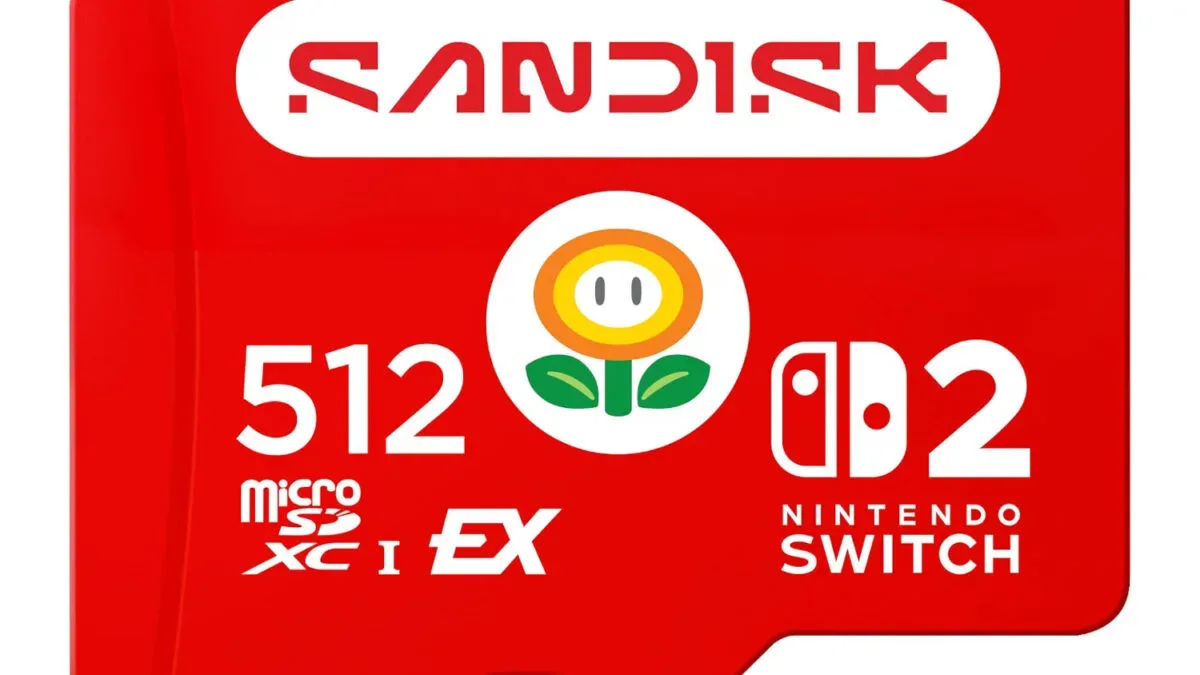
Storage names can be deceptively similar. A conventional microSD card and a microSD Express card may share the familiar small physical shape, but they are not equivalent for the specific job of installing and running Switch 2 games. Switch 2 requires microSD Express cards for that purpose. An older card from the original Switch therefore cannot simply be moved over as game storage, even if it has plenty of free capacity.
The key term here is sequential read speed: the rate at which data can be read in a continuous stream. Samsung rates the P9 Express at up to 800 MB/s for sequential reads. “Up to” is important language. It is a manufacturer maximum rather than a guarantee that every task will sustain that figure. Still, the rating identifies the performance class the console needs from an expansion card.
Samsung says the P9 Express can load into a game up to four times faster than its standard microSD cards. That is a comparison to Samsung’s regular cards, not a promise about a particular Switch 2 game, so it is best read as a product-family performance claim. The practical point is clearer: speed is not a luxury specification on this console. It is part of the format requirement for playing games from removable storage.
512GB can reduce library triage
Switch 2 includes 256GB of internal storage. That is a useful starting point, but installed games and their updates draw from the same finite pool. A handful of larger releases can turn a seemingly roomy console into one that requires frequent decisions about what stays installed and what gets deleted for later re-download.
Adding a 512GB card gives the system three times its built-in capacity in additional storage terms: 256GB internally plus 512GB on the card means 768GB of total nominal space before normal system overhead and formatting considerations. More importantly, the card alone is twice the size of the console’s internal allocation. It does not eliminate the need to manage a library forever, but it can make that management much less frequent.
This is especially relevant for players who rotate among several games rather than focusing on one release at a time. An expansion or a return to a previously installed game is less convenient when it begins with making room, downloading files again and waiting for an installation. With new content continuing to arrive for major games—including Hollow Knight: Silksong’s Sea of Sorrow expansion—the appeal of leaving games installed is easy to understand.
Related coverage includes Samsung's 512GB P9 Express Card Is Down to $92 for Switch 2 Storage Expansion.
That said, capacity should be chosen around actual habits rather than a reflex to buy the largest available card. The 256GB P9 Express at $44 is the more restrained option. Paired with the console’s 256GB of internal storage, it creates 512GB of nominal total storage. For someone who buys a smaller number of games at once, regularly finishes and removes titles, or is comfortable curating downloads, that could be sufficient.
The 512GB version makes more sense for a player who keeps a broad digital library, expects updates to accumulate, or wants to minimize card swapping. Removing cards is not an ideal routine: it is an extra physical object to track and protect, and it only postpones the same capacity problem if the first card is full. One larger compatible card is a simpler setup than several smaller ones.
Price pressure changes the buying calculation
The deal arrives while memory pricing has been rising. Micron expects the shortage associated with higher prices to persist into 2027. That does not establish that every storage product will increase in price or that this particular $92 offer is a once-only low. It does mean buyers should be cautious about assuming that a better deal is guaranteed if they wait.
For a Switch 2 owner already close to filling the internal storage, a discount may be more meaningful than usual because the compatible microSD Express market is more specialized than ordinary microSD storage. The relevant comparison is not merely the cost per gigabyte of any card on a retailer page. It is the cost of a card that meets the console’s game-running requirement.
There is a practical middle ground between urgency and fear of missing out. Check the console’s free space, consider the number of games that need to remain installed, and decide whether the 256GB or 512GB tier matches that situation. If the internal 256GB is still largely open, the smaller card may be a sensible value purchase—or no immediate purchase may be necessary. If deleting games has already become a routine annoyance, 512GB is the capacity that more directly addresses it.
Thermals, protection and long-term use
Samsung includes Dynamic Thermal Guard on the P9 Express, a feature intended to manage heat during extended activity. A memory card is easy to overlook because it disappears into the console, but the card may be used for long sessions whether the system is docked for a weekend or carried through a lengthy trip. Thermal management is designed to work quietly in the background; it is not something users should expect to actively operate.
The company also lists six types of protection and provides a three-year limited warranty. The specific protections are not detailed here, so buyers should consult the product listing and warranty terms if a particular form of coverage matters to them. Still, both claims address a reasonable concern: removable cards often remain in a device for years, but they can also be taken out, moved between devices and put in a bag.
Storage media should not be treated as a substitute for sensible account and data practices. The value of a card is not just the downloadable games it holds; it may also be connected to a player’s stored data and time spent setting up a library. A reputable card, the stated warranty, and care while handling it all matter more than a slightly lower price on an uncertain listing.
Compatibility beyond Nintendo’s newer console
The P9 Express is backward compatible with regular microSD UHS-I hardware, including cameras and drones. In those devices, it operates at UHS-I speeds. That is not the same as bringing microSD Express-level performance to older equipment, but it does give the card a potential second role if it is eventually replaced by a larger Switch 2 card.
That flexibility is useful, though it should not be mistaken for a reason to buy more speed than another device can use. For Switch 2 owners, the microSD Express capability is the central feature. For an older camera or drone, the card can still function, just within that device’s UHS-I limits.
Authenticity checks are worth using
Counterfeit storage is a recurring risk in online marketplaces. Samsung’s Magician software can be used on a PC to check that the P9 Express is genuine and monitor its health. That adds a practical verification step after buying a card, particularly for anyone whose library will sit on the card for a long time.
Health monitoring does not change the basic reality that all storage can fail, nor does it validate an unrelated card from another brand. It is simply a useful manufacturer-provided tool for this model. Buyers should also retain proof of purchase and review the limited-warranty details while the transaction records are easy to find.
At $92, the 512GB P9 Express is positioned as a substantial capacity upgrade for players who need microSD Express storage now, while the $44 256GB version provides a lower-cost alternative. The deciding factor is not just the sale percentage. It is whether the additional headroom will save enough downloads, deletions and card shuffling to justify the difference.
Shop the products
Check current price, model and availability at the retailer.