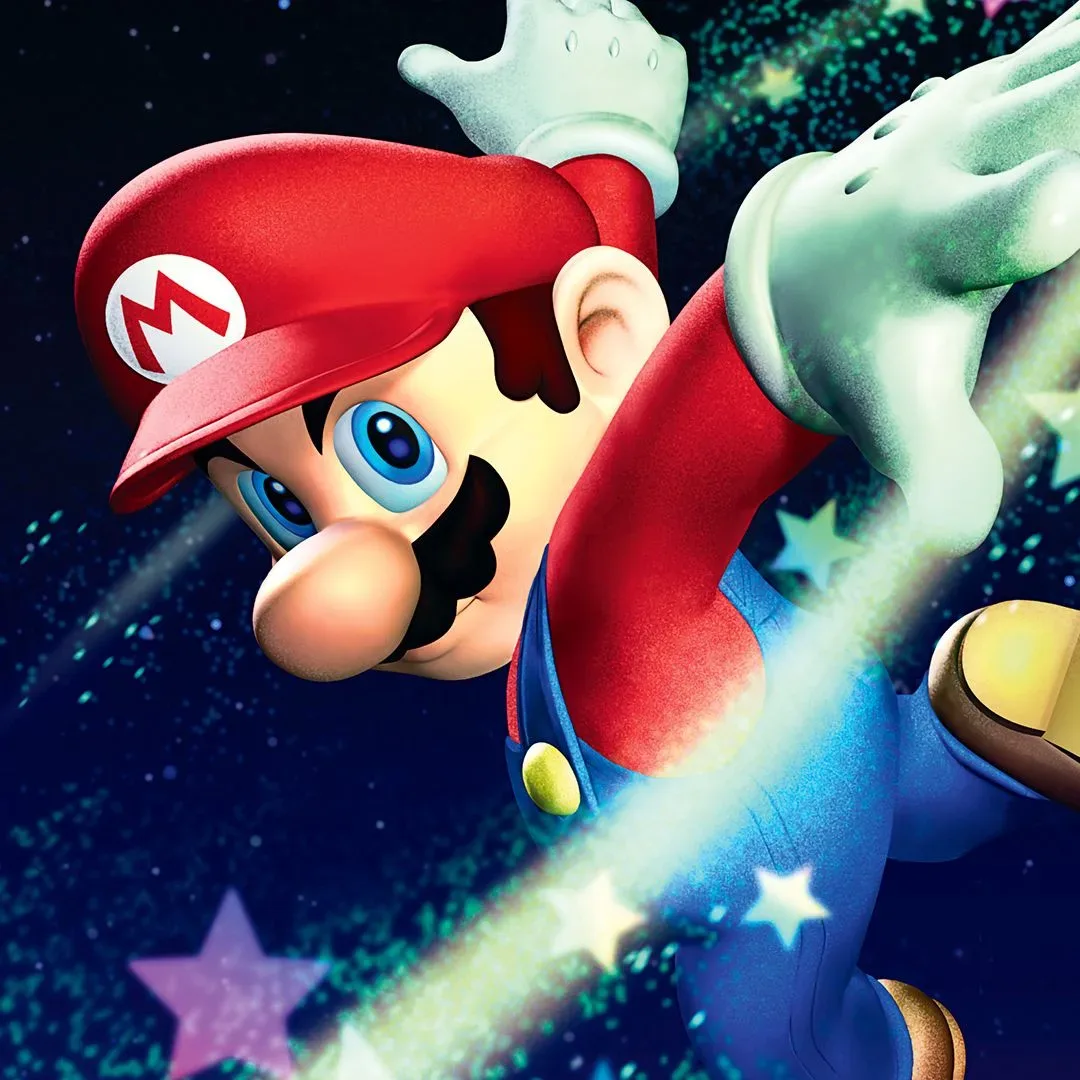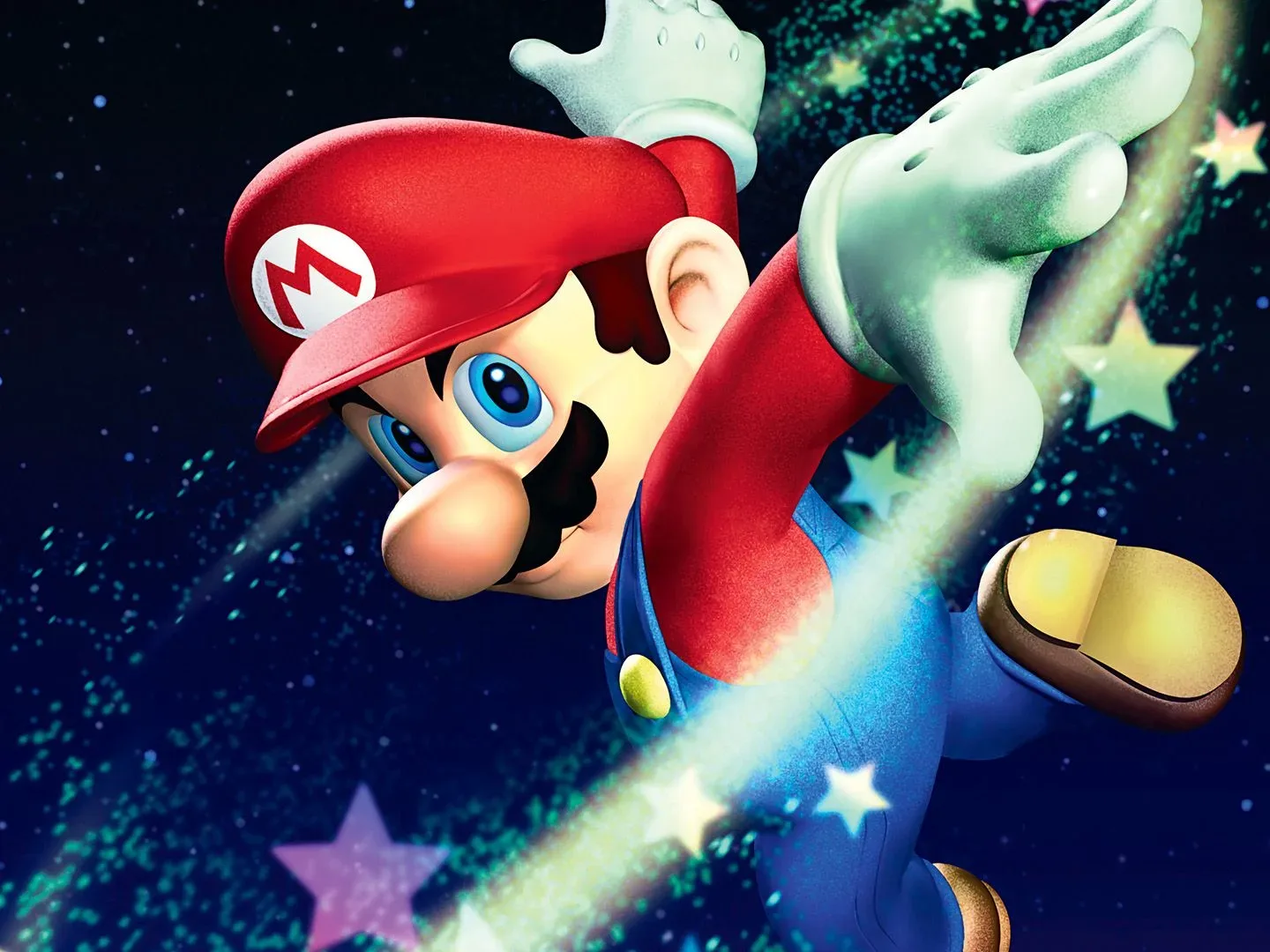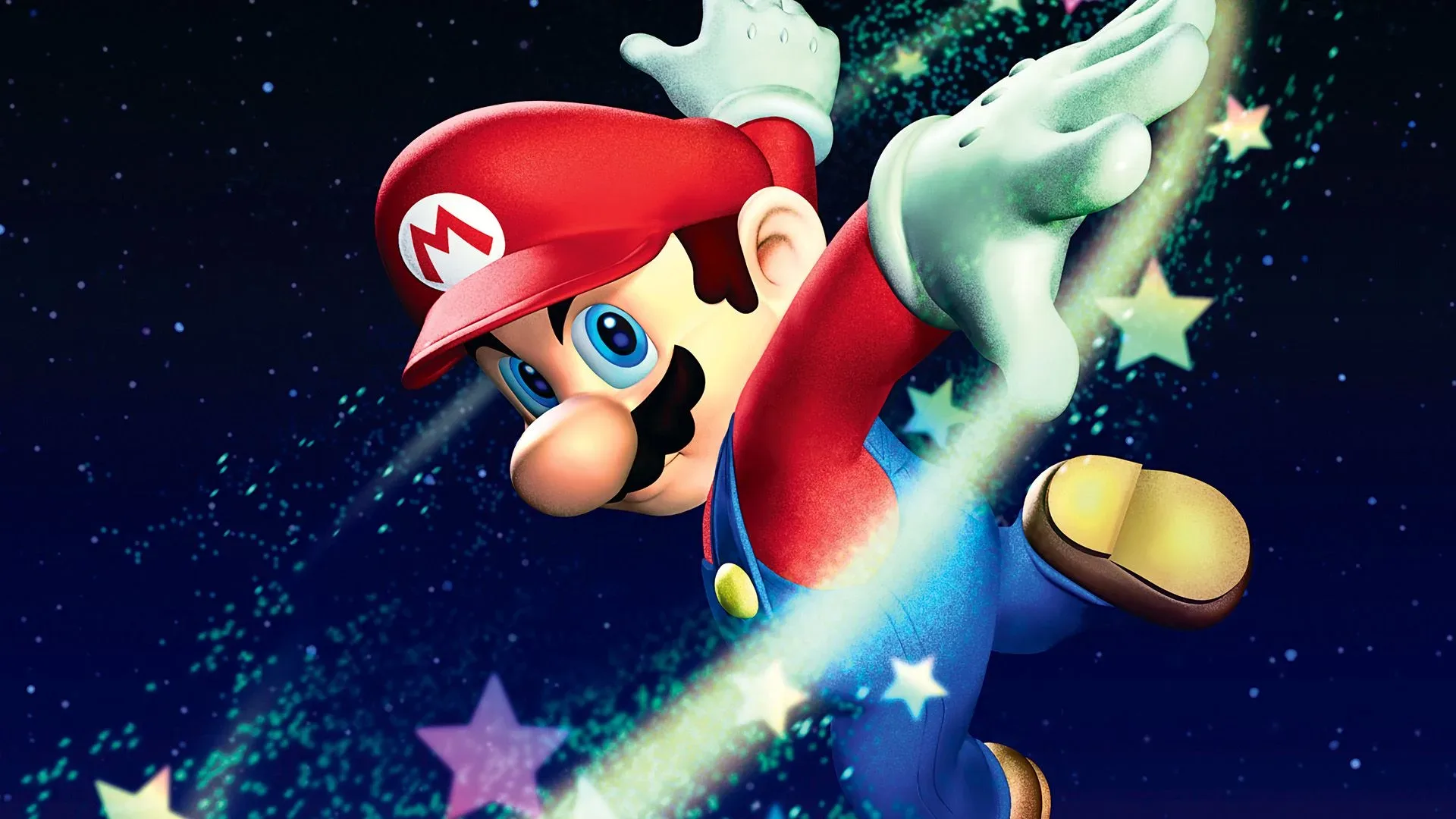
Super Mario Galaxy has reached a major fan-development milestone. Luma’s Workshop, a community working on the Wii game’s decompilation, says the project is now 100% complete. With that reconstruction work finished, the group has begun work on Astrocore, an unofficial PC port of the Nintendo classic.
The team presented the progress in a video called the next step…. It initially described the decompilation as nearly complete; a later comment said the remaining work had been finished roughly six hours afterward. The same update showed Astrocore running and said the developers anticipate a release soon, while directing interested players to the project’s Discord for future updates.
That phrasing matters. Astrocore is a project in development, not a finished release with a confirmed date, feature list, or supported-platform breakdown. The footage establishes that the port is being worked on, but players should be careful not to fill the gaps with assumptions about graphics options, controllers, performance, mod support, or other capabilities that have not been detailed.
What “100% decompiled” means here
Decompilation is the process of rebuilding a game’s original program logic into human-readable source code. In practical terms, a team studies the shipped software and recreates code that behaves like the original. Reaching 100% means the team considers the reconstruction of Super Mario Galaxy’s program complete.
It does not automatically mean that Astrocore itself is finished. A decompilation is an important foundation for a native port, but porting still means adapting that reconstructed game code to run on a different operating system and PC hardware environment. That is why the Luma’s Workshop announcement separates the completed decompilation from the Astrocore port work now underway.
It is also useful to distinguish a native port from emulation. An emulator reproduces, or imitates, the environment of the original console so software made for that machine can run. A native PC port instead aims to run game code directly on a PC operating system. The supplied details do not describe Astrocore’s technical implementation beyond its status as a PC port, so claims about exactly how it will compare with Wii emulation would be premature.
Still, the broader appeal of decompilation-led projects is easy to understand. They can provide a route for old console games to be adapted to platforms they did not originally reach, and can potentially give developers greater flexibility than simply running a console version through emulation. Similar community efforts have helped bring games including Castlevania: Symphony of the Night and Blue Dragon to PC in native forms.
A human-authored-code pledge in an AI-skeptical moment
Astrocore’s announcement has drawn attention for another reason: the team has emphasized that it is “100% coded by humans.” It is a direct response to growing skepticism around generative-AI-assisted programming in preservation and compatibility projects.
Related coverage includes Super Mario Galaxy Decompilation Reaches 100% as Astrocore PC Port Begins Development.
The concern is not merely aesthetic. Community projects built around low-level technical work depend on contributors being able to inspect, understand, test, and maintain code over time. A flashy demonstration does not answer whether a project’s code is reliable, coherent, or usable by other developers. When a team puts its name behind a human-written-code claim, it is signaling that it wants confidence to rest on accountable technical work rather than opaque generated output.
That debate has reached several corners of the hobby. AI-assisted “vibe-coded” recreations or port attempts for games such as Donkey Kong 64, Mario Kart Wii, and Monster Hunter Portable 3rd have contributed to community wariness. The developers of the prominent PlayStation 3 emulator RPCS3 have also asked contributors to stop submitting AI-generated code.
“Vibe coding” is a loose term generally used for development driven heavily by generated code and broad prompts rather than by a programmer carefully authoring and validating each system. The central criticism in archival or emulator-adjacent work is that code must do more than appear to work briefly. It needs to be understandable, reviewable, reproducible, and maintainable as contributors locate edge cases and improve accuracy.
For Astrocore, the human-coding statement should be read as a project principle rather than a promise of any particular end-user feature. It does not tell prospective players when the port will arrive or how it will perform. It does, however, make clear how the team wants its development process to be perceived: as community-engineered work with human ownership of the code.
Why Super Mario Galaxy is a notable target
Super Mario Galaxy began life as a Nintendo Wii game, making Astrocore especially relevant to players interested in classic Nintendo software beyond original hardware. The project’s progress sits in the wider resurgence of older games receiving renewed attention through technical preservation, decompilation, and fan-led compatibility work.
There is no need to treat all such projects as interchangeable. Each game has its own codebase, platform assumptions, input design, and development challenges. A completed decompilation of Super Mario Galaxy is therefore meaningful specifically because it creates a new starting point for work on that game—not because it guarantees that every Wii title is equally close to a PC conversion.
For people watching the scene, the practical takeaway is straightforward: Astrocore is now the name to follow for a potential native PC version of the original Super Mario Galaxy. The currently supported information is limited to the finished decompilation, active port development, a demonstration of the port running, and an expectation from the team that a release is coming soon.
The update also fits alongside other community-driven efforts to keep older hardware libraries accessible in new ways. For example, TempGBA-PS2’s Game Boy Advance emulation work on modded PlayStation 2 systems shows a different technical route: running one platform’s software environment on another machine rather than rebuilding a specific game for a new native platform.
Super Mario Galaxy 2 is next, but not yet
The Luma’s Workshop team has also outlined what comes after the original game’s cleanup phase. Its decompilation group says it will move on to Super Mario Galaxy 2. That is an early statement of direction, not confirmation that a sequel port already exists or has entered an equivalent stage of development.
The distinction is important. The confirmed development news concerns Astrocore and the original Super Mario Galaxy. The sequel is the intended next decompilation target after cleanup work. Any prospective PC port of Super Mario Galaxy 2 remains a future possibility based on that stated plan, rather than a current finished product.
For now, the project’s most concrete achievement is the 100% decompilation milestone. It converts years of community reverse-engineering effort into a basis for the next phase: making Astrocore into a usable PC port. Until the team shares more, the most sensible expectation is progress updates rather than a definitive list of what the final software will offer.