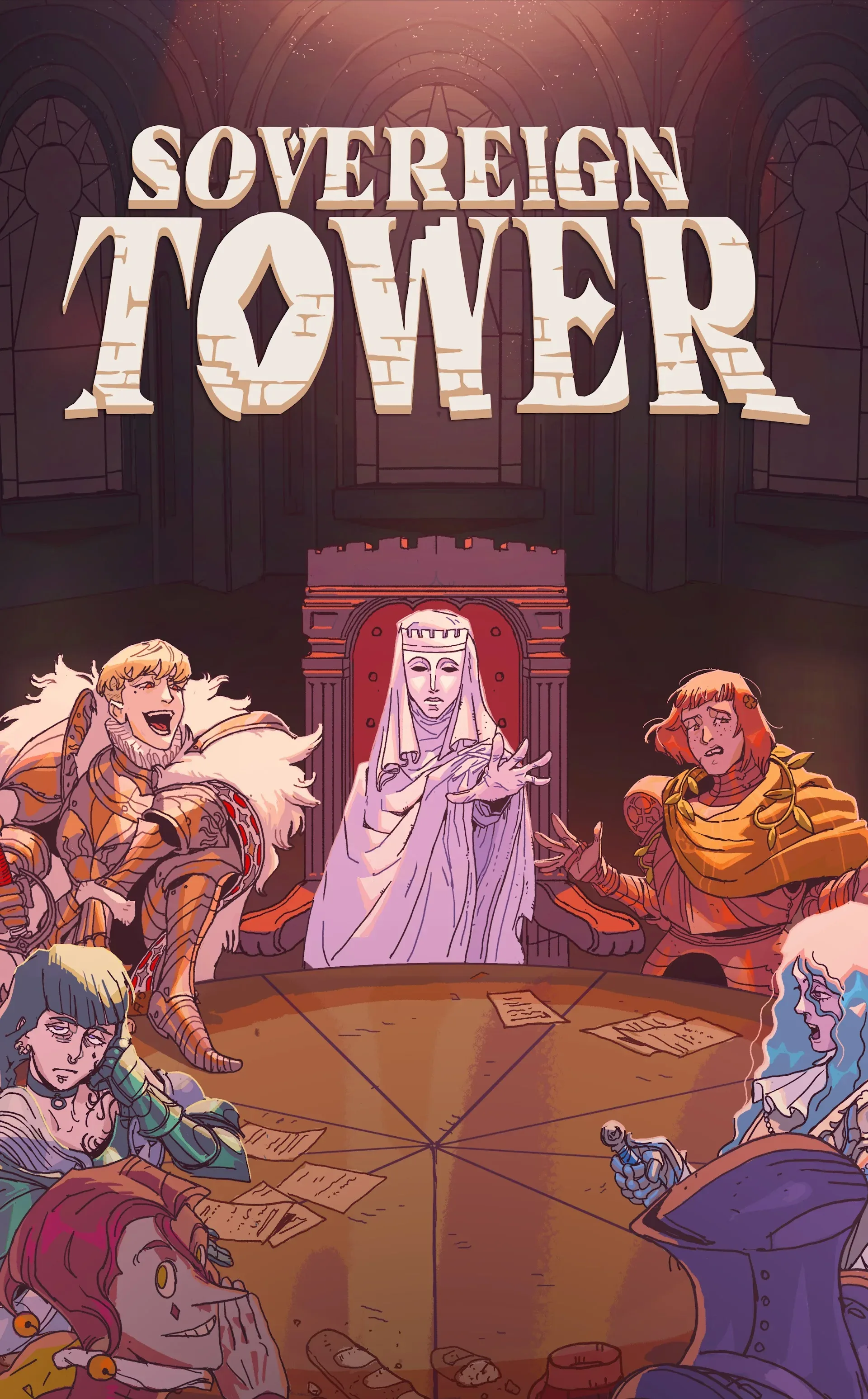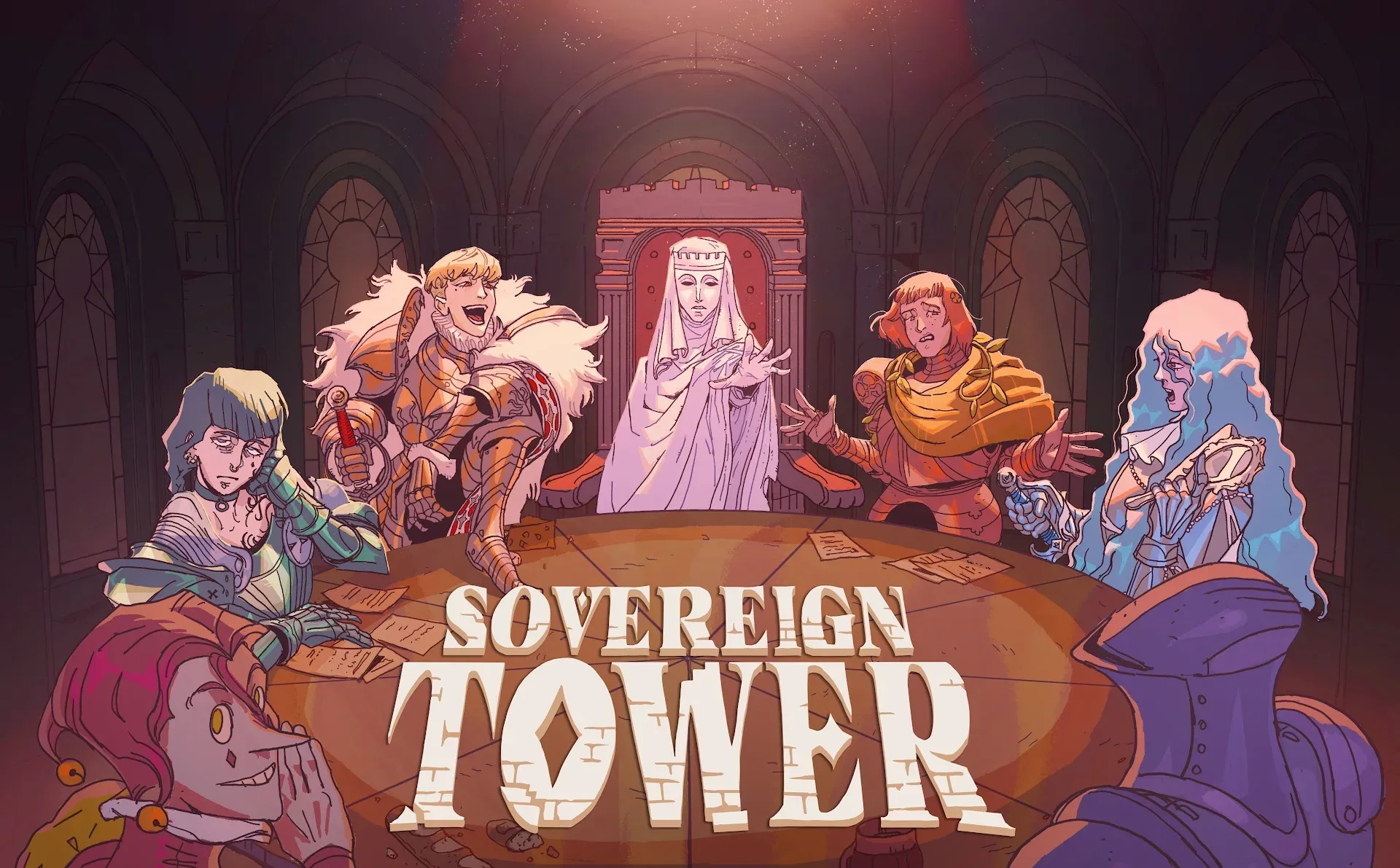
Sovereign Tower, the medieval fantasy RPG from WILD WITS and Curve Games, will arrive on Nintendo Switch on January 14, 2027. The game previously launched on Steam earlier in 2026, and the Switch edition is planned as the most complete version so far, incorporating the PC version’s updates and improvements from the five months following that release.
That package includes a major reworking of the narrative, the newly added Hard Mode, fixes and a range of quality-of-life changes. The result is not being positioned as a separate adventure or a stripped-down port, but as a console release that gathers the game’s post-launch evolution in one place.
A ruler’s job description: knights, crises and consequences
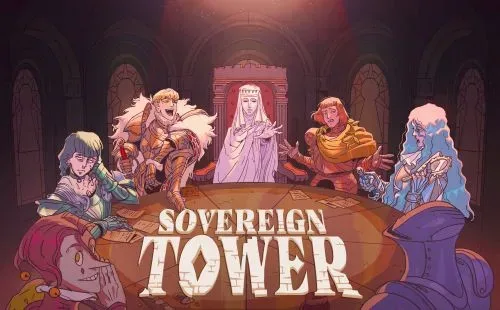
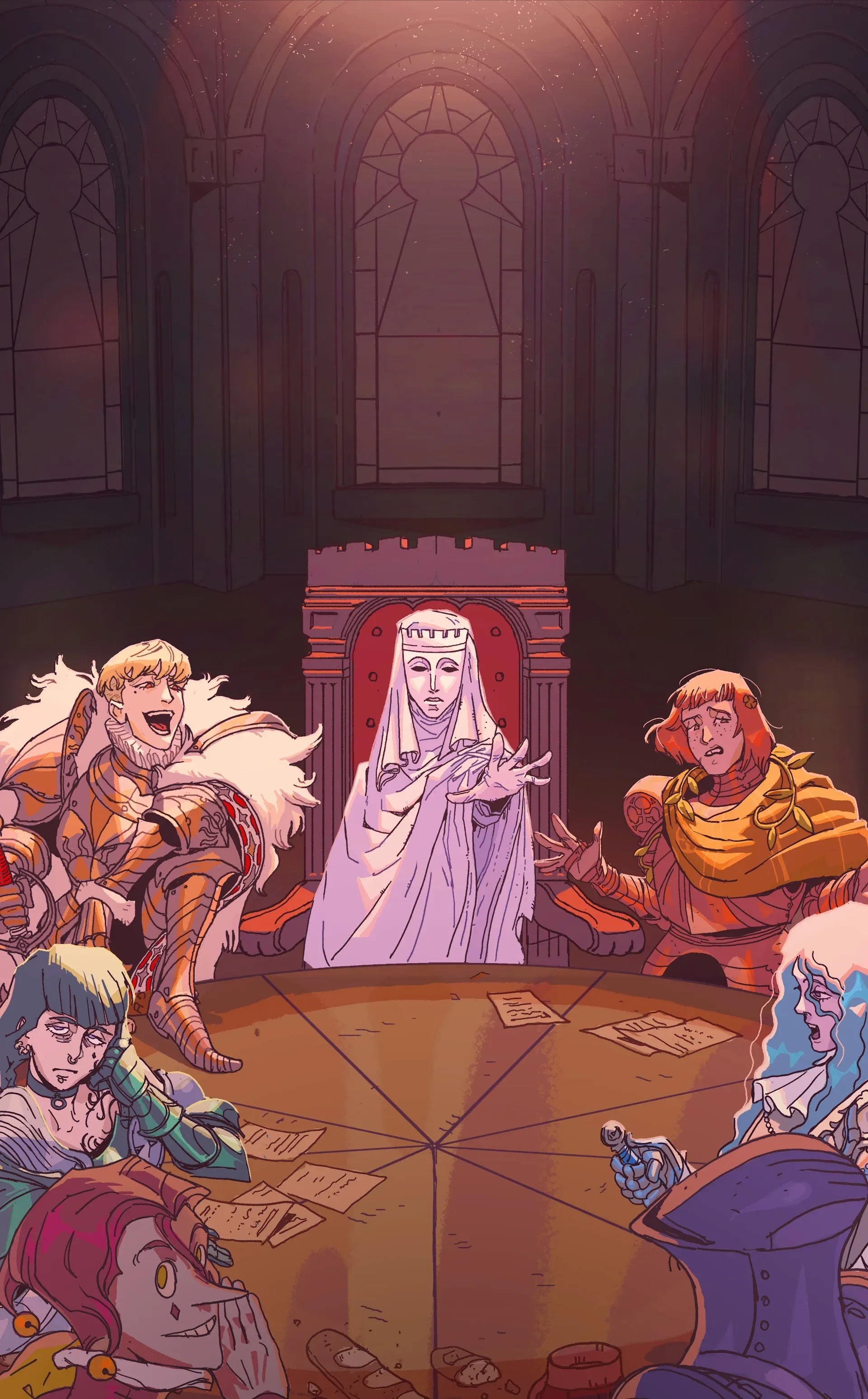
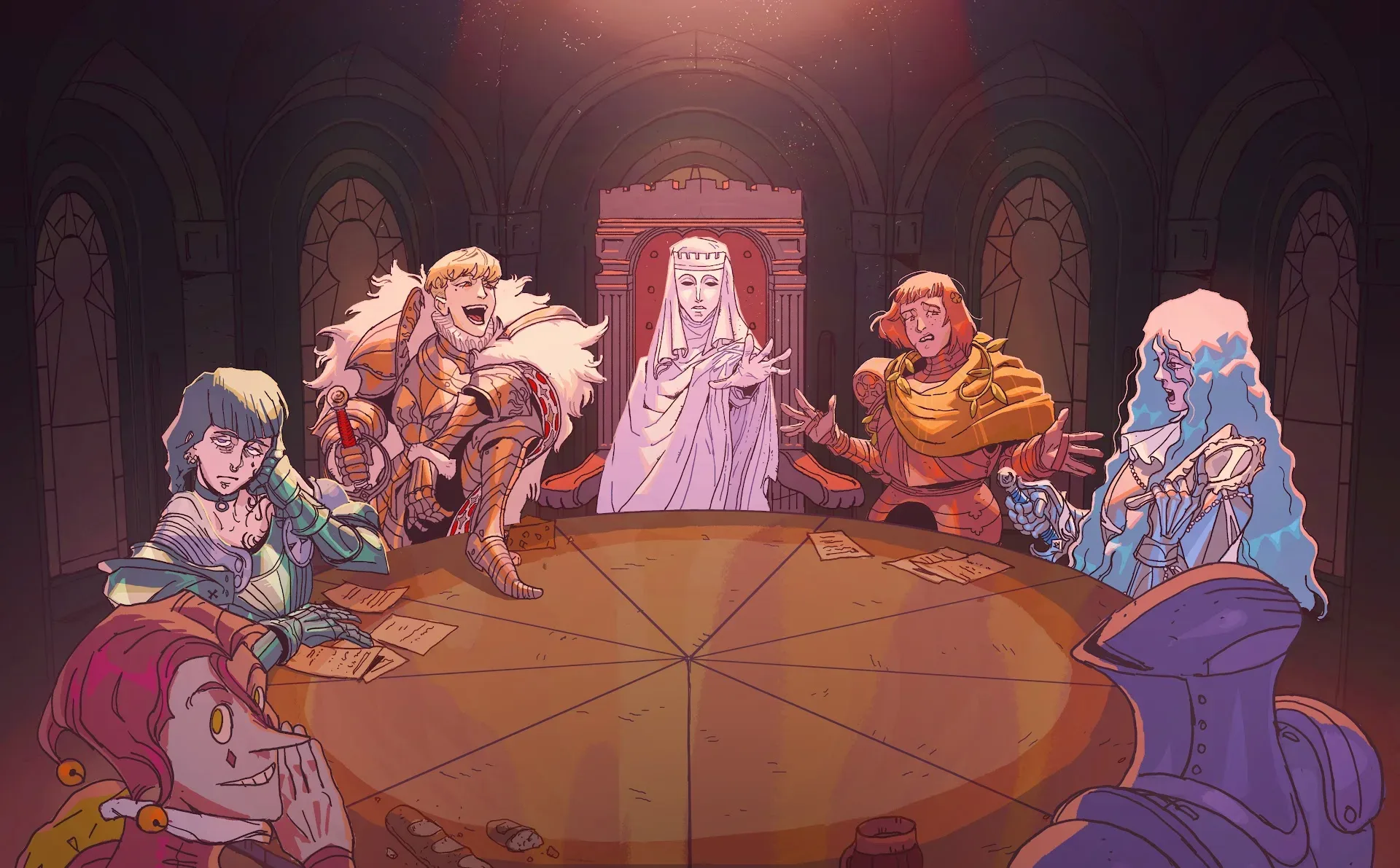
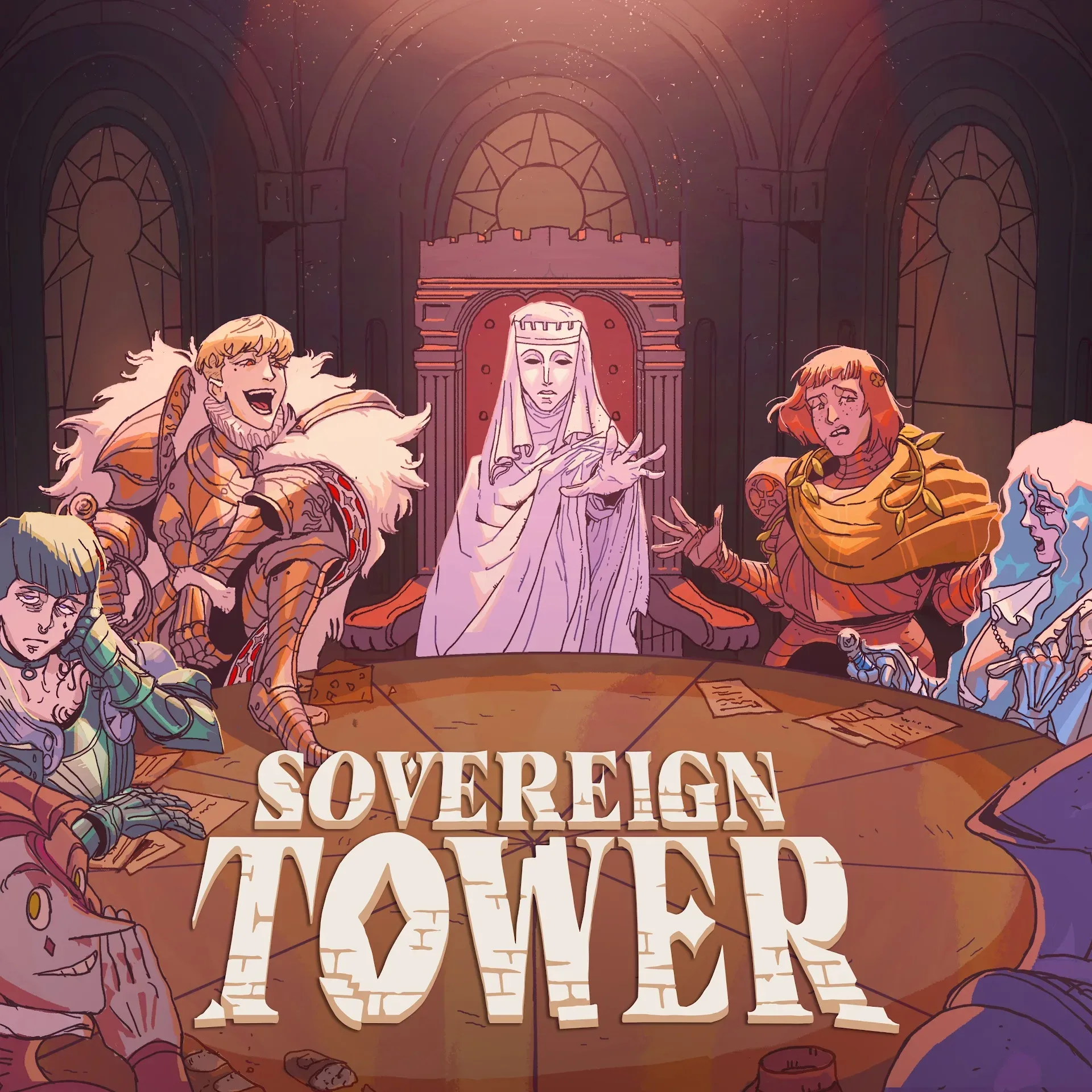
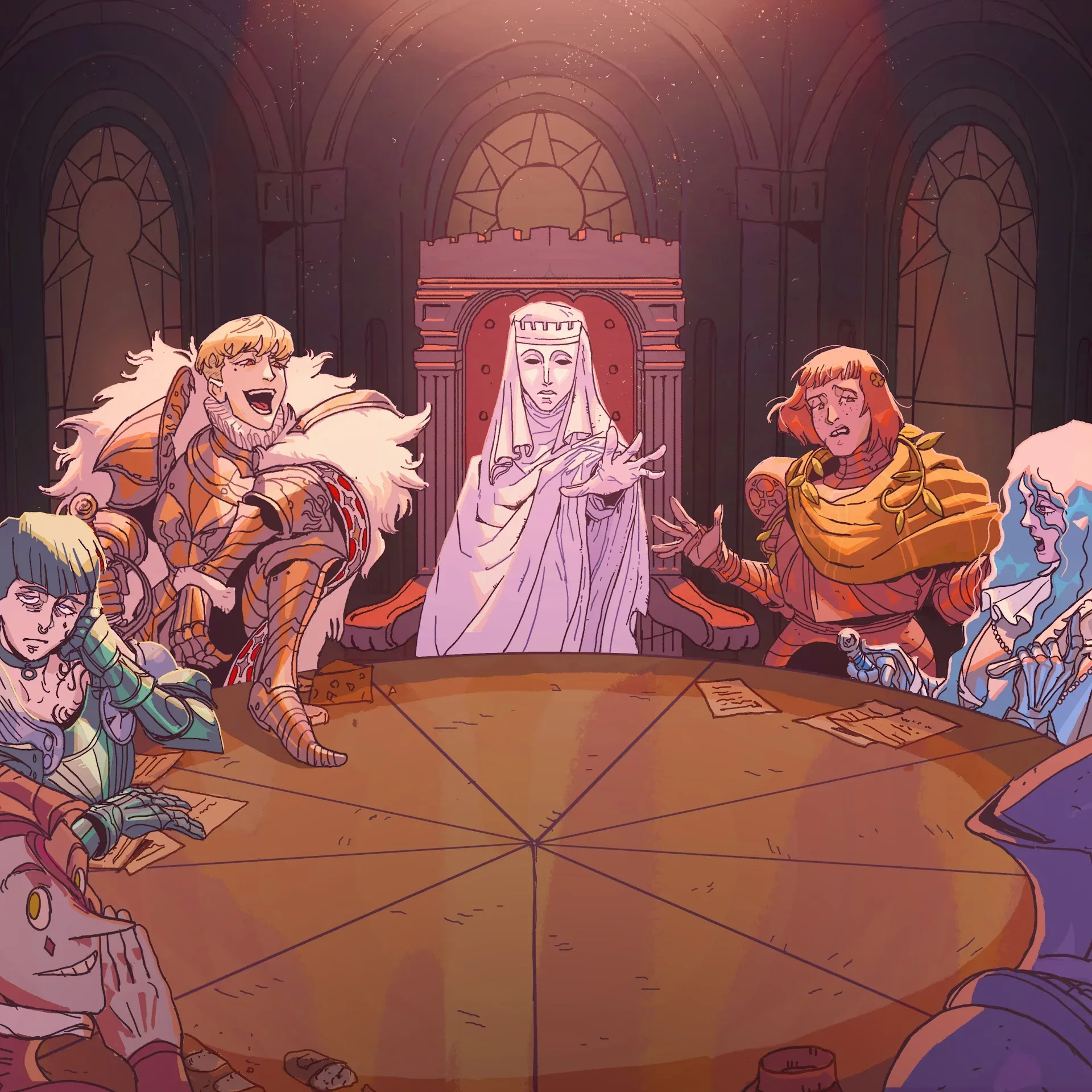
Sovereign Tower puts players in the role of the Tower’s Sovereign. Rather than simply controlling a single adventurer through a fantasy world, the central responsibility is governing a court and directing a group of unusual Knights. Those Knights can be recruited, sent to handle quests, tasked with recovering relics and deployed against threats that must be banished.
The Round Table is therefore more than a decorative medieval-fantasy reference. It is the structure through which the player manages the people available to their realm. Court management also appears to be a key part of the challenge: the court can be volatile, and decisions made as ruler shape the eventual fate of the kingdom.
For more context, explore AI Data Centers and Memory Prices: What Changes for PC Buyers.
In practical terms, the game’s premise combines several layers of decision-making. Players must choose which Knights to recruit and where to send them, judge situations arising from quests, respond to trouble at court and decide how the Tower itself develops. New annexes and upgrades expand that Tower over time, giving the player another avenue through which to build out their reign.
The available information does not detail every resource, quest type or upgrade path, so it would be premature to read those systems as a conventional city builder or a tactics game. What is clear is that the role-playing element is tied closely to rulership: decisions are not merely dialogue flourishes, but part of defining a monarch’s legacy.
The Demon rewind mechanic explained
One of Sovereign Tower’s defining ideas is its Demon. When a decision or event goes badly, the ruler can turn to a Demon located in the crypts and rewind to a particular point in time. This gives players an opportunity to retry a situation rather than treating every undesirable consequence as permanently locked in.
Related coverage includes Sovereign Tower Brings Its Fantasy Court to Nintendo Switch on January 14.
A rewind mechanic is a system that lets a player revisit an earlier game state. In Sovereign Tower, it has a specific narrative function: repeating moments may reveal alternative routes, storylines and dialogue options. It is not described simply as an undo button for making outcomes easier. Instead, the ability to revisit choices is itself a means of discovering more of the game’s branching material.
That distinction matters for players interested in choice-driven RPGs. A branching narrative is one where decisions can lead to different scenes, paths or endings. Such structures often ask players to live with the results of their choices. Sovereign Tower’s Demon introduces a second approach: choices still matter, but a bad or intriguing result can be investigated from another angle by stepping back to a selected moment.
The mechanic may make the game particularly inviting for players who want to experiment with rulership rather than commit blindly to every early choice. A failed quest outcome, an unfortunate exchange of dialogue or a court decision with unwelcome consequences need not mark the end of curiosity. The source material specifically says retries can open new paths and conversations, suggesting that returning to an earlier point is also a way to seek content rather than merely avoid failure.
There are important unknowns. No limits, costs or conditions for using the Demon have been outlined, and neither have the scope of its time rewinds or the number of divergent outcomes. Those details could substantially affect how freely players can experiment. For now, the key confirmed point is that the crypt-dwelling Demon allows a rewind to a specific moment, with alternate narrative possibilities attached to that second attempt.
What the Switch version includes
The January release is set to include all post-launch updates made to the PC edition during the preceding five months. Among the named additions is a substantial narrative overhaul. While the precise changes within that overhaul have not been detailed, its inclusion is notable because story and dialogue sit at the centre of Sovereign Tower’s choice-based design.
Hard Mode is also part of the Switch package and is already available on Steam. A hard mode generally offers a more demanding version of a game’s systems, though no specific changes to enemy behaviour, quest conditions, resources or decision penalties have been announced here. Players should therefore not assume a particular kind of difficulty adjustment until further specifics are shared. Its confirmed presence does mean the Switch version will launch with an option beyond the standard challenge level.
The edition will additionally include numerous fixes and quality-of-life improvements. Quality-of-life improvements are changes intended to make a game clearer, smoother or less cumbersome to use without necessarily changing its fundamental design. The announcement does not enumerate individual improvements, but their inclusion alongside fixes means Switch players will begin with work shaped by feedback from the game’s PC community.
For people deciding whether to wait for the console edition or play on PC, this creates a fairly straightforward distinction. Steam players have received the ongoing updates as they arrived, including Hard Mode. Switch players will get that accumulated work at launch. Nothing in the announcement confirms that the Switch version has exclusive quests, Knights, upgrades or narrative content beyond that consolidated, updated build.
Handheld play was part of the plan
WILD WITS says Sovereign Tower was designed with handheld play in mind from early in development. That is a meaningful fit for a game built around court decisions, managing a roster of Knights and following branching story material, even though the announcement does not provide technical specifications such as performance targets, resolution, touch controls, save-transfer support or differences between docked and portable play.
Handheld suitability can mean different things depending on the game. For Sovereign Tower, the confirmed design focus is not a promise of a particular feature set; it is an indication that the studio considered the form factor while shaping the experience. Players should avoid reading more into that statement than is there, but the developer’s intent is clear: the game is meant to feel at home on Nintendo’s portable-capable hardware.
The timing also gives the port an advantage often valued by late-arriving console editions. The game will launch after an initial PC period in which community feedback was gathered and used to refine and expand the experience. The studio specifically credits its PC community with helping it improve the game and grow the story.
What players can expect to do
The currently confirmed activity loop can be broken down into a few connected responsibilities:
- Recruit Knights: assemble a roster of eccentric characters for the Round Table.
- Send them on quests: assign Knights to undertake duties where the player’s judgement has consequences.
- Handle threats and relics: direct Knights to recover relics and banish dangers facing the realm.
- Manage the court: navigate the instability and demands of royal rule.
- Make kingdom-shaping choices: decisions determine the ruler’s legacy and influence the kingdom’s fate.
- Revisit pivotal moments: call on the Demon’s rewind ability to retry events and pursue other narrative outcomes.
- Expand the Tower: add annexes and upgrades as the reign develops.
This is a useful checklist for prospective players because it frames Sovereign Tower as a court-and-consequence RPG rather than a pure combat-focused fantasy game. The announcement names Knight quests, decisions, management, Tower expansion and rewinding time as the pillars of the experience. It does not describe direct action combat, a multiplayer mode, physical editions, pricing or support for other console platforms.
Release date and wishlist status
Sovereign Tower launches for Nintendo Switch on January 14, 2027. It can be wishlisted now on the European and US Nintendo Switch stores. The Steam edition remains the currently available version, with Hard Mode already live there.
For players drawn to medieval fantasy with a strong emphasis on governance, narrative experimentation and a colourful cast of retainers, the Switch release brings together the game’s core premise and its post-launch refinements. The ruler may sit at the head of the Round Table, but Sovereign Tower’s standout twist is that a disastrous decree does not necessarily have to remain in the history books: there is always a Demon in the crypts, waiting to reopen the page.