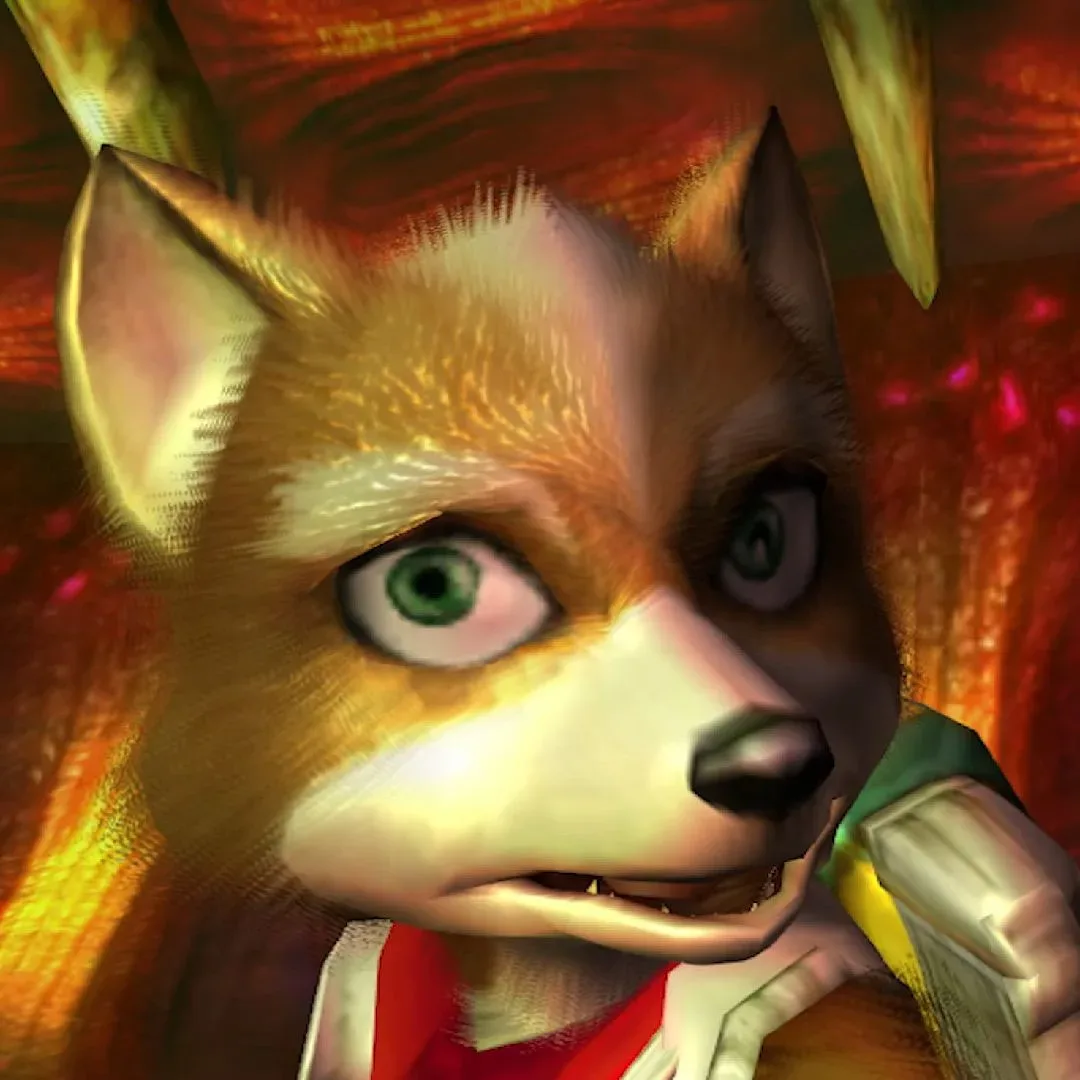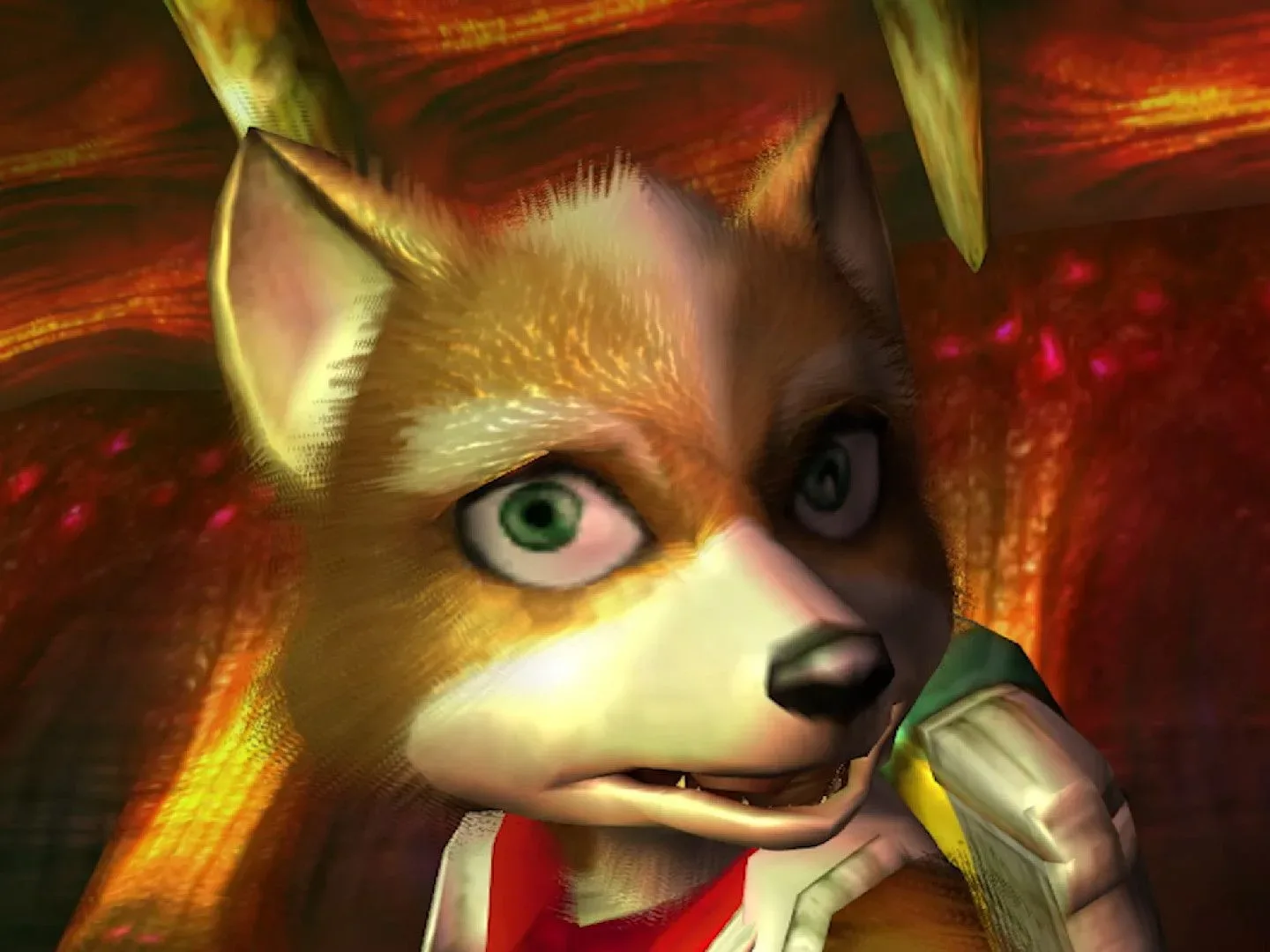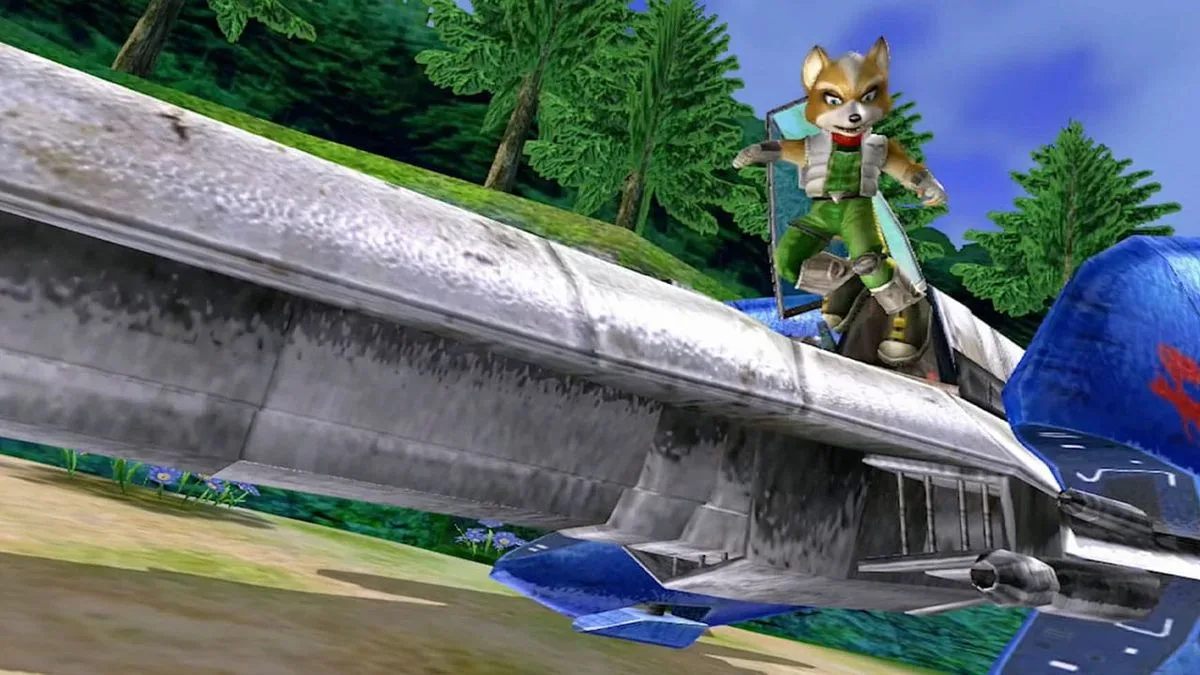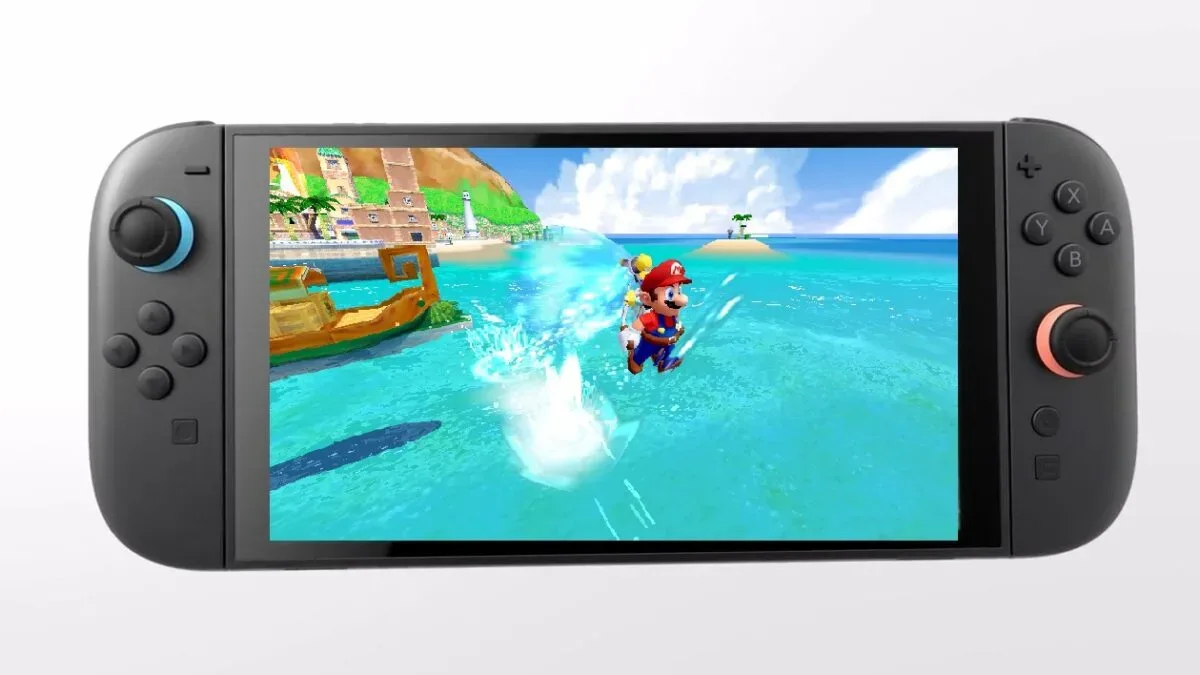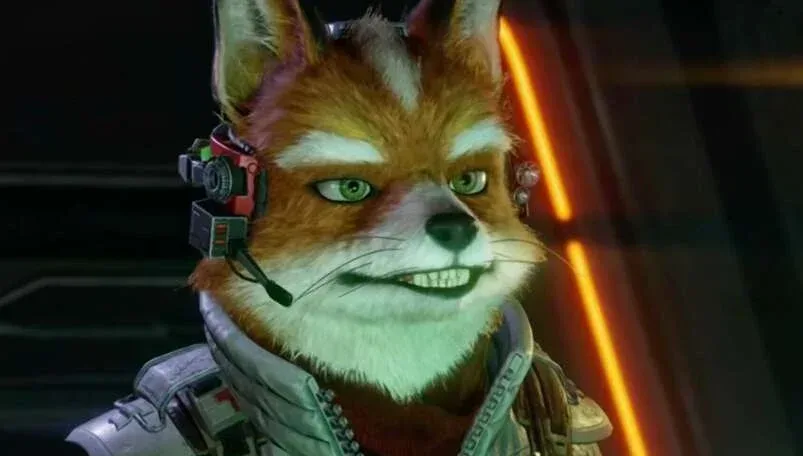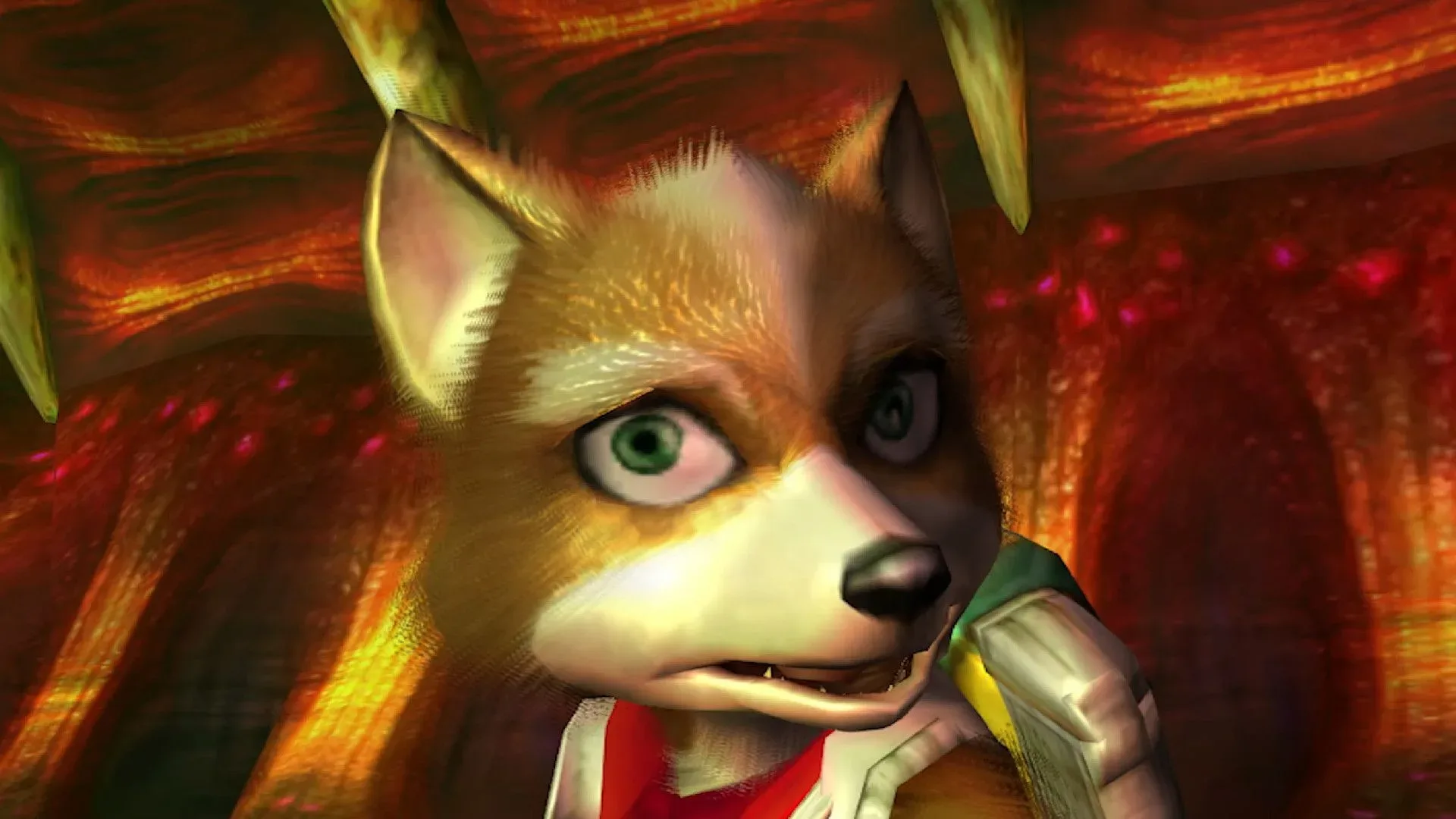
Star Fox Adventures has returned to Nintendo hardware 24 years after its GameCube debut, joining the Nintendo Switch Online GameCube library on September 9. The 2002 release is available on Switch 2 for subscribers with the Nintendo Switch Online Expansion Pack; it is not part of the service’s Switch library on the original console.
For a series best known for spacecraft, laser fire and very urgent conversations with wingmates, Star Fox Adventures remains an unusually large left turn. Rather than making another rail-shooter mission its central proposition, it put Fox McCloud in an action-adventure built around exploration, combat and puzzle-solving. That shift has long made it one of the most debated entries bearing the Star Fox name.
Its arrival gives longtime players an opportunity to revisit a game frequently remembered with equal parts affection, suspicion and a raised eyebrow from someone who wanted more Arwing missions. It also gives players who missed the GameCube era a chance to see why this particular installment still occupies such an odd, fascinating corner of Nintendo history.
A Star Fox game that took the scenic route
The key to understanding Star Fox Adventures is that it does not fit neatly into the series template. Star Fox had established itself through fast-paced aerial action, with routes, enemies and immediate arcade pressure doing much of the heavy lifting. Adventures, by comparison, pursued the kind of structure associated with action-adventure games: a broader environment, progression through exploration and challenges, and a much slower rhythm than a typical sortie with the squadron.
That approach made the game memorable, but it also ensured that it would never be a universally uncomplicated favorite. Players who wanted the next concentrated blast of classic Star Fox action could reasonably see it as a detour. Players more interested in an adventure featuring Fox, dinosaurs and a lavish GameCube presentation found a different appeal entirely.
Both reactions help explain its reputation. Star Fox Adventures is not merely an installment that experimented around the edges. Its identity is inseparable from a wholesale genre pivot. The question surrounding its return is therefore not simply whether it has aged well, but whether players are willing to meet it on the terms it set in 2002.
Dinosaur Planet’s fingerprints remain visible
That unusual identity has a clear origin. The project began at Rare as an original game called Dinosaur Planet. Shigeru Miyamoto later proposed turning it into a Star Fox title, a decision that shaped the game eventually released for GameCube.
Even without treating its development story as a courtroom exhibit for every debate the game has ever inspired, that background makes its final form easier to understand. The dinosaur-focused setting and adventure-led structure were not designed as a conventional extension of a rail-shooter formula. Star Fox became part of an experience already rooted in a very different set of ideas.
Related coverage includes Star Fox Adventures Returns to Nintendo Switch 2 Through Switch Online.
That history also helps account for the feeling that Adventures is both recognizable and singular. Fox McCloud is present, the Star Fox banner is present, and the game unquestionably occupies a place in the series. Yet its strongest associations for many players are its action-adventure framework, its dinosaur world and the visual spectacle it delivered on GameCube.
In retrospect, it is precisely the mismatch that makes the game so durable as a talking point. Plenty of games are remembered as solid examples of their genre. Fewer become enduring objects of fascination because they look like one franchise wearing another game’s jacket—and somehow make that jacket part of their legacy.
Why a GameCube return matters
For GameCube fans, the service release is also a reminder that the system’s library contains more than the games that cleanly defined Nintendo’s biggest series. The console has a reputation for distinctive experiments, bold visual design and projects that can feel tied to a particular moment in the company’s history. Star Fox Adventures fits that reputation exceptionally well.
Its original presentation was regarded as technically impressive for its day, which remains an important part of the game’s historical appeal. Revisiting an older game through a modern subscription catalog does not erase the context of its first release, but it can make that context easier to appreciate. A title that once stood as a GameCube showcase can now be considered alongside the ideas, expectations and franchise pressures that surrounded it.
It is also an entry that benefits from being available in a format friendly to reassessment. Nostalgia tends to preserve the broad outlines: the dinosaurs, the shift away from the usual Star Fox template, and the sense that it looked remarkable. A renewed playthrough can complicate those memories. Some players may find the old affection intact; others may decide their childhood rankings were perhaps influenced by a strong preference for Zelda-style adventures over space shooting.
Neither outcome is a failure. Revisiting older games is often most interesting when it exposes the gap between what players remember and what the game actually does. In the case of Star Fox Adventures, that gap has been part of the conversation for two decades.
Access requires Switch 2 and Expansion Pack
There are two important access limits for anyone planning to revisit the game. First, the GameCube library is available only on Switch 2. Second, Star Fox Adventures requires the premium Expansion Pack tier of Nintendo Switch Online rather than the standard membership.
- Game: Star Fox Adventures
- Original release: 2002 on Nintendo GameCube
- New service date: September 9, 2026
- Platform: Switch 2
- Service: Nintendo Switch Online + Expansion Pack
- Original Switch availability: Not available through this GameCube release
Those requirements are worth emphasizing because “Nintendo Switch Online” alone does not tell the whole story. Players with an original Switch, or those using the standard membership tier, will not receive access through this addition. The release belongs specifically to the Switch 2-era version of the GameCube catalog and the Expansion Pack offering.
Nintendo’s current Switch 2 slate is also shaping up to have room for both heritage titles and new franchise experiments. Elsewhere, Mega Man: Dual Override is scheduled to bring Mega Man and Proto Man to Switch 2 in spring 2027. Against that broader backdrop, the return of a 2002 game with such a distinctive identity feels especially fitting: Switch 2’s catalog is becoming a place where old genre experiments can sit alongside brand-new ones.
A divisive classic gets another audience
There is no reason to pretend that the renewed availability will settle the debate around Star Fox Adventures. It probably cannot. The same traits that made it contentious remain central to the game: it is a Star Fox entry that approached its famous characters through an action-adventure design, and that decision will always prompt comparison with the series’ more traditional flight-focused games.
But a new audience does not need a unanimous verdict to make the rerelease worthwhile. For fans who first encountered it on GameCube, the game offers a direct route back to an era when Rare’s presentation and a dinosaur-filled adventure could make the Star Fox universe feel unexpectedly huge. For curious newcomers, it provides a chance to encounter one of the stranger major-franchise transformations of its generation without tracking down original hardware and software.
That is the real value of this return. Star Fox Adventures does not need to be crowned the definitive Star Fox game to deserve another flight path. It only needs to be what it has always been: a visually ambitious, unconventional action-adventure from the GameCube period, born as Dinosaur Planet, redirected under the Star Fox banner, and still distinctive enough to invite a fresh argument in 2026.
And, yes, it still has dinosaurs. In the long-running scientific field of “games people remember from when they were 12,” that is not a trivial advantage.