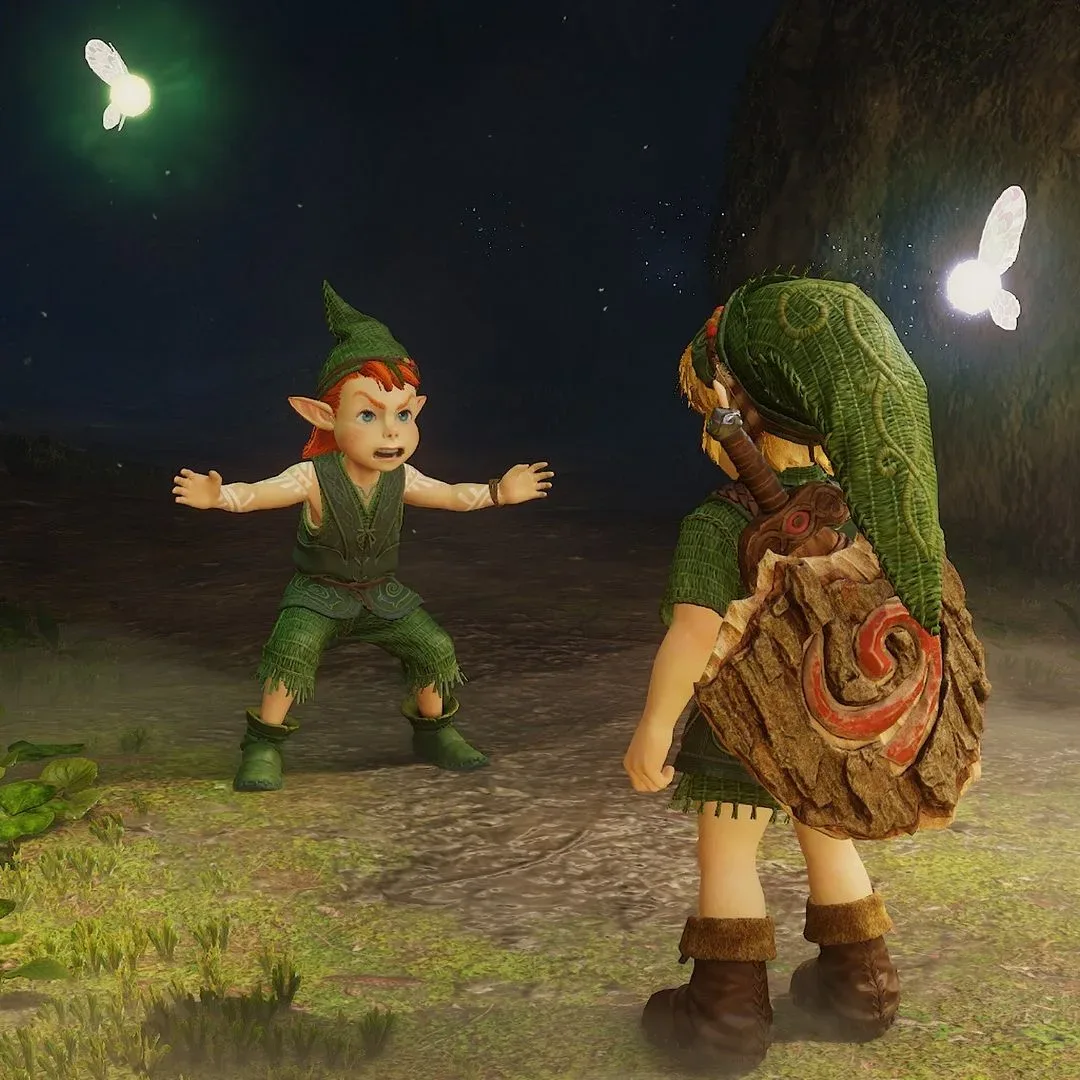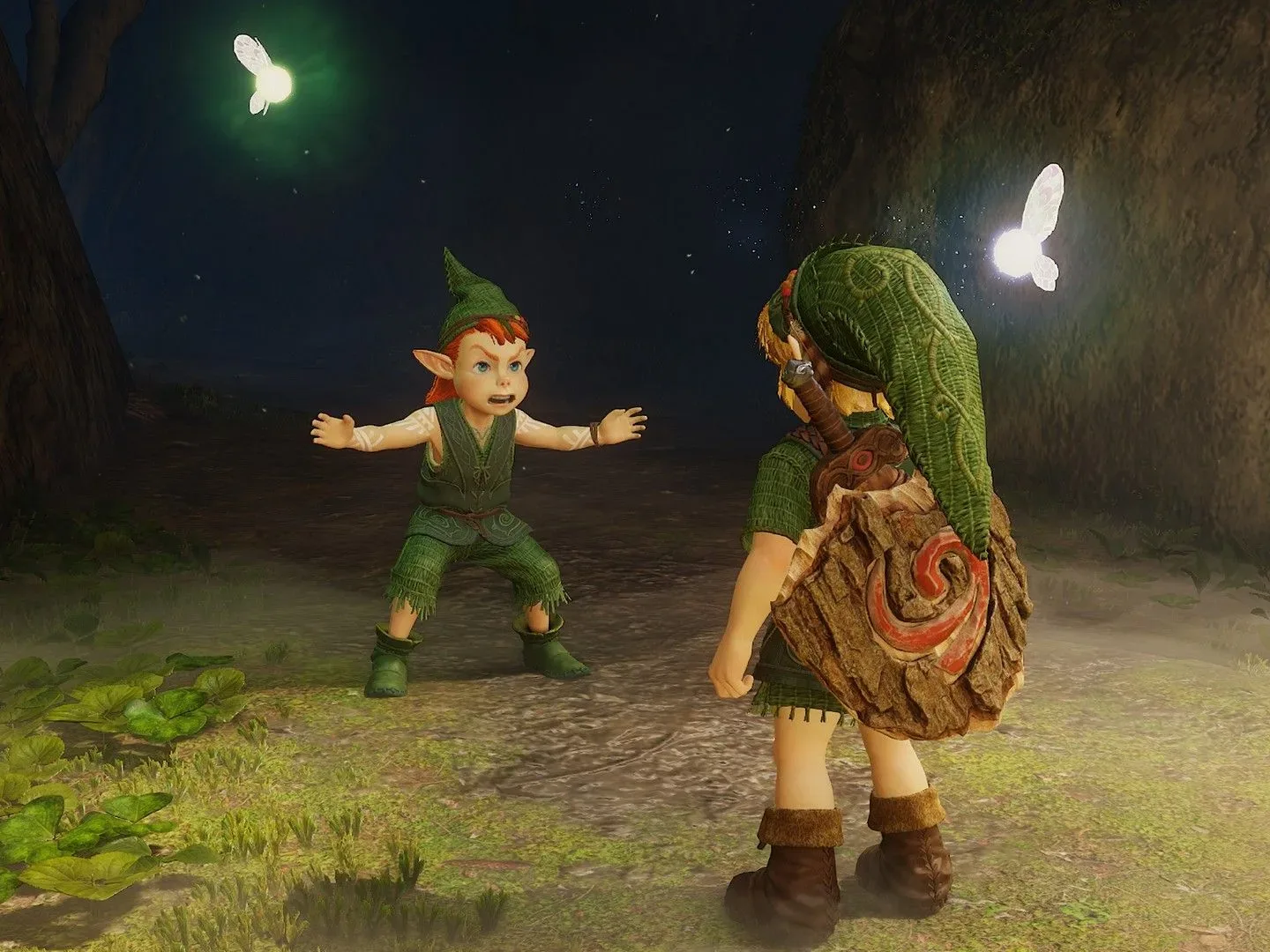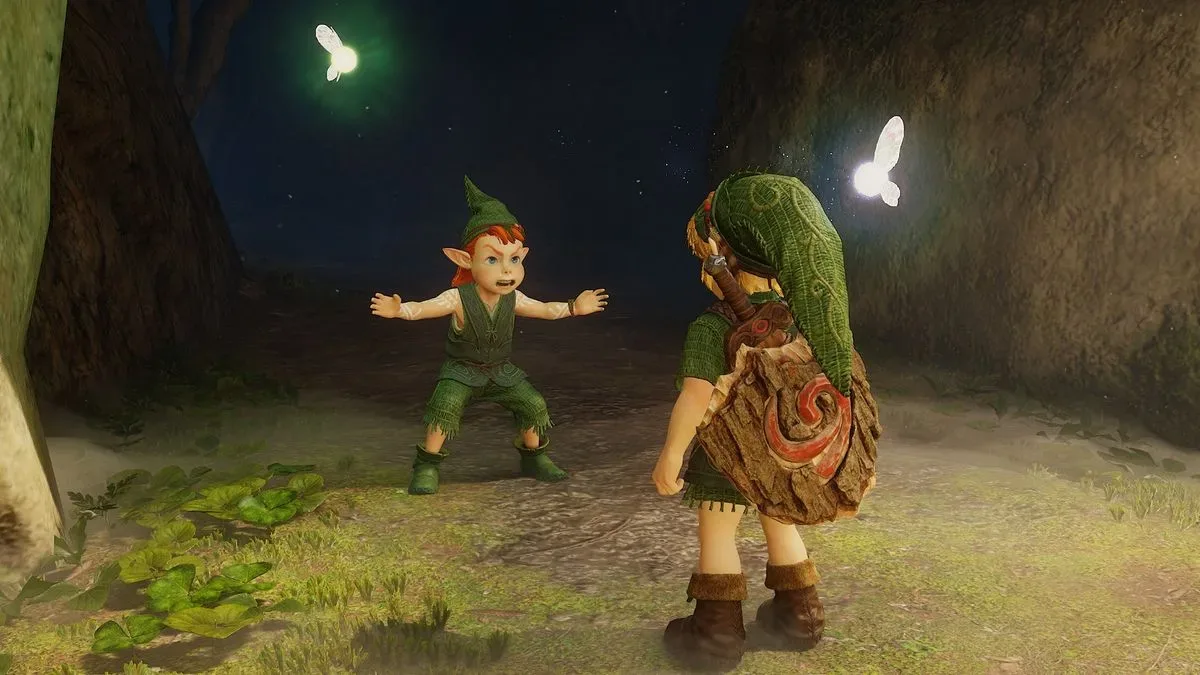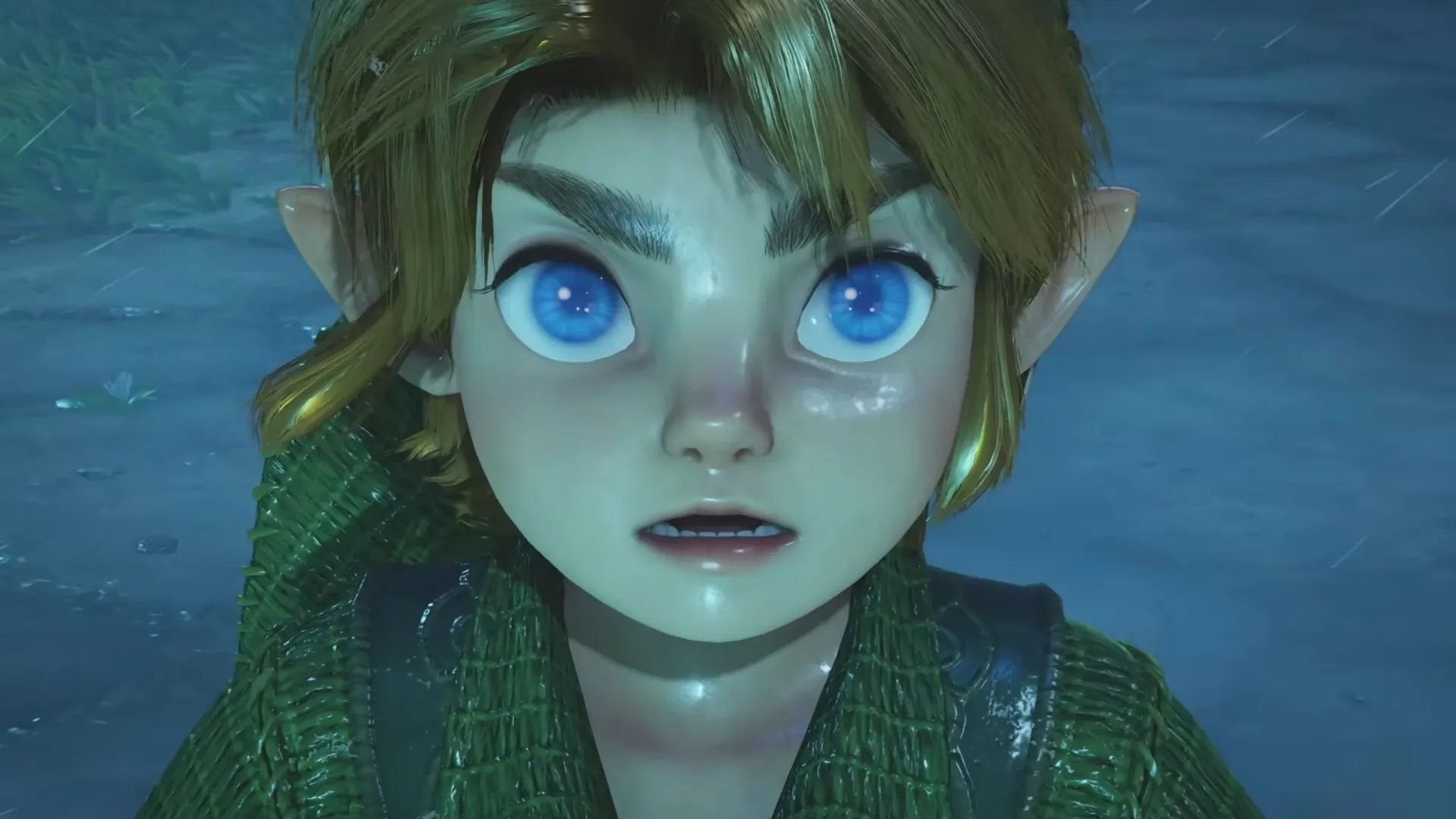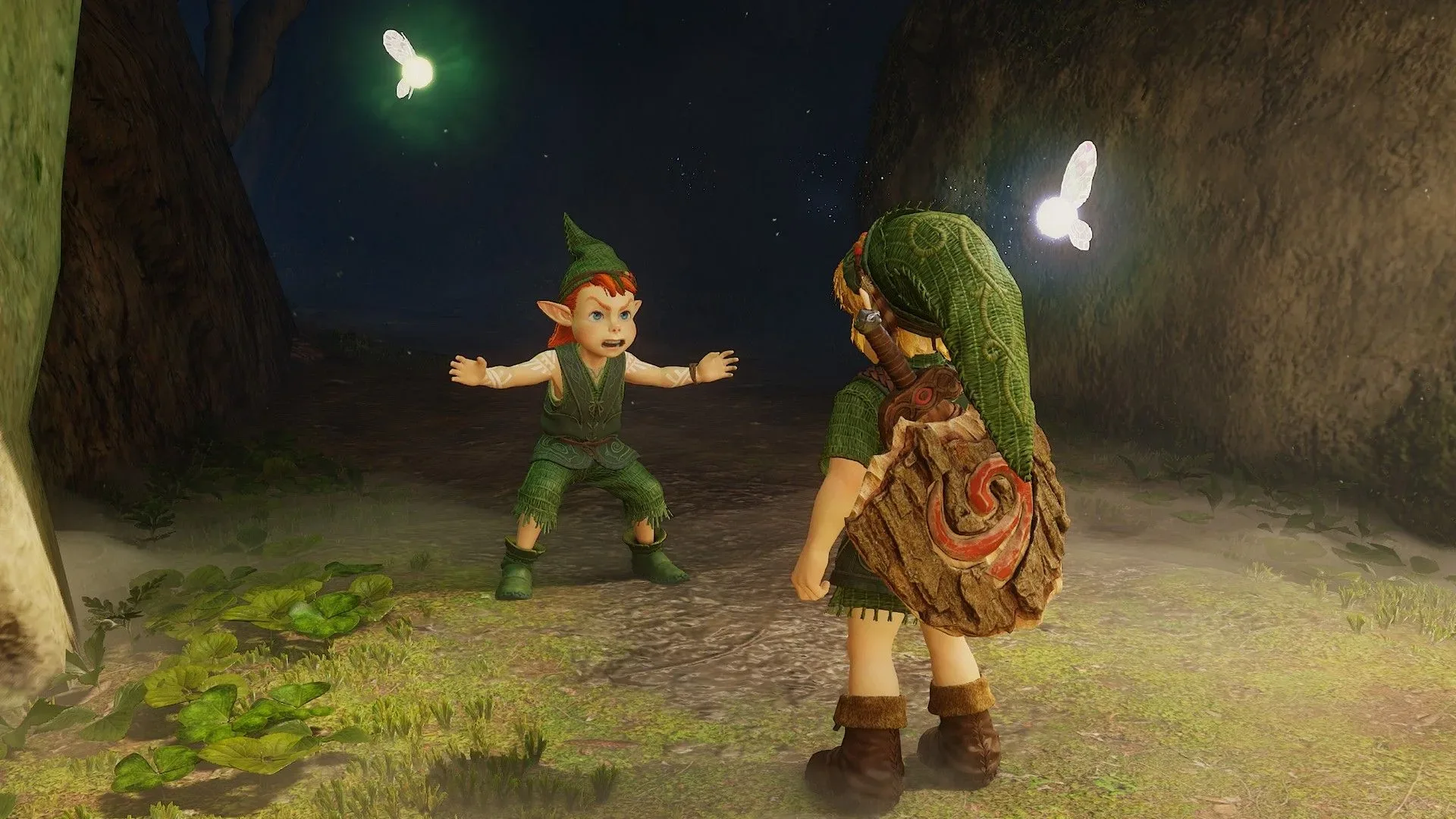
The reported remake of The Legend of Zelda: Ocarina of Time may be preserving its famous journey while making targeted changes for players who already know Hyrule inside out. Details shown in recent preview coverage point to a newly added Castle Town errand, a more demanding version of a target-shooting minigame, and subtle alterations to the Forest Temple’s layout.
None of those changes, as described, sounds like a wholesale reinvention of Nintendo 64’s landmark adventure. That is likely the point. The potentially interesting part is the scale: additions small enough to leave the recognizable shape of Ocarina of Time intact, but significant enough to disrupt the routine of a repeat visit.
For a game with a long history of replaying its route, memorizing its puzzles, and revisiting its towns, even a short detour can carry more weight than it would in a completely new release. Familiarity is an advantage in a remake—until it becomes automatic. These reported adjustments appear designed to make experienced players look around again.
A small Castle Town request with a practical reward
The clearest reported new activity begins at the potion shop in Hyrule Castle Town. On the player’s first meeting with him, the shopkeeper is said to be alarmed by a bug nearby. He gives Link an empty bottle and asks the player to catch it.
Completing the request reportedly lets Link retain the bottle, while the shopkeeper will also offer to fill it with a healing red potion. In Zelda terms, a bottle is more than a cosmetic prize. It is a reusable container that can support healing and item-carrying choices, so the reward has an immediately understandable use rather than functioning purely as a completion marker.
The errand also appears deliberately modest. There is no indication of an elaborate quest chain, a new quest log, or a modern mission-tracking interface. A side quest, in this context, simply means an optional task outside the main sequence of story and dungeon progress. The reported bug request seems closer to an environmental interaction that adds texture to a familiar location than a large narrative branch.
That restraint could be valuable. Castle Town is already a place players may associate with shopping and story progression. Giving one resident a specific, solvable concern creates a reason to engage with the space differently without changing its core identity. The event could also encourage a player to think about an ordinary Zelda tool—an empty bottle—as the starting point of a localized problem rather than merely inventory capacity.
It is important not to read beyond what has been shown. The available information supports this individual task and its stated reward, not a broader conclusion that the remake will add a major new side-content system. Still, one bespoke errand establishes the possibility that other familiar spaces may hold surprises.
Related coverage includes Ocarina of Time Remake May Add Sidequests, Tougher Minigames and Revised Dungeons.
The harder target-shooting challenge matters for veterans
A tougher version of the target-shooting game has also been shown. The reported difference is straightforward: players have substantially less time to hit the targets. That is a minigame adjustment rather than an overhaul of core combat, but it can still alter how a replay feels.
A minigame is a self-contained optional activity with its own objective and rules. Its importance often lies in how it tests a narrow skill outside the main adventure. Here, reducing the available time shifts the challenge toward quick recognition, aiming, and execution. Players who learned the original version’s rhythms may no longer be able to rely on the same comfortable pace.
The wording around this feature matters, too. What has been seen indicates a harder version of one target activity; it does not establish that every minigame has new difficulty tiers. But a single expanded challenge is a meaningful signal of intent. It suggests the remake may be looking for ways to provide a fresh skill test without changing the fundamental controls or broad structure that longtime fans expect.
That is often the fine line a remake has to walk. New challenges should not make original content feel obsolete, nor should they turn optional activities into barriers for people returning for the story. An additional hard variation can serve players seeking mastery while leaving the original-style experience legible for everyone else.
Forest Temple revisions could be the most consequential change
The reported Forest Temple tweaks may have the largest effect on moment-to-moment play, even if they are visually subtle. Preview discussion has highlighted meaningful changes to parts of the dungeon’s layout.
A dungeon layout is not just a map. It is the arrangement of rooms, routes, locked doors, puzzle elements, and spatial clues that determines how players form a plan. In a game as well remembered as Ocarina of Time, returning players may approach a dungeon with an internalized route: which corridor leads toward an objective, which room connects to a key item, and where a puzzle solution is likely to be found.
Even minor layout revisions can interrupt that learned route. A changed connection or differently arranged room can make an old mental map less reliable, prompting players to observe rather than simply execute a remembered sequence. For first-time players, the result may just be the dungeon as it now exists. For veterans, it can restore some of the uncertainty that made exploration memorable in the first place.
There is a careful distinction to maintain here. The available details point to limited Forest Temple alterations, not confirmation of completely redesigned dungeons across the game. Nor do they tell us exactly how far those revisions extend. But this kind of adjustment has the potential to be more impactful than a graphical update because it touches the decision-making loop: where to go, what to inspect, and whether an assumed solution is still correct.
Why targeted changes can be more effective than a radical rewrite
There is an inherent tension in remaking a classic. If nearly every route, challenge, and interaction is left untouched, returning players may feel they are retracing a museum piece with sharper presentation. If too much is rebuilt, the work risks losing the specific structure that made the original resonate with players in the first place.
The reported additions sit between those extremes. A new optional request changes how one character and one location function. A harder shooting scenario changes the pressure of a familiar activity. Dungeon-layout refinements ask repeat players to reconsider their spatial knowledge. Each is localized, and each has a different purpose.
- The Castle Town task adds a new reason to talk, notice, and use an item.
- The shooting challenge adds a higher-demand test of precision and speed.
- The Forest Temple changes add uncertainty to exploration and puzzle navigation.
Together, that variety matters more than simply adding more content. A remake does not need to bury its original under a pile of unrelated quests to surprise someone who has played it repeatedly. It can instead identify the places where expertise has made the experience automatic and introduce a small amount of friction or discovery.
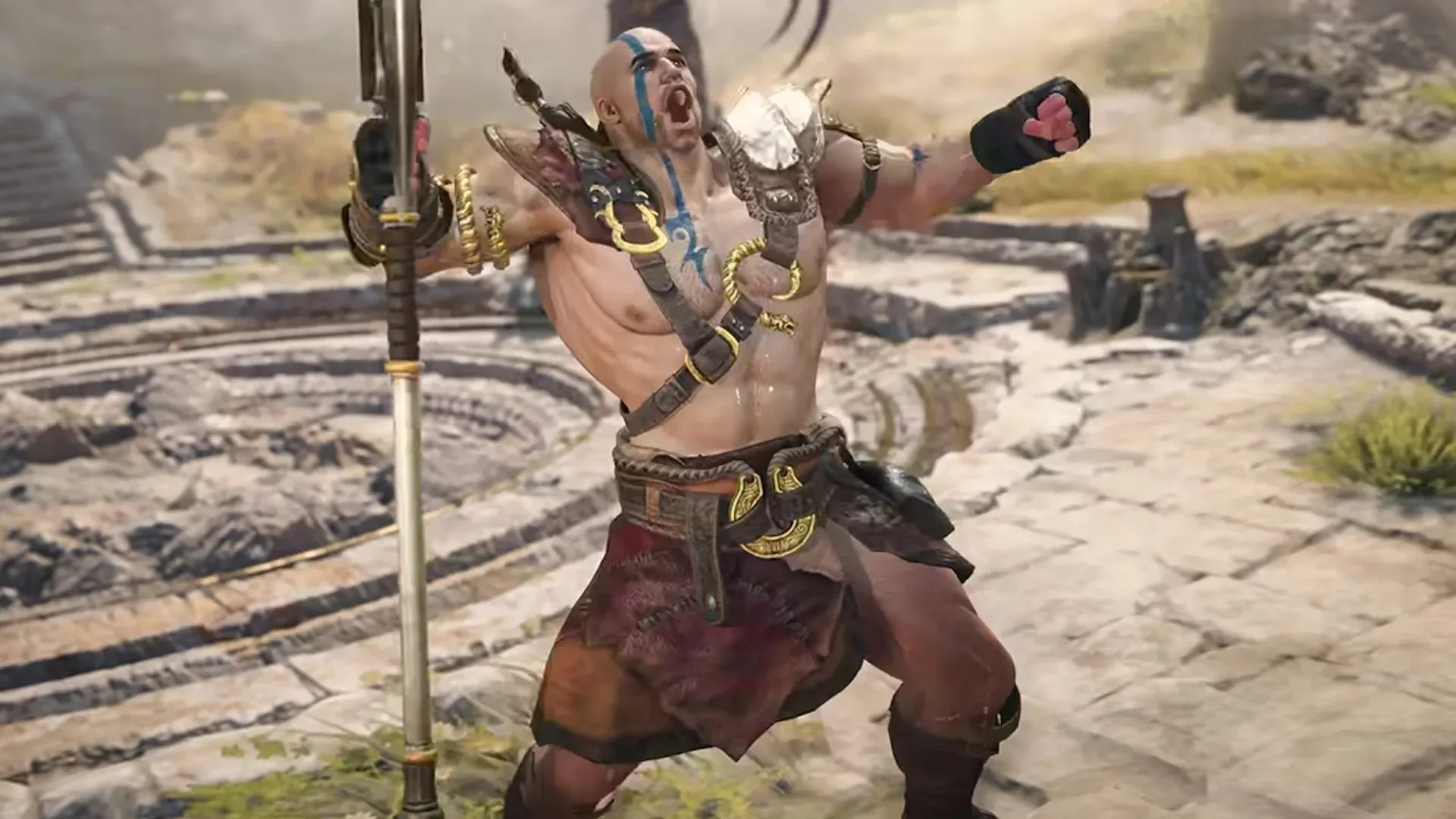
There is a useful parallel in how players approach hidden objectives in other games: the appeal is frequently not the object alone but the renewed attention demanded by the route to it. Our guide to obtaining Diablo 4’s Missing Bovine Foreshanks illustrates how an unusual interaction can turn a familiar setting into something worth examining more closely. The reported Castle Town request appears to apply that broad design idea on a smaller scale: a recognizable place gets a new point of interest.
What remains unclear
The preview material leaves major questions unanswered. There is no established list of all new side activities, no indication that the game will include a formal quest tracker, and no confirmed scope for dungeon revisions beyond the Forest Temple discussion. Likewise, a harder target-shooting activity should not be treated as proof of a remake-wide difficulty system.
Players should therefore separate the demonstrated details from reasonable, but unconfirmed, expectations. It is fair to say the reported remake includes at least one new bottle-related task, a more demanding shooting challenge, and some Forest Temple changes. It is not yet justified to assume extensive new stories, rebuilt dungeon campaigns, or sweeping changes to every optional diversion.
That uncertainty does not make the shown details trivial. For a title whose routes and beats are deeply familiar to many players, restrained revisions may be exactly what gives a return trip its purpose. The strongest promise here is not a different Ocarina of Time, but one that may still be capable of catching an experienced player off guard.