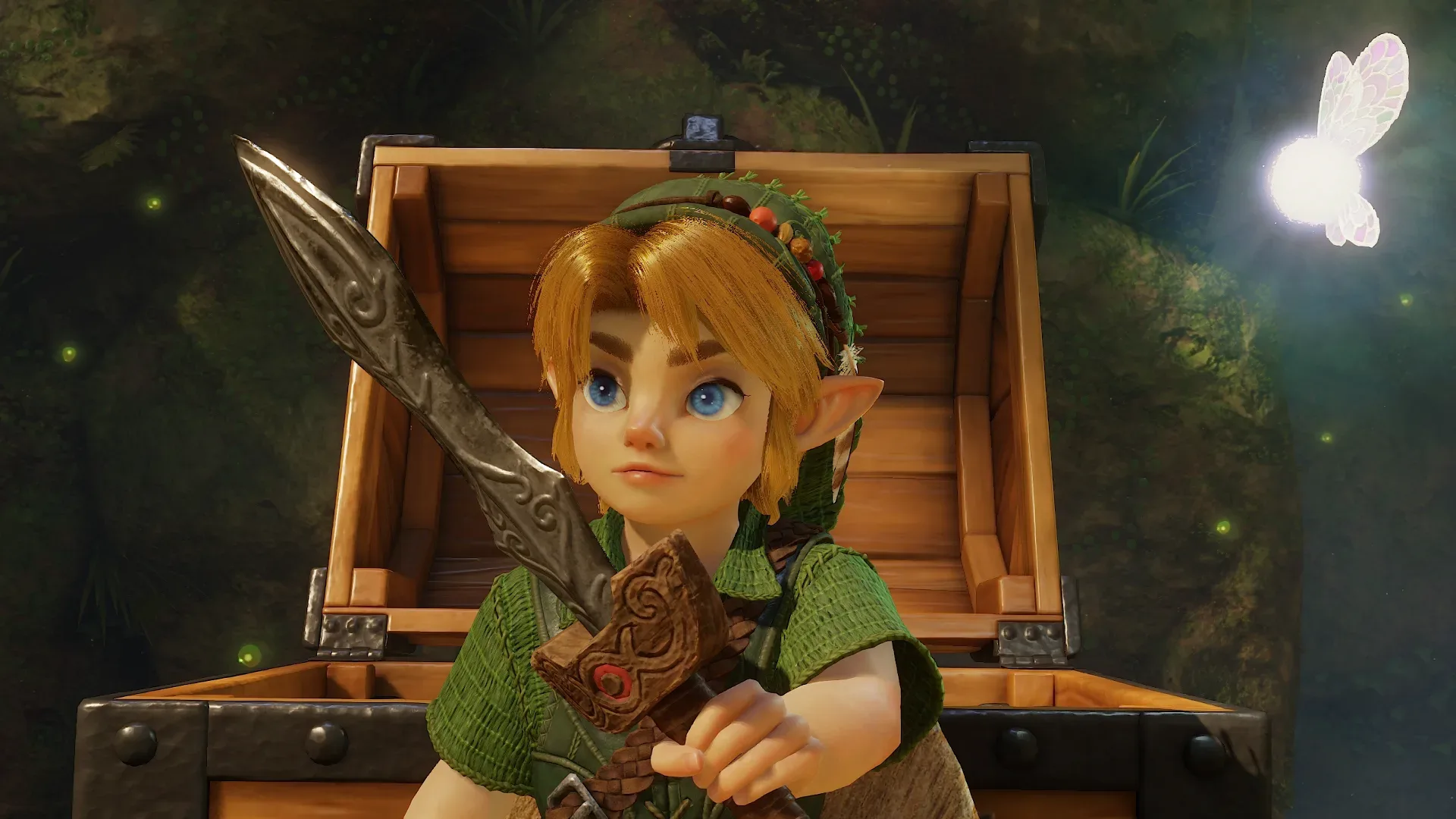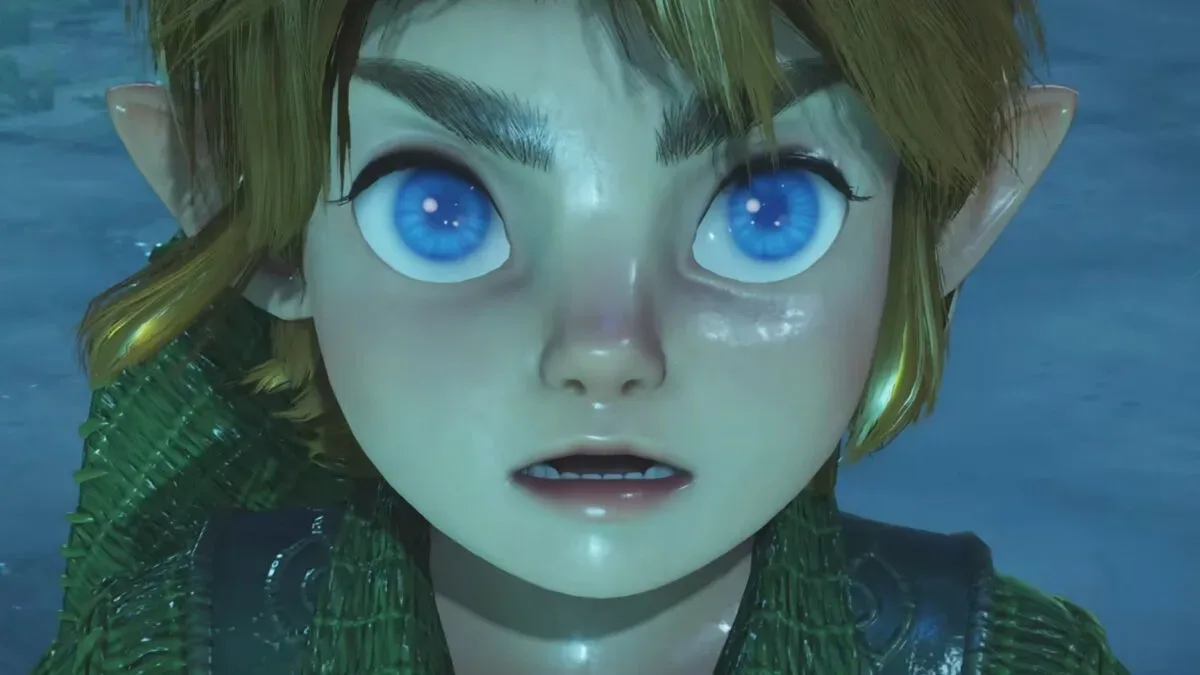
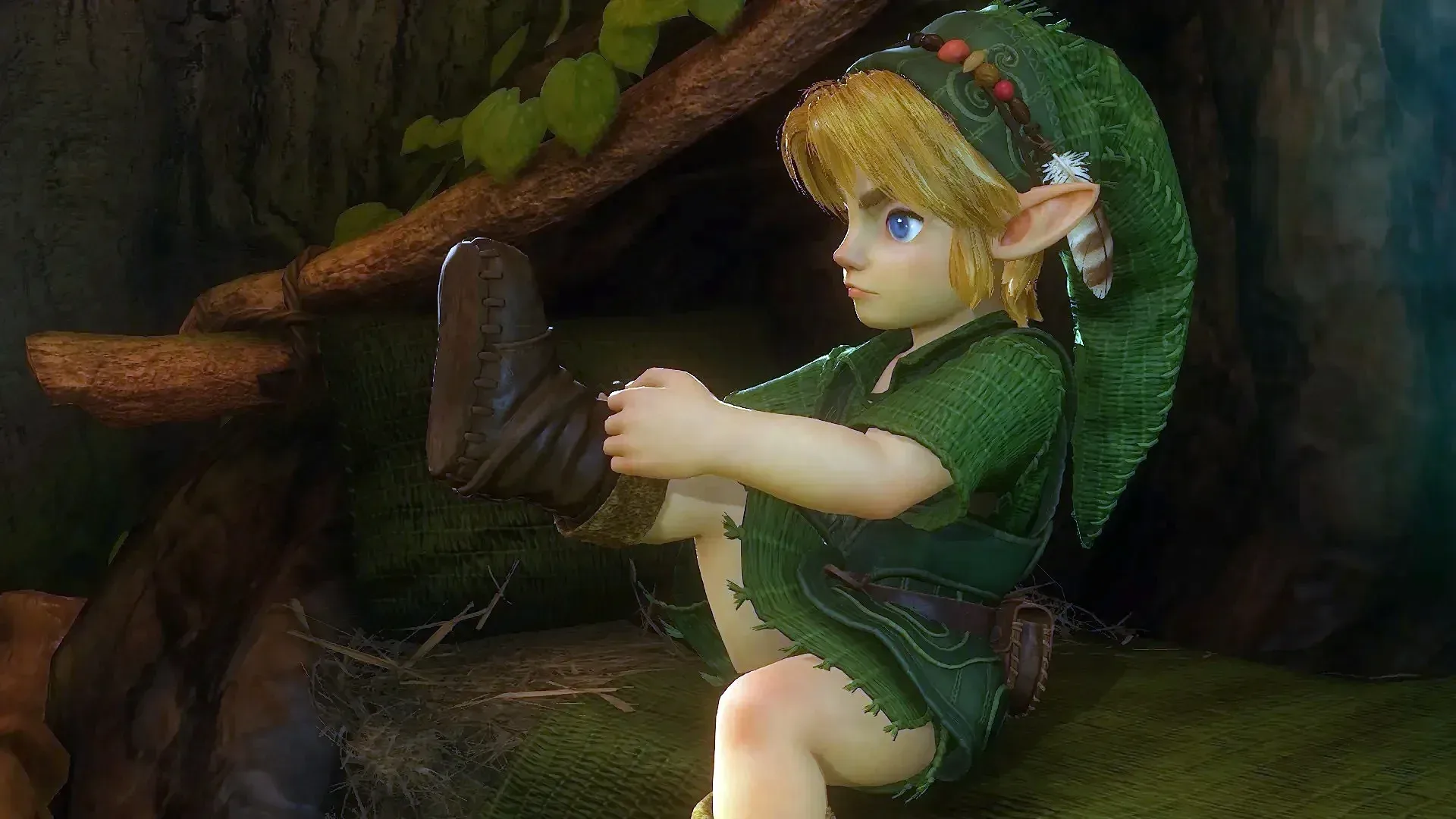
The midnight launch is not entirely gone yet. Crowds turned out around the world for the remake of The Legend of Zelda: Ocarina of Time, with videos and photos showing fans queueing outside retail locations for copies of the game and the Zelda-themed Switch 2 console.
That matters because nobody in those queues needed to be there purely for convenience. The remake was also available digitally through the eShop. A digital storefront lets a player buy, download and begin preparing a game from home; it eliminates the store hours, the line, and the uncertainty of whether a shelf still has stock. In practical terms, it is usually the simplest route to playing a major release.
But convenience is not the same thing as occasion. The scenes from the launch suggest that a meaningful number of players still see value in making release night a place to go rather than merely a time when a download unlocks.
Queues formed well before midnight
Nintendo organized an event at its Manhattan store, where fans gathered for the launch. Footage also showed lines at other brick-and-mortar chains, including Best Buy and GameStop. Some of those lines had formed by late afternoon, hours before the midnight handover.
The strongest image from the night may be the most old-fashioned one: a group set up a GameCube and television outside a store, then shared pizza with other people waiting to pick up their copies. That is a tiny pop-up game room built around a release date. It is also the part of a midnight launch that cannot be delivered through an online storefront.
Players can discuss favorite Zelda memories, compare launch-night plans, or simply pass the time beside people who are excited about the same thing. None of that requires a physical product in a strict technical sense. Yet physical retail creates the rendezvous point: a visible venue, a start time, and a reason for strangers to occupy the same bit of sidewalk.
For readers returning to Hyrule after the purchase, our guide to finding the Kokiri Sword and Deku Shield covers the opening essentials. The wider retail moment, however, is about more than getting through the first steps of the adventure.
Why this remake fits the moment
Ocarina of Time is a particularly apt game for a launch-night revival. The original is approaching its 30th anniversary, making the remake both a new release and a connection to an earlier console generation. That overlap can bring together people encountering the game for the first time and longtime players who remember it as an earlier landmark in their own gaming lives.
Related coverage includes Ocarina of Time Midnight Launches Draw Crowds for Physical Gaming.
The GameCube setup outside the shop made that connection tangible. It did not need a promotional display or a formal tournament to make the point. Older hardware, a screen, and a group of people waiting together turned the queue into an informal celebration of games as physical, social objects.
There is also a distinction worth preserving here. A physical game means a purchaser receives a tangible package or game media. A launch event is the in-person gathering around the release. The two often reinforce each other, but they are not identical. Fans may gather even when a box contains only a download code, and a physical product can be bought quietly during ordinary store hours. What the Ocarina of Time crowds demonstrate is that both rituals can still be powerful when they arrive together.
The box is changing, even when the crowd remains
The excitement also lands against a more complicated picture for game retail. Sales have increasingly moved to digital platforms, and physical-game traditions face pressure as publishers and platform holders reduce their reliance on store shelves. PlayStation is set to end physical game sales in 2028. Grand Theft Auto 6, meanwhile, is expected to launch with a code in the box rather than game media.
That difference is more than packaging trivia. A code-in-a-box release can preserve some parts of a retail launch: a customer can visit a shop, collect a case, and meet other fans. But it changes what the product represents. The box is no longer necessarily the vessel that contains the game itself; it becomes an access purchase, with the actual software obtained online.
For many players, that may not be a problem. Digital delivery can be immediate and practical, especially for people who have limited nearby retail options or prefer not to store boxes and cartridges. The point is not that one buying method is morally superior. The Ocarina of Time queues instead underline what is lost if every release becomes a solitary transaction: the optional, spontaneous public ritual around a highly anticipated game.
That ritual is especially meaningful for players who feel disconnected from local gaming communities. A midnight line offers a low-barrier social space. Everyone has already arrived for the same broad reason. Conversation can start with the game, the console, the wait, or the food someone brought to share. It is not a replacement for a lasting community, but it can be a rare evening where enthusiasm is visible rather than dispersed across posts, messages, and downloads.
A future release-night test for GTA 6
Grand Theft Auto 6 is likely to have its own scheduled midnight events when it arrives on November 19. Its scale should still make it a natural gathering point, regardless of whether the retail box contains a disc, cartridge, or a code. Fans can still count down, meet friends and turn up in person rather than experiencing the launch entirely online.
Yet the anticipated code-in-box format gives that prospect a different tone. The social event may survive while the traditional physical exchange changes. Instead of taking home the software as a piece of media, customers may take home a printed entitlement to download it. For some people that distinction will be minor; for others it is exactly why the Ocarina of Time queues feel so resonant.
It also explains why the Zelda-themed Switch 2 console drew attention alongside the remake. Hardware has an obvious physical presence in a way that digital licenses do not. A special console, a boxed copy, and a midnight line combine into the kind of release that feels collectible in memory even for people who are not trying to build a collection.
What the launch-night turnout actually says
It would be an overreach to treat a single large launch as proof that physical retail has reversed course. The evidence here is simpler and more useful: physical launches still have the capacity to draw crowds when the game, hardware, and moment align. The eShop did not prevent people from wanting the line. It made the line voluntary, which arguably makes the turnout more revealing.
These fans were not choosing the fastest possible checkout. They were choosing anticipation as a shared activity. They were choosing a store as a meeting place. And, in at least one queue, they were choosing a GameCube and pizza as the proper way to wait for a new version of a classic Zelda adventure.
As game purchases continue shifting toward digital platforms, events like this may become less routine. That does not make them obsolete. It makes their distinctive appeal clearer. A midnight launch can still be a small local festival built around a release: part retail, part nostalgia, and part proof that a game can bring people together before anyone has even reached the title screen.