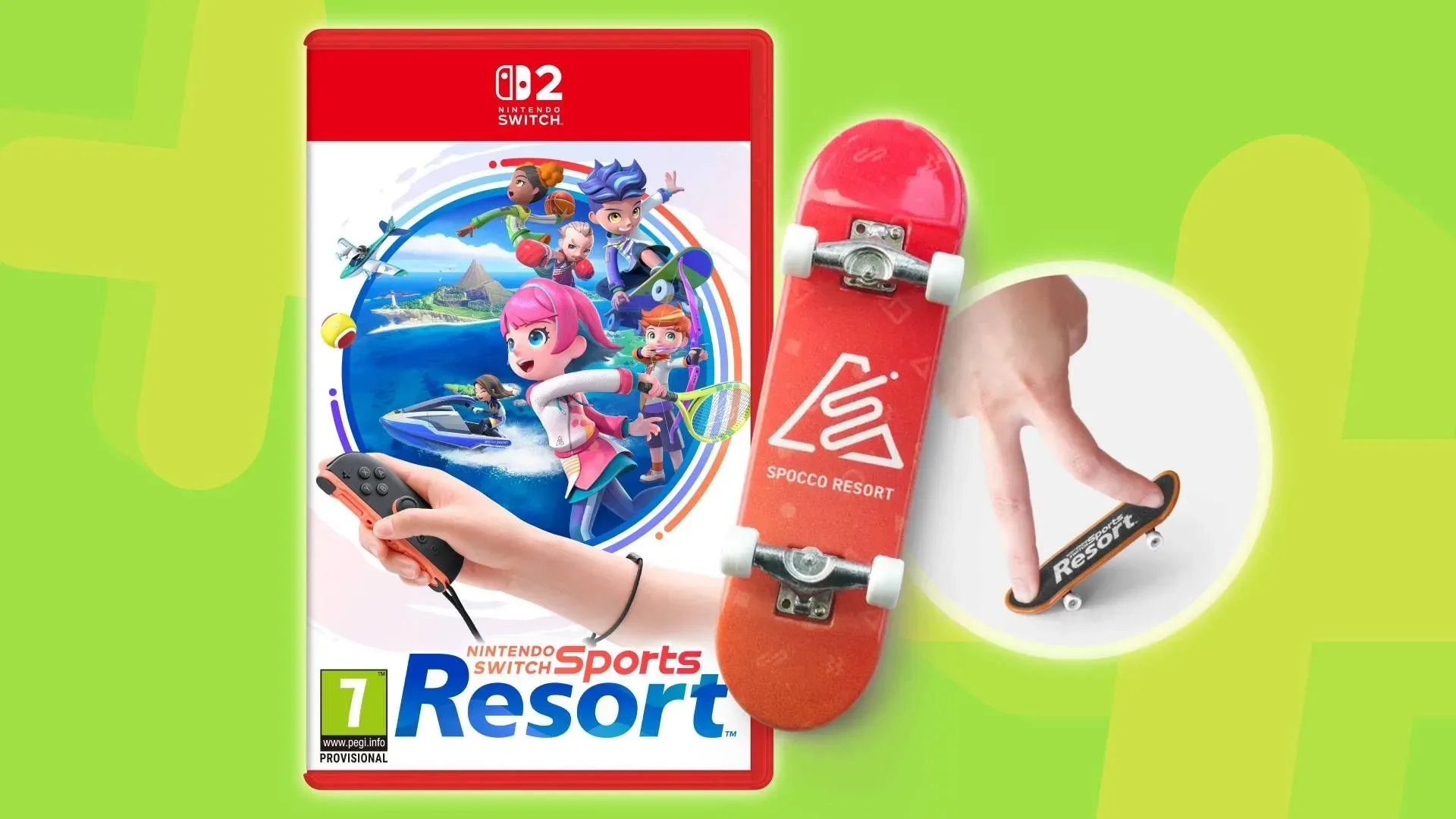
Nintendo Switch Sports Resort is heading to Nintendo Switch 2 on October 22, 2026, and its return trip to Wuhu Island appears to be built around more than refreshed visuals. A recent hands-on preview points to a mix of returning events, newly designed sports, online multiplayer, and dedicated sightseeing activities that make the island itself an active part of the package.
For players who remember Wii Sports Resort, Wuhu Island was never merely a backdrop between matches. It was a place to fly over, poke around, and turn into a personal playground. That sense of freeform curiosity looks set to remain important here. The headline detail is reassuringly specific: players can once again pilot a plane directly down the island’s volcano. This time, the volcanic interior is said to extend into a larger cave network.
That sounds like a small feature on paper. In practice, it explains the appeal of a sports collection returning to a familiar setting. Not every memorable activity in a motion-controlled game needs a leaderboard, a bracket, or an opponent. Sometimes it is flying somewhere that is obviously a terrible place to fly, simply because the game lets you.
Wuhu Island is expanding beyond the old flyover
The new game includes three sightseeing-focused activities intended for relaxed exploration rather than competition. Their purpose is distinct from a conventional sporting event: they give players room to travel through Wuhu Island and its expanded surroundings at their own pace.
- Skateboarding Sightseeing Tour puts exploration on land, with players collecting Spocco Photos around the island.
- Power Cruising Sightseeing Tour shifts that exploration to a jet ski, taking advantage of new islands surrounding Wuhu Island.
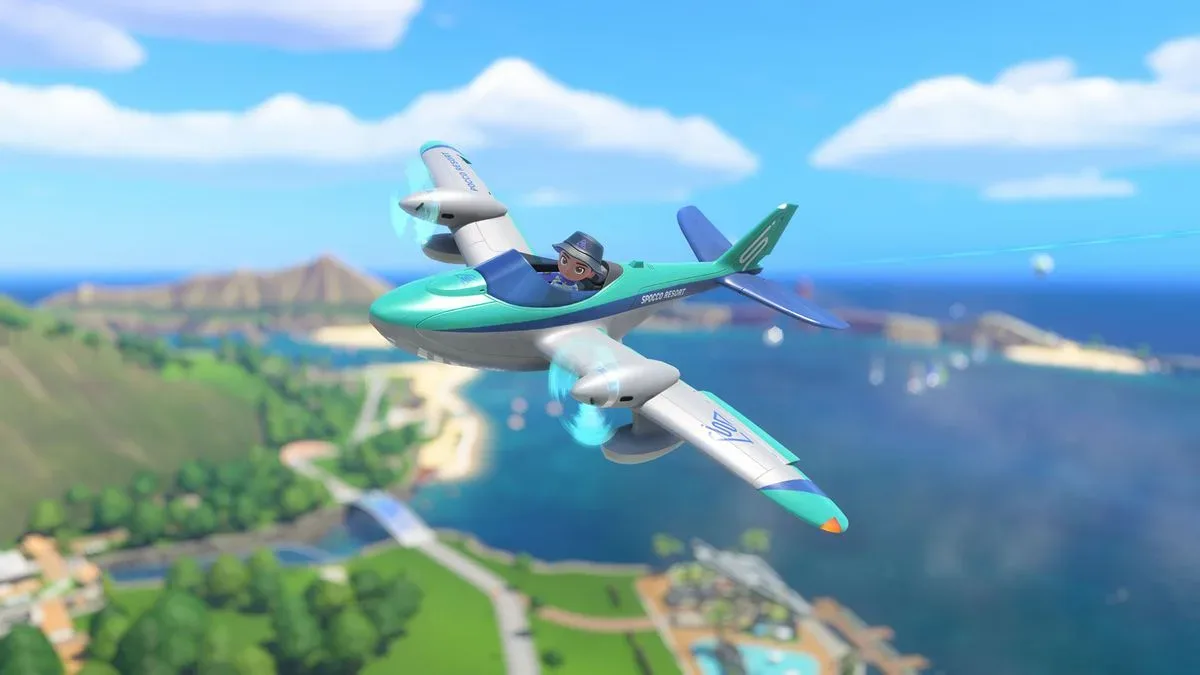
- Prop Plane Sightseeing Tour fills the role of the earlier aerial flyover activity, including the revived volcano descent.
Spocco Photos are described as the equivalent of the i Points found in the Wii-era game. Functionally, they appear to provide a reason to observe the world rather than race through it. The preview does not establish whether collecting every photo unlocks anything, how many there are, or whether the photos are arranged as a progression system. Those are details Nintendo will need to clarify separately. What is clear is that they are in-game exploration collectibles, not a replacement for the competitive events.
The expanded geography is potentially the more meaningful change. Power Cruising’s sightseeing mode is said to benefit from a cluster of new islands around Wuhu, so travelling by water is not simply a matter of moving across an empty ocean. For an environment remembered largely through movement—flying above it, driving through it, or finding unusual corners—the decision to add more places to inspect could make the island feel less like a nostalgic replica and more like a renewed destination.
The volcano is back, and it goes deeper
Prop Plane’s sightseeing mode has the clearest connection to the original Island Flyover. The ability to plunge a plane into the volcano has returned, while the mountain now contains a bigger cave system. That is an evocative design choice because it preserves an unscripted bit of player behavior rather than treating it as an accident to be removed.
It also captures a broader point about Wuhu Island. The setting has long supported small, player-made rituals: taking a plane somewhere impractical, tracing roads at low altitude, or treating a sporting-game map as a place worth learning. A larger volcanic interior gives this particular ritual new territory without changing what made it memorable in the first place.
Related coverage includes Nintendo Switch Sports Resort Hands-On: Wuhu Island's Volcano and New Motion Ideas Return.
There is no indication yet of whether the cave system contains further Spocco Photos, routes, secrets, or gameplay rewards. It is best understood, for now, as an expanded space to fly through rather than an announced challenge mode. Still, it is a promising signal that the sightseeing component is receiving attention beyond a visual refresh.
Returning sports retain the motion-control foundation
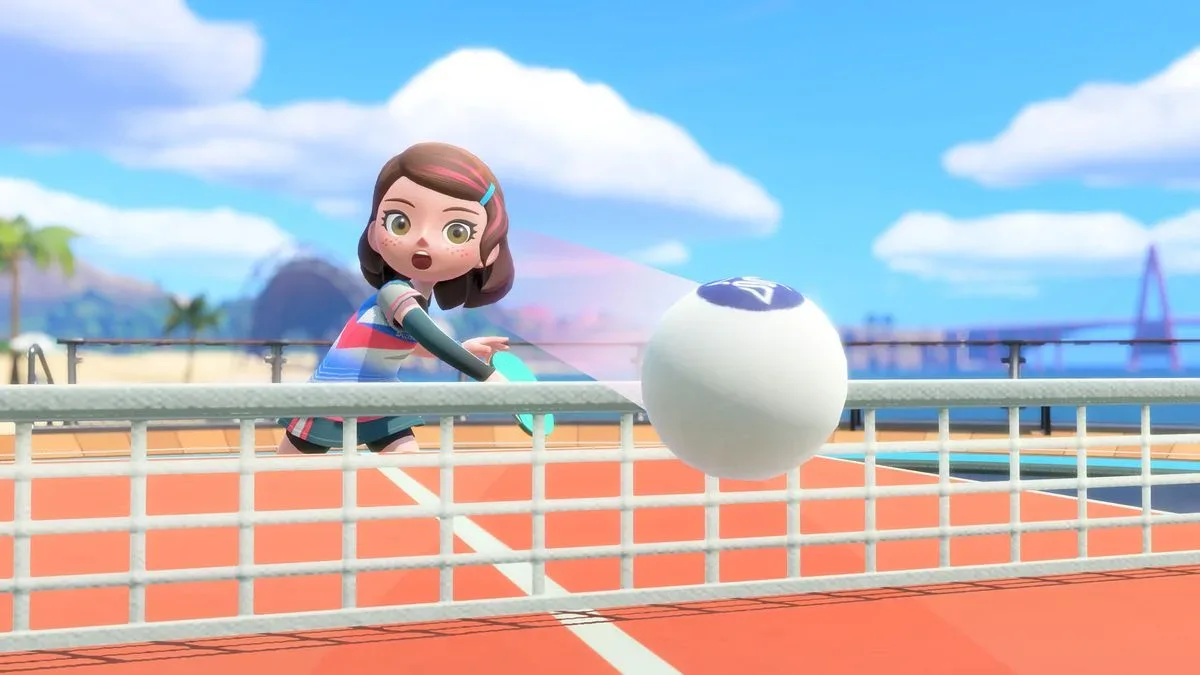
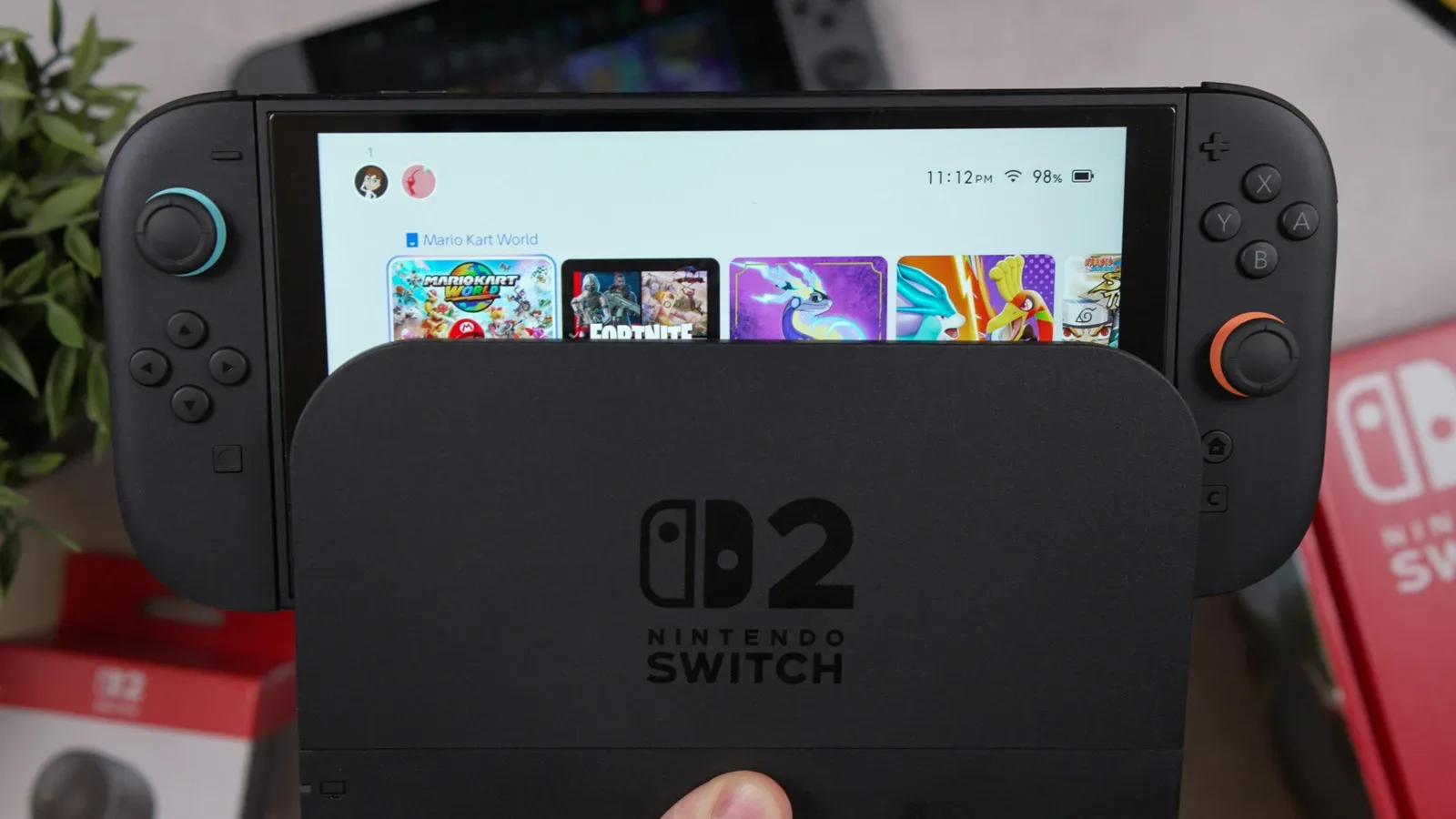
Table Tennis returns, and it remains one of the events most closely associated with timing and shot placement. The preview characterizes the Joy-Con 2 motion response as more responsive than the earlier Wii Remote implementation. That assessment comes from limited pre-release play rather than a full technical comparison, but it points to an important aim for the new version: retaining the readable physicality of swing-based play while making the input feel more immediate.
Motion controls are inputs that translate a controller’s movement, orientation, or acceleration into in-game actions. In a table tennis event, that typically means the swing and angle of the controller are central to the illusion of striking the ball. The challenge for games using this approach is not merely detecting movement; it is making the response predictable enough that players feel responsible for a good return or a mistimed hit. Table Tennis has a particularly direct relationship between gesture and result, so it is a natural benchmark for the controller update.
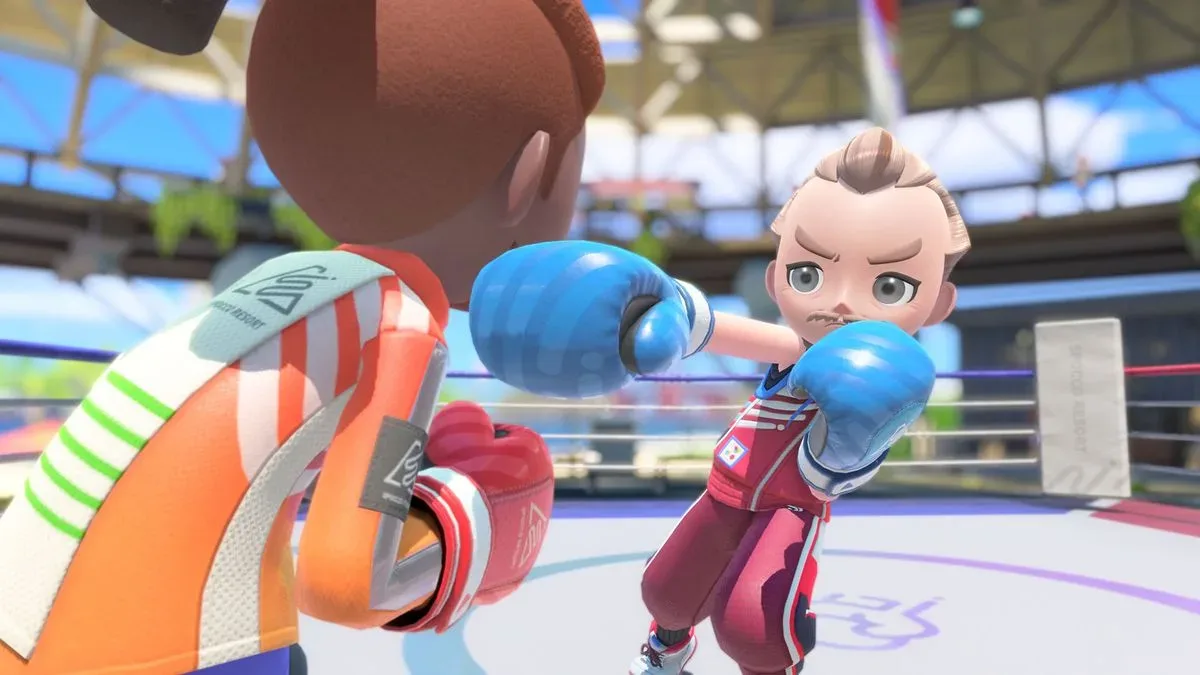
Boxing also uses conventional Joy-Con swinging. The preview does not provide a full rundown of its mechanics or confirm how much it differs from prior versions, so expectations should remain measured. Its inclusion nevertheless underlines that Nintendo Switch Sports Resort is not abandoning the accessible, pick-up-and-play motion template that defines this kind of collection.
Thumb Wrestling makes reading an opponent the main skill
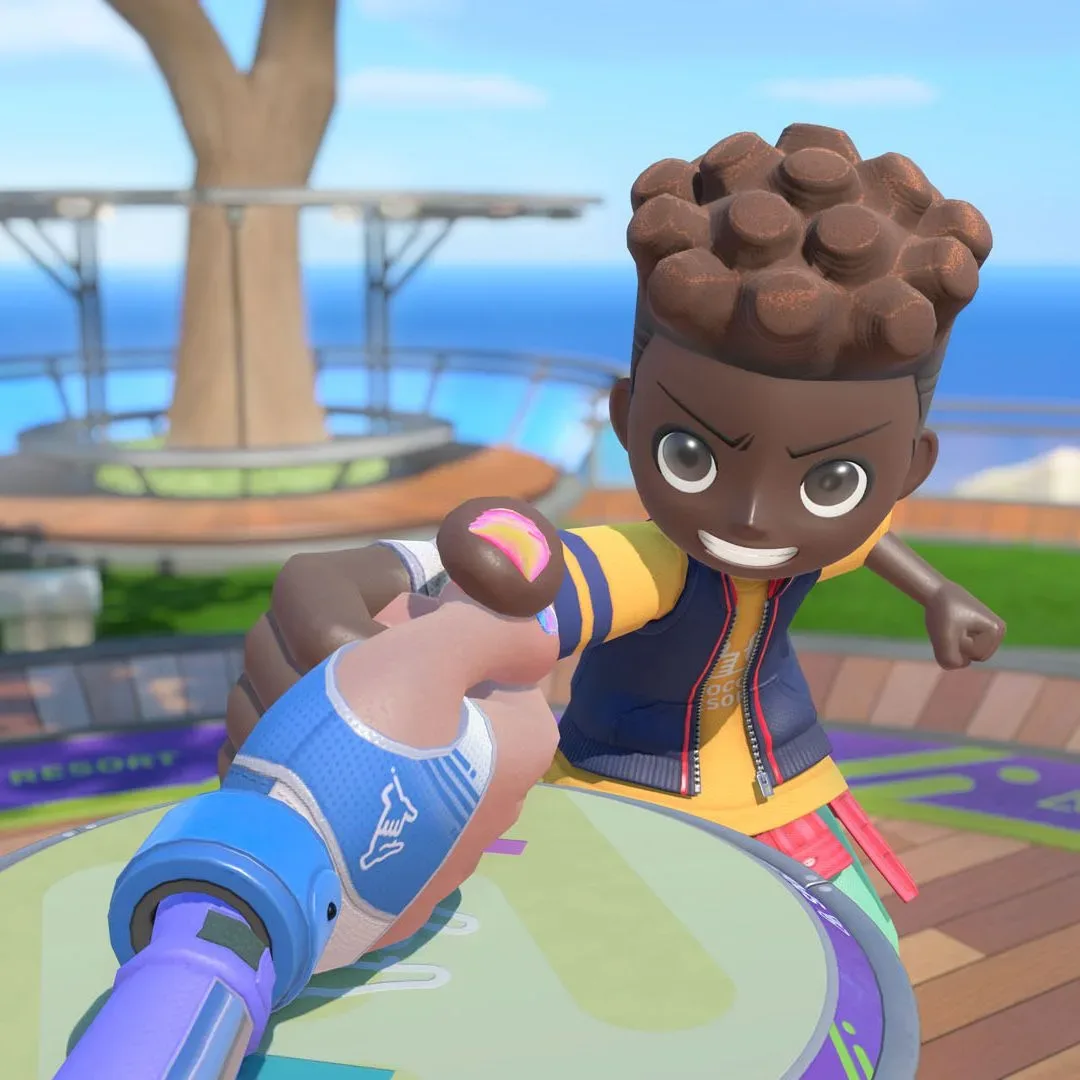
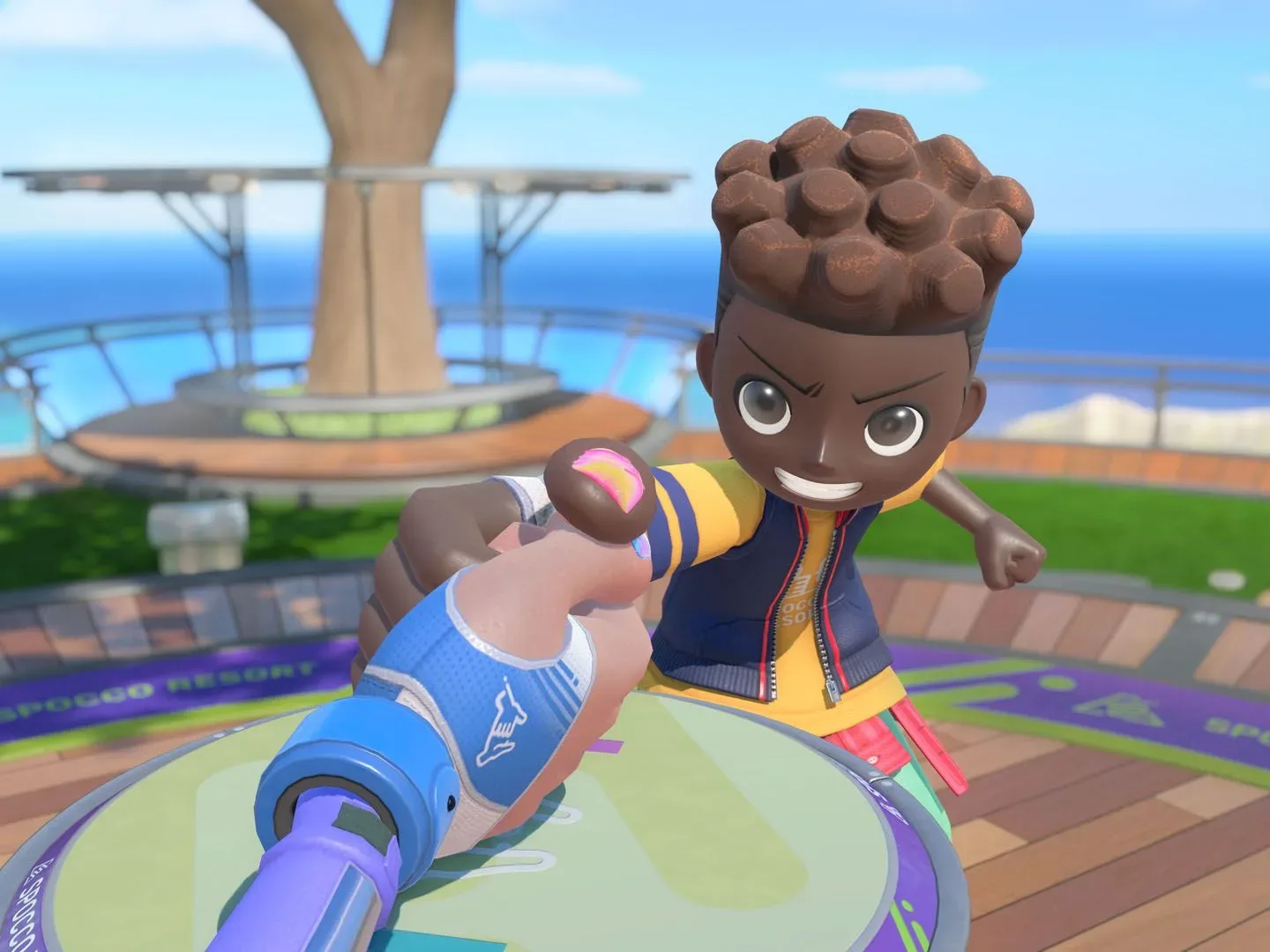
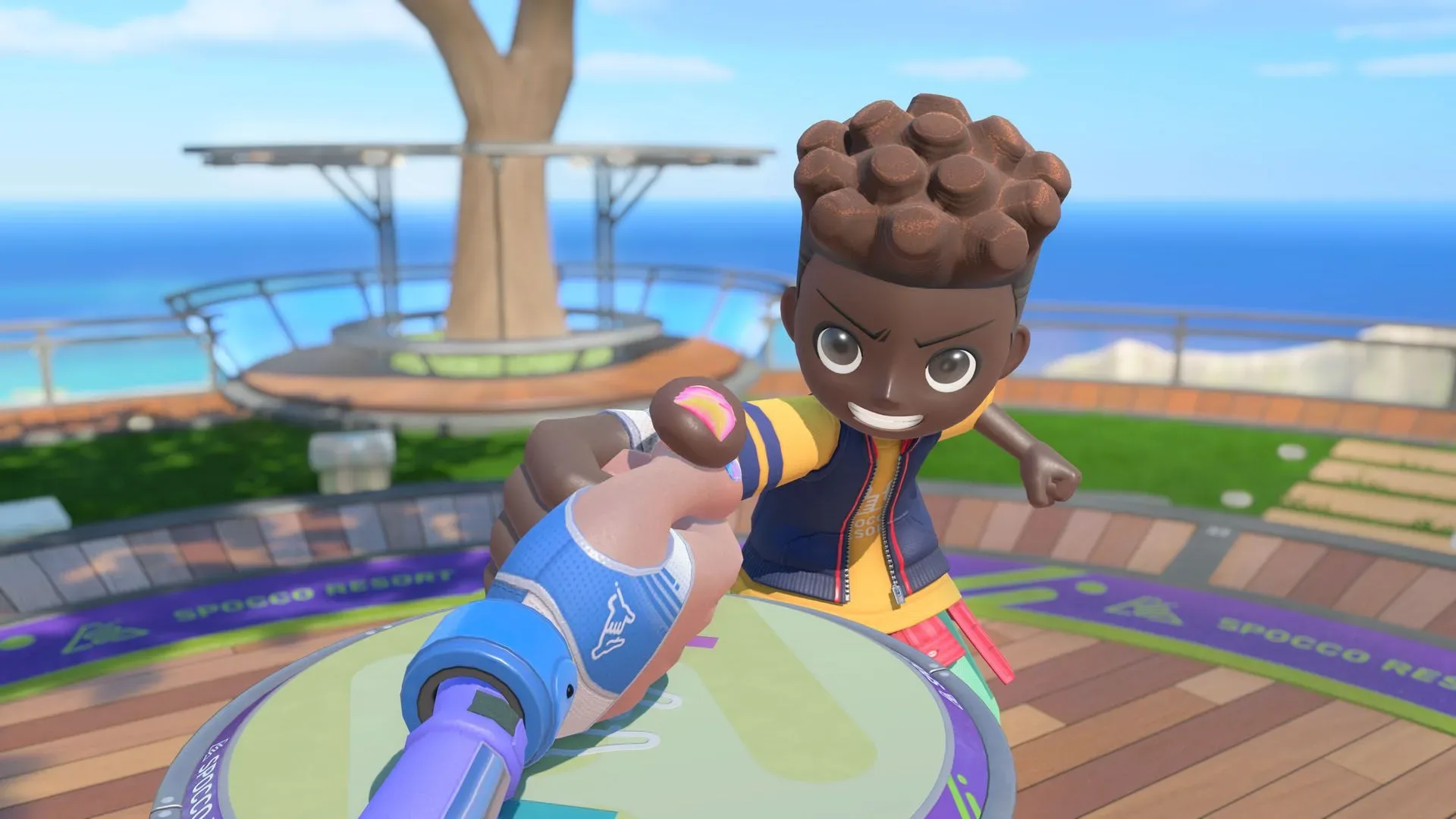
The most unusual new event described so far is Thumb Wrestling. It is intentionally quick, silly, and built less around athletic simulation than around anticipation. Players watch for a moment when an opponent’s thumb is exposed, then attempt a grab. Successful grabs expand the player’s thumb and strengthen the next grab, while a caught player shakes the Joy-Con 2 side to side to escape.
The core idea sounds like a mindgame: a contest where the decisive skill is predicting another player’s decision rather than executing a complex input. Players may need to feint vulnerability, wait for impatience, or attack when the other person expects hesitation. That makes Thumb Wrestling a useful counterpoint to Table Tennis. One is described as a sport where physical motion and timing carry the match; the other puts the emphasis on reading the person across from you.
The control posture adds to the joke. Players hold the Joy-Con 2 upright and use its trigger as though they are pinning down somebody’s thumb. That is exactly the kind of literal, slightly absurd controller theater that works well in local multiplayer. It gives spectators an instant idea of what is happening even before they understand the rules.
Archery’s special rules introduce a comeback mechanism
Archery returns with refreshed options, including a special rules variant seen in the preview. The target is divided into four colored sections, and each player can score only by landing arrows in their assigned section. Crucially, doing well causes a player’s section to shrink in the following round.
This is a form of balancing mechanic: a rule designed to make it harder for a leader to keep extending an advantage. It does not erase the value of early accuracy, since earning points still matters. Instead, it raises the precision requirement for the player currently ahead while offering a larger scoring area to someone trying to catch up.
Such a system can make a short multiplayer match more volatile, particularly in a group where skill levels are uneven. A lead is still valuable, but it becomes a situation to manage rather than a guarantee that the final rounds are settled. The preview’s example saw a points deficit reversed in the closing round, which is the intended drama of the format. It will be worth seeing how many special-rule options are available in the finished game and whether players can select them freely in local and online play.
New controller ideas go beyond swinging
The standout design theme is variety in how the Joy-Con 2 is held and moved. Alongside familiar swinging controls, Nintendo Switch Sports Resort reportedly uses mouse controls for skateboarding, where players mime pushing with a foot. Prop Plane has players hold the controller like a paper airplane. Thumb Wrestling asks for the upright, trigger-focused grip.
Mouse controls generally refer to movement across a surface being translated into pointer-like input. Here, the important part is the physical metaphor rather than a conventional desktop-style cursor: the control scheme is trying to make skateboarding feel different from waving a racket or drawing a bow.
These schemes are not proof that every activity will land equally well, and hands-on impressions cannot settle questions of comfort, accessibility, or long-session reliability. But they suggest a more deliberate use of the controller than simply applying the same swing gesture across every sport. Each event appears to be searching for an action that communicates its premise immediately.
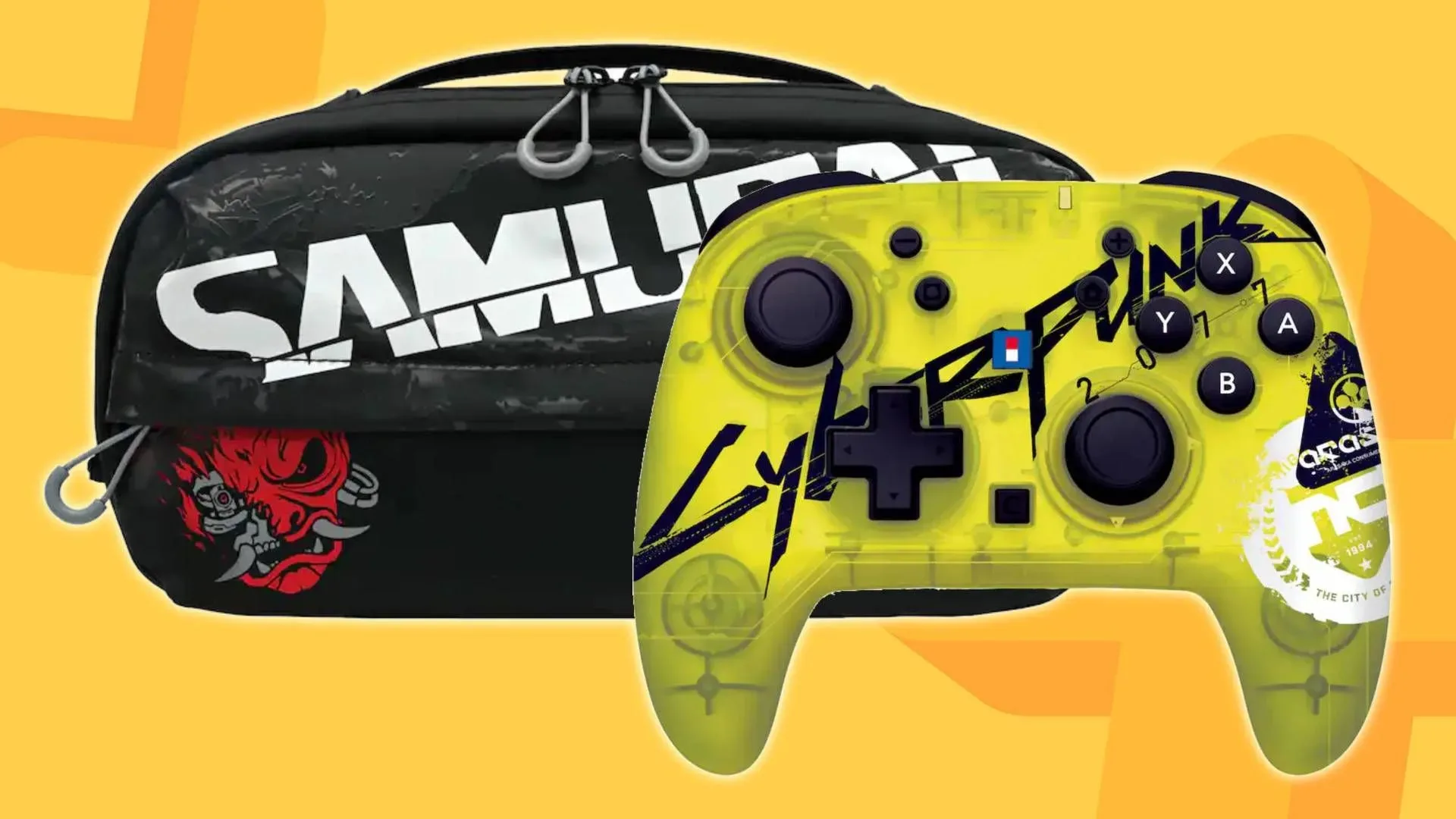
For Switch 2 owners considering peripherals alongside the game, it may also be useful to note that third-party controller options are beginning to arrive; Hori’s Cyberpunk 2077 Switch 2 controller and carrying case are now available in North America. The sports collection’s newly described input concepts, however, are specifically framed around the Joy-Con 2, so alternative hardware should not be assumed to duplicate those motion or mouse-control experiences.
Online play changes the social equation
Online play is included, extending the competitive modes beyond the people in the same room. This matters for an event list split between more skill-led activities, such as Table Tennis, and psychological quickfire games, such as Thumb Wrestling. The former may reward repetition and technical consistency; the latter may change dramatically depending on how well competitors know each other’s habits.
At the same time, the sightseeing tours provide a welcome alternative to constant competition. Their existence suggests that Nintendo Switch Sports Resort is not positioning every player as an aspiring champion. Some may want the tension of an Archery comeback. Others may want to take a jet ski around the new islands, search for photos, or fly a prop plane into a volcano just because that remains possible.
That balance is the most encouraging part of the early picture. Nintendo Switch Sports Resort does not appear to be treating Wuhu Island solely as a recognizable stage for its events. It is also preserving it as a space for wandering and playful detours. The full scope of sports, modes, and exploration rewards remains to be detailed, but the early showing suggests a return that understands why the island itself mattered.