Shigeru Miyamoto has singled out an unexpectedly narrow piece of Super Mario Bros. as one of its most intriguing design decisions: Mario does not need to fight Bowser in the usual sense.
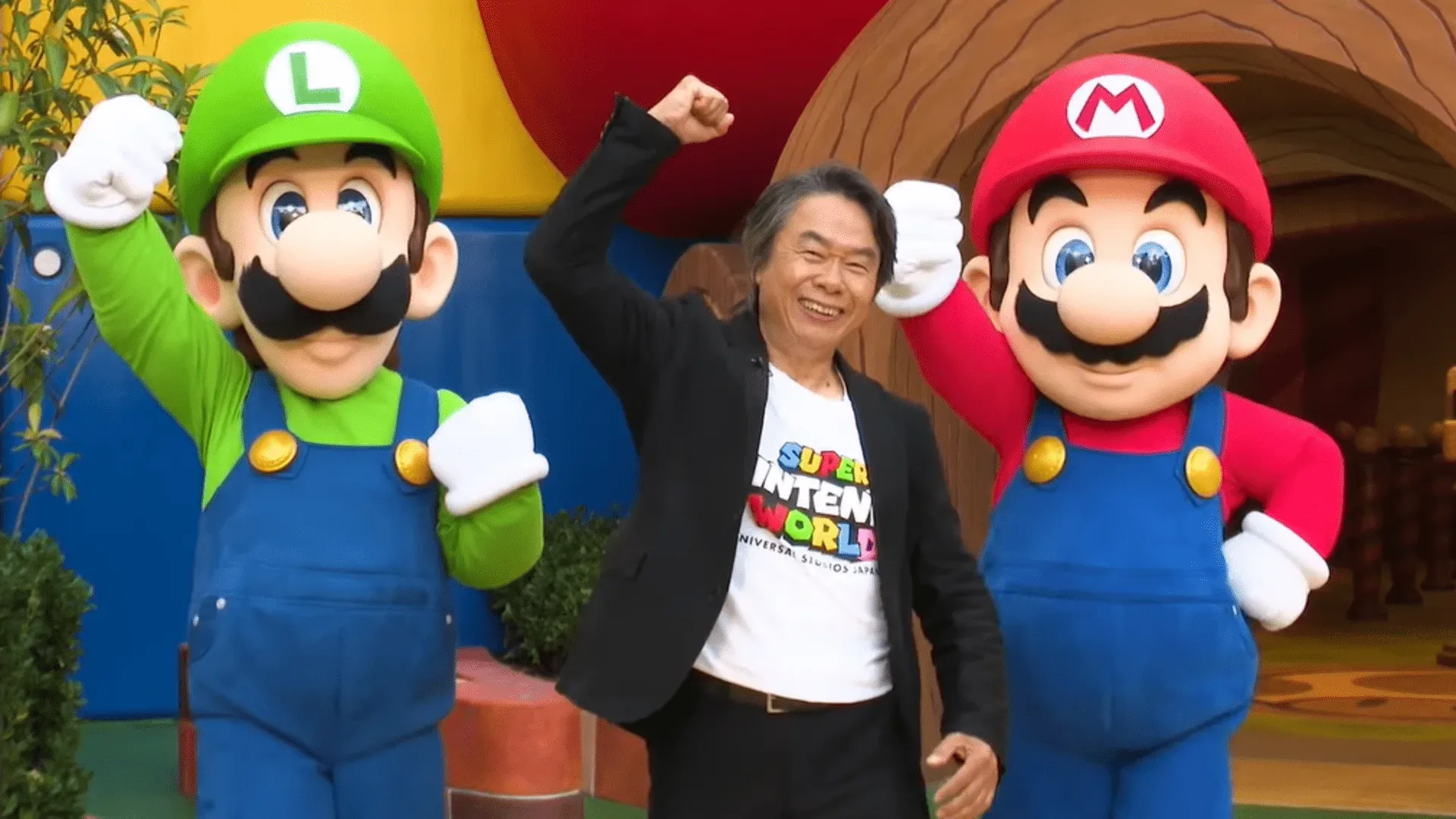
Speaking at a press conference after receiving Japan’s Order of Culture, Miyamoto reflected on the 1985 platformer’s climactic encounters. Rather than point to the game’s scrolling stages, hidden elements or its broader influence, he focused on the Bowser sequences. The development team had been trying to determine how to make a satisfying final confrontation. Their eventual answer, he explained, came from the game’s core direction of travel: if Mario’s adventure is fundamentally about moving to the right, the boss encounter should preserve that momentum.
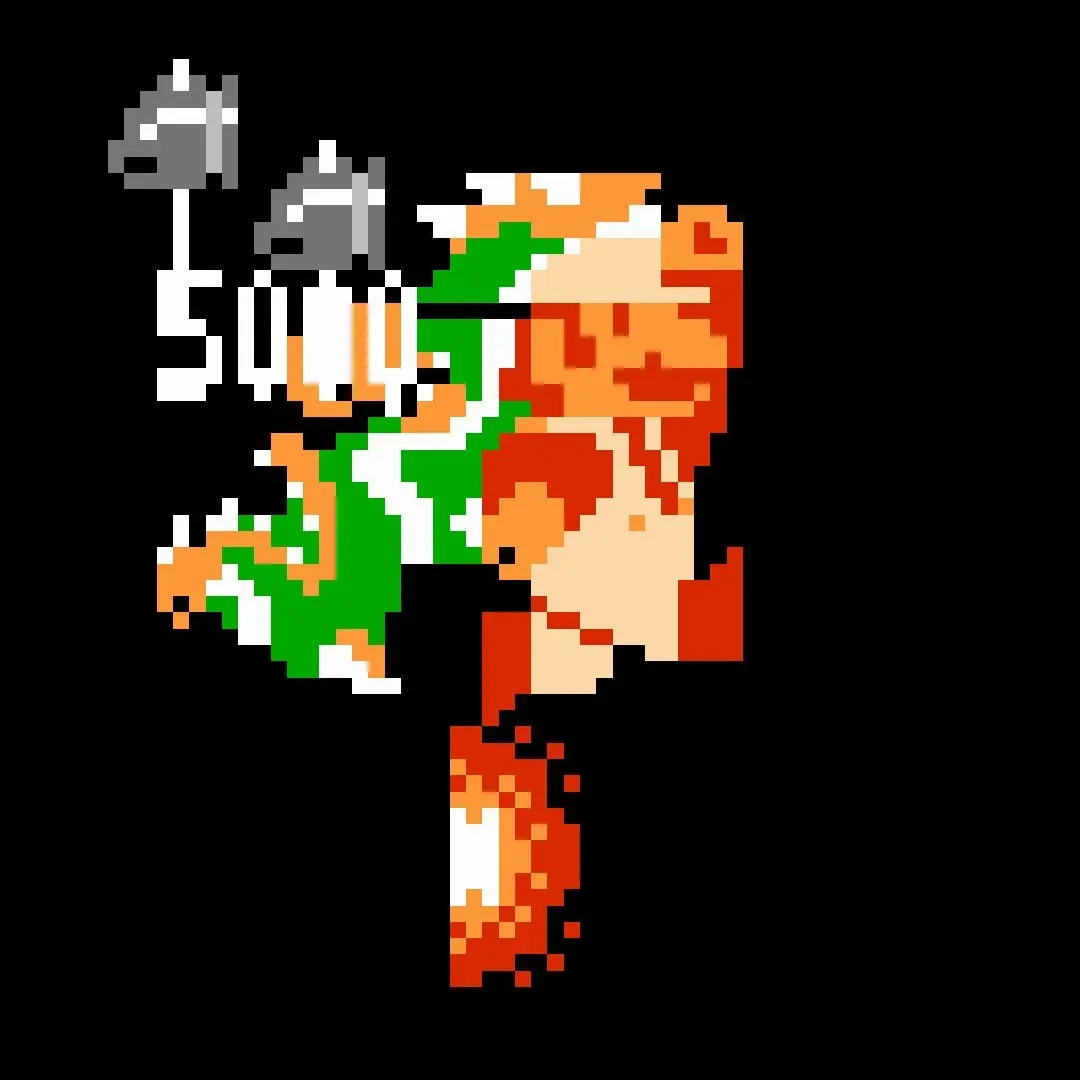
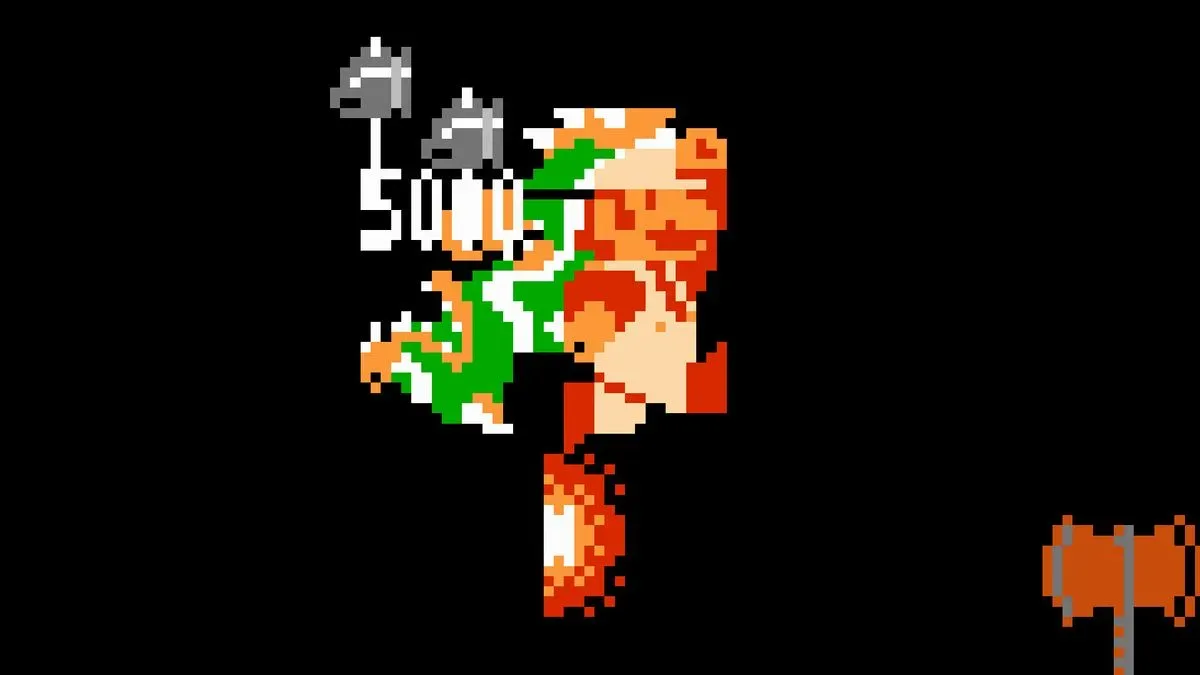
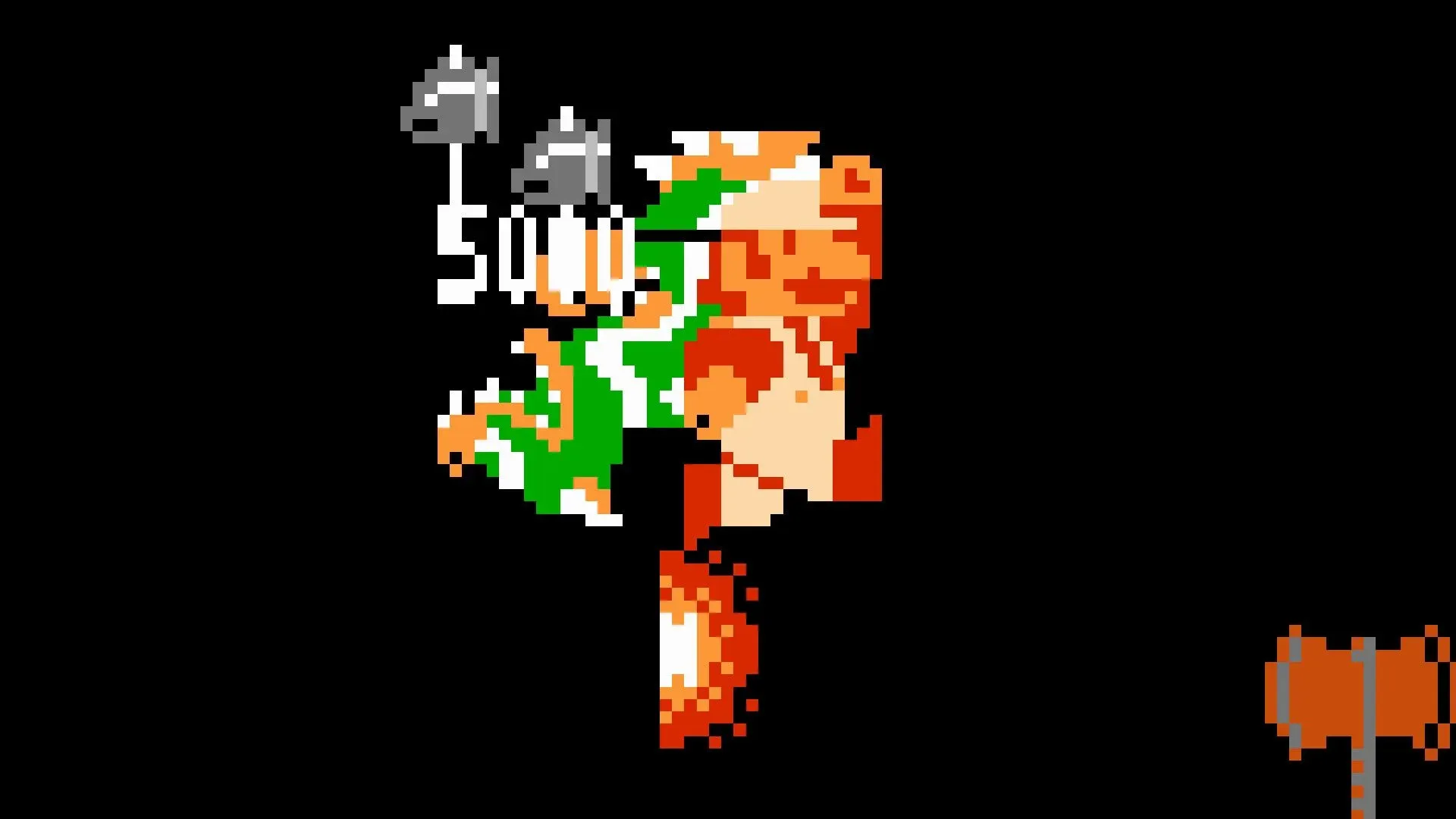
That framing makes the familiar end-of-castle scene look a little different. Bowser stands between Mario and the axe at the far right of the bridge, throws projectiles, and creates an obstacle that must be crossed. The standard solution is not to stand one’s ground and trade attacks. It is to jump over the threat, reach the axe and collapse the bridge underneath him.
There is an important wrinkle for anyone who knows the game inside out: Bowser can be defeated with fireballs when Mario has the Fire Flower power-up. That option does not undo Miyamoto’s observation, however. The stage’s central structure still treats the encounter as a forward-moving obstacle course. Fireballs offer an alternate method, while the bridge-and-axe setup supplies the default dramatic punctuation.
A boss encounter built from the game’s main verb
In game-design terms, a game’s “main verb” is the action a player performs most often and that defines its basic feel. For the original Super Mario Bros., the evidence described here points to running and jumping through a route that flows to the right. Bowser does not ask the player to abandon that established language for a separate arena-fight system. He intensifies it.
The distinction matters. A conventional boss fight often changes the player’s priorities: movement may become secondary to attacking, learning a health bar’s patterns, managing a limited resource, or waiting for a short damage window. The original Bowser setup instead turns the finish line into the danger. Players are still reading spacing, timing jumps and judging the hazards in front of them. The axe is not merely a decorative switch after the battle; getting to it is the battle’s defining act.
That also helps explain why the confrontation can feel climactic without needing a complicated rule set. The stage presents a recognizable objective at the far edge, places a huge antagonist before it, and makes the player execute the skills the game has already emphasized. The idea is clean enough to be immediately readable but flexible enough for Bowser’s projectile pressure to change the rhythm of the approach.
Analysis: Miyamoto’s account is a useful reminder that a boss does not automatically need to be a test of direct combat. A boss can be a concentrated test of the game’s existing movement, spatial awareness and nerve. Here, the apparent villain is also a physical barrier positioned at the end of the route. The player’s goal remains advancement, not domination through a separate combat loop.
Related coverage includes Miyamoto Says Super Mario Bros.' Best Bowser Idea Was Avoiding a Traditional Fight.
Why “not a fight” is not the same as “no danger”
Calling these sequences something other than traditional fights should not be confused with saying they lack challenge. Bowser’s projectiles and imposing placement make the encounter dangerous. The cleverness lies in what the game asks the player to do with that danger. Mario must navigate around it rather than necessarily reduce Bowser’s health through repeated attacks.
The bridge itself is central to the scene. It turns the final action into an environmental solution: the player reaches the far side, activates the axe and removes the structure supporting Bowser. In other words, the player changes the space rather than simply defeating an opponent with direct force. It is a particularly economical form of escalation because the encounter’s threat, goal and resolution all fit on the same strip of level.
That economy is also why the fireball exception is worth preserving rather than ignoring. A player who arrives powered up can use fireballs to defeat Bowser, so it would be inaccurate to say there is absolutely no direct combat available. But a route through the encounter does not make it a conventional combat-first boss by design. Mario can finish the moment in a more aggressive way; the level still presents reaching the axe as its basic answer.
Explanation: An “environmental solution” is a way of overcoming an obstacle by using the level’s objects, layout or mechanisms rather than relying solely on a character’s attack. The axe and bridge are an especially direct example. Mario is not required to outlast Bowser in a prolonged exchange; he uses the level’s endpoint mechanism to resolve the obstacle.
The later Bowser encounters show the contrast
Miyamoto’s comparison with later Mario games makes the original design stand out. Subsequent Bowser encounters more openly resemble combat set pieces. In Super Mario World, the confrontation includes throwing Bowser’s explosives back at his clown car. In Super Mario 64, Mario grabs Bowser by the tail and launches him toward explosives.
Those examples retain spectacle and movement, but they put Mario’s direct interaction with Bowser much more plainly at the center of the encounter. The player is not only getting past an obstruction; they are using a specific offensive action against the antagonist. That is a meaningful evolution in how a series can reinterpret the same rivalry.
It also makes the 1985 game’s solution feel less like an incomplete early version of a later, “proper” boss battle and more like a deliberate fit for its own structure. The original has one idea—continue forward—then finds a climactic way to stress it. The later examples use more overtly combative actions, matching their own scenarios without changing what made the earlier solution distinctive.
The difference offers a useful lens for discussing bosses broadly. The word “boss” often implies a large enemy that must be beaten in a head-to-head fight. Miyamoto’s description instead emphasizes function over convention. Bowser is the climactic obstacle at the end of a level, but the way Mario overcomes him is shaped by the kind of game Super Mario Bros. is. Size and story importance establish Bowser as the boss; the mechanics decide what kind of boss he becomes.
That question of what counts as a fight also appears in games built around more explicitly martial systems. For a contrasting conversation about how games frame combat and character presentation, see our look at Street Fighter’s revised Chun-Li detail.
Recognition for a creator associated with foundational Nintendo series
Miyamoto received the Order of Culture from the Japanese government and is described as the first game developer to receive the award. The honor has previously been associated with figures including actors, musicians and Nobel Prize laureates. Miyamoto is known for his work creating series and characters including The Legend of Zelda, Donkey Kong and Pikmin, alongside Mario.
His comments on the first Super Mario Bros. are revealing precisely because they do not depend on grand claims about technology or legacy. They return to a practical development problem: how do you make the ending exciting while staying true to the rest of the game? The answer was not to insert a detached duel at the last possible moment. It was to make the player’s ordinary direction of motion feel newly perilous and consequential.
Analysis: This is a valuable design principle because it keeps climax and identity connected. When a game’s finale tests an action the player has been practicing throughout, it can make the ending feel like a culmination instead of a rules change. That does not mean every game should make its bosses identical to regular play. Rather, the original Bowser design shows the value of asking what the player has truly been doing all along, then heightening that activity.
Why the observation still lands
It is easy to remember Bowser as an enemy and flatten the encounter into “Mario beats Bowser.” Miyamoto’s point restores the route, the bridge, the axe and the jump to their proper importance. The player is not simply handed an opponent to overpower. They are presented with the final, most intimidating expression of a game that has continually asked them to go forward.
That is also why the fireball method is such a satisfying footnote. It gives skilled or well-equipped players another possibility without replacing the underlying concept. The encounter supports direct defeat, but does not require it. The headline idea remains a remarkably simple one: Mario gets past Bowser because this is a game about getting past what is in Mario’s way.