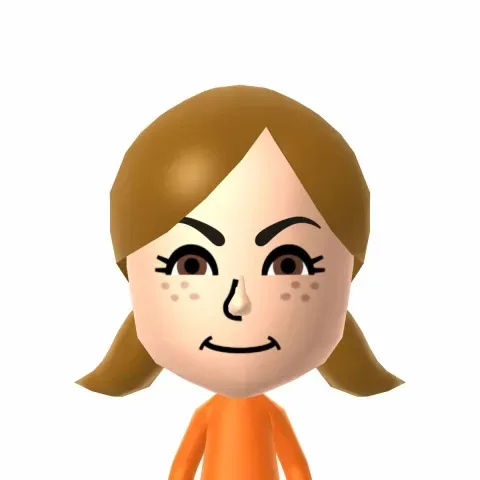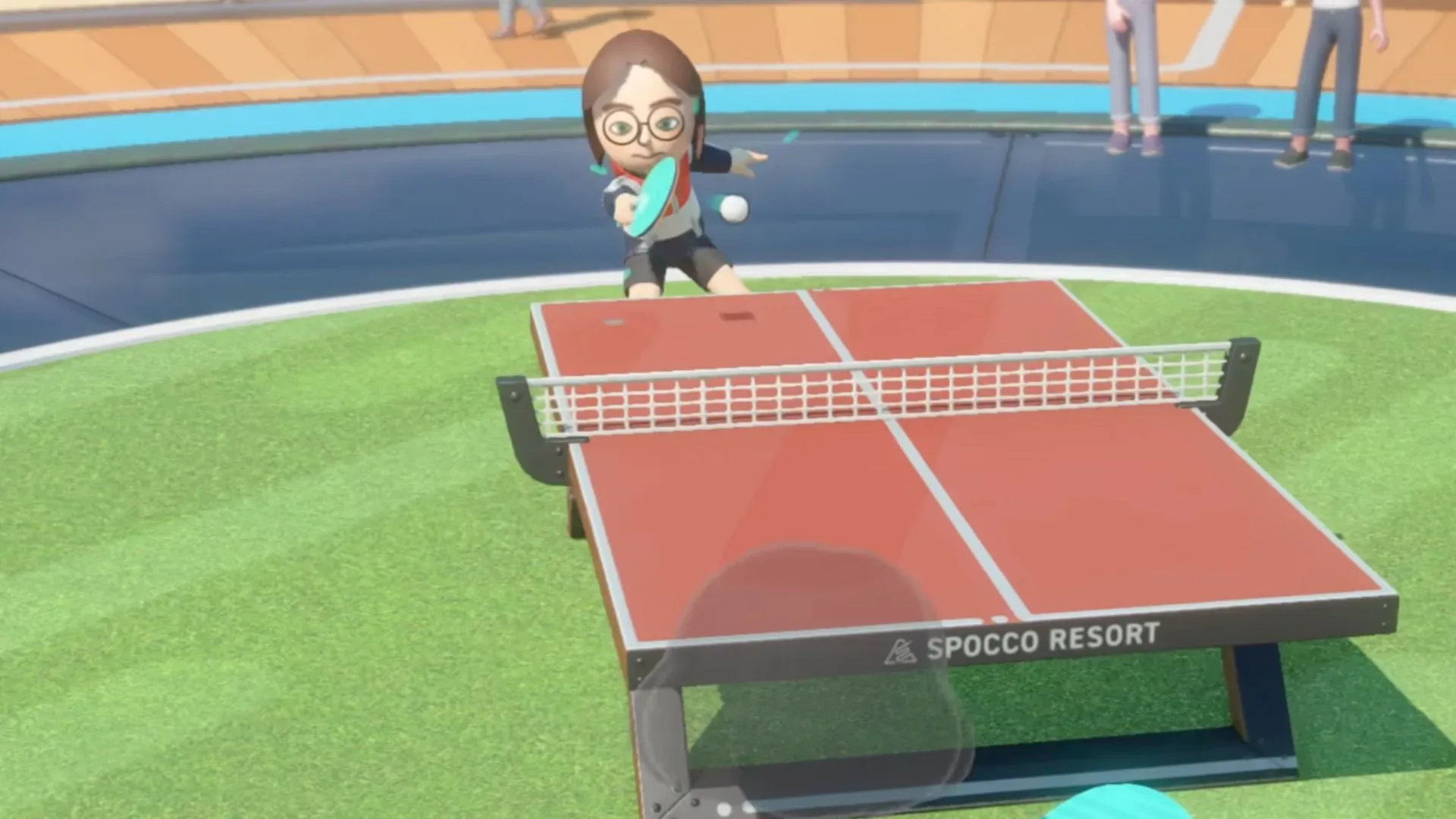
There are video-game rivals who are feared because they are enormous, monstrous, or wrapped in a dramatic final-boss cutscene. Then there is Lucía: a Mii with a table-tennis paddle and a reputation sturdy enough to make returning players immediately dread a rematch.
Lucía has returned in Switch Sports Resort as the table tennis Champion, reviving one of the most memorable difficulty spikes from Wii Sports Resort. Her return has quickly become a point of conversation among players, with posts ranging from delighted recognition to exhausted accounts of repeated defeats. One circulating gameplay clip shows just how frantic a single rally can become once she starts returning shots at high speed.
The important point is that this is not simply a familiar character showing up for a cameo. In the earlier game, Lucía occupied the Champion role: the final non-player character opponent a player needed to beat to master table tennis. That made her a clear endpoint rather than just another face in the rotation. Now, she appears to be reclaiming precisely that role in the newer game—and, to the dismay of anyone who remembers her, the challenge attached to it.
From unremarkable athlete to table tennis terror
Lucía has been part of the Wii-era sports cast since the original Wii Sports, where she was presented as a comparatively ordinary athlete. Her lasting identity was forged in Wii Sports Resort, however. In that setting, she became the table tennis Champion, the opponent standing at the end of a sport’s progression.
That contrast is central to the joke and the nostalgia. The same Mii who was not especially imposing in one context became synonymous with a brutally tough match in another. Players do not remember her because she is loaded with lore or delivered with theatrical fanfare; they remember her because she repeatedly sent their shots back and made a supposedly lighthearted sports game feel intensely competitive.
“Champion” here is not merely a flattering label. It denotes the final NPC hurdle in the table tennis progression. An NPC, or non-player character, is a computer-controlled opponent rather than another person playing locally or online. Facing a Champion means confronting the game’s designed peak for that activity: an opponent intended to test whether the player can cope with the sport at its highest available level.
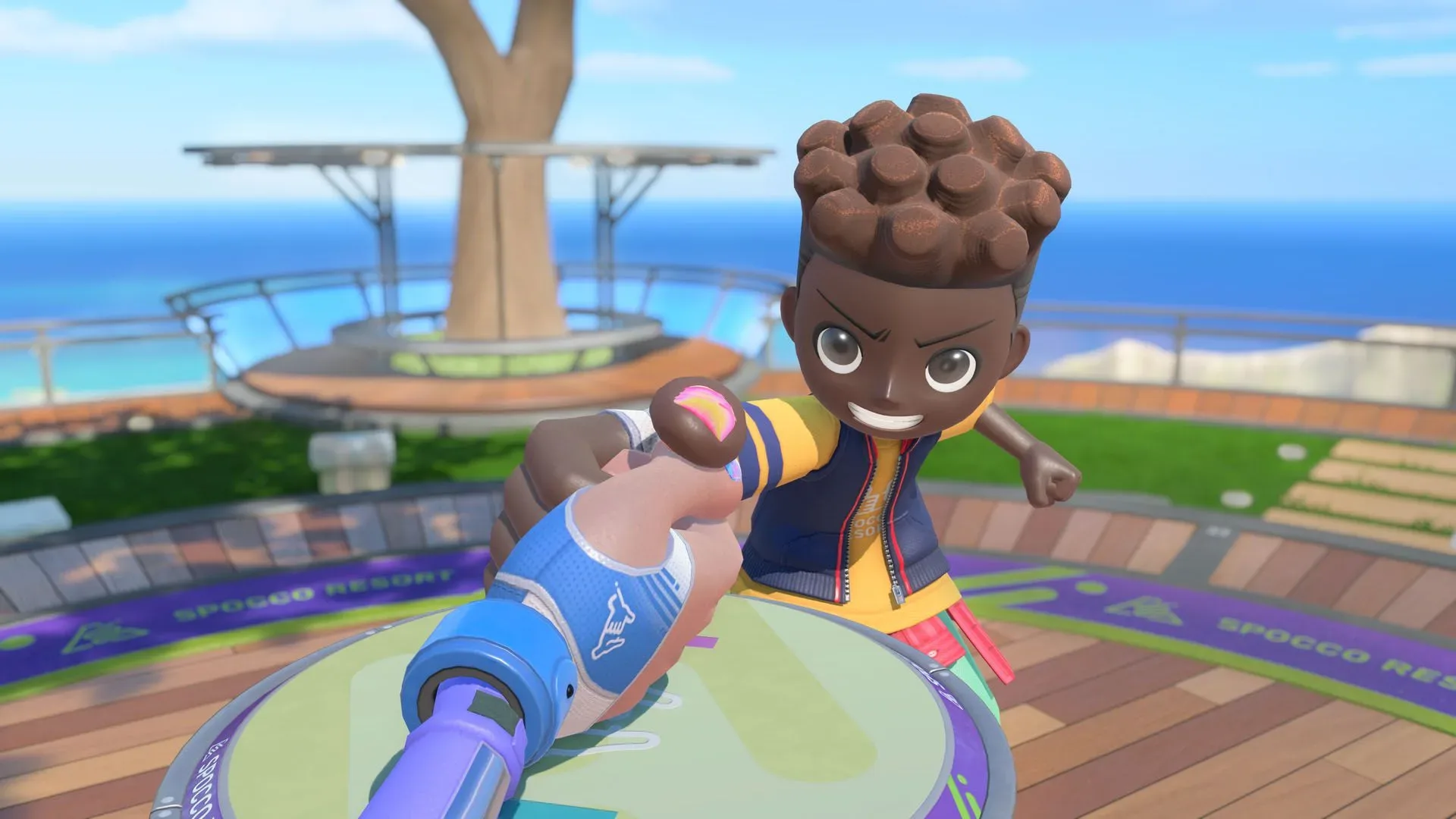
For table tennis, that pressure is easy to understand even without assigning undocumented mechanics to Lucía herself. The sport is built around exchanges, timing and placement. At a rapid pace, the window to react shrinks, and a player who is merely keeping the ball in play may have little opportunity to seize control of a point. The clip shared by players emphasizes the pace of those exchanges, while the reaction online suggests that Lucía’s consistency remains the feature that sticks in people’s minds.
Why a Mii return matters in Switch Sports Resort
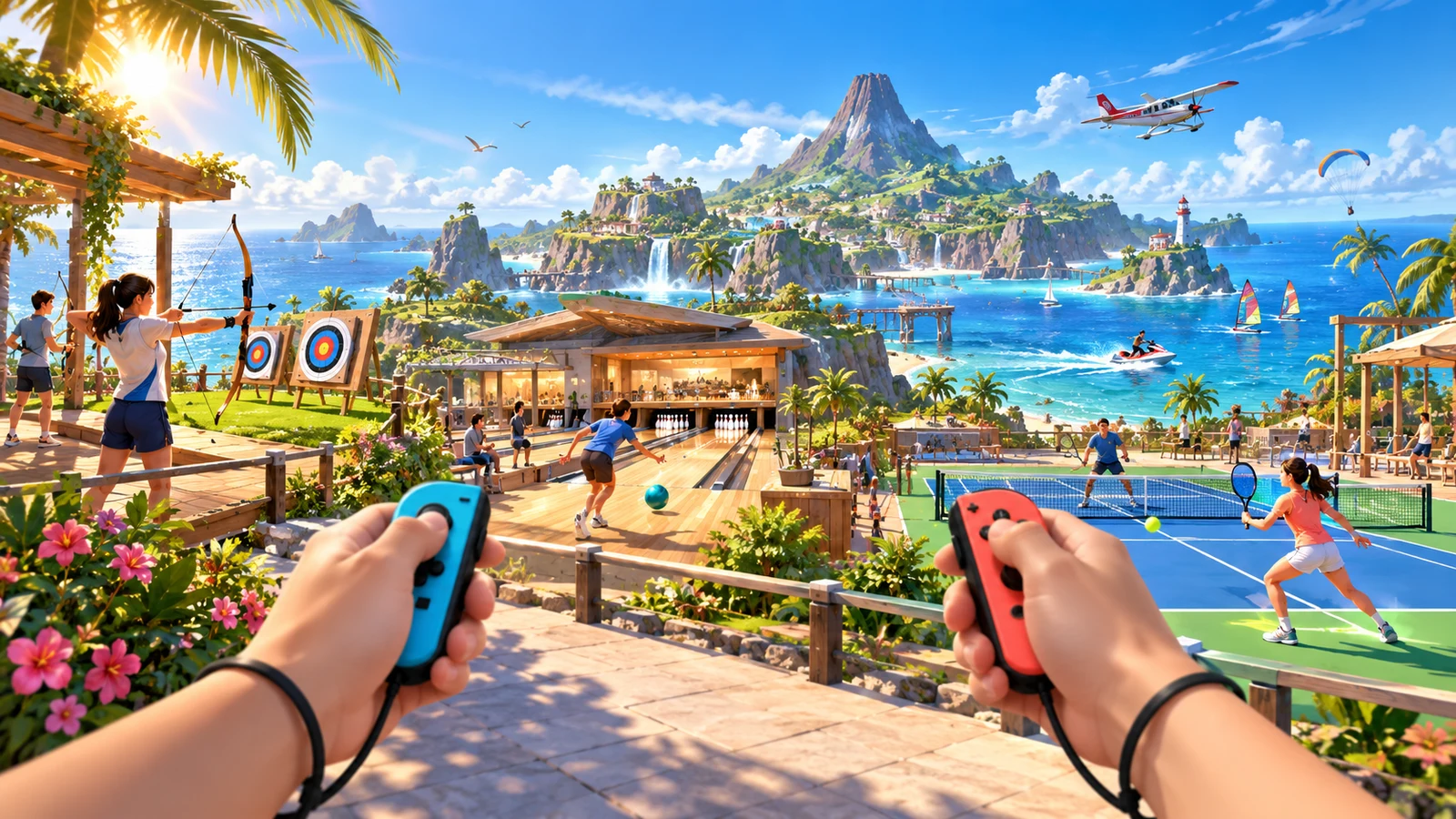
Lucía’s reappearance also matters because it is part of a broader return for Mii NPCs. When Nintendo Switch Sports Resort was announced in June, some fans were unhappy that Miis appeared to be absent. The setting’s population seemed to have shifted toward Sportsmates, the avatars that had largely taken the place of Miis in Nintendo Switch Sports.
Related coverage includes Lucía Is Back in Switch Sports Resort, and Table Tennis Players Are Already Dreading Her.
That concern was not only about a character-creation option. Miis formed much of the personality of the Wii sports games’ computer-controlled cast. A recurring Mii could gather a reputation over countless matches, even where the game gave that character very little explicit story. Players recognized faces, remembered difficult encounters, and treated certain NPCs as rivals. Lucía is perhaps an unusually sharp example of how potent that design can be.
The newer game does include a partial Mii NPC return. Players can also adjust their frequency so that Miis essentially replace Sportsmates. That setting has practical significance for anyone seeking a more recognizably Wii-era atmosphere: it changes the pool of opponents seen around the game, rather than leaving returning Miis as rare novelty appearances.
More significantly, the iconic Champions from Wii Sports Resort are back. That restores an important structure as well as familiar character models. A sports game can offer plenty of individual matches, but a designated final opponent gives practice and progression a concrete target. Beating the Champion becomes a small achievement with a specific face attached to it.
It also creates a shared shorthand. Players do not need a lengthy explanation when they say Lucía is difficult; veterans already understand which match that name evokes. Newer players, meanwhile, are receiving the same abrupt education their predecessors did. The result is a cross-generation video-game in-joke: an ordinary-looking Mii becomes an enduring symbol of an unexpectedly serious challenge.
The reaction: nostalgia, disbelief, and sore wrists
Early reaction has followed the familiar split. Some players are glad to see Lucía again because her presence immediately reconnects the new game to the Wii era. Others have reacted with instant resignation, treating the return less as welcome news than a warning.
Posts asking whether anyone has actually beaten her underline the uncertainty that accompanies a difficult computer opponent. Other players have responded that they did manage victories, but the discussion has also filled with commiseration from those still stuck in the loop of trying, losing, and trying again. One player said, through automatic translation, that they played Lucía continuously for more than an hour before needing a compress and sleep.
It is worth separating the broad community reaction from a universal measurement of the fight. Social posts can vividly show how players feel, but they do not establish an overall completion rate or prove that every player will have the same experience. What they do demonstrate is that Lucía is again provoking a recognizable response: players are sharing losses, searching for reassurance that the matchup is winnable, and laughing ruefully at an opponent they expected to be a problem.
That reaction is the value of a well-remembered difficult NPC. A hard opponent can generate frustration, but it can also turn a solitary loss into a communal event. Posting a rally, a defeat, or a victory gives other players something they immediately recognize. Lucía’s return has brought that old social ritual back alongside the character herself.
What returning players should take from the rematch
There is no source-supported secret strategy to promise here, and players should be wary of anyone presenting one as guaranteed. The available reports establish that Lucía is difficult and that some players have beaten her; they do not provide a verified move list, control setup, scoring requirement, or reliable tactical exploit.
Still, the immediate practical implication is straightforward: treat the Champion encounter as a meaningful test rather than a routine exhibition match. The fast rallies seen in shared footage make calm repetition more useful than expecting an effortless first attempt. Repeated losses against a high-level NPC do not necessarily mean a player has missed something obvious; they may simply be encountering the skill gate that the Champion is there to represent.
- Expect a step up: Lucía’s historical role is the final table tennis challenge, so a sudden increase in pressure is part of the point.
- Keep the context in perspective: online complaints capture real frustration, but successful reports show that the matchup is not presented as impossible.
- Use the Mii frequency option if the Wii-era cast is the appeal: it can make Miis effectively replace Sportsmates in the game’s opponent mix.
- Do not mistake nostalgia for softness: familiar presentation does not mean a familiar Champion will go easy on returning players.
Lucía’s reappearance is a reminder that a character does not need elaborate dialogue, cinematic backstory, or a frightening visual design to become an all-time gaming nemesis. Sometimes a recurring Mii, a paddle, and a nearly relentless ability to keep a rally alive are enough. For a useful piece of broader context on how players discuss the numbers and interaction windows behind competitive games, see this report on frame data and hitbox information in Street Fighter 6; those technical concepts are not evidence of Lucía’s hidden behavior, but they help explain why players often focus so closely on timing in demanding game matchups.
For now, Switch Sports Resort players have their old Champion back. The Mii NPCs can return. Wuhu Island can feel a little more familiar. And Lucía can resume the much more important business of making table tennis players question every decision that led them to queue for one more match.