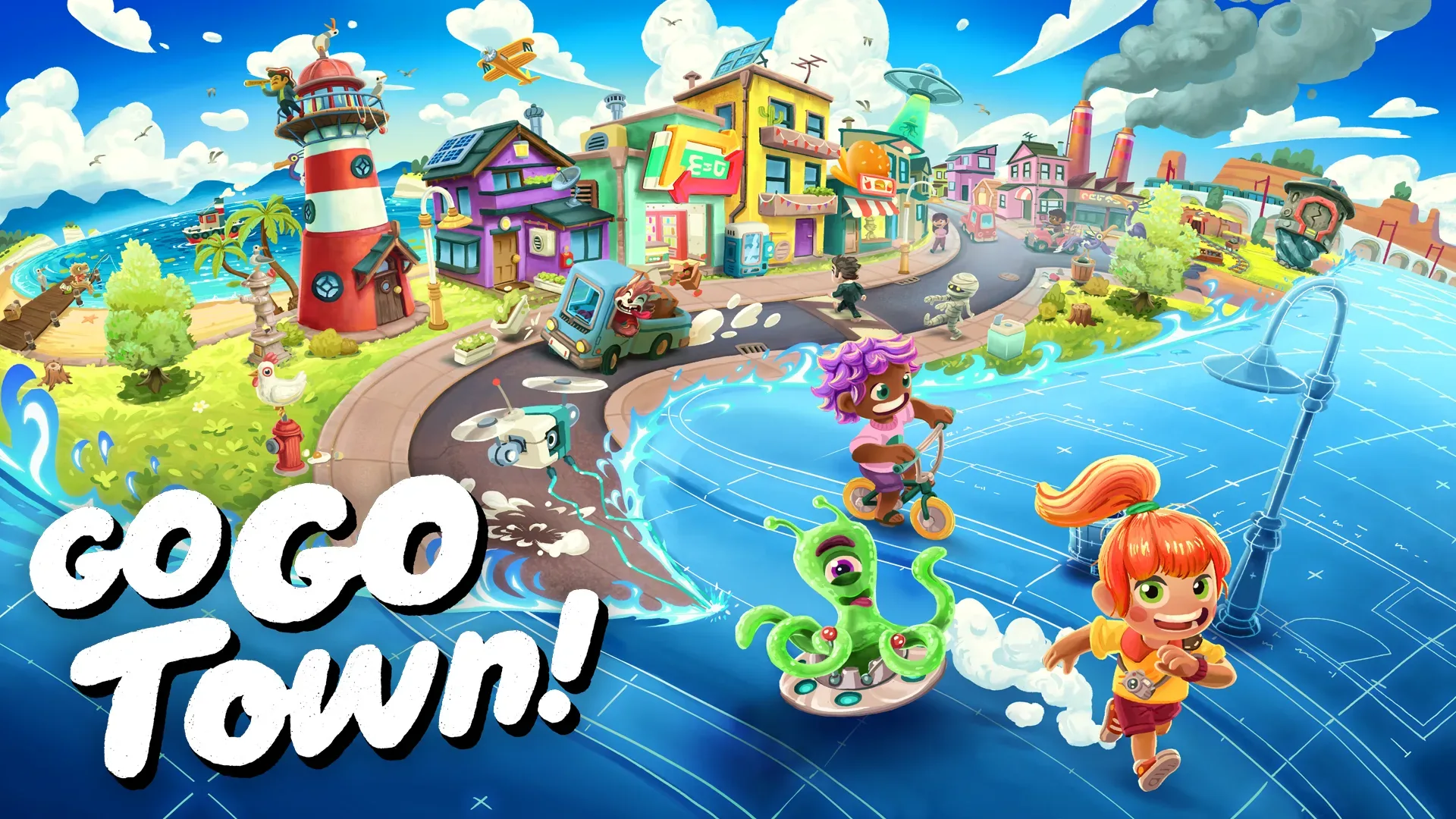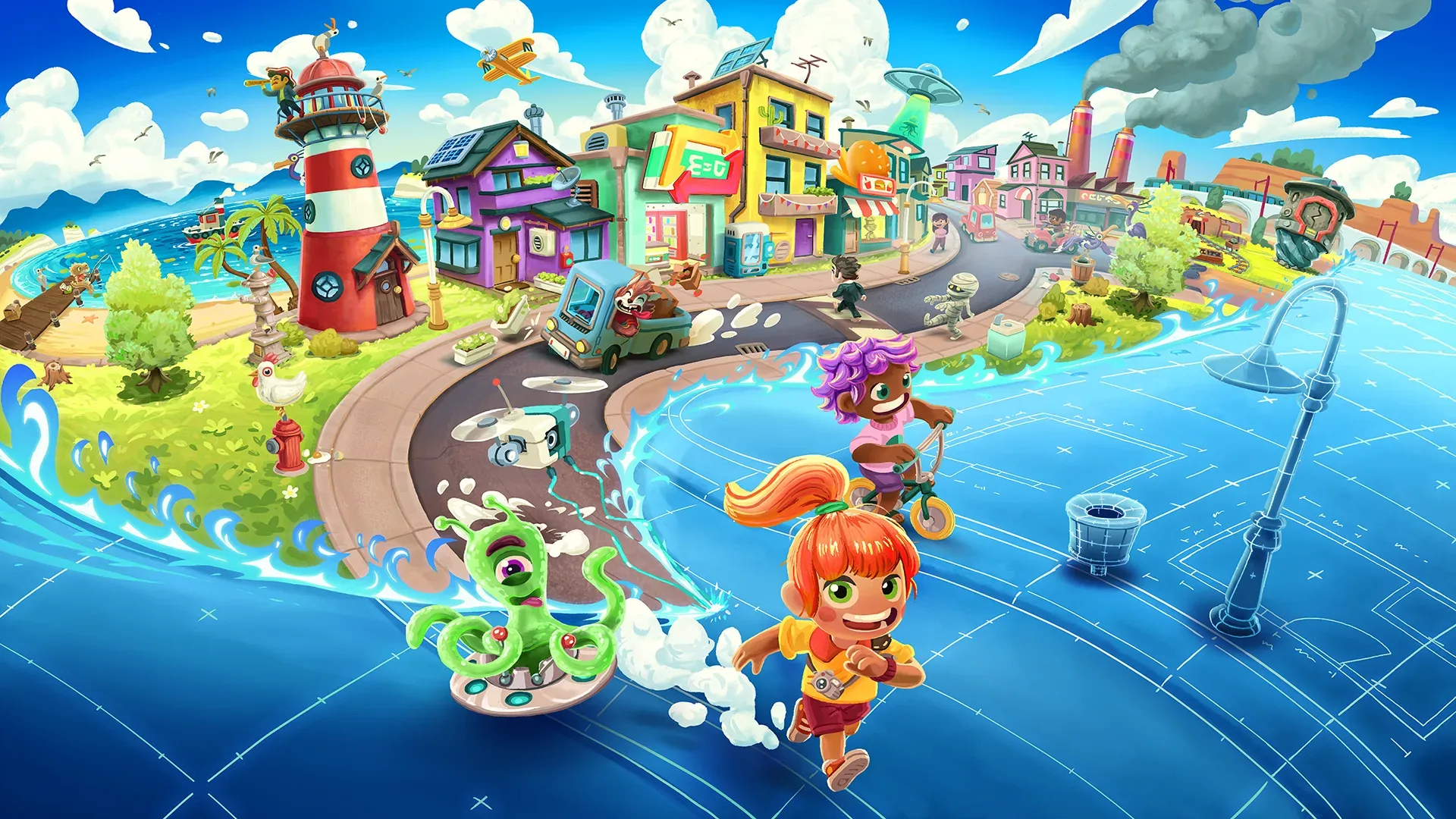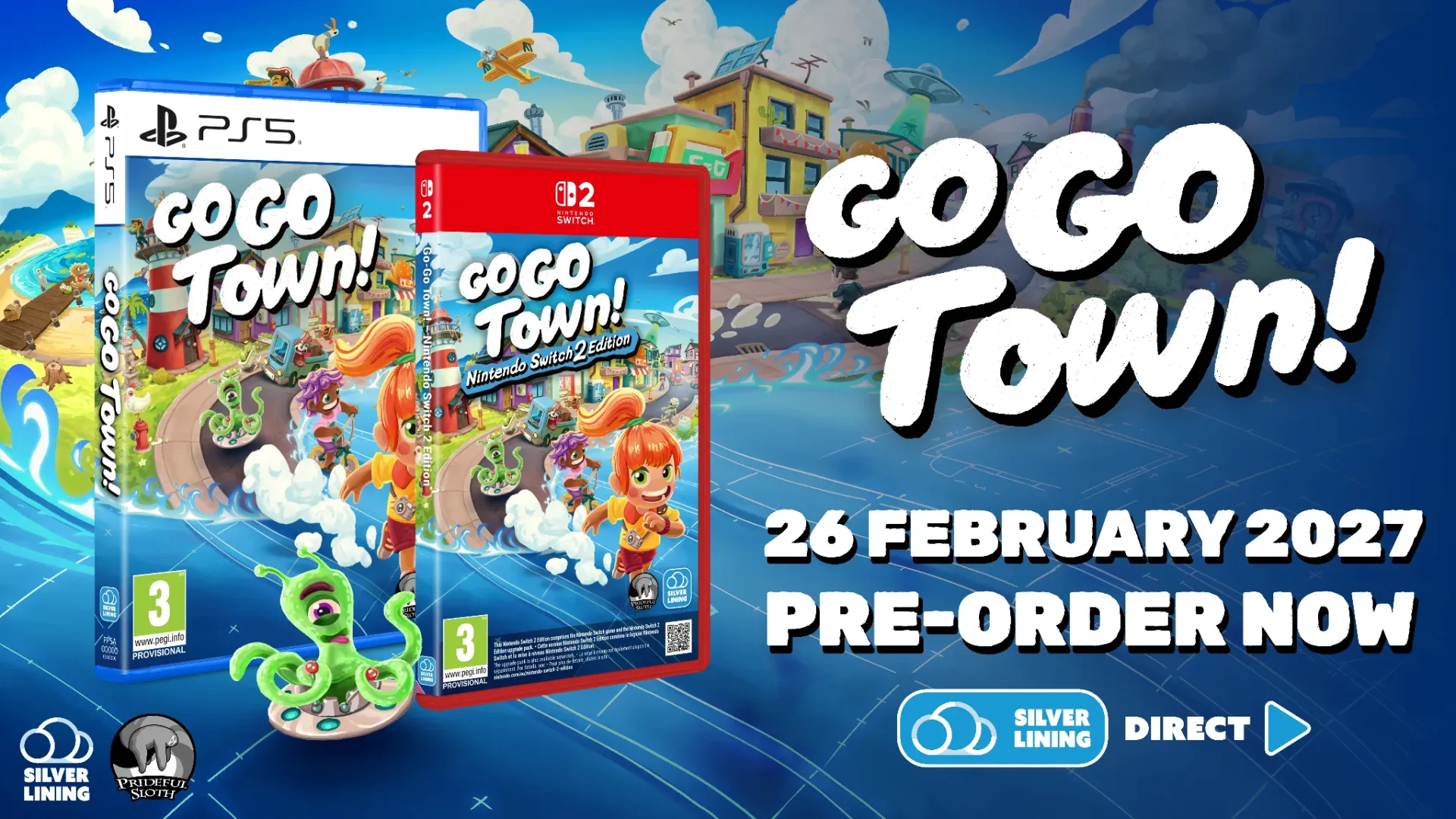
Go-Go Town!, the coastal town builder from Prideful Sloth, is getting physical editions for PlayStation 5 and Nintendo Switch 2 on February 26, 2027. Silver Lining Interactive is handling the release, with pre-orders now available through Silver Lining Direct and local retailers.
The boxed release follows the game’s digital performance on Nintendo hardware, where it previously reached the top of the Nintendo Switch eShop chart. For players who would rather rebuild a seaside settlement with a case on the shelf than another icon in a digital library, the key platform distinction is straightforward: the Switch 2 edition is being issued on a full game cartridge, designed to support offline play without requiring a large download.
Physical release pricing and platforms
Go-Go Town! will arrive physically on two platforms, with the stated regional pricing as follows:
- PlayStation 5: £29.99 / €34.99 / $34.99
- Nintendo Switch 2: £44.99 / €49.99 / $49.99
The difference in price between the versions is notable, although no explanation for it has been provided. What has been clarified is the Switch 2 cartridge situation. “Full game cartridge” means the game itself is supplied on the physical media rather than depending on a substantial mandatory download to make the product usable. That matters most for people with unreliable internet access, limited download allowances, restricted storage space, or a preference to play while travelling without expecting a lengthy setup process.
It does not necessarily describe every possible future update or optional download, and no details have been given about patches or post-launch support. Still, the stated aim is clear: owners of the Switch 2 physical edition should be able to play offline without a large initial download.
A mayoral job with bins, shops and tourist expectations
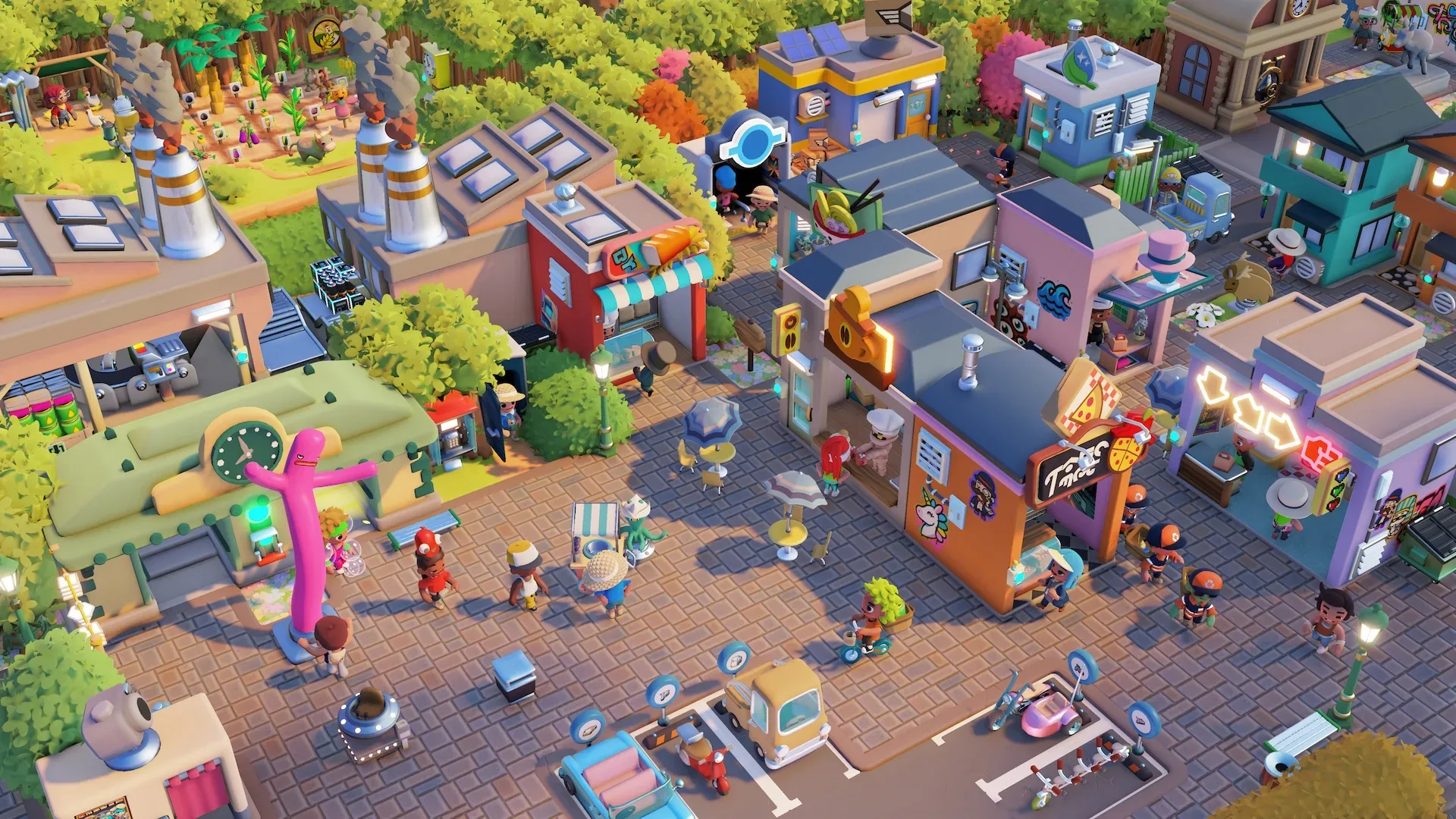
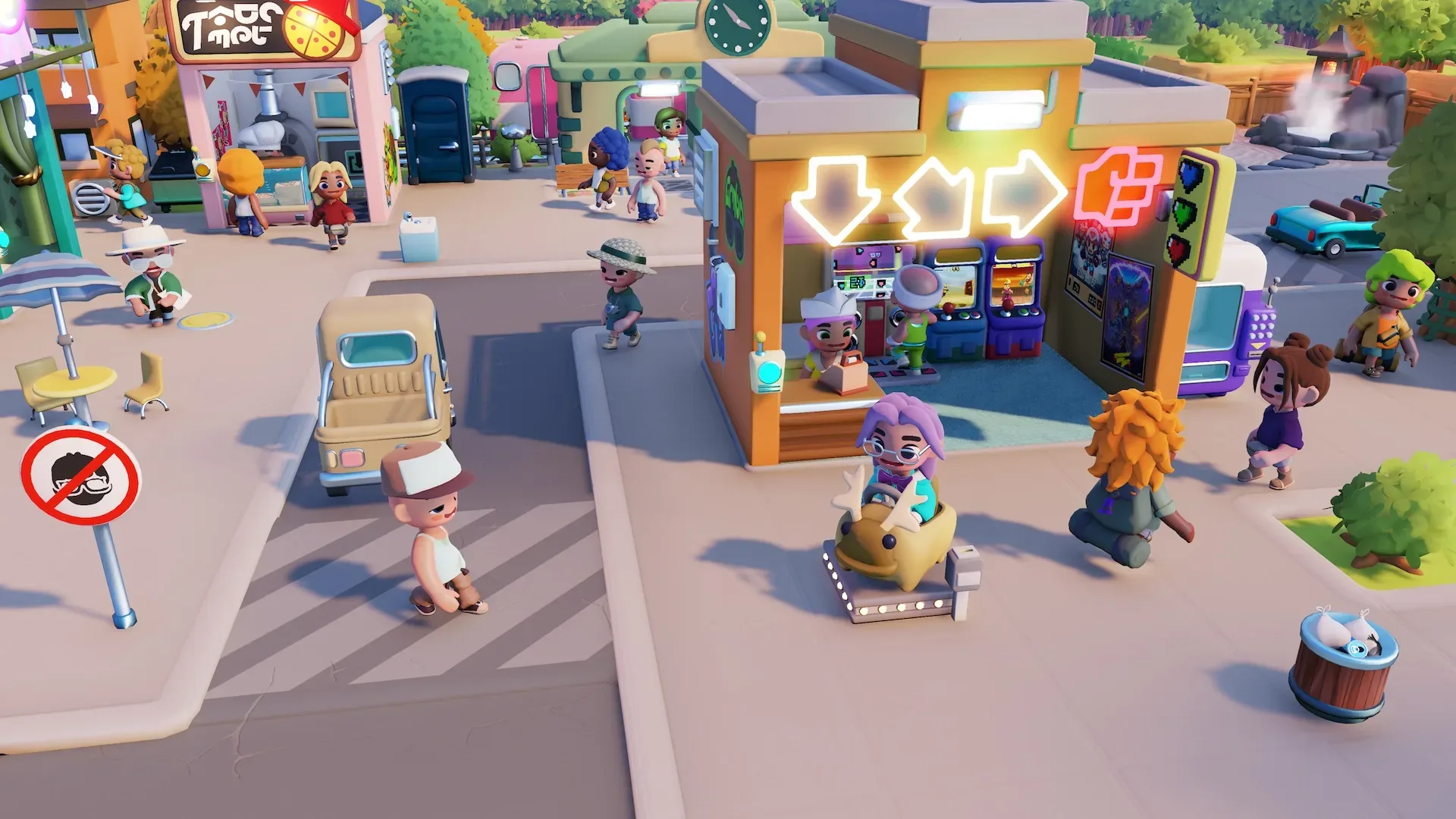
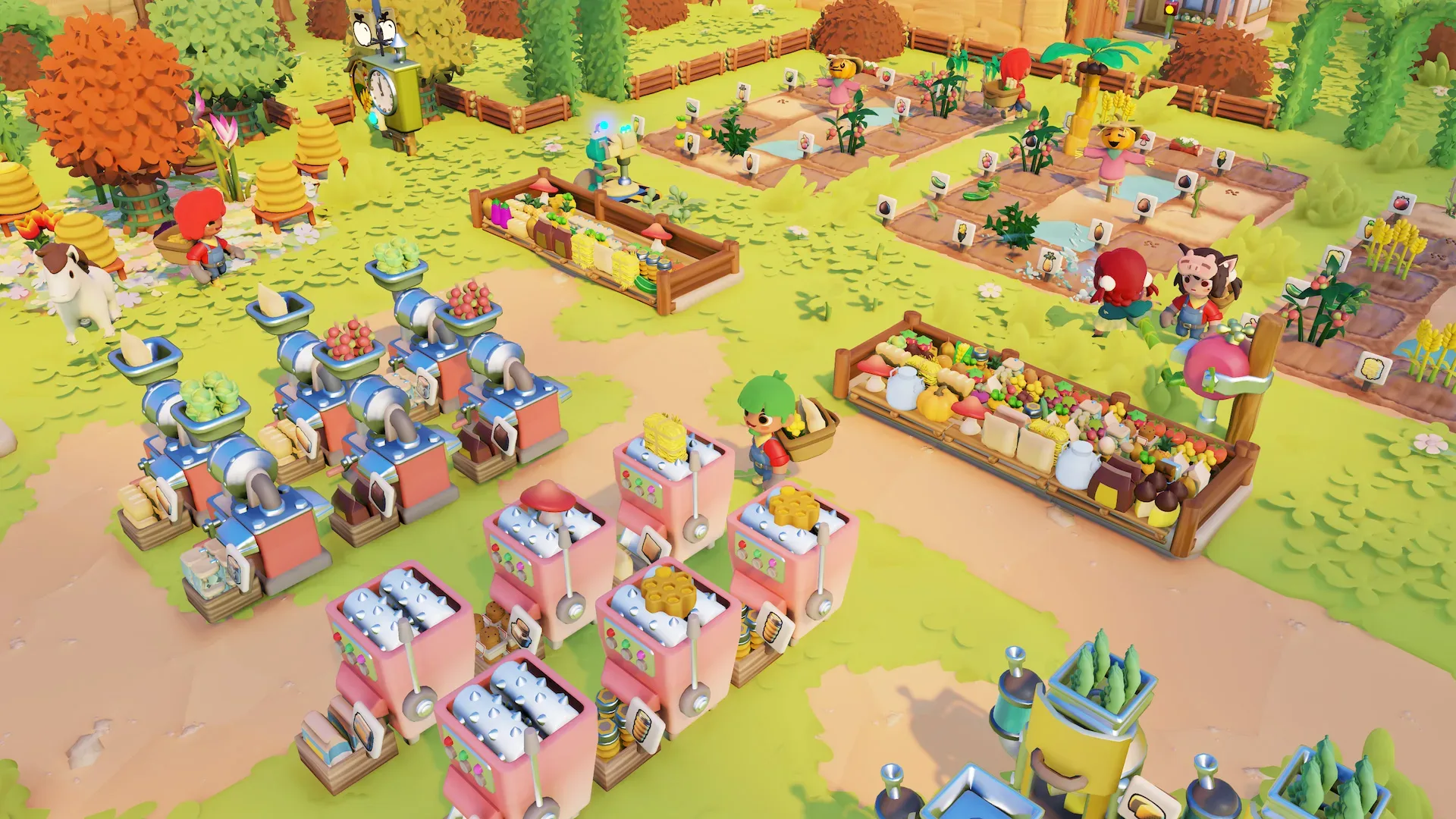
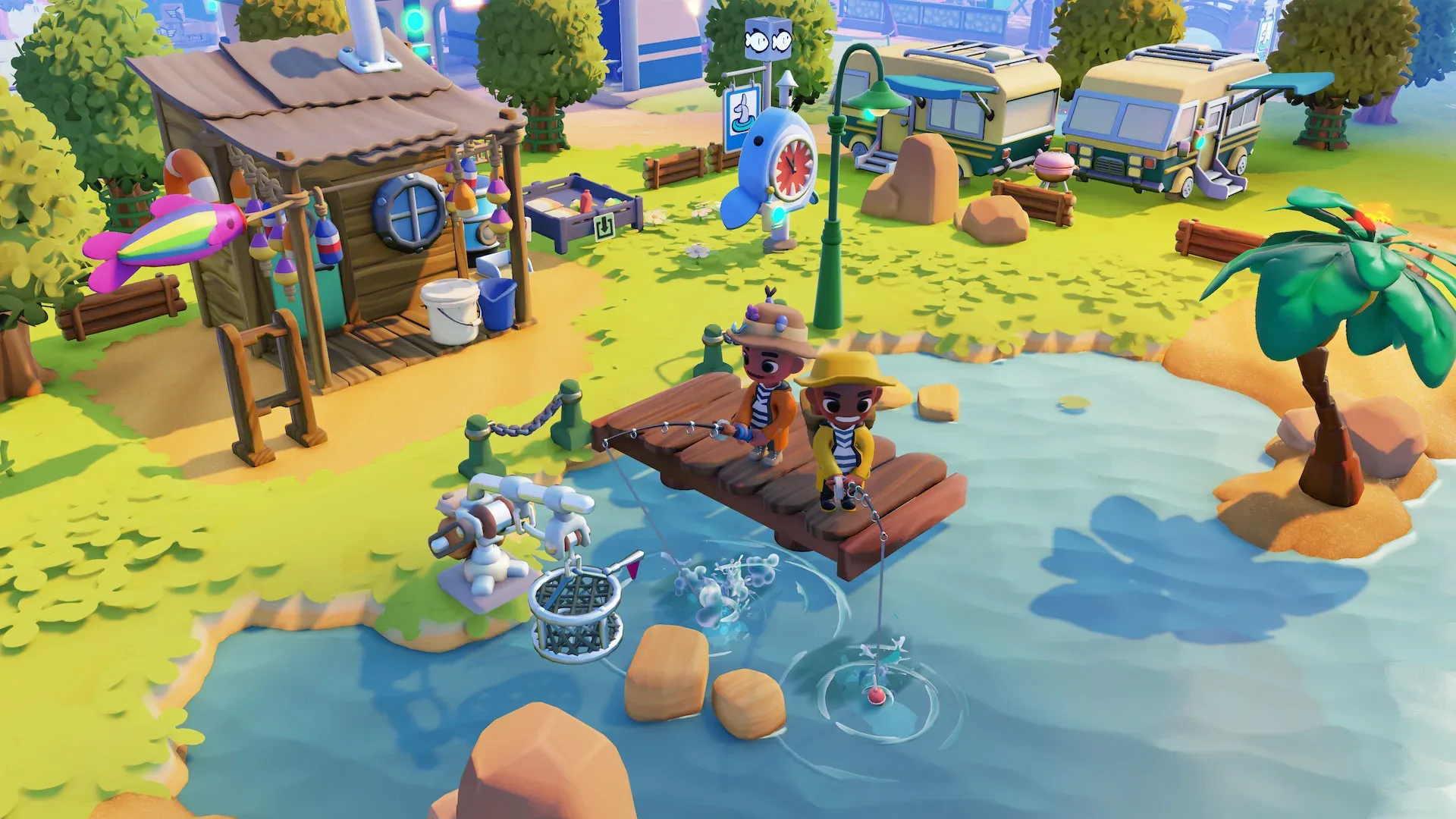
Go-Go Town! puts players in charge of a rundown coastal settlement. The broad objective is to transform that tired town into a tourist destination by building businesses, decorating public spaces, opening attractions and bringing in visitors.
That setup places the game in the town-building genre, but its feature list also stresses automation. In practical terms, automation is the process of assigning routine work to in-game workers so the player does not personally handle every repeated job forever. Rather than only placing a shop and hoping the town looks presentable in a postcard, mayors can hire local residents known as Townies to operate parts of the settlement.
The announced Townie roles include:
Related coverage includes Go-Go Town! Physical Edition Sets February 2027 Release for PS5 and Switch 2.
- Harvesting resources
- Managing shop inventory
- Driving courier trucks
- Collecting garbage
Those tasks point to the practical side of running a tourist town. A nice-looking street is one thing; a nice-looking street with stocked businesses, resource gathering, deliveries and rubbish collection is closer to an operating town. The automation layer should let players shift their attention from individual errands to wider planning as their settlement expands.
That does not mean the game has been described as fully hands-off. The stated premise still centers on constructing, decorating and customizing the town. The intended loop appears to be a balance: set up the places and systems that define the settlement, then use Townies to take responsibility for recurring labor. It is civic management, but with an important chance that your courier operation becomes the protagonist of the day.
Building for function as well as personality
The basic progression begins with decline and works toward a busier coastal destination. Shops create commercial activity, attractions give visitors reasons to arrive, and street decoration gives players a way to shape the town’s visual character. The announcement does not specify individual building types, visitor requirements or economic rules, so those details remain unconfirmed. What it does establish is that construction and customization are central rather than incidental.
For prospective players, that makes the physical edition relevant to more than collectors of boxed games. Town builders are often games people return to in short bursts: add a few buildings, tidy a street, reorganize work assignments, then discover that the garbage collection situation has acquired more urgency than expected. An offline-capable cartridge can suit that kind of play particularly well, whether the console is being used at home, on a commute or somewhere Wi-Fi has elected not to participate in local government.
The coastal setting also gives the rebuilding premise a clear before-and-after goal. Players are not simply making a town larger. They are trying to turn a neglected place into somewhere visitors actively want to spend time. The systems named so far suggest that visual flair and operational readiness will both matter: attractions and decorative streets appeal to visitors, while stocked stores, resource harvesting, transport and waste collection support the town behind the scenes.
Up to four players can share the mayor’s office
Go-Go Town! supports solo play and co-op for up to four players. The physical console versions will offer both local split-screen and online co-op.
Local split-screen means multiple people can play together on one screen and one console, each with their own portion of the display. Online co-op allows players to connect over the internet instead. The announcement frames the multiplayer options as suitable for cooperative construction as well as more competitive or deliberately chaotic sessions.
That flexibility is meaningful for a genre that can otherwise be very solitary. A shared town gives a group room to divide responsibilities: one player can concentrate on placement and decoration, another can work on shops and attractions, while somebody else can monitor Townie assignments and the day-to-day logistics. Of course, the same tools can support a far less orderly approach. Four mayors may have four distinct visions for a coastal paradise, and none of those visions may include a coherent street plan.
No additional information has been provided about online subscription requirements, cross-platform play, matchmaking or whether online groups can use split-screen participants at the same time. Players interested in those specifics should treat them as open questions rather than assumptions. The confirmed point is the headline capability: up to four people can play together locally or online.
Why the cartridge detail stands out
Physical releases are not all identical in practice. A disc or cartridge can contain a complete playable game, a partial installation that needs a larger download, or in some cases simply act as a route to retrieve software online. The Switch 2 edition of Go-Go Town! is explicitly positioned in the first category, with a full game cartridge and no large download needed for offline play.
That is useful information for anyone deciding between the PS5 and Switch 2 boxes, although the announcement only makes the full-cartridge claim for Nintendo Switch 2. It does not make an equivalent statement about the contents or installation behavior of the PS5 disc, so it would be inaccurate to presume the two physical editions work identically.
For Switch 2 buyers, the benefit is preservation-minded as much as practical. A full cartridge gives owners a more self-contained route to the game at the time of release. It can also be appealing for households that share games, people who want a readily playable library while offline, and players who simply prefer buying software as physical media. None of that guarantees long-term access to every update or online element, but it does reduce reliance on a large initial download for the core game.
What is confirmed—and what is not
There is already a solid outline of what the physical Go-Go Town! release offers: a February 26, 2027 date, PS5 and Switch 2 versions, regional prices, a full Switch 2 game cartridge, solo and four-player co-op, plus a town-building loop involving visitors and Townie-powered automation.
There are also limits to the information currently available. No release details have been given for special editions, retailer-exclusive bonuses, downloadable extras, performance differences between consoles, cross-play, or the exact mechanics governing town progression. The available information does not identify a digital release date for these console versions, either.
For now, the appeal is uncomplicated: build a coastal getaway, hire locals to keep the machinery of tourism running, and decide whether to manage the project alone or hand three friends enough authority to turn road layout into a democratic emergency. Players can revisit the broader week’s release coverage in our October 20, 2026 games release roundup.
Go-Go Town! physical editions for PlayStation 5 and Nintendo Switch 2 are scheduled for February 26, 2027.