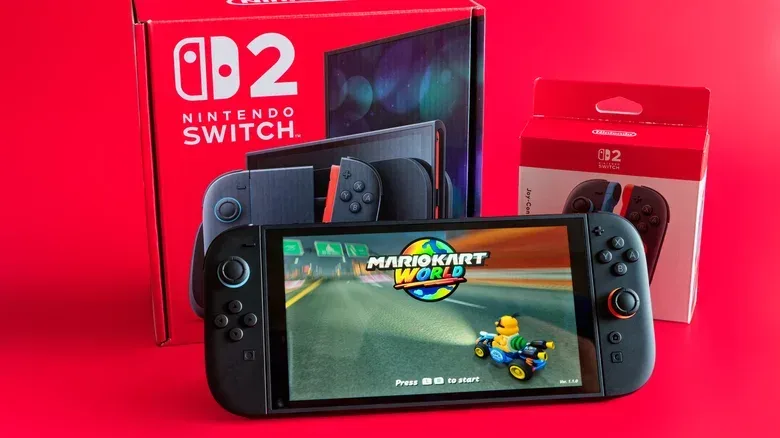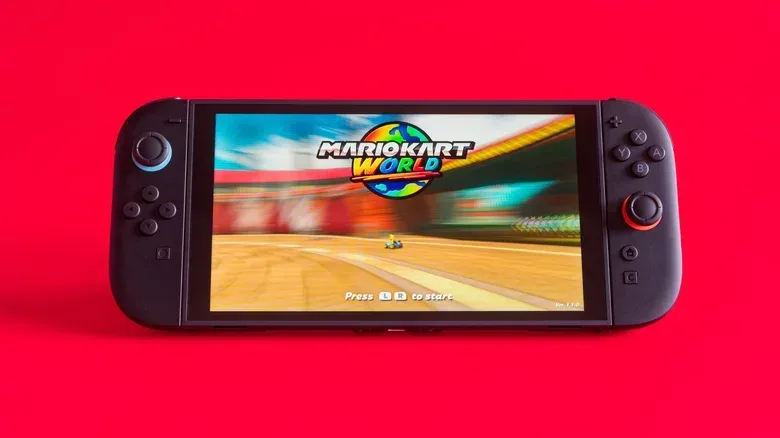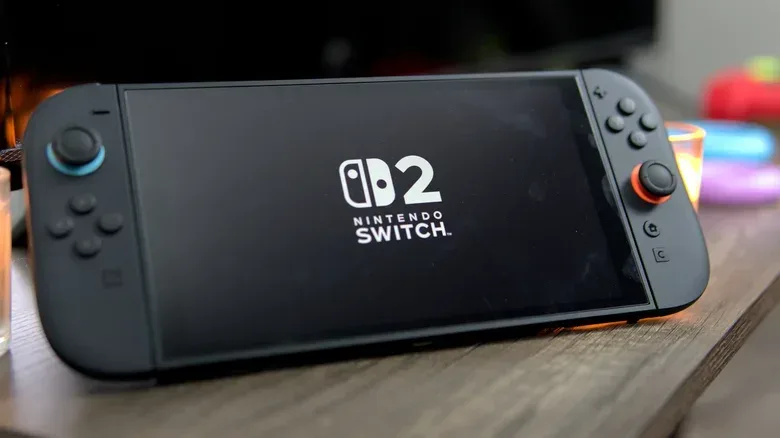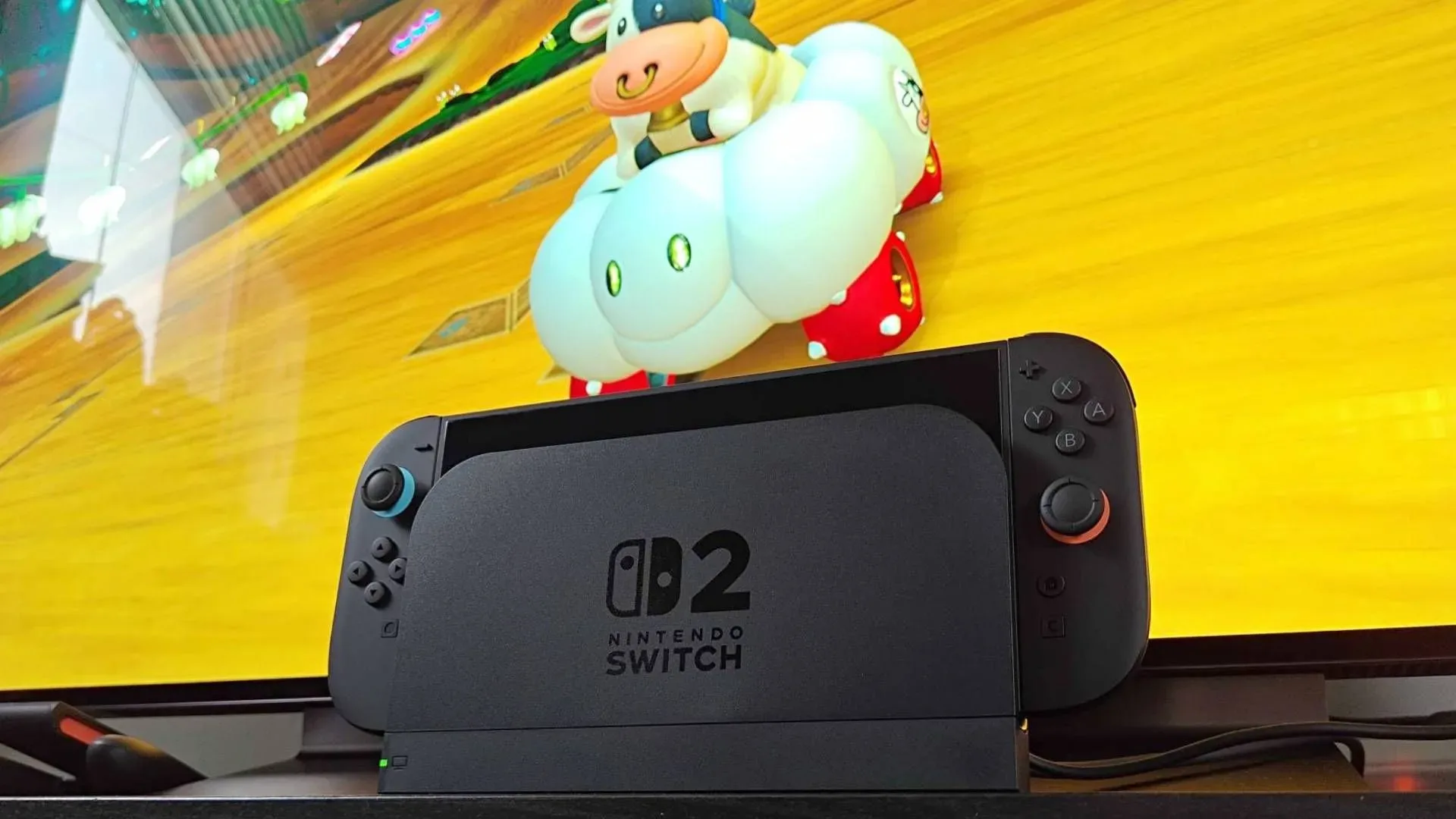
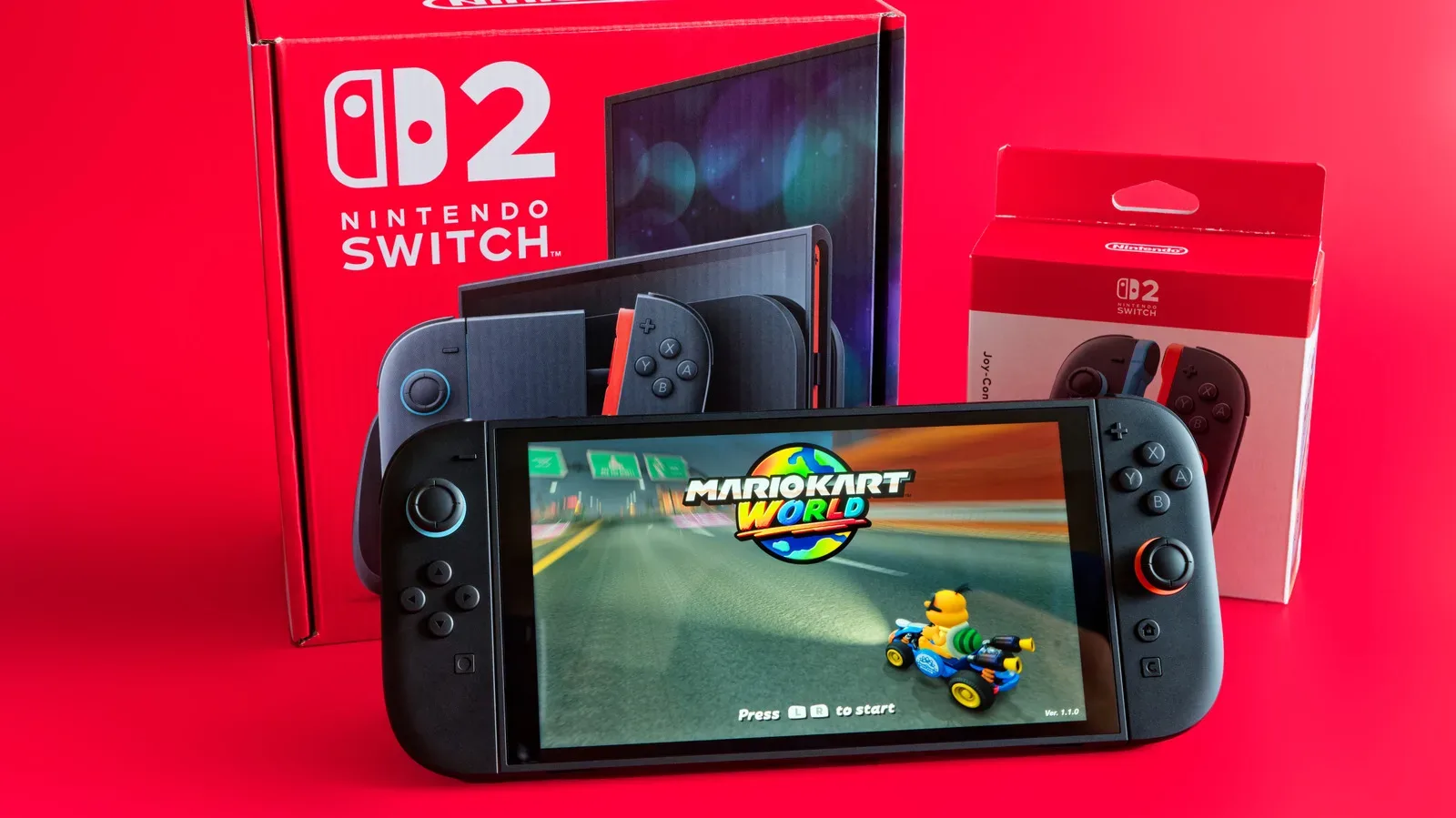
There is a nearly universal urge attached to new electronics: find the satisfying edge of the protective plastic and peel. On Nintendo Switch 2, that instinct needs to be ignored. The film already fitted to the console’s display is not a temporary shipping layer intended to be removed after unboxing. Nintendo describes it as an anti-scattering adhesive film, and it has a safety-focused job if the screen glass breaks.
In practical terms, owners should leave the factory film exactly where it is. If a Switch 2 needs added defense against daily cosmetic wear, the sensible route is to apply a separate, removable screen protector over the existing layer rather than treating the pre-installed film as packaging.
That distinction matters more as the hardware itself becomes a larger investment. The Switch 2 arrived in mid-2025 at $450 for the base console and $500 in a Mario Kart World bundle. The base model has since moved to a standard $500 price. A thin layer on the display may look inconsequential, but removing a fitted component designed to manage damaged glass is an unnecessary risk for a portable device expected to travel, be handled often, and last for years.
It is an anti-scattering film, not the peel-off layer many buyers expect
“Screen protector” can describe several very different things, which is where the confusion starts. A typical aftermarket protector is primarily about surface wear: it can take the scratches, scuffs, and cosmetic marks that might otherwise land on the display. It is made to be replaced after it has done that job.
The Switch 2’s pre-installed adhesive film serves another purpose. Anti-scattering means its role is to help keep shattered glass from scattering if the display is broken. It is a protective measure for a damaged-screen scenario, rather than simply a sacrificial layer intended to keep the panel pristine. That is why it should not be removed merely because it resembles a film buyers have peeled off other devices.
It is also why calling it a screen protector without qualification can lead to the wrong decision. The phrase suggests a replaceable accessory; Nintendo’s description identifies a layer built into the display’s protective configuration. The correct takeaway is not that an owner must choose between the pre-installed film and scratch protection. They address different concerns.
What the installed layer does—and does not—mean
- It does mean: the Switch 2 has a factory-applied adhesive film meant to reduce the hazard of glass fragments if the screen shatters.
- It does not mean: owners should pull it away once the console is out of the box.
- It also does not mean: a separate accessory cannot be used to help defend against scratches and cosmetic damage.
That last point is particularly useful for anyone who plays primarily in handheld mode. A removable, purpose-built accessory can be the outermost layer that faces ordinary wear, while the original anti-scattering film remains undisturbed underneath. The two layers are not interchangeable, and they do not need to be.
Why trying to remove it is a bad maintenance decision
The factory film is reportedly difficult to remove, requiring substantial force. That resistance is itself a strong signal that this is not the loose, disposable plastic commonly found on a new product. Trying to defeat the adhesive just to achieve an uncoated-looking screen turns routine ownership into avoidable tampering with a part Nintendo says has a critical protective purpose.
The immediate problem is simple: once removed, the film is no longer performing its anti-scattering function. If the screen later breaks, the console no longer has that original layer to help contain shattered glass. There is no stated reason to assume a standard aftermarket scratch protector restores the same intended function, so it would be a mistake to regard a replacement accessory as a direct substitute.
There is a second, more practical issue: removal is irreversible in the sense that the original installed film cannot simply be put back as though nothing happened. Owners therefore get little upside in exchange for removing a component that was already applied for a specific safety reason.
This does not require treating the Switch 2 as too fragile to use. It is an argument for separating normal care from needless intervention. Play it, carry it, and use accessories that fit your preferences—but do not mistake a functional display layer for leftover wrapping.
Add scratch protection on top, not instead
Anyone worried about marks on the screen can use a dedicated aftermarket protector without removing the factory film. Nintendo offers a screen protector made by HORI, while other third-party options are also available. These accessories are aimed at the concern most people associate with a “screen protector”: minimizing scratches and cosmetic damage from day-to-day use.
Tempered glass versions generally cost more than basic alternatives, depending on the brand. The important point is not that every owner must select the most expensive option. It is that an aftermarket protector is the replaceable layer for people who want additional surface defense, while the pre-installed anti-scattering film remains in place beneath it.
That approach is also easier to understand as a long-term ownership plan. The outer protector is the consumable accessory: if it gets scratched or worn, it can be changed. The original film is the console’s existing screen-safety component and should be left alone.
A simple Switch 2 display-care checklist
- Leave the pre-installed adhesive film on the screen. Do not pull at a corner or try to test whether it will come off.
- Decide whether surface scratch protection matters to you. Handheld use and regular travel may make a removable accessory worthwhile.
- Use a dedicated screen protector if you want extra protection. Nintendo’s HORI-made option and third-party alternatives are intended for this role.
- Keep the purposes separate. An aftermarket protector addresses scratches and appearance; the factory film is there to help limit scattering if glass breaks.
The practical distinction owners should remember
There is no conflict between wanting a clean screen and preserving the Switch 2’s built-in safety layer. The mistake is assuming every visible film is meant to be stripped away. In this case, the layer Nintendo applies is part of how the display is meant to behave in the event of breakage.
For buyers weighing the cost of additional accessories, a screen protector is one of the more straightforward choices: it is optional, relatively affordable compared with major console hardware, and focused on cosmetic protection. Removing the anti-scattering film is the opposite kind of choice. It does not add protection, and it eliminates a factory-installed safeguard.
That is the full maintenance rule: leave the original film on; add a separate protector over it if scratches worry you. With a $500 base console, that is a far better trade than satisfying a momentary peeling impulse.
Owners taking a longer view of expensive hardware may recognize the broader principle from other devices: preserving a system often comes down to knowing which components are consumables and which are integral. For a related look at how longevity decisions extend beyond a single device category, see how performance, heat, and power shape a PC CPU’s useful life. On Switch 2, Nintendo’s pre-installed display film belongs firmly in the “do not remove” category.