Apple’s new iPad mini brings Adaptive True Tone flash technology to the company’s smallest tablet, adding a camera feature previously associated with the iPad Pro line. The change is not a wholesale camera-system reinvention, but it could be a meaningful quality-of-life upgrade for people who use a compact tablet to scan papers, capture reference material, photograph collectibles, or record quick video away from a desk.
The new iPad mini starts at $699. Pre-orders open Wednesday, October 28, and availability begins Friday, November 6.
What Adaptive True Tone flash changes
The previous-generation iPad mini already had a True Tone flash, so this is an upgrade to an existing capability rather than the first rear flash on the device. The key distinction is the word Adaptive.
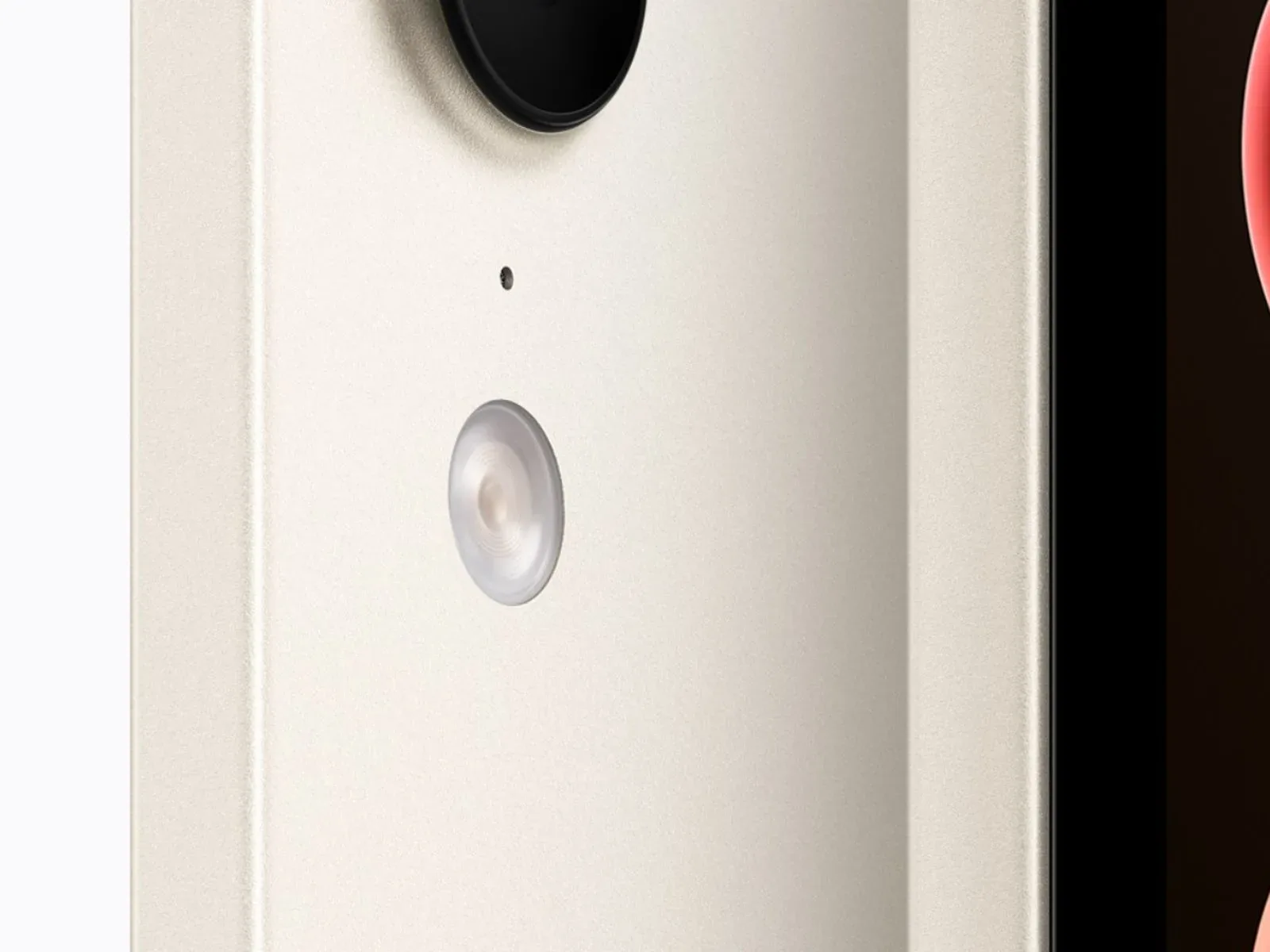
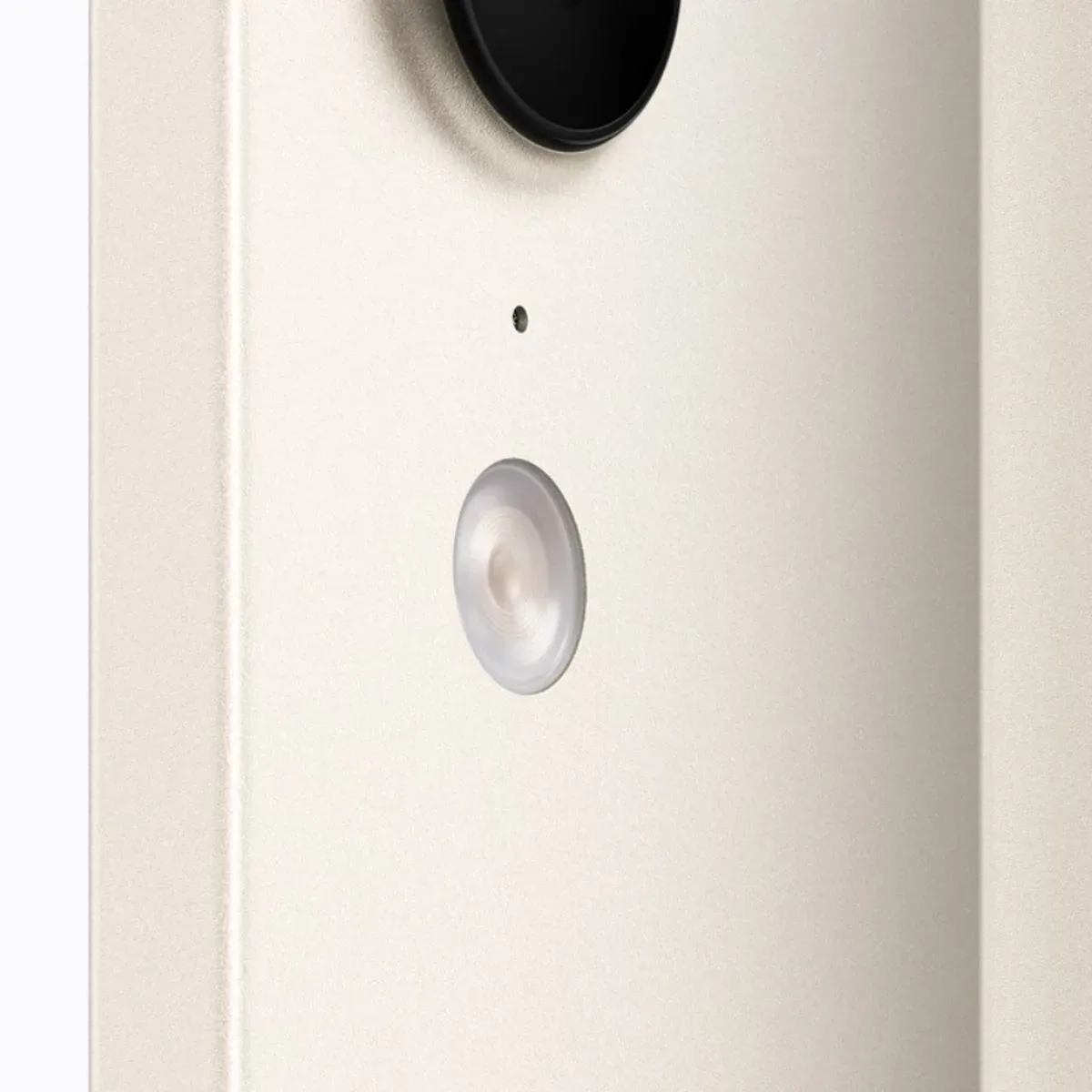
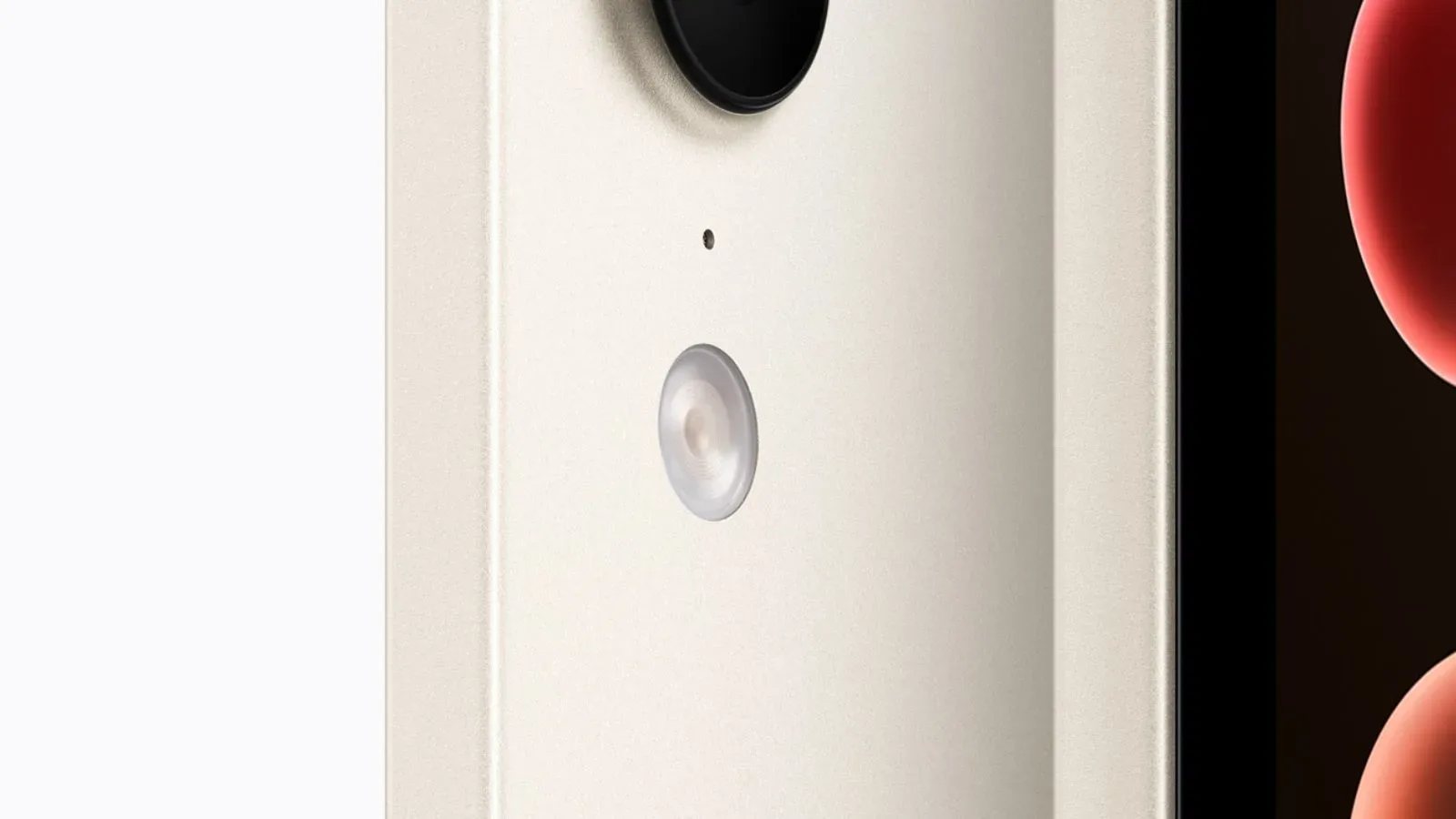
Adaptive True Tone flash uses an array of nine LEDs and can alter both its lighting pattern and intensity based on the focal length selected in the camera. In practical terms, the flash is designed to better align its illumination with the portion of a scene the camera is framing. A wider view and a more tightly framed view do not necessarily need light distributed in exactly the same way; the adaptive system is intended to account for that difference.
The technology first appeared on the iPhone 14 Pro and iPhone 14 Pro Max in 2022, then arrived on the M4 iPad Pro in 2024. Its inclusion on the new iPad mini makes the compact tablet the latest Apple device to receive the feature.
Document scanning is the clearest use case
Apple specifically positions the Adaptive True Tone flash as an improvement for photography and document scanning. The latter is particularly notable because a flash can seem counterintuitive when pointing a camera at a sheet of paper: direct light may create glare, while ambient room light can leave part of the page dim or obscured by the user’s hand, the tablet itself, or nearby objects.
On the M4 iPad Pro, the system was described as detecting a document covered by a shadow, capturing multiple images with the Adaptive Flash, and combining those images into a clearer scan. That explains why this is more than a simple brightness boost. The process uses more than one capture and computational processing to address uneven lighting in the final scanned result.
That matters for the everyday, often unglamorous jobs a small tablet can handle well: preserving a handwritten note before filing it away, digitizing a receipt, sending a form, saving printed instructions, or making a legible copy of a page when a flatbed scanner is not nearby. For collectors, it may also help with creating quick record images of paperwork and item details, though an improved scan should not be mistaken for a guarantee that glare, damage, fine print, or every color will be perfectly represented.
A quick explanation of the camera terms
- True Tone flash: A flash system designed to produce lighting with a color character intended to look more natural than a single, fixed light source.
- Adaptive True Tone flash: The newer implementation, using nine LEDs to adjust the pattern and strength of illumination in relation to the selected focal length.
- Focal length: In this context, the camera framing or field of view being used. It affects how much of a scene fits into the image.
- Smart HDR 4: Apple’s high-dynamic-range imaging processing, included with the iPad mini’s rear camera. HDR processing generally aims to retain usable detail across brighter and darker regions of an image.
The rear camera specifications remain important
The flash works alongside a 12-megapixel Wide rear camera with Smart HDR 4 and 4K video recording at up to 60 frames per second. Those specifications establish the broader camera baseline: the new iPad mini is equipped for still photography, scanning, and high-resolution video capture, while the Adaptive True Tone flash targets the difficult lighting conditions that can undermine otherwise capable hardware.
A 12-megapixel figure describes the image resolution available from the camera sensor, while 4K refers to a high-resolution video format. The stated 60-frames-per-second ceiling means the tablet can record video with up to 60 individual frames each second. Higher frame rates can make motion appear smoother, although the supplied specifications do not establish how the tablet performs in every lighting condition or recording mode.
The important point is that the new flash is not presented as a replacement for the camera. It is a supporting component intended to improve illumination, especially when the scene needs help. In well-lit conditions, flash use may be unnecessary; in uneven or dim conditions, a system that changes how it distributes light has a more targeted job to do than a conventional fixed flash.
Why the smaller iPad is a logical place for the feature
The iPad mini’s compact form factor gives the feature a practical angle. A smaller tablet is easier to carry between rooms, bring to a work surface, or use as an on-the-spot scanner than a larger device. Adding a flash designed for document shadows makes that portability more useful for tasks that happen outside a permanent workstation.
That does not turn the tablet into a dedicated scanner or professional camera, and Apple has not claimed that it does. Rather, the feature narrows one familiar compromise of mobile capture: the gap between a document that looks clear to the eye and one that becomes muddy or shadowed after it is photographed.
There is a wider relevance for gaming-adjacent creative work, too. Players and hobbyists often need rapid reference captures—physical notes, tabletop setup information, boxed-game inserts, sketches, or a screen-free record of a configuration. The value here is less about dramatic imagery and more about reducing friction when the goal is a readable, shareable record. Readers looking for news on PC releases can also keep up with Heroes Never Die’s planned 2027 PC debut.
What buyers should and should not infer
The Adaptive True Tone flash is a concrete differentiator between this iPad mini and the older model’s standard True Tone flash. It is also a feature the iPad Air does not have, based on the available product comparison. But buyers should evaluate it in proportion to their needs. It will likely be most relevant to people who routinely use their tablet’s rear camera in imperfect lighting, particularly for documents.
It is not evidence, by itself, of a new camera sensor, a new megapixel count, or unspecified improvements to every type of photo and video. The stated rear-camera details are a 12-megapixel Wide camera, Smart HDR 4, and 4K recording up to 60 fps. Claims beyond those points would require further information.
Likewise, the multi-image approach described for shadowed document scanning is aimed at clarity in a particular situation. It should be understood as computational capture: multiple photographs can be combined to produce a better result than a single exposure under awkward light. It is not the same as simply making one flash brighter.
Availability and price
The new iPad mini begins at $699. Pre-orders start Wednesday, October 28, ahead of its Friday, November 6 availability date. For shoppers deciding whether the flash matters, the simplest question is whether the tablet will frequently double as a mobile scanning and capture device. If the answer is yes, the shift from True Tone flash to Adaptive True Tone flash is one of the model’s more practical, easy-to-understand upgrades.