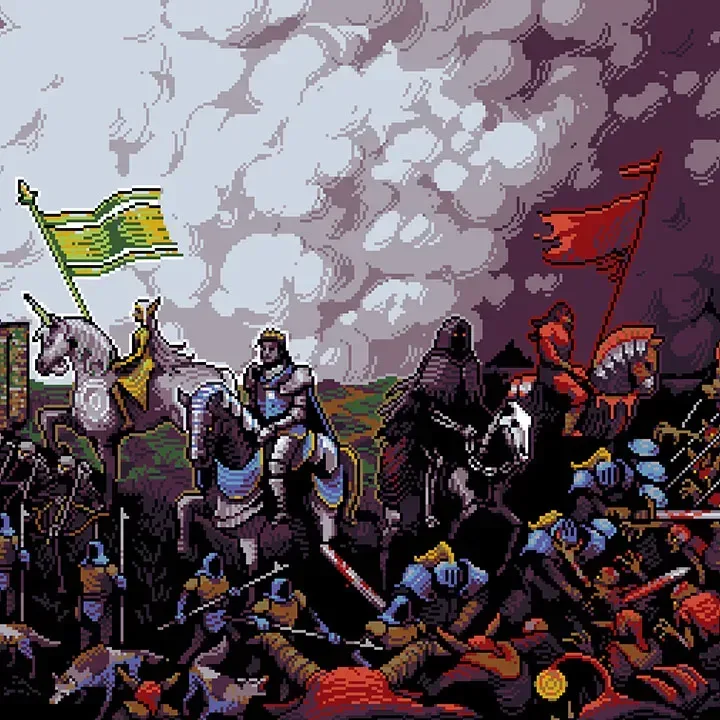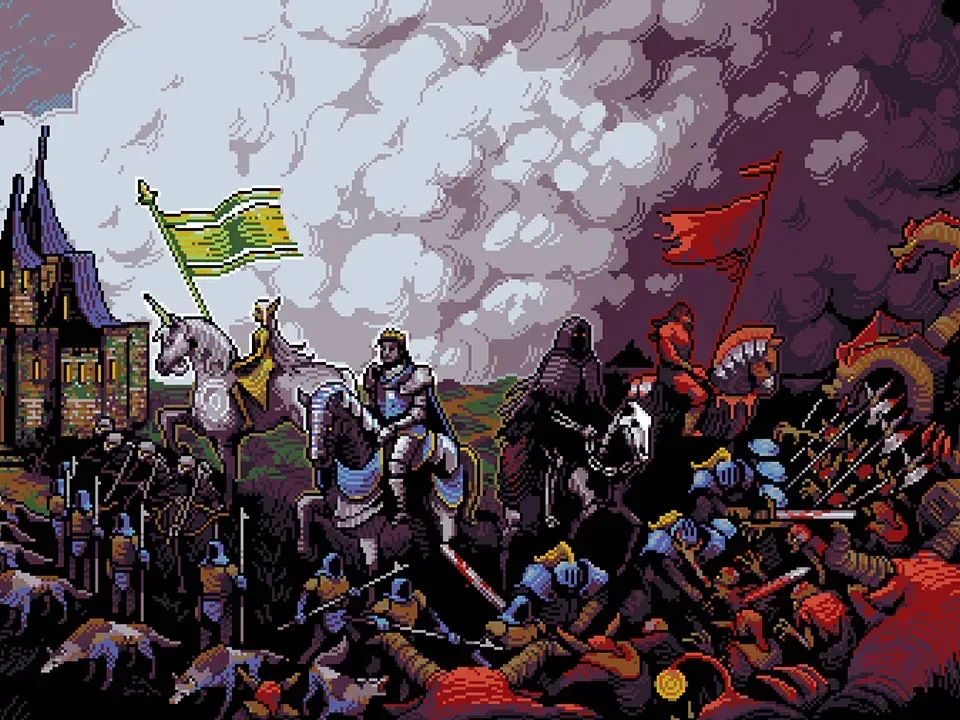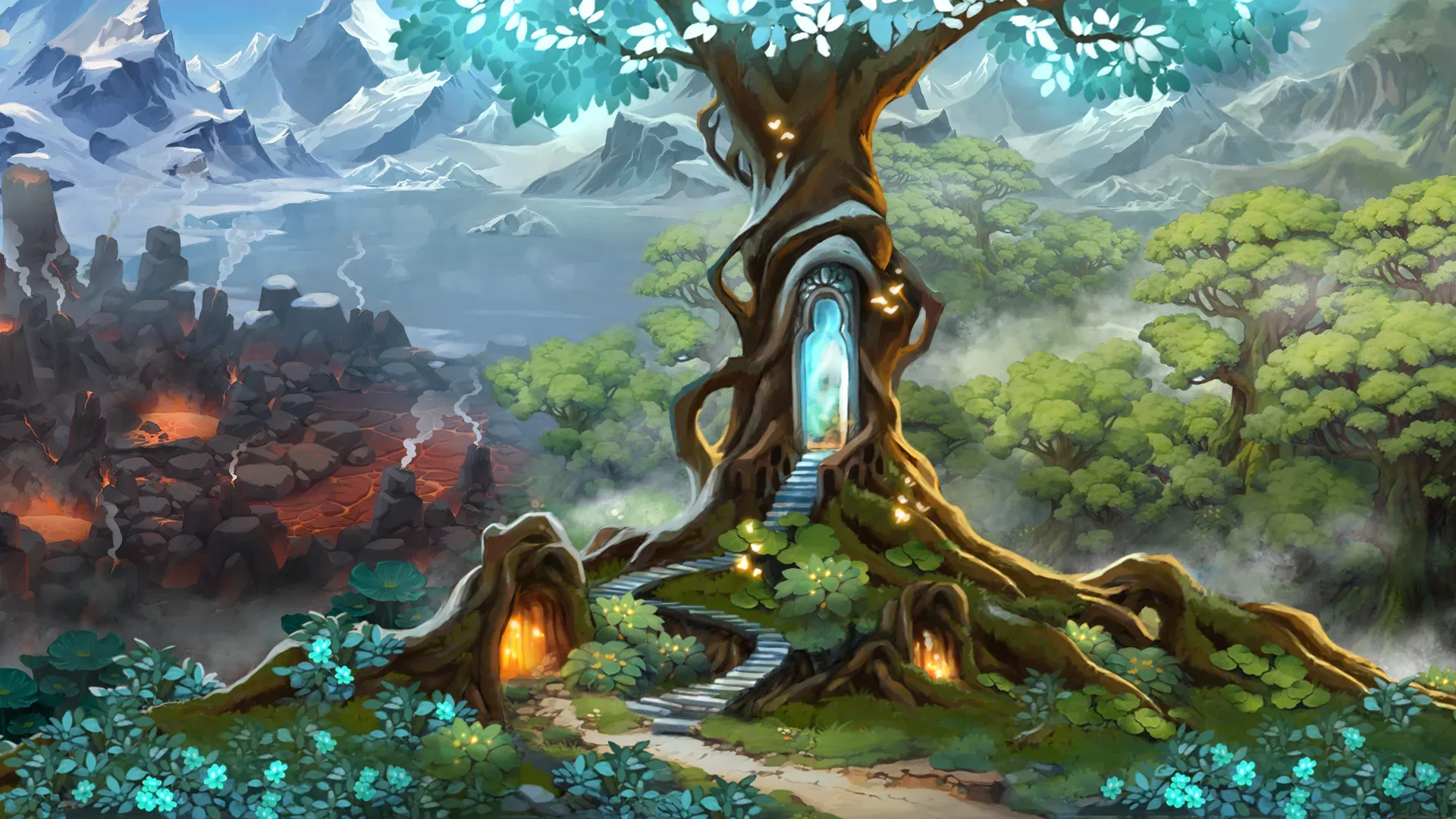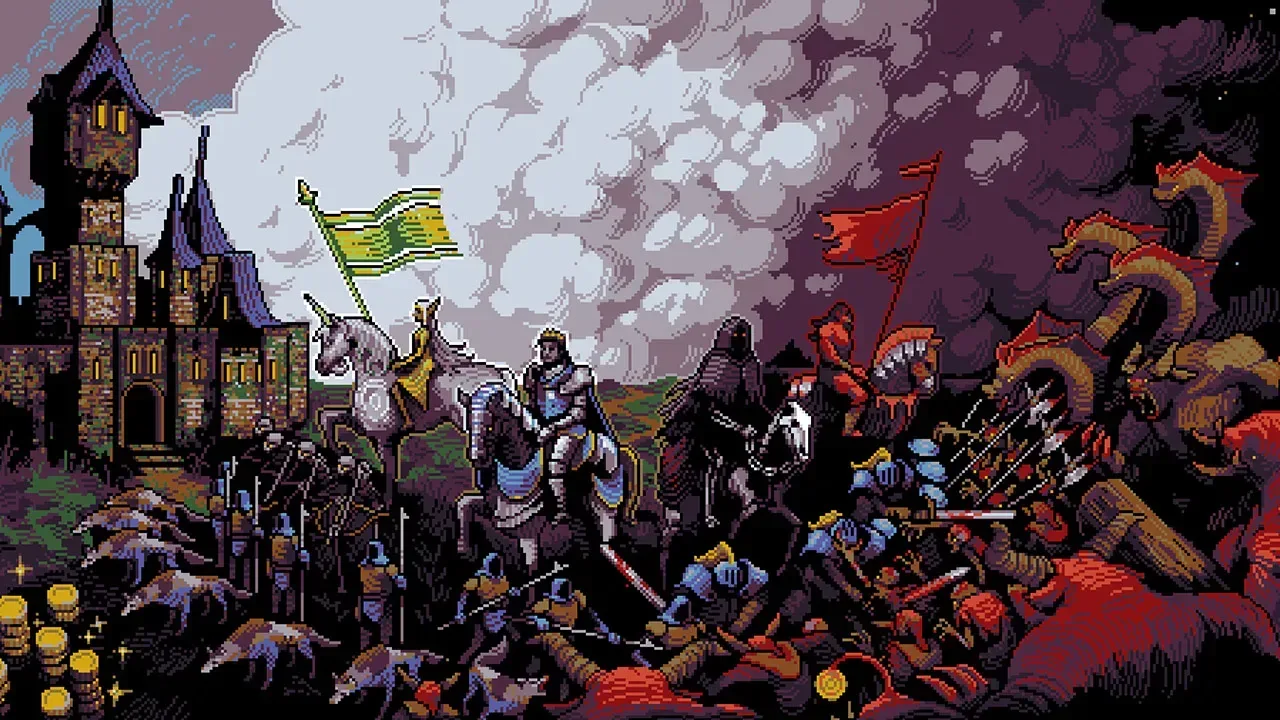
Heroes Never Die, a newly revealed fantasy strategy game from developer Ludogram, is planned for PC in 2027. Its central idea is an ambitious hybrid: the escalating enemy hordes associated with survivor-style games combined with tactical choices, real-time army construction, town development and a roster of powerful heroes.
That pitch places the game’s attention on more than simply lasting against waves of creatures. Players will choose a hero, fight monsters and opposing heroes, gather resources, expand a town and develop an army during each run. Ludogram says the game will include more than 20 heroes, four factions and over 60 units.
The studio is also inviting players to sign up for an upcoming private playtest and wishlist the game on Steam. With release still set for 2027, the playtest is the clearest indicated opportunity for interested players to see how its multiple systems work together before launch.
A horde-survival structure with a strategic layer
“Survivor” is a useful shorthand for games built around sustained pressure from large groups of enemies. The appeal is usually the rising intensity: surviving longer produces more threats, while a player’s growing abilities are meant to keep the encounter manageable—at least temporarily.
Heroes Never Die is not being presented as a straight replica of that structure. Ludogram’s stated aim is to combine survival-style foundations with more tactical decisions and real-time army building. In practical terms, the announced design suggests that the player’s choices may operate on several connected levels:
- Hero selection: Players pick from a lineup of more than 20 heroes, each with individual skills.
- Combat: The immediate threat comes from monster hordes, but rival heroes are also part of the conflict.
- Resource gathering: Resources are collected through fighting foes and used to support further growth.
- Town development: The player works to upgrade a town over the course of a run.
- Army construction: Units are assembled in real time rather than serving as a separate, purely turn-based strategic layer.
The phrase real-time army building matters because it points to decisions being made while pressure is active. Rather than pausing to resolve a distant strategic board, players may need to balance immediate survival against longer-term choices about resources, town upgrades and unit composition. That is an interpretation of the announced structure rather than a confirmed account of the game’s exact controls or pacing; Ludogram has not detailed those elements.
Heroes, factions and units are the stated building blocks
The announced numbers provide an early sense of the game’s intended range. More than 20 heroes should give players multiple starting identities, particularly since every hero has their own skills. The source material does not specify those abilities, nor does it explain whether heroes are assigned to particular factions, so it is too early to draw conclusions about how dramatically one hero might differ from another.
Four factions and more than 60 units add a second layer to that variety. A faction generally describes a larger strategic group—often defined by a shared visual identity, collection of units or mechanical approach—while units are the individual troops that make up an army. Heroes Never Die has confirmed the counts, but not the factions’ names, unit roles or the rules for recruiting them.
Related coverage includes Heroes Never Die Brings Survivor-Style Hordes to Fantasy Strategy in 2027.
That distinction is important for anyone assessing the announcement. “Over 60 units” confirms a broad announced roster, but it does not yet tell players whether those troops will be unlocked through town upgrades, found during runs, tied to a faction, or acquired by another method. Likewise, the presence of four factions does not establish whether a player commits to one faction for an entire run or can mix forces. Those are sensible questions for a future playtest, not details that have been answered by the reveal.
Town upgrades make resources more than a score counter
Resource gathering and town upgrades are among the game’s most explicitly strategic features. Resources are not described merely as a way to tally progress: Ludogram says they are gathered by fighting foes and are used in the effort to improve a town. This gives combat a stated economic consequence. Defeating enemies helps a player survive in the moment, but also supports the infrastructure behind the army.
Town upgrading commonly implies a progression loop in which the player turns battlefield gains into more options. Here, the confirmed details support the broad outline—fight, collect, improve and continue building—but not a detailed upgrade tree. There is no announced information on buildings, resource types, permanent progression, maps, objectives or the conditions that end a run.
Still, the combination helps clarify why Heroes Never Die is being described as a strategy game rather than solely an action-driven horde game. Its announced loop asks players to consider force growth and settlement improvement alongside hero skills. The degree to which those systems reward planning, reaction or experimentation will depend on details still to be revealed.
Rival heroes could change the pressure of each run
Monster hordes are only one category of opponent. Players will also contend with rival heroes. That is a notable piece of the announcement because heroes imply opponents with a stronger identity than standard enemy units. It potentially makes positioning, army strength and the timing of upgrades more consequential than they would be in a mode focused exclusively on anonymous waves.
However, the reveal does not say whether rival heroes are controlled by artificial intelligence, what skills they possess, how often they appear, or whether defeating them yields special rewards. It also does not confirm any player-versus-player mode. For now, rival heroes should be understood as an announced enemy type within the game’s fantasy conflict, not evidence of online competitive play.
“No two runs” is an ambition, not a complete mechanical breakdown
Ludogram says that no two runs will be alike. In games structured around repeated runs, a run is a single attempt through the game’s core loop, with choices and encounters creating variation from one attempt to the next. Heroes, faction options, unit choices and resource-driven town development all provide plausible sources of variety based on what has been announced.
But the precise systems behind that claim remain unspecified. The developer has not confirmed random maps, randomized enemy waves, changing objectives, branching events or an upgrade-draft system. Players should therefore treat the “no two runs” statement as the design goal attached to the game’s combination of heroes, factions, units and strategic decisions—not as a checklist of confirmed procedural features.
What is confirmed, and what remains open
The announcement establishes a clear starting picture: Heroes Never Die is a PC-bound fantasy strategy game coming in 2027; it has a survivor-style horde component; it includes more than 20 heroes, four factions and over 60 units; players fight monsters and rival heroes; and town upgrading is fueled by resources earned through combat.
Major details are still absent, including a firm release date, system requirements, pricing, Steam page particulars, multiplayer plans and a fuller explanation of combat or progression. Ludogram has said it has been developing the project for a couple of years, and creative director Edouard Gaudel said the team is eager for players to battle hordes and evolve armies through the coming playtest.
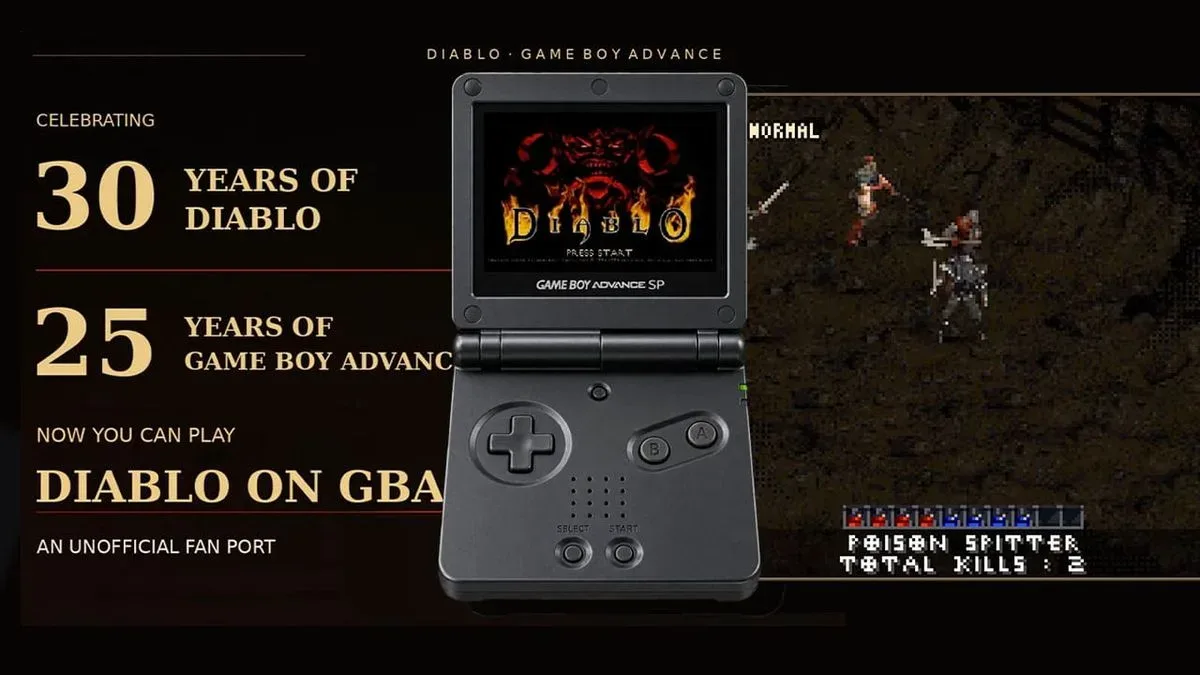
For PC players keeping an eye on upcoming fantasy games, Heroes Never Die is one to watch for its attempt to marry rapid horde pressure with a larger strategic loop. It joins a PC landscape that continues to accommodate very different takes on fantasy action, from new releases to projects such as an unofficial Diablo port for Game Boy Advance. Heroes Never Die’s own identity, though, will rest on whether its heroes, towns and armies make those survival runs meaningfully distinct when players get access to the private test.