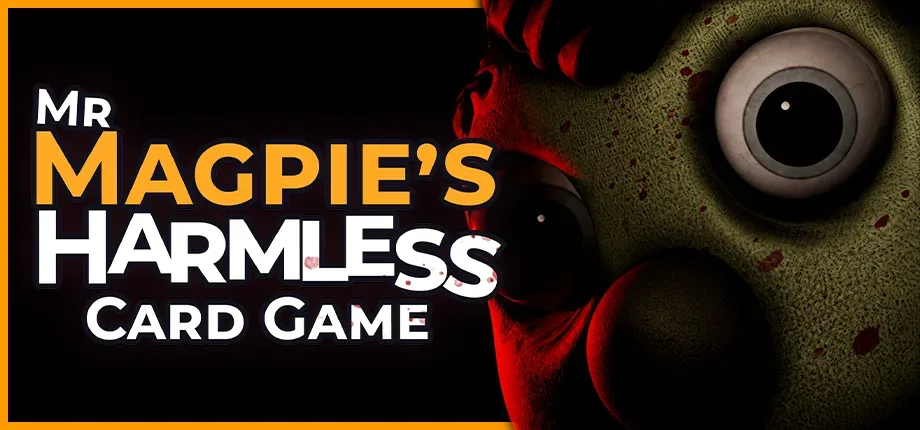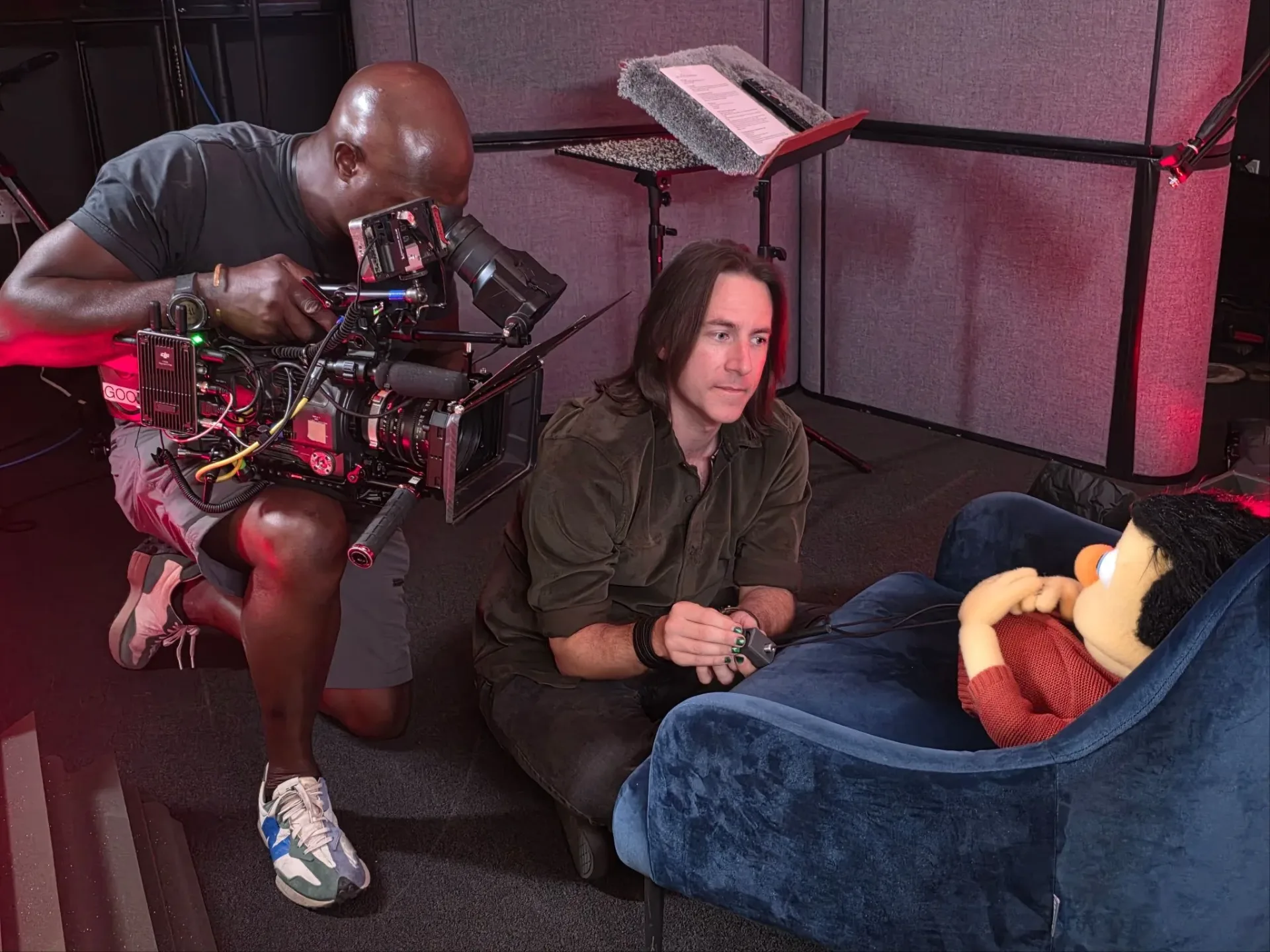
Mr Magpie’s Harmless Card Game has outlined a wider platform plan and an early 2027 release window, while also confirming that Matt Mercer will voice its unnerving puppet master, Mr Magpie. The surreal corporate-horror deckbuilder is in development at Giant Light Studios and will launch for PC, Xbox Series X|S, PlayStation 5 and Nintendo Switch 2.
Xbox players will be able to access it through Xbox Game Pass on release day. The game will also support Xbox Play Anywhere, the Xbox program intended to let eligible purchases work across Xbox console and PC without requiring a separate purchase. A free demo is currently available through Steam for PC players who want a first look before the full release.
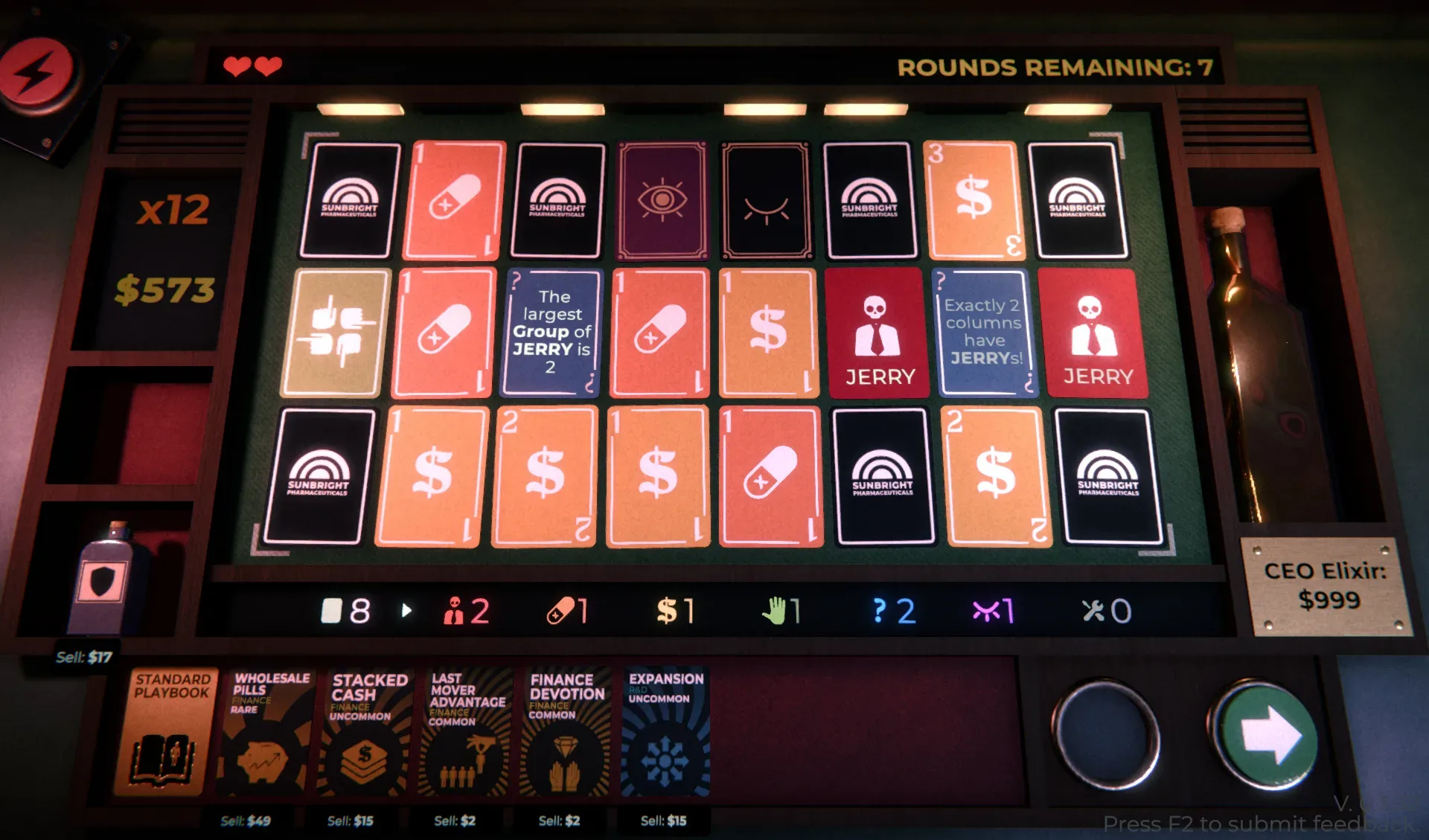
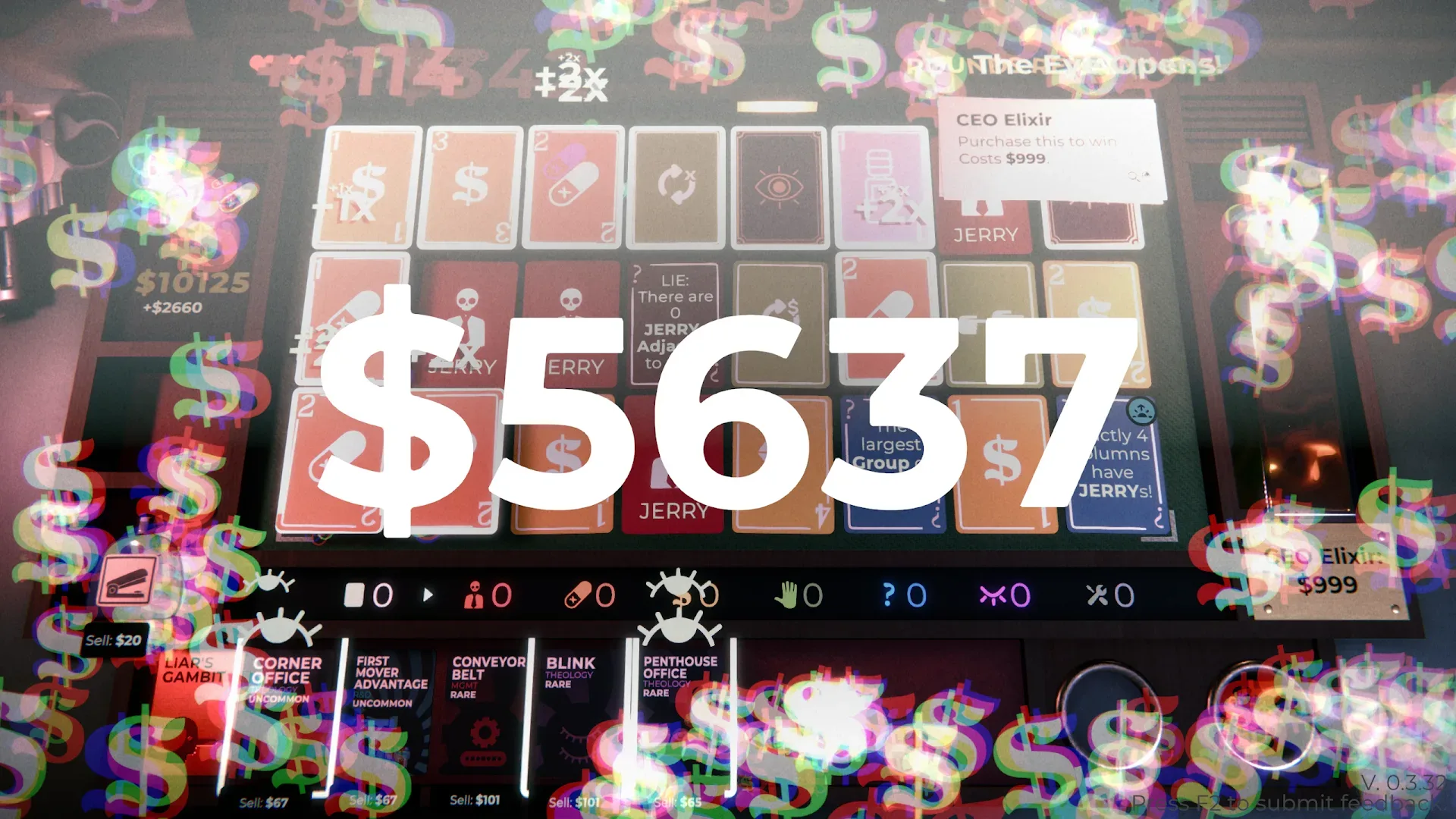
The latest reveal arrived alongside a new trailer, putting the spotlight on Mercer’s role as the game’s watchful host. The core pitch is deliberately stranger than a conventional card battler: players are navigating a corporate nightmare through a mixture of deckbuilding, Minesweeper-inspired deduction and push-your-luck decisions, all under Mr Magpie’s supervision.
A deckbuilder with deduction at its centre
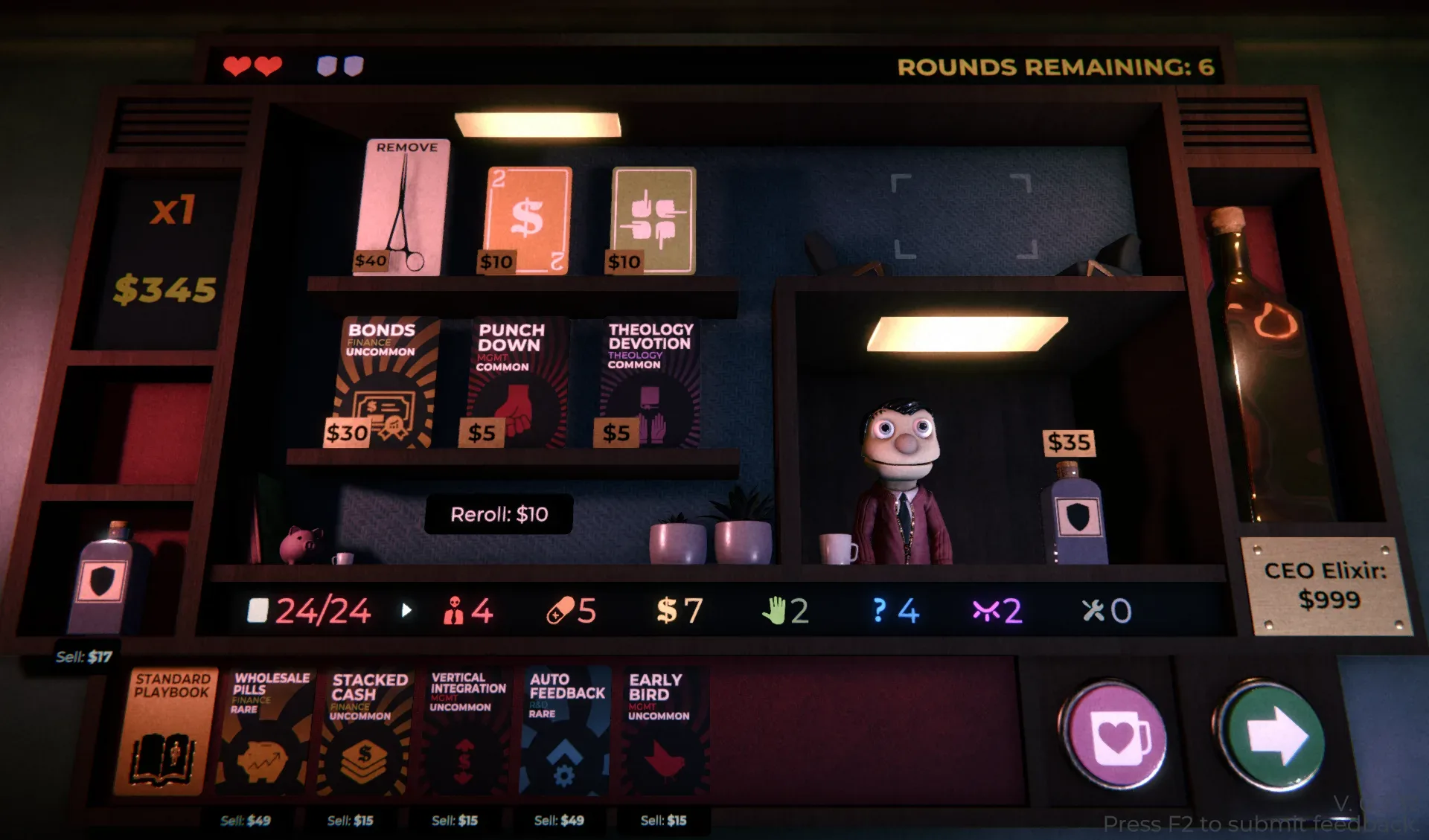
Deckbuilders generally ask players to build and refine a pool of cards over the course of a run. Rather than entering each session with a finished collection or a pre-made competitive deck, the player makes choices as they go, adding cards and seeking interactions that improve their chances in later encounters. The “roguelike” description indicates that repeat runs and changing decision paths are an important part of Mr Magpie’s Harmless Card Game’s structure.
What distinguishes this project on paper is its stated use of Minesweeper-style deduction. In broad terms, that means reading incomplete information and making choices based on clues rather than acting with total certainty. In the classic puzzle game, players infer the location of danger from the numbers revealed on a grid. Mr Magpie’s Harmless Card Game is not being presented as a straight recreation of that format, but the reference suggests that interpretation, probability and cautious risk assessment will matter alongside the cards in hand.
That naturally fits the game’s push-your-luck component. A push-your-luck system offers the possibility of a better payoff if the player continues, while increasing the chance that an existing gain turns into a setback. The tension is not merely whether to make a smart move; it is whether to stop while an outcome is favourable or expose oneself to another layer of risk. Combined with deduction, that can make a seemingly small decision feel consequential: a player may understand that a danger is likely, but still decide the potential reward justifies pressing on.
Those three elements—deduction, risk management and evolving deck construction—give the game a fairly specific design target. The cards are not described simply as attacks, spells or resources. Instead, the available information points toward a structure in which cards and choices are tools for surviving an opaque system. The corporate-horror setting makes that approach especially apt: the player is apparently being assessed by an authority figure with more knowledge and power than they have.
Mr Magpie is more than a narrator
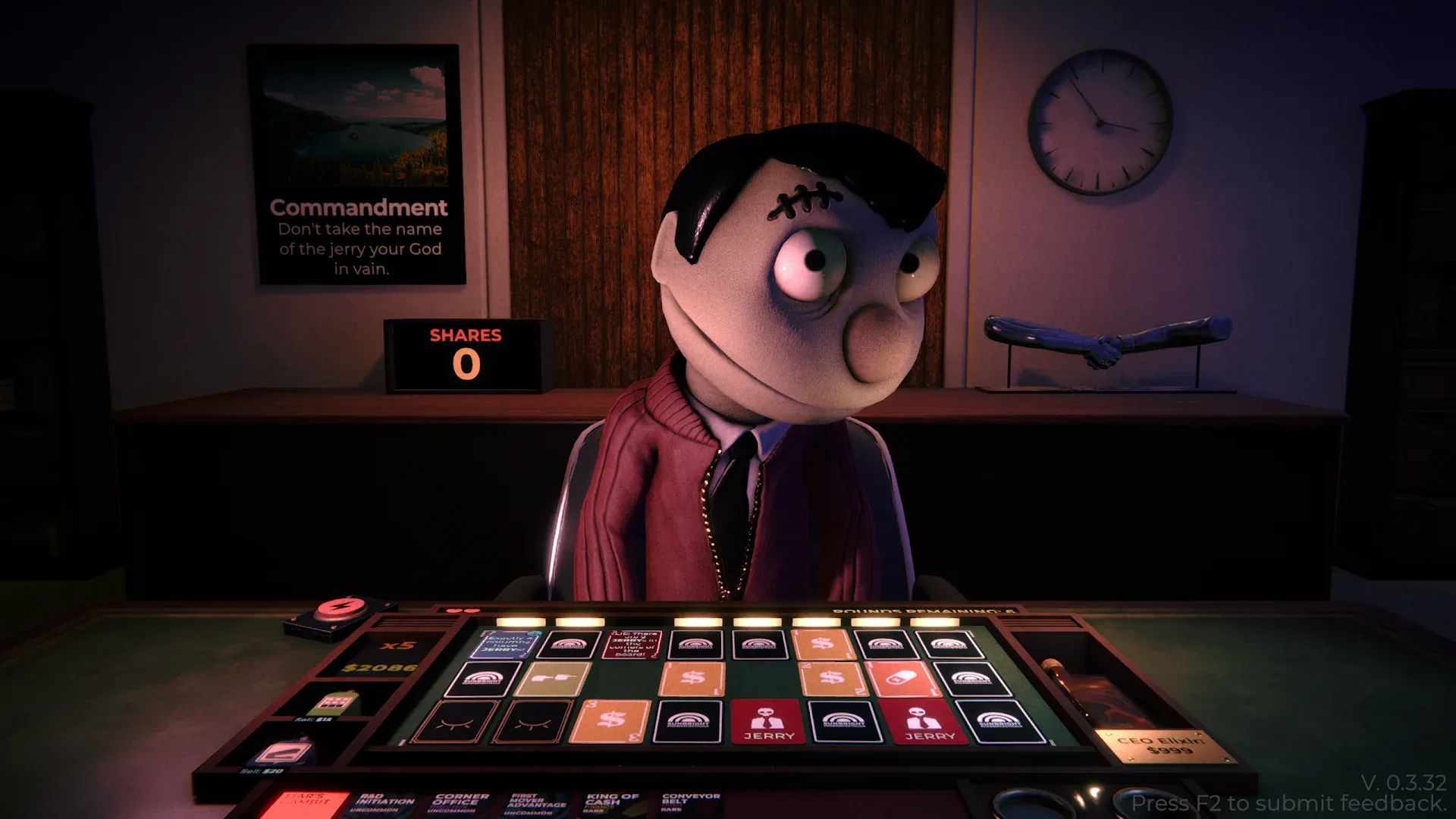
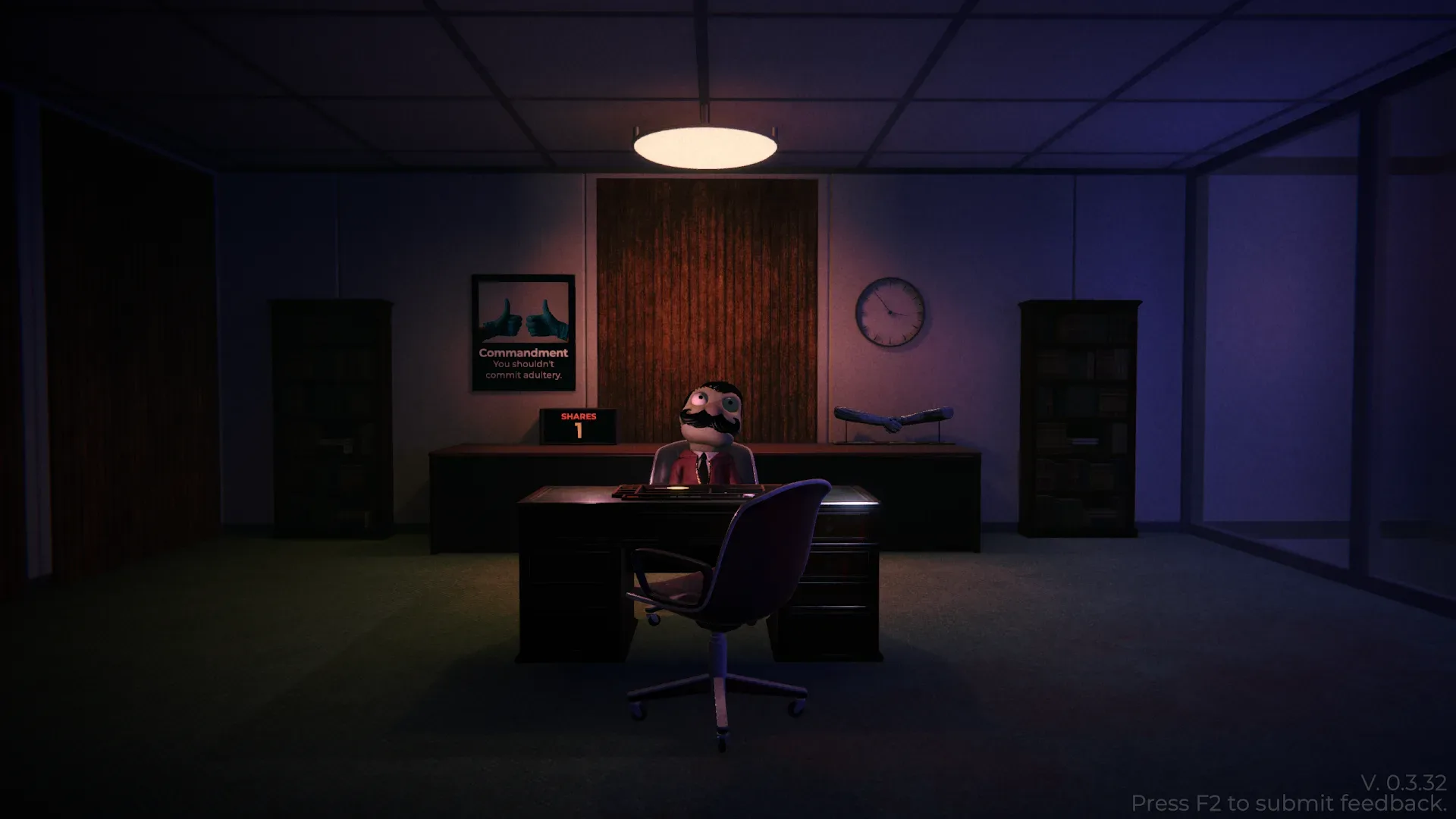
Mercer has been named as the voice of Mr Magpie, the puppet host overseeing the experience. That casting gives the character a defined vocal presence rather than leaving the game’s central personality as an abstract mascot. It is an important detail for a horror game structured around an ever-present host: delivery can shape whether directions feel welcoming, coercive, ridiculous or threatening, and a puppet figure is well suited to the uneasy overlap of performance and control.
Related coverage includes Mr Magpie’s Harmless Card Game Targets Early 2027 With Matt Mercer as Its Puppet Host.
The game’s title calls the activity “harmless,” while its genre framing promises corporate horror. That contrast is doing much of the thematic work. Corporate horror often turns familiar workplace language, rules and systems into sources of anxiety. A harmless card game becomes less harmless when the host is watching, the terms are unclear and every decision may contain information the player cannot immediately see.
There is no need to assume details beyond the announced premise, but the combination provides a useful expectation for prospective players: this is not being positioned as a purely mechanical deckbuilder with horror visuals pasted over it. Its central game concepts and its atmosphere both revolve around uncertainty, authority and the costs of making the wrong call.
Platforms, Game Pass and Play Anywhere
The announced platform list covers both PC and the current console landscape: Xbox Series X|S, PlayStation 5 and Nintendo Switch 2. That breadth is significant for a game whose appeal may rest on a distinctive genre blend. Players will not be limited to a single console ecosystem when the early 2027 window arrives.
The Xbox Game Pass Day One commitment means subscribers to the applicable service tier will be able to play when the game launches, rather than waiting for it to enter the catalogue later. It is worth separating that from Xbox Play Anywhere, as the two labels describe different benefits. Game Pass concerns subscription access; Play Anywhere concerns ownership across supported Xbox console and PC versions. The game has been announced with both.
That distinction matters for players deciding where to try the game. Someone with Game Pass may have an immediate route into the full release on Xbox platforms. Someone considering a purchase can look to Play Anywhere as a cross-device convenience within the Xbox ecosystem, subject to the program’s supported versions. For the broader context around Xbox’s platform and studio debates, see our coverage of what game studios mean when they say they are using AI.
The Steam demo is the clearest way to assess the pitch
With the full game still targeting early 2027, the free Steam demo is the most practical way to judge whether its mix of ideas clicks. The announced features describe a game where the feel of decision-making will be crucial. A player may like deckbuilders in general but prefer systems with transparent enemy intent; another may be drawn specifically to the tension created by incomplete information and calculated gambles.
A demo can answer more useful questions than a trailer alone. Does the deduction component feel readable? Are risks understandable before the player commits? Does the card-building layer offer meaningful trade-offs rather than simply accumulating stronger options? And does the tone of Mr Magpie’s guidance enhance the pressure without making the game’s rules harder to parse?
Those are design questions, not confirmed answers. The available information does not yet establish the game’s full progression structure, its eventual card pool, run length, difficulty options or the precise form of its deduction board. The demo’s existence is therefore valuable: it gives interested PC players a direct way to evaluate the central loop while leaving room for the finished version to expand on what is shown now.
Who is making Mr Magpie’s Harmless Card Game?
Giant Light Studios is developing Mr Magpie’s Harmless Card Game. Publishing is being handled by Miss Behaviour, part of Behaviour Interactive, alongside Gambit Digital. The game’s newly confirmed voice role, platform slate, Game Pass Day One plan and Steam demo all point to a project moving from an intriguing genre description toward a clearer public identity ahead of its planned release.
For now, the essentials are straightforward: Mr Magpie’s Harmless Card Game is planned for PC, PS5, Xbox Series X|S and Nintendo Switch 2 in early 2027; Mercer voices its title character; Xbox Game Pass subscribers will receive it on day one; and the Steam demo is available now. The bigger question is whether its deduction-driven card play can make every apparently harmless choice feel like a dreadful one.