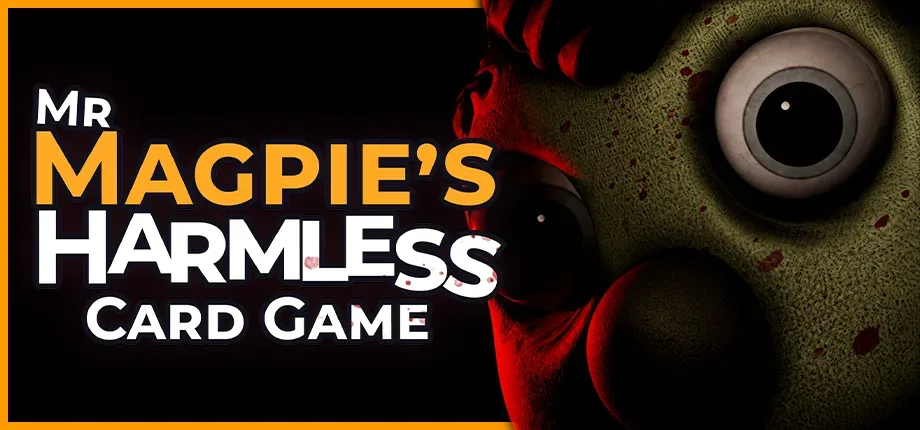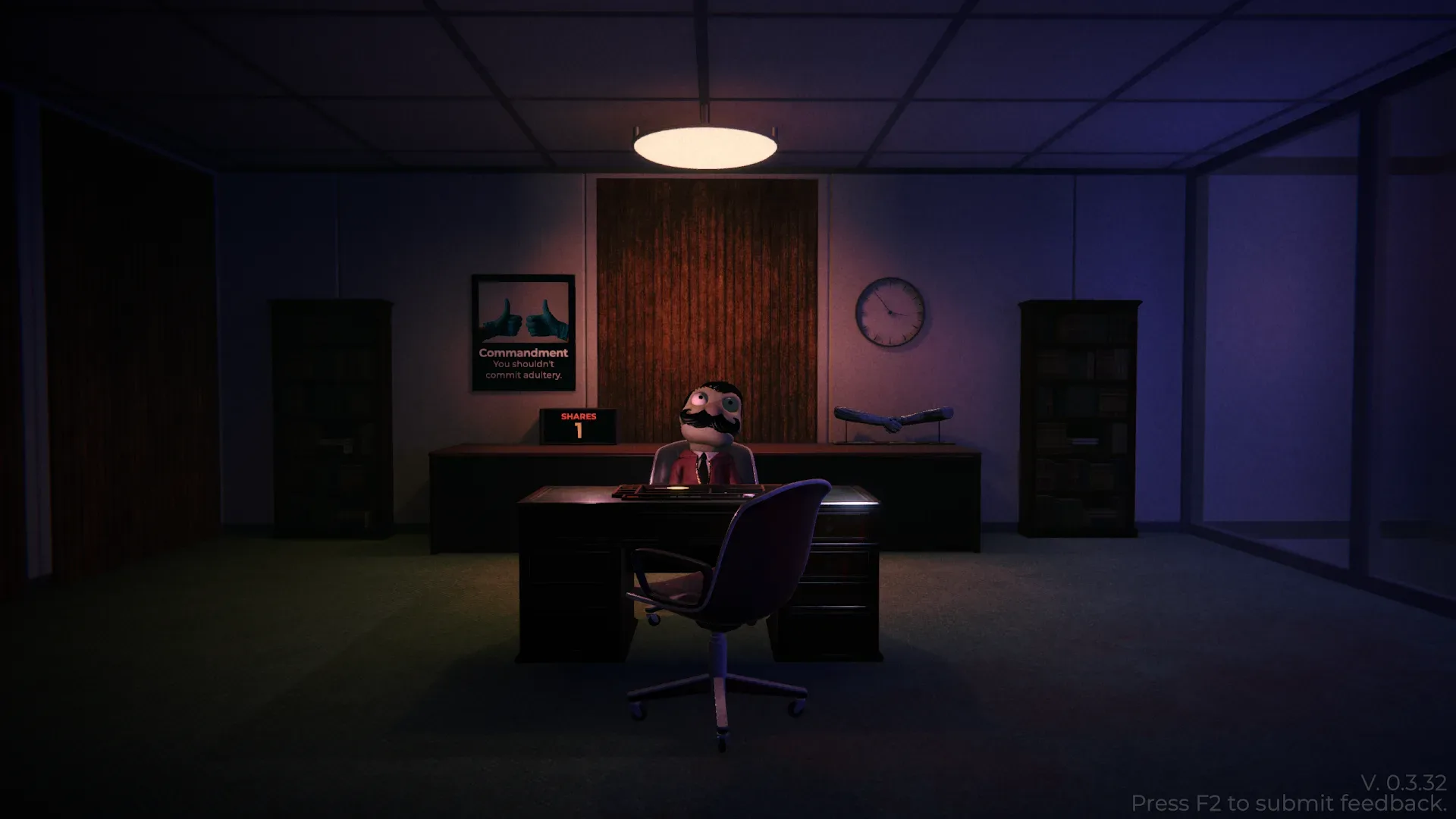
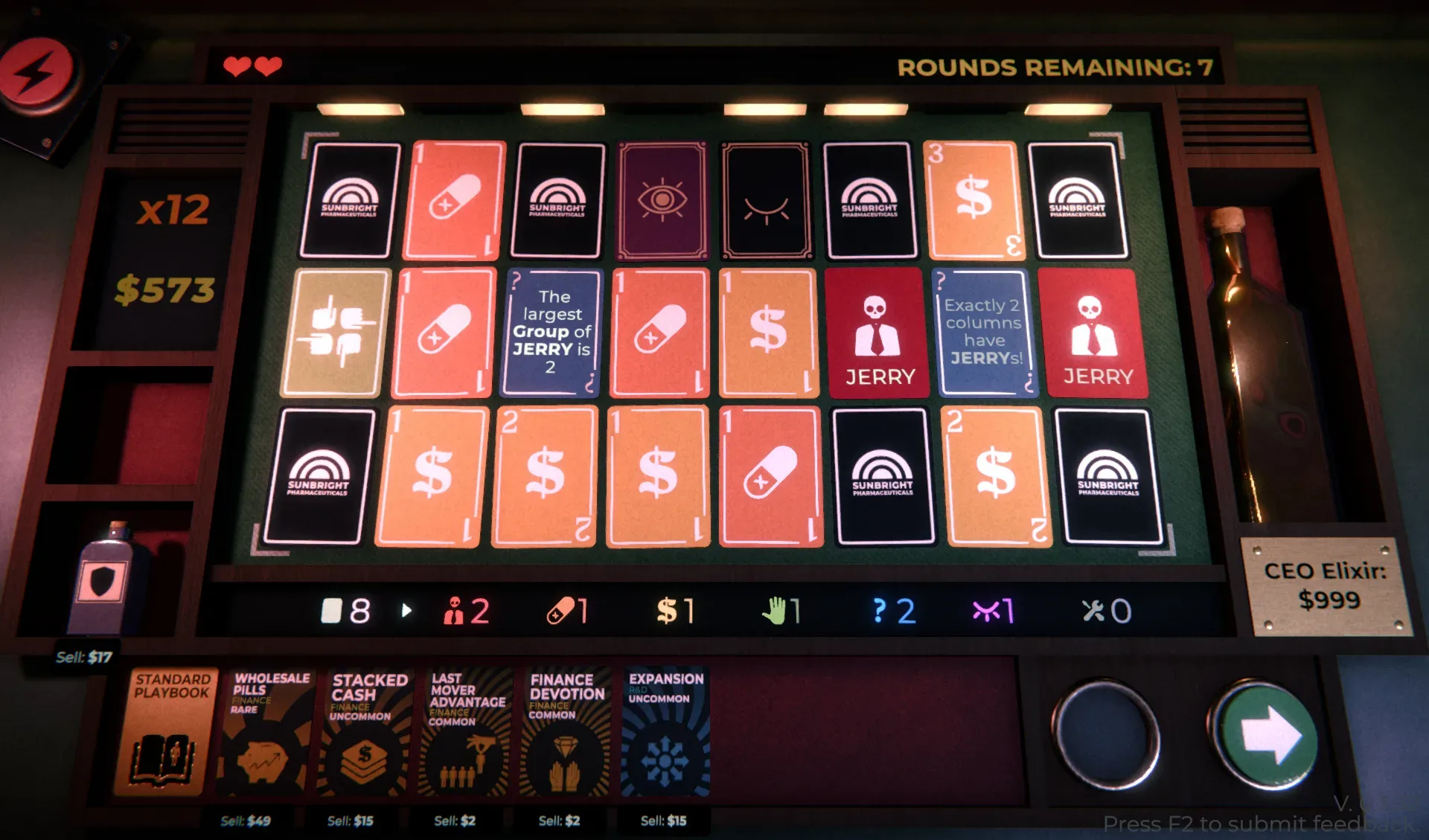
Mr Magpie’s Harmless Card Game is scheduled to launch on February 18, 2027 for PC, PlayStation 5, Xbox Series X|S and Nintendo Switch 2. The surreal corporate-horror deckbuilder will also be available through Xbox Game Pass on day one and supports Xbox Play Anywhere.
The release-date reveal took place at the Horror Game Awards, presented by Miss Behaviour. Giant Light Studios is developing the game, while Behaviour Interactive and Gambit Digital are publishing it. A Steam demo is already available for people who want a closer look at the game’s card-flipping premise before its full release.
Its title makes the intended joke plain: this is supposedly a harmless card game, but the player’s workday unfolds beneath the close attention of Mr Magpie, amid the peculiar culture of Sunbright Pharmaceuticals. The gameplay combines deduction inspired by Minesweeper, push-your-luck decisions and roguelike deckbuilding. That combination places card selection, risk assessment and score-building at the center of an overtly unsettling office setting.
A card game where the wrong flip matters
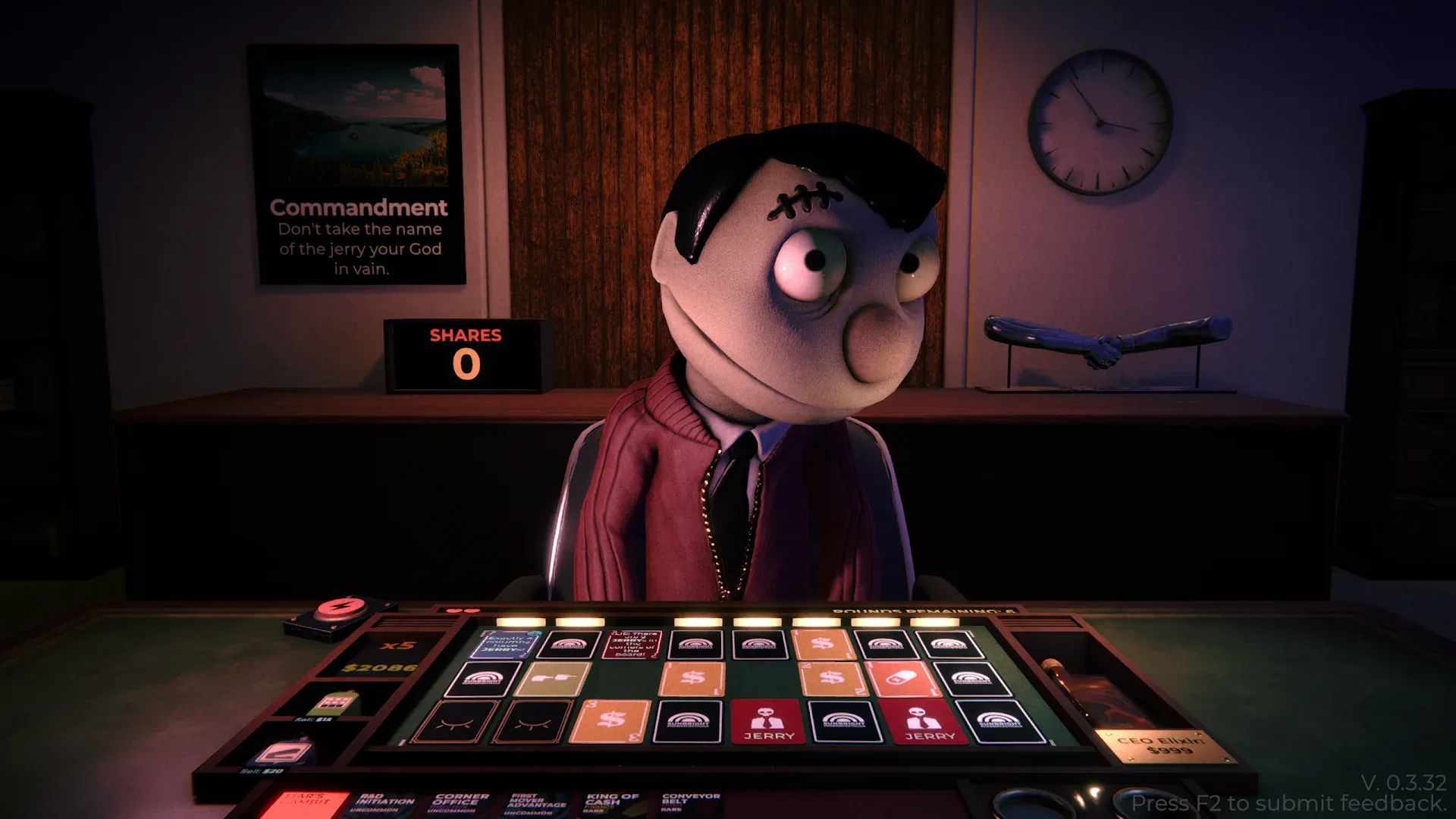
The central task is to flip cards while identifying dangerous JERRY cards. Players are also expected to assemble synergies and pursue rising multipliers in order to reach daily quotas. The basic tension is easy to understand even without a full rules explanation: a flip can provide useful information or improve a scoring plan, but it can also bring a run closer to failure if the player misreads the board or pushes too far.
Deduction means using the information already available to make a safer or more valuable next choice. In a Minesweeper-inspired design, the appeal is not simply chance. Players are asked to infer hidden danger from what the game has revealed. That makes each decision feel like a small workplace audit conducted under pressure—an appropriate fit for a game about quotas, suspicious pharmaceutical offices and an employer-like figure who is clearly not projecting healthy boundaries.
The reference to Minesweeper should not be read as a promise that the game duplicates that classic game’s exact rules. What it establishes is the broad design language: hidden hazards, partial information and decisions that reward attention. The JERRY cards are the named threat here, and identifying them is a stated part of the play loop.
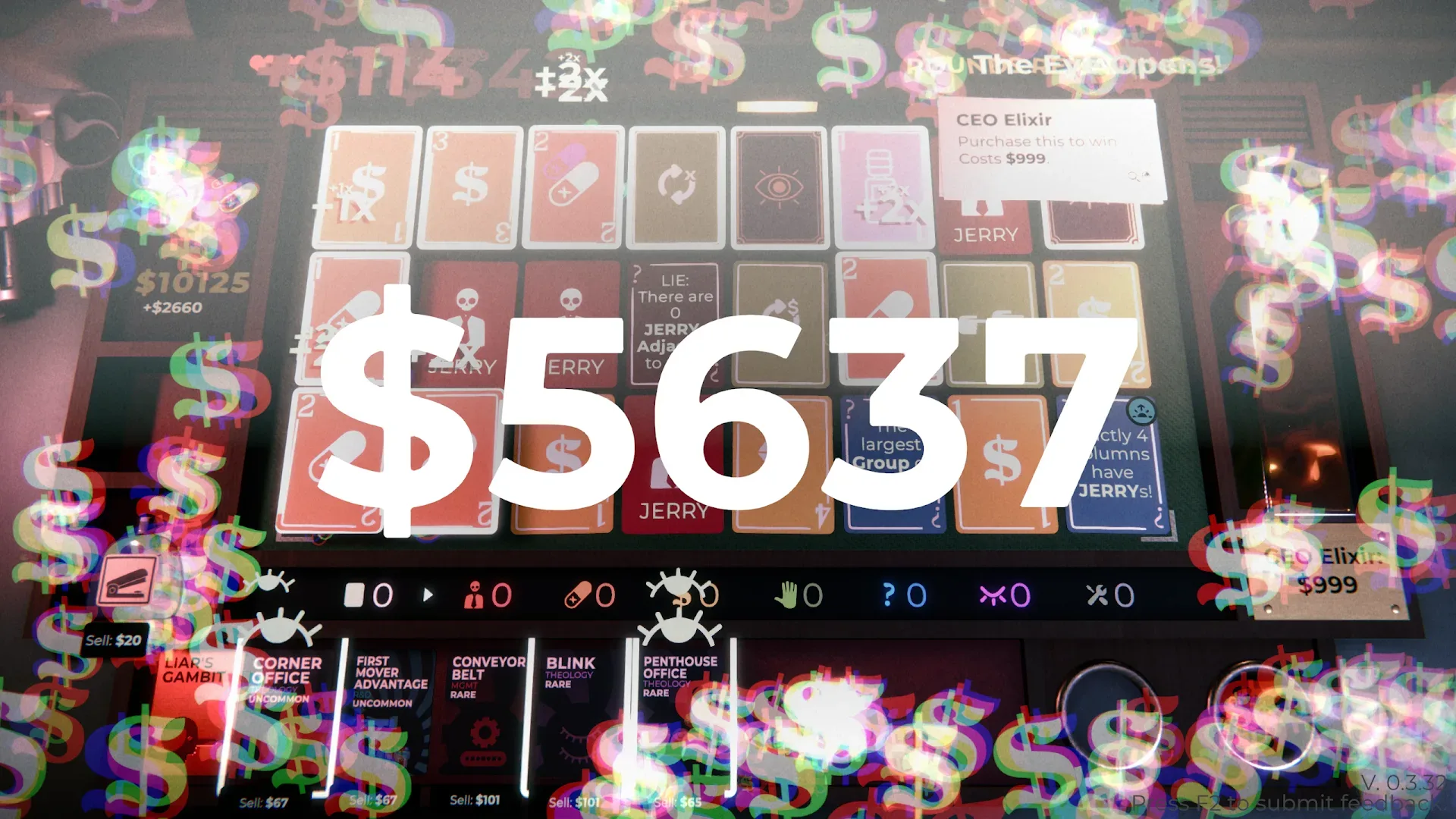
Push-your-luck mechanics add another kind of pressure. A player may have a satisfactory result in hand, but keep playing for a stronger payoff. Continuing can make the run more rewarding; it can also turn a manageable position into a disaster. In Mr Magpie’s case, the stated emphasis on increasing multipliers gives this instinct a concrete purpose. A multiplier generally raises the value of a score or reward, so a player who chases a larger multiplier is choosing possible future value over the security of stopping earlier.
That tension should be particularly important when quotas are involved. A quota is not merely a high score to admire. It is a target that has to be met. By connecting scoring to daily work requirements, the game frames each run as a performance obligation rather than a relaxed round of solitaire. The corporate-horror theme and the mechanical objective are consequently aimed in the same direction: success is measured, demanded and potentially never comfortable enough.
Related coverage includes Mr Magpie’s Harmless Card Game Sets February 2027 Launch Across PC and Consoles.
Deckbuilding, synergies and runs explained
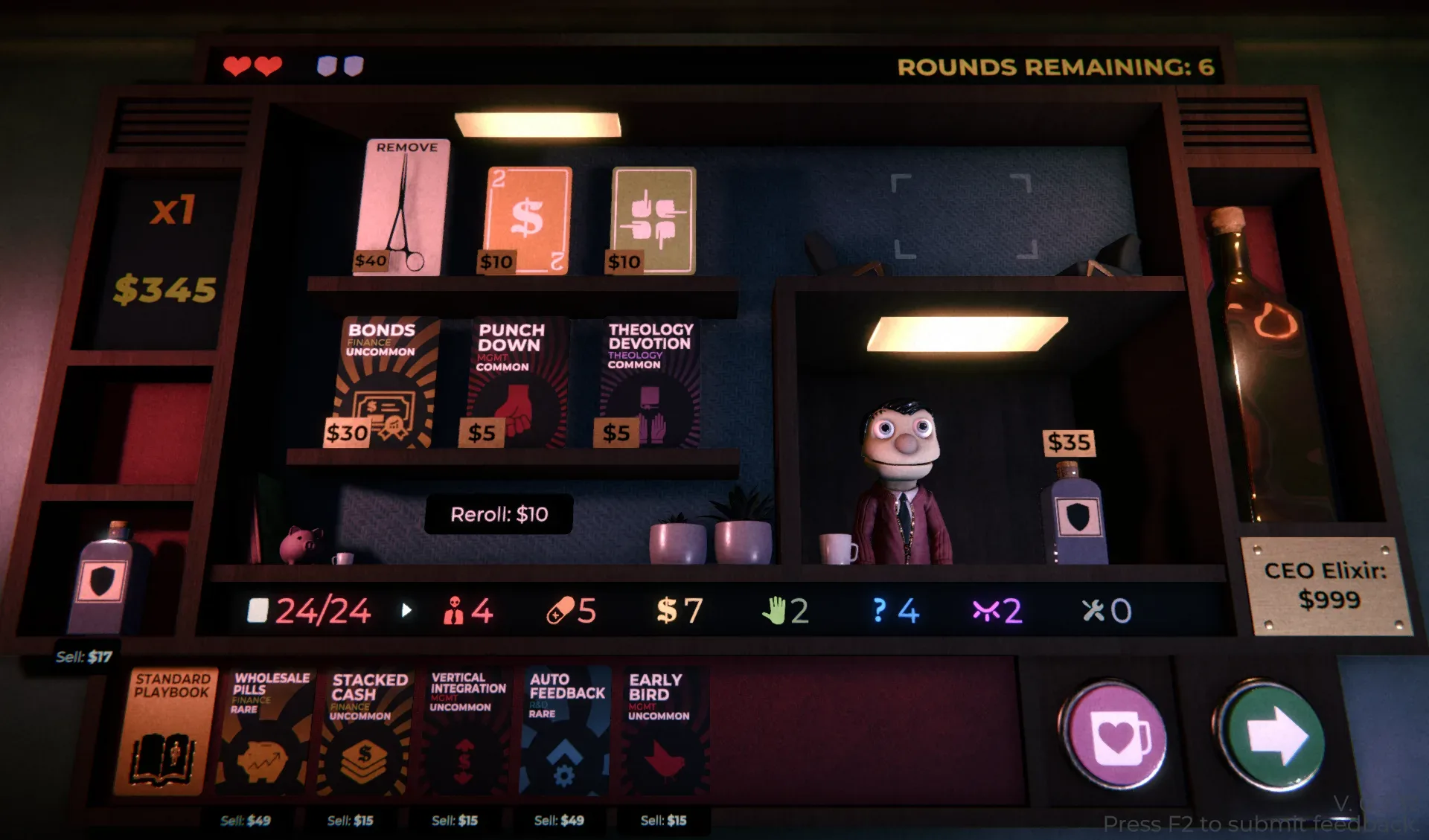
The game is also described as a roguelike deckbuilder. A deckbuilder is a game where the cards available to the player—and how well those cards work together—matter as much as individual tactical choices. Building synergies means seeking combinations whose effects or scoring potential are stronger together than separately.
That word, synergy, is often used loosely in card games, but it is useful here because Mr Magpie’s loop explicitly asks players to build it. A card may be worthwhile not because it is universally powerful, but because it improves a particular plan, supports another card, or contributes to a higher multiplier. This creates an additional decision layer beyond simply avoiding JERRY cards. Players need to consider what helps the current run meet its quota and what makes later decisions more productive.
Roguelike describes a structure built around repeated runs rather than one uninterrupted campaign attempt. A run is a discrete play session with its own decisions and outcome. This structure is naturally well suited to a game that mixes uncertain card flips and deck construction: every attempt can present a new opportunity to recognize hazards, shape a different collection of cards, and decide when ambition has become recklessness.
The available description does not spell out the game’s complete progression systems, exact card effects, or the precise conditions that end a run. Those details will matter for anyone trying to understand the eventual strategic depth. Still, the disclosed ingredients make the intended rhythm clear: learn from partial information, choose what risks to accept, develop useful card combinations and keep the score climbing before the workday’s demands catch up.
This is a distinct proposition from a traditional collectible-card game. There is no indication here of physical packs, trading, rarity tiers or real-world collecting. Mr Magpie’s cards are part of an in-game deckbuilding structure, and the story’s tension comes from navigating those cards during runs. That distinction matters because the game’s “card game” label is about a gameplay system, not a hobby product.
Sunbright Pharmaceuticals gives the loop its horror setting
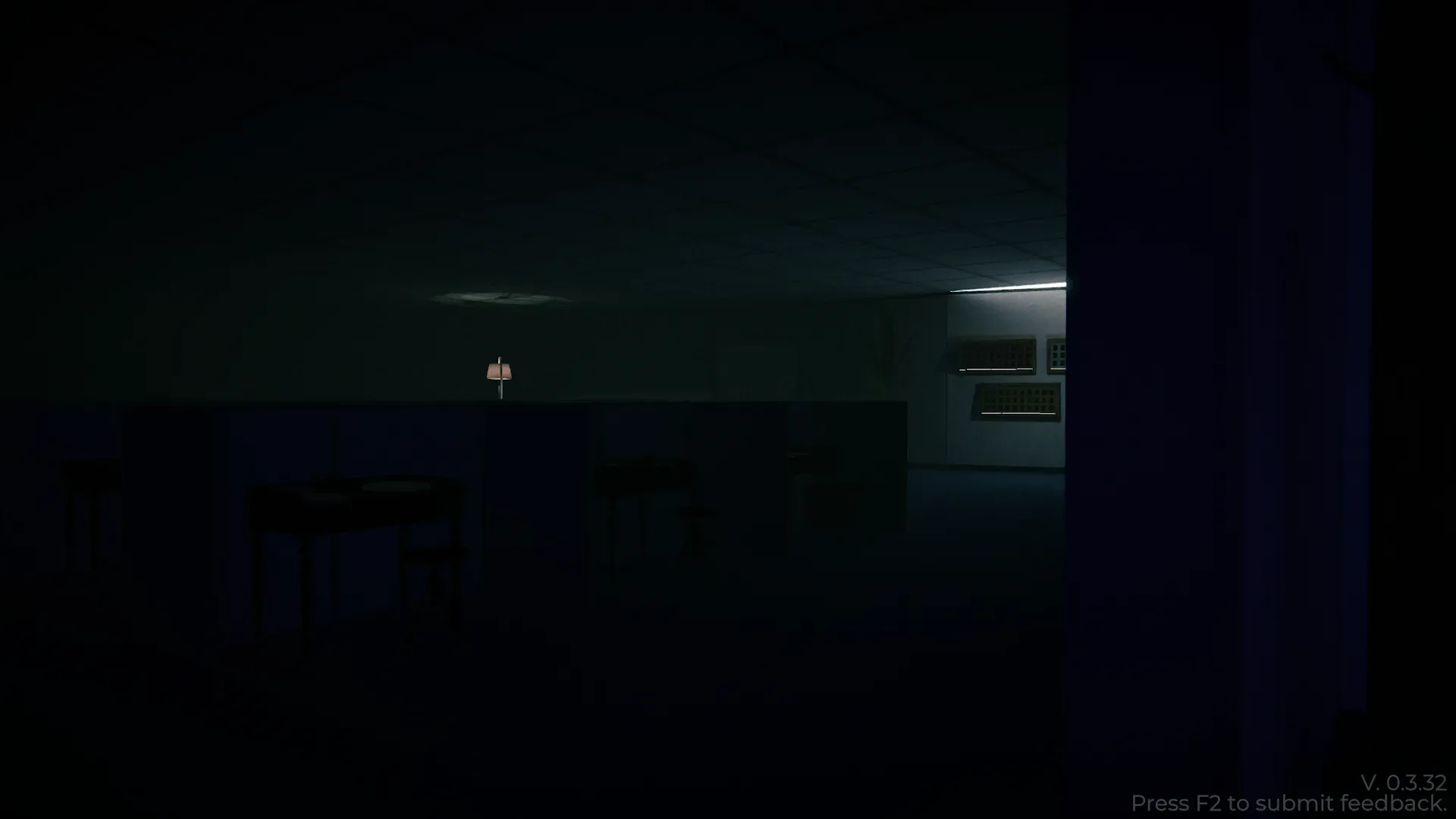
Between runs, players can explore the offices of Sunbright Pharmaceuticals and uncover secrets about the company’s questionable workplace practices. This between-run exploration is more than a decorative detail. It suggests that the game will use downtime away from the card table to expand the setting and give players a reason to inspect the corporate world surrounding the quota loop.
Corporate horror works by making familiar work language and routine spaces feel threatening. Quotas, offices, performance and managerial oversight are ordinary concepts. In this setting, they are attached to a surreal card game, hidden dangers and Mr Magpie’s watchful presence. The contrast is where the tone can do its work: the vocabulary of productivity becomes a framework for anxiety rather than reassurance.
Sunbright Pharmaceuticals is also a deliberate fit for that tone. The company name carries a polished, reassuring surface, while the game promises secrets and questionable practices beneath it. Nothing disclosed so far establishes the full nature of those secrets, and it would be premature to fill that gap with theories. What is confirmed is that exploring the offices sits alongside the repeatable card-game structure, allowing story discovery to happen between gameplay attempts.
Mr Magpie is voiced by Matt Mercer, giving the central presence a named performer from the outset. The character’s role is framed as one of observation: players are operating under his eye while trying to identify dangerous cards and satisfy quotas. Whether he is a boss, supervisor, host or something stranger has not been detailed, but his prominence in the setup makes him an obvious focal point for the game’s corporate unease.
What Game Pass Day One and Play Anywhere mean
For Xbox players, the day-one Game Pass inclusion means the game will enter that subscription catalog on its launch date rather than arriving later. It is a meaningful access option for players who already subscribe and may be deciding whether to try an unfamiliar blend of horror, deduction and deckbuilding.
Xbox Play Anywhere support is a separate feature. It applies to the Xbox and Windows PC ecosystem, allowing eligible digital ownership to work across Xbox consoles and Windows PCs without treating those versions as wholly separate purchases. It does not mean that every platform named for the release is covered by a single purchase; PlayStation 5, Nintendo Switch 2 and Steam remain their own platform ecosystems.
The wide platform plan means Mr Magpie’s Harmless Card Game is not being positioned as a PC-only curiosity, despite the Steam demo. PC players will have that demo as an immediate way to sample the concept, while console players have a confirmed launch date across current-generation Xbox and PlayStation hardware plus Nintendo Switch 2. For another recent example of a game putting a strategic hook at the front of its PC pitch, see WE’RE ALL IN! and its spectator-betting setup.
Why the premise stands out
Mr Magpie’s Harmless Card Game has a relatively clean mechanical identity in the information available so far. It is not described only as a horror game, only as a deckbuilder, or only as a puzzle. Its pitch connects each part: deduction helps manage hidden danger, push-your-luck choices create escalating pressure, deckbuilding creates long-term tactical shape within a run, and quotas turn the whole arrangement into a hostile work assignment.
That is also why the game’s office exploration could prove important. Repeated-run games benefit when players have something to investigate beyond improving a score. The ability to explore Sunbright Pharmaceuticals between runs gives the game a stated avenue for uncovering context around its unnerving workplace. Players who are drawn to systems will have card interactions, multipliers and risk to parse; players drawn to the fiction will have an office full of secrets to pursue.
For now, the confirmed facts are a February 18, 2027 launch, a four-platform release, Xbox Game Pass Day One and Play Anywhere support, a Steam demo, and a distinct blend of card-game mechanics wrapped in corporate horror. Anyone with an appetite for a deadline-driven card game where “harmless” is doing a suspicious amount of work can mark the date—and perhaps begin treating every JERRY card as an urgent HR matter.