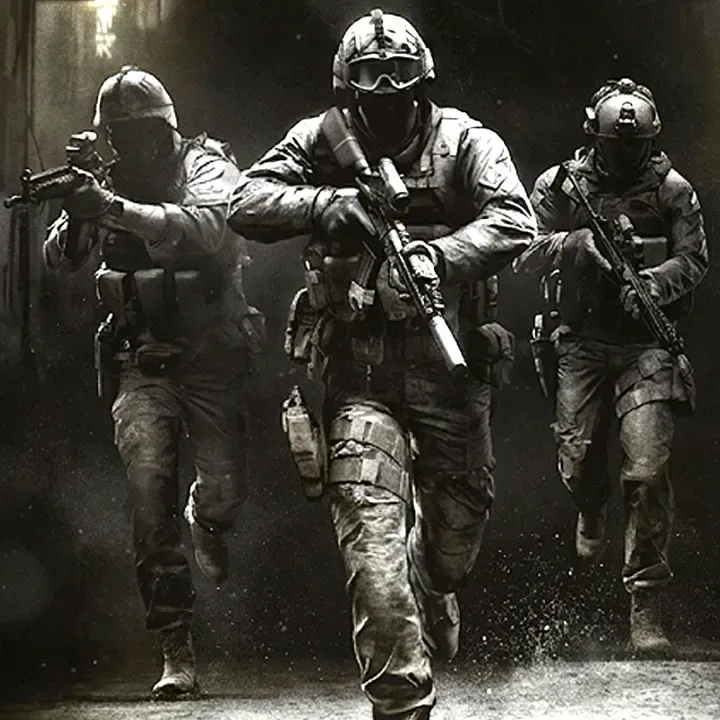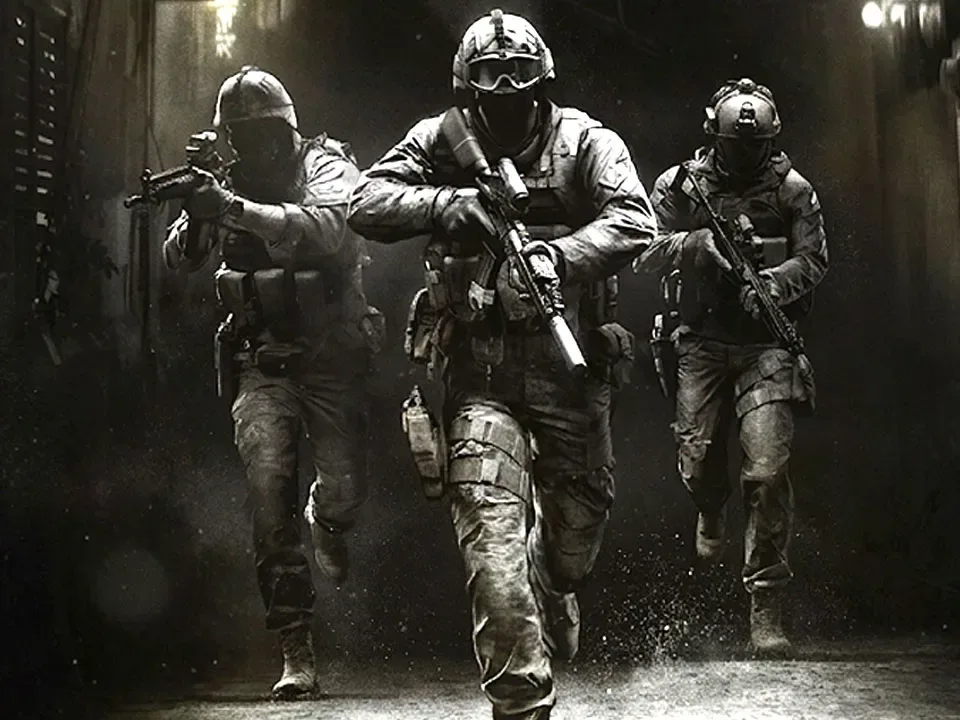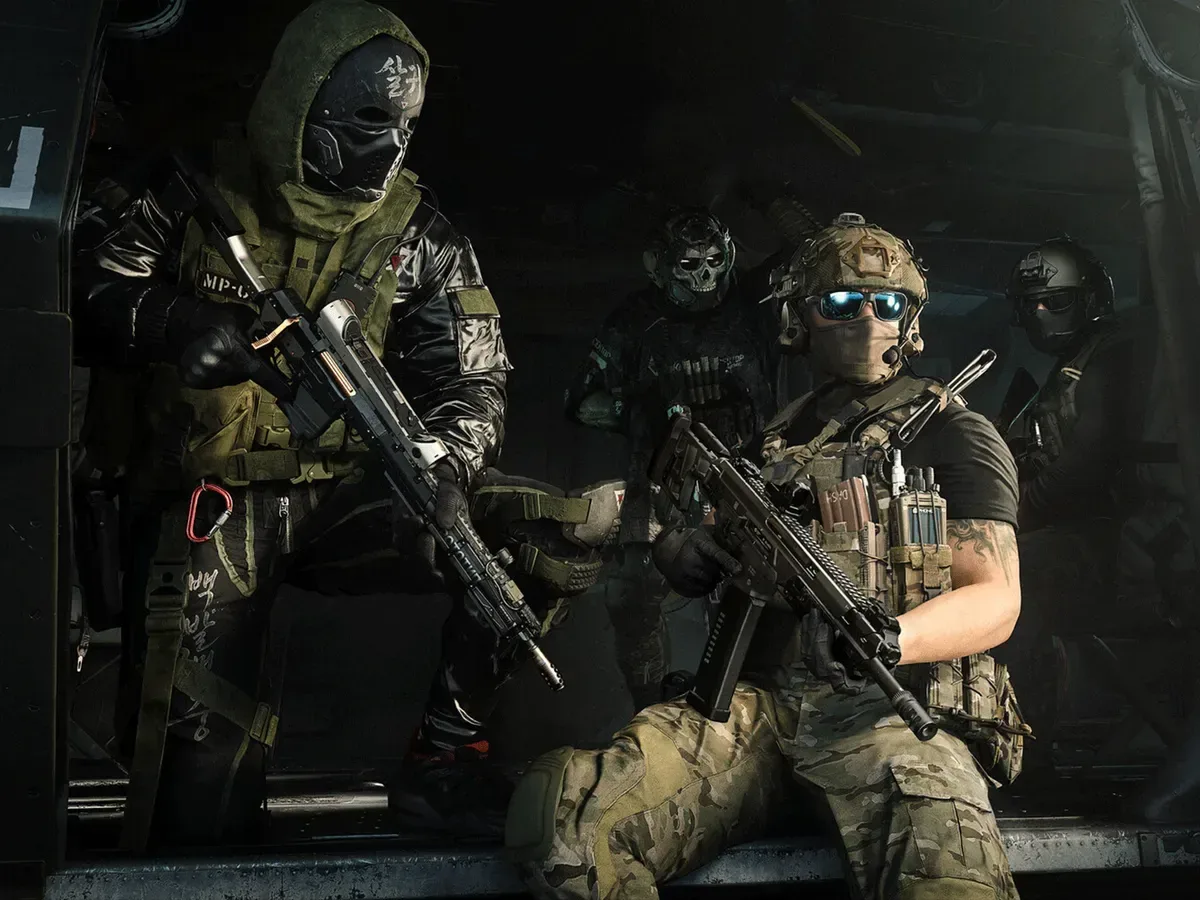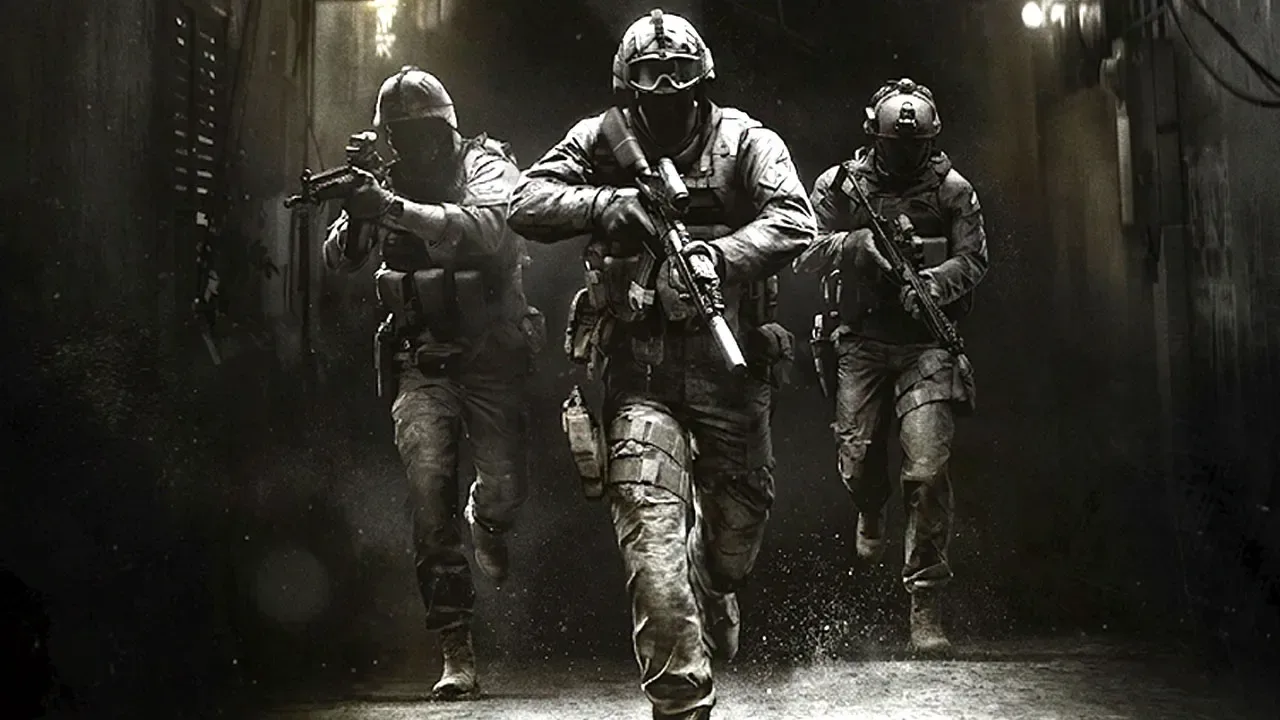
Call of Duty: Modern Warfare 4 is being promoted as the “epic conclusion” to the Modern Warfare saga, a phrase that has set off understandable alarm bells—and a few wry jokes—among players. The wording appeared in promotional copy attached to the game’s latest trailer. It could simply mean the new game brings the current story arc to a climax. It could also point to a more decisive pause or ending for the rebooted Modern Warfare continuity that began in 2019. Right now, there is not enough information to say which interpretation is correct.
That uncertainty is the important part. “Epic conclusion” is not automatically the same thing as “permanent farewell.” Long-running game series routinely use final-sounding language to sell the stakes of a campaign, particularly where a story has accumulated characters, conflicts and unresolved threads across several releases. But Call of Duty’s history gives the phrase more weight than an ordinary trailer superlative. The original Modern Warfare trilogy ended with its third entry in 2011, and the franchise has repeatedly retired, revived and reshaped its marquee labels.
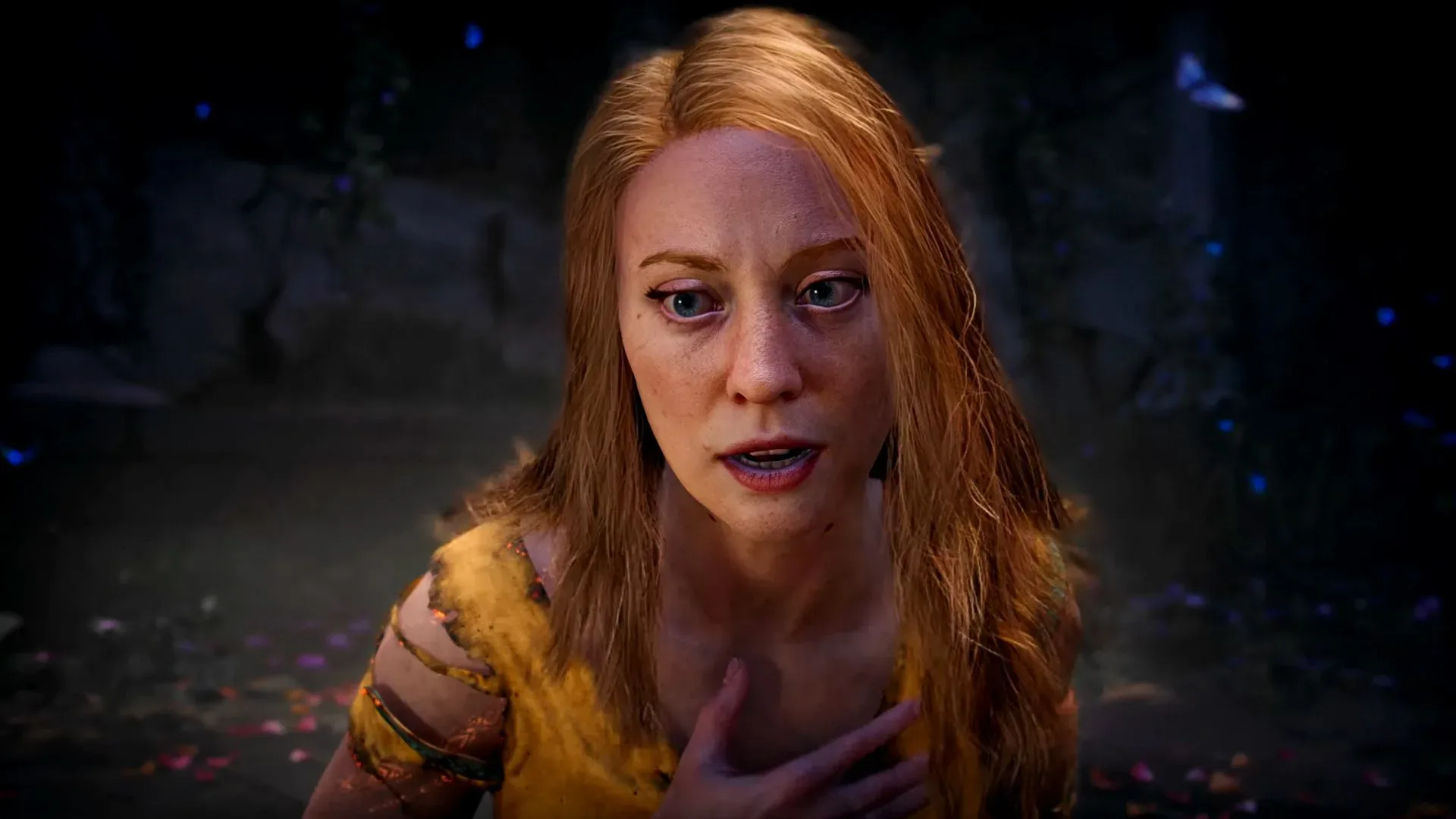
Modern Warfare 4 will arrive on PC and consoles on October 23. It will not be included with Xbox Game Pass at launch. The game also has a confirmed major antagonist: actor Mads Mikkelsen, known to many game players for Death Stranding.
What the wording does—and does not—confirm
The firm fact is narrow: Activision is framing Modern Warfare 4 as an “epic conclusion” for the Modern Warfare saga. The phrase does not, by itself, identify exactly what is concluding.
There are at least two plausible readings. The more limited reading is that this is the endpoint of the current narrative cycle—the rebooted storyline launched by 2019’s Call of Duty: Modern Warfare. Under that scenario, the Modern Warfare name could return later with a fresh cast, a new conflict, or another reworked continuity.
The broader reading is that the publisher intends to step away from the rebooted Modern Warfare banner for a meaningful period. That would be a much larger strategic shift, especially because Modern Warfare has served as one of Call of Duty’s most familiar recurring identities.
Neither possibility should be presented as settled. Promotional language establishes the campaign’s intended sense of scale, not necessarily the company’s entire multi-year release plan. Players waiting for a definitive answer will need one from future game announcements rather than attempting to extract a full roadmap from a trailer caption.
Why Modern Warfare’s possible endpoint feels significant
Modern Warfare is not just another subtitle in the Call of Duty catalogue. The original run concluded after three games in 2011. Ideas for a fourth installment were considered at the time, but the series instead moved to Call of Duty: Ghosts.
Related coverage includes Call of Duty: Modern Warfare 4 Is Being Framed as an 'Epic Conclusion'.
Later, after Ghosts and Infinity Ward’s Infinite Warfare did not land as hoped with fans, the series returned to a more recognizable foundation. The 2019 Modern Warfare reboot is widely credited with restoring momentum after a period in which confidence in the series had weakened. It also helped establish Warzone, the battle royale mode that has remained a major part of Call of Duty’s broader ecosystem.
That background helps explain why a possible conclusion generates more attention than a typical sequel tagline. A sub-franchise is a recurring branch within a larger franchise: in Call of Duty’s case, names such as Modern Warfare and Black Ops give separate runs of games their own themes, casts and expectations while still belonging to the same larger brand. They are useful shorthand for players. Seeing “Modern Warfare” or “Black Ops” on a box or digital store page tells an audience that the game is connected to a familiar lineage.
If Modern Warfare were being shelved rather than merely finishing a chapter, Call of Duty would be giving up a particularly powerful piece of that shorthand—at least temporarily. That does not mean the overall series would lack options. It means the next option would have to earn recognition on its own rather than lean immediately on a title players already know.
Treyarch’s comments make the timing more interesting
The Modern Warfare wording has landed shortly after Treyarch design director Kevin Drew said the studio was prepared to make something new and unlike anything players had experienced before. The comment followed two consecutive Black Ops games, the later of which has been characterized as an underwhelming entry for the series.
It is not confirmation that Black Ops is over. It is, however, enough to fuel speculation that Treyarch could be ready to pause that branch or pursue a new identity. If that happened at the same time that Modern Warfare closed its current arc, Call of Duty could enter a rare period in which its established rotation looks unusually open.
Black Ops has been part of Call of Duty’s release mix since 2010. A simultaneous retreat from both Black Ops and Modern Warfare would therefore be notable not because Call of Duty has never changed, but because those two labels have become its clearest recurring pillars. The franchise has changed course before; the question is whether this moment represents another detour or a larger reset.
There is also an important distinction between a studio’s creative ambition and a confirmed product. Saying a team wants to make something new indicates an aspiration, not a title, setting, launch window or gameplay direction. Fans can reasonably be curious about what comes next, but it is premature to treat a prospective new Treyarch sub-franchise as announced.
Where Sledgehammer fits into the speculation
Questions about Call of Duty’s next phase naturally extend to Sledgehammer Games. Its current project has not been identified here. The studio is therefore another major unknown in any attempt to map the franchise’s future.
Some observers see room for a new sub-franchise, given that Advanced Warfare and the studio’s later World War II games did not establish the same enduring pull as Modern Warfare or Black Ops. That is still inference, not a confirmed direction. A studio can revisit an existing premise, support a shared initiative, or introduce something entirely different. Until a formal reveal, the sensible position is simply that Sledgehammer’s role in the post-Modern Warfare 4 landscape remains unclear.
The broader business challenge is familiar: Call of Duty needs recognizable continuity for an enormous established audience while also avoiding the sense that every annual installment is locked into a shrinking set of inherited ideas. A new banner could create room for new characters and settings. It could also carry the burden of proving why players should care when it lacks the immediate recognition of Modern Warfare or Black Ops.
That tension is not unique to Call of Duty. As discussions around creative risk in big-budget games continue, the value of making space for fresh ideas has become a central industry question. The wider debate over how AAA games can make room for originality provides useful context for why a studio’s desire to build something new draws so much attention.
Fans are already pitching their alternatives
Player reaction has ranged from joking calls to reboot Modern Warfare yet again to earnest pitches for long-dormant follow-ups. Ghosts 2 and Infinite Warfare 2 have both surfaced in fan discussion as potential candidates, with some players arguing that their campaigns deserved another chance.
Those suggestions underline a useful point: “what’s next?” does not necessarily mean “what is brand new?” For some fans, a break from Modern Warfare or Black Ops would be an opportunity to revive a less celebrated Call of Duty branch. For others, it would be the right time for a wholly original setting and name. And for a sizeable group, it may simply mean wanting a strong conclusion to the current story before worrying about the logo on the game that follows.
There is no indication that Ghosts 2 or Infinite Warfare 2 is in development. At this stage, they are fan wishes rather than evidence of future releases. Still, their recurrence in the conversation shows how much unused history the franchise has accumulated over the years.
What players can reasonably expect from Modern Warfare 4
For now, Modern Warfare 4 should be understood first as the next Call of Duty release, not as a confirmed franchise obituary. Its campaign is being positioned around a climactic ending, and Mads Mikkelsen’s role as a major antagonist suggests the story is making a prominent casting play. Beyond that, the exact implications for the Modern Warfare label are unsettled.
Players deciding where or how to play should note the confirmed platform information: PC and consoles are planned, while Xbox Game Pass is not part of the launch offering. That is a practical detail separate from the larger branding discussion, but it matters much more immediately to anyone planning to play on day one.
The October 23 release will likely answer some story questions. It may not answer the long-term franchise question. A story can conclude even as its universe continues; a familiar label can disappear for years and eventually return; and a marketing phrase can turn out to be exactly as literal—or as flexible—as later plans require.
For Call of Duty, that ambiguity is now part of the anticipation. Modern Warfare 4 has been asked to serve as a finale, while the teams behind the wider series are prompting curiosity about what form the next era might take. Until further details are revealed, “epic conclusion” is best treated as a meaningful signal about this chapter, not proof that Call of Duty has permanently closed the book on Modern Warfare.