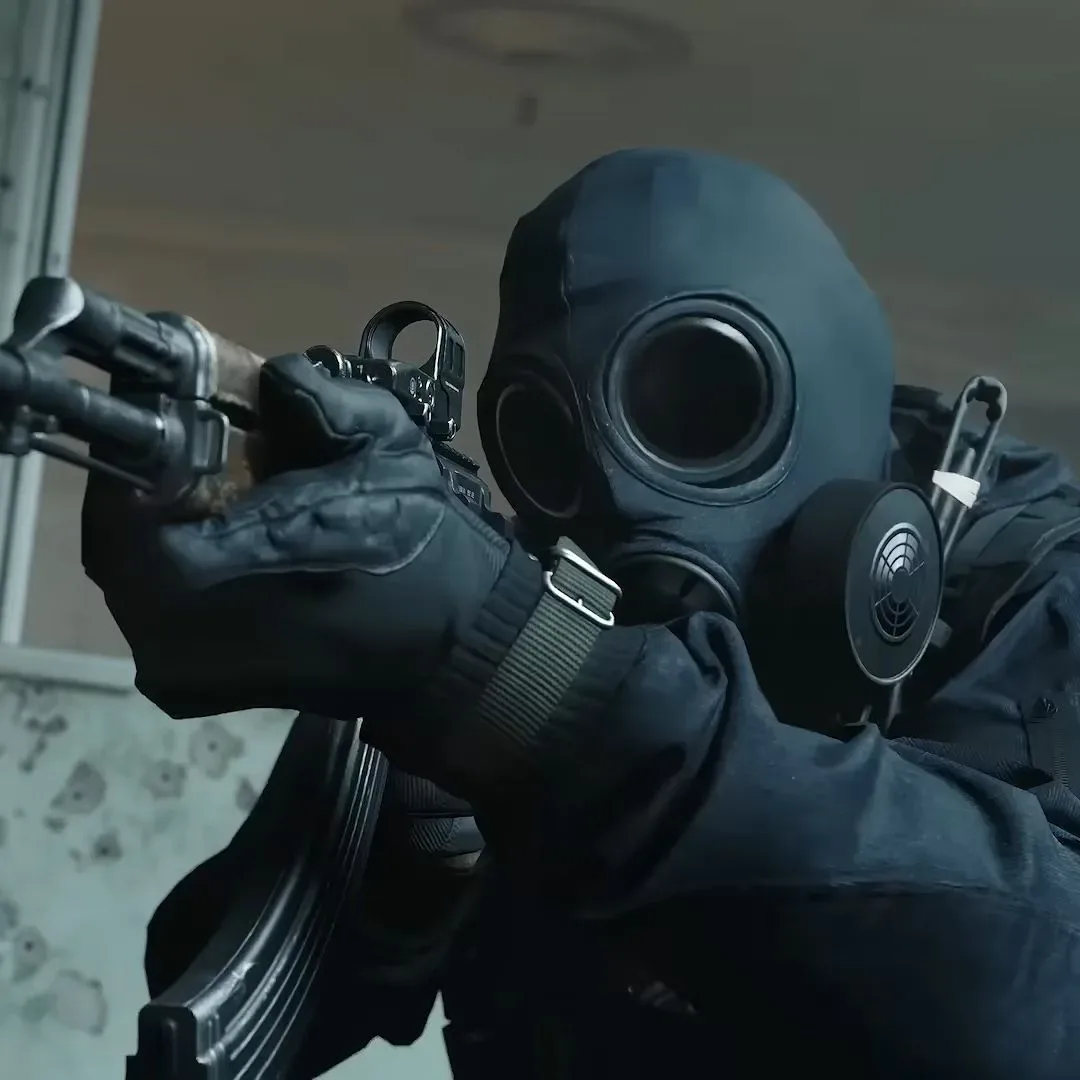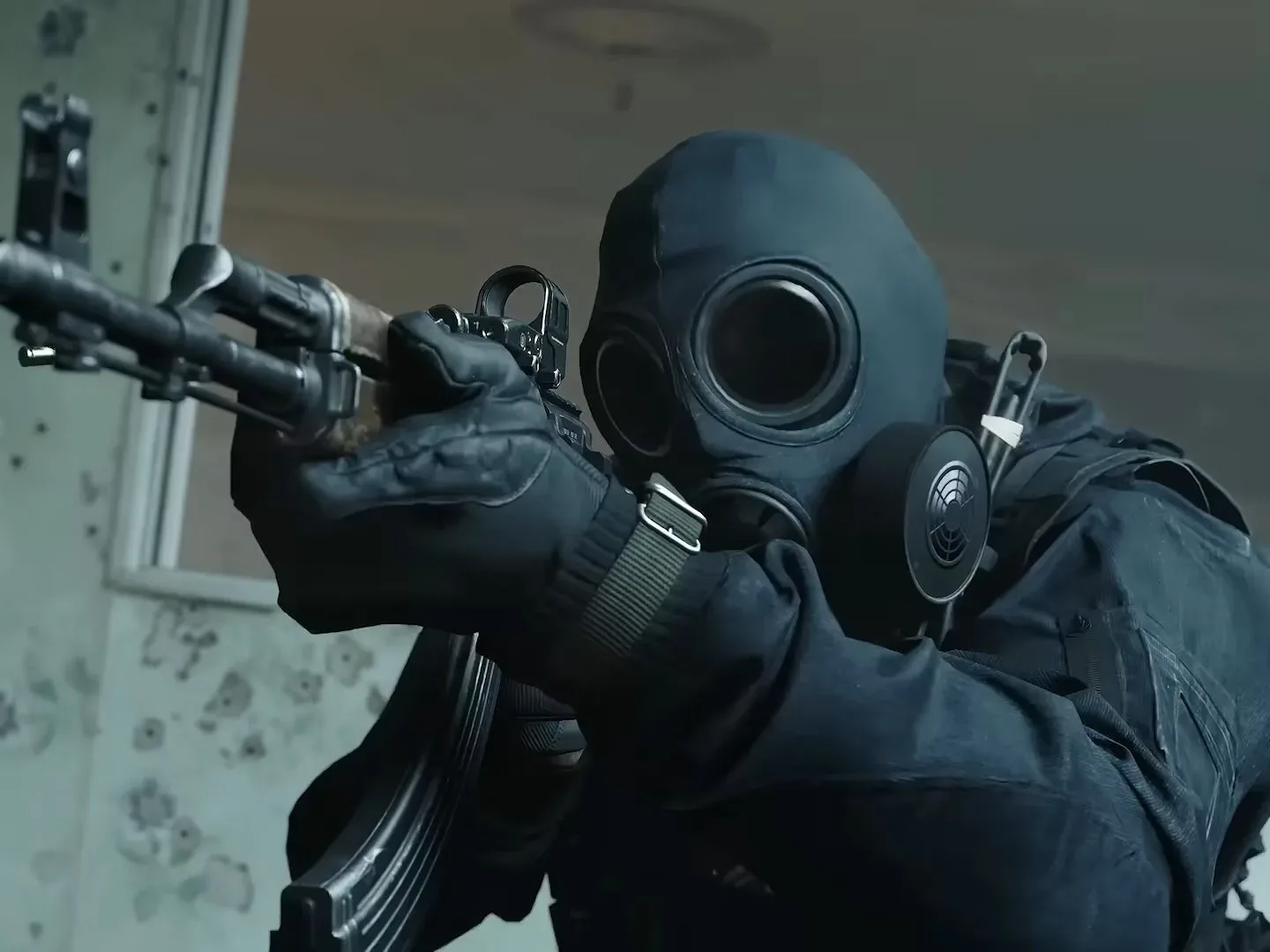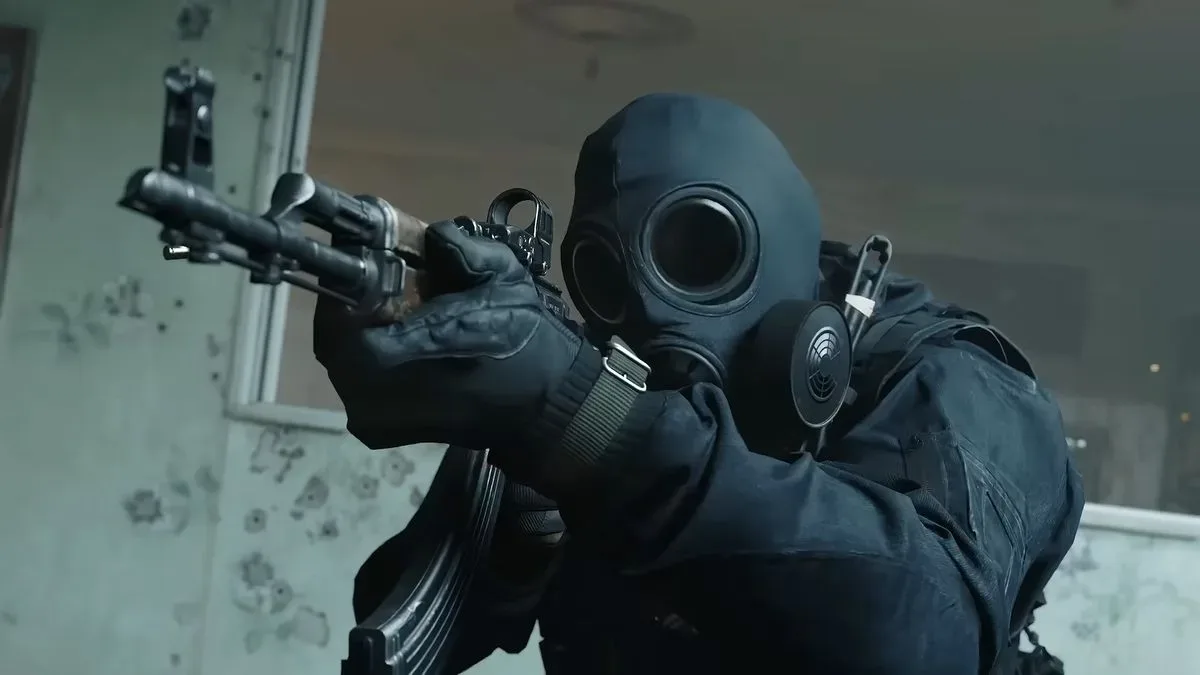
Infinity Ward has tightened the rules around Possum, a contentious perk in Call of Duty: Modern Warfare 4’s DMZ mode, after players used its fake-death premise to spring straight back into the firefights they had just lost.
The perk is intended to give a downed, high-level operator another opportunity to survive. In practice, its most frustrating use was considerably more aggressive: a player could go down, play dead, then get back up quickly enough to eliminate the opposing player or squad that had just won the encounter. The latest change is designed to stop that immediate reversal when the victorious team remains in the area.
“The intention for Possum is to give a high-level operator a second chance. With the current iteration, Possum was being used as a combat mechanic instead of a survival mechanic.”
What has changed for Possum in DMZ
Possum will now be unavailable for activation while the team responsible for the down is nearby. If that team continues to stay around, the restriction lasts until four minutes have passed. The central idea is simple: losing a firefight should not become an instant surprise rematch through the same perk.
That matters because the prior version created a particularly sharp information imbalance. A team that downs an enemy may reasonably believe the immediate threat has been removed, perhaps shifting attention to reviving teammates, reloading, looting, repositioning, or watching another angle. A downed player who can promptly re-enter the encounter can exploit that lowered guard. Possum’s name may suggest a defensive trick, but the complaint was that it had become a reliable way to turn apparent defeat into an offensive ambush.
Infinity Ward’s wording draws a firm distinction between two roles for the perk:
- Survival mechanic: a tool that gives a player a chance to avoid being finished or to remain alive long enough for the danger to pass.
- Combat mechanic: a tool that directly changes the outcome of an active engagement, including by letting a player rapidly resume shooting at the people who just downed them.
The new limitation pushes Possum toward the first category. It does not frame the perk as something that must disappear entirely; rather, it aims to prevent it from immediately reloading a settled fight with a player the winning side thought was no longer able to retaliate.
Why proximity and time are the key parts of the nerf
The adjustment has two components: proximity to the team that made the kill and a four-minute condition when that team lingers. Together, they focus on the exact circumstance that made Possum unpopular: the defeated player returning to the same exchange before it has meaningfully ended.
Related coverage includes Modern Warfare 4 Nerfs DMZ's Possum Perk to Stop Downed Players Rejoining Fights.
A proximity restriction means Possum is no longer simply a button for snapping back into a close-quarters confrontation. That should reduce the odds of a team clearing a player only to be caught by an immediate recovery attack from that same player.
The time element also addresses a potential edge case. In DMZ, the squad that downs an opponent may remain near the site rather than promptly move on. The revised rule therefore does not leave Possum permanently unusable merely because the opposing side keeps occupying the area. After four minutes, the stated restriction can expire even if that team remains nearby.
Four minutes is long enough to separate the new use case from the quick revenge scenario that prompted the change. It also signals that the intended second chance is conditional. Possum may still have value once a player is no longer trying to immediately rejoin the exact battle they lost, but it is no longer meant to erase the opponent’s short-term advantage from winning that battle.
A response to a DMZ-specific friction point
Modern Warfare 4 has placed substantial emphasis on DMZ, and Possum has become one of the mode’s notable community flashpoints. The perk change follows another early adjustment aimed at a different DMZ concern: players monopolizing UAV towers.
Those two issues are distinct, but both concern how a shared mode can feel when one tactic grants disproportionate control. UAV towers relate to persistent battlefield information and access to a useful map resource. Possum concerns the reliability of a successful takedown and the pace at which a defeated player can become dangerous again. In each case, the developer has moved against a pattern that players viewed as undermining a more even contest.
For squads, the practical implication is that a down should carry more dependable short-term value than it did under the prior Possum behavior. That does not mean every fight is automatically safe after a player is downed: DMZ still demands awareness, positioning, and coordination. But the perk’s revised rules should make the immediate aftermath less vulnerable to a player using a fake death as a direct launch point for retaliation.
How the patch could reshape player decisions
Players who selected Possum for its fast counterattack potential will have to treat it differently. The perk cannot be relied upon to create a sudden comeback while the squad that eliminated them is still close enough to be part of the same confrontation. Its usefulness instead depends more on the aftermath: whether the opposing squad moves away, whether the situation changes, and whether the player can make use of a delayed chance to survive.
For the team that secures the down, the update may reduce uncertainty during the first moments after a victory. A game built around extraction-style stakes naturally makes the consequences of a fight important. If a downed opponent can immediately reappear as an attacker, winning the initial exchange may feel less consequential than expected. Blocking Possum nearby restores more clarity to that exchange without eliminating the perk’s broader purpose.
There is still a trade-off embedded in the four-minute rule. A squad that remains around a downed player’s location cannot assume Possum is suppressed forever. Once that window passes, the player may again have an opening. That preserves tension for drawn-out situations while ensuring the perk cannot be used as a near-instant reversal tool.
Infinity Ward is leaving room for further tuning
The adjustment is not being presented as the final word on Possum. Infinity Ward said it will monitor the perk after the change to see whether it produces the desired result. The developer also indicated that the relevant range and duration can be adjusted later.
That is important because the effectiveness of this type of restriction depends on details that are not static. If the protected area is too small, a player may still be able to use Possum close enough to rapidly resume the encounter. If it is too large, the perk could feel overly constrained in situations where it is genuinely serving its survival purpose. Likewise, the four-minute limit establishes a clear boundary now, but the developer has reserved the option to revisit it if player behavior shows that the boundary is too forgiving or too severe.
The phrasing also makes the goal easy to evaluate. The update is meant to prevent players from getting right back into a fight they have just lost. The relevant question after the patch is therefore not whether Possum remains powerful in every circumstance, but whether it stops functioning as a rapid revenge mechanism at the scene of a down.
Live-service balance changes often work best when they identify a specific behavior rather than merely reducing a perk’s power across the board. Here, Infinity Ward has identified the behavior plainly: Possum should provide a second chance at survival, not a shortcut to restarting the same gunfight with a surprise advantage. That narrow focus gives the perk a continued place in DMZ while attempting to remove the part of its old operation that generated the strongest backlash.
The change also arrives within the wider reality of games that continue to evolve after release, where developers adjust systems in response to how communities actually use them. That ongoing process is central to the industry’s long-term game plans, a topic also visible in recent discussion of a possible Destiny return and a “forever” future. In Modern Warfare 4’s case, the immediate focus is more specific: making a fake-death perk feel like a survival option rather than an invitation to punish the people who just won the fight.