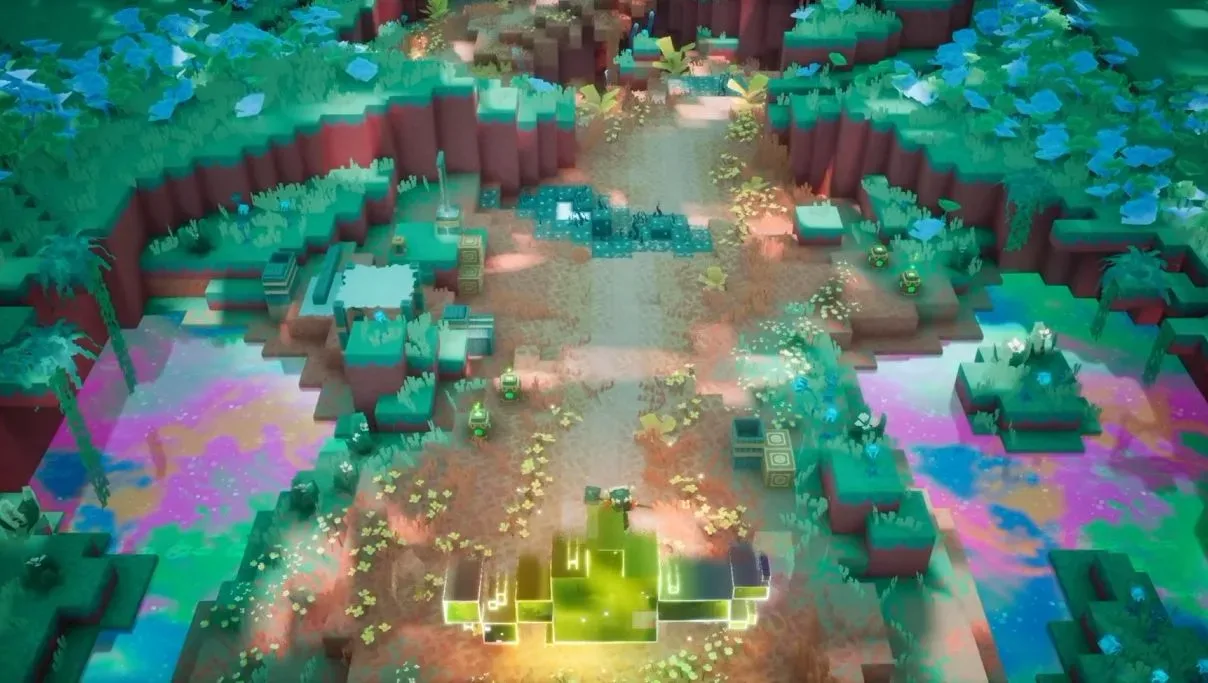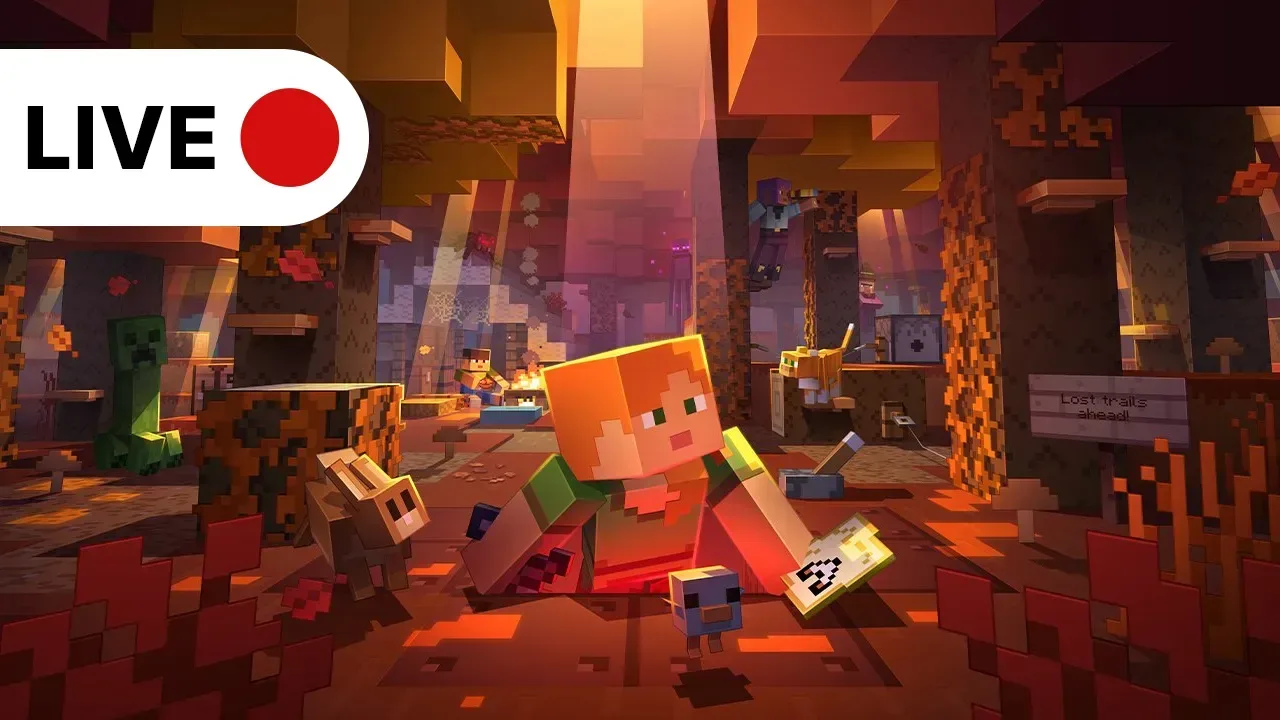
Minecraft is lining up one of its most consequential additions in years: The Sift, a new dimension planned for both Java and Bedrock editions of the main game. It will be the first wholly new realm added to Minecraft since The End arrived in 2011, following the Nether’s introduction in 2010. That is a long gap in a game whose three existing dimensions have shaped everything from exploration routes to resource gathering and endgame goals.
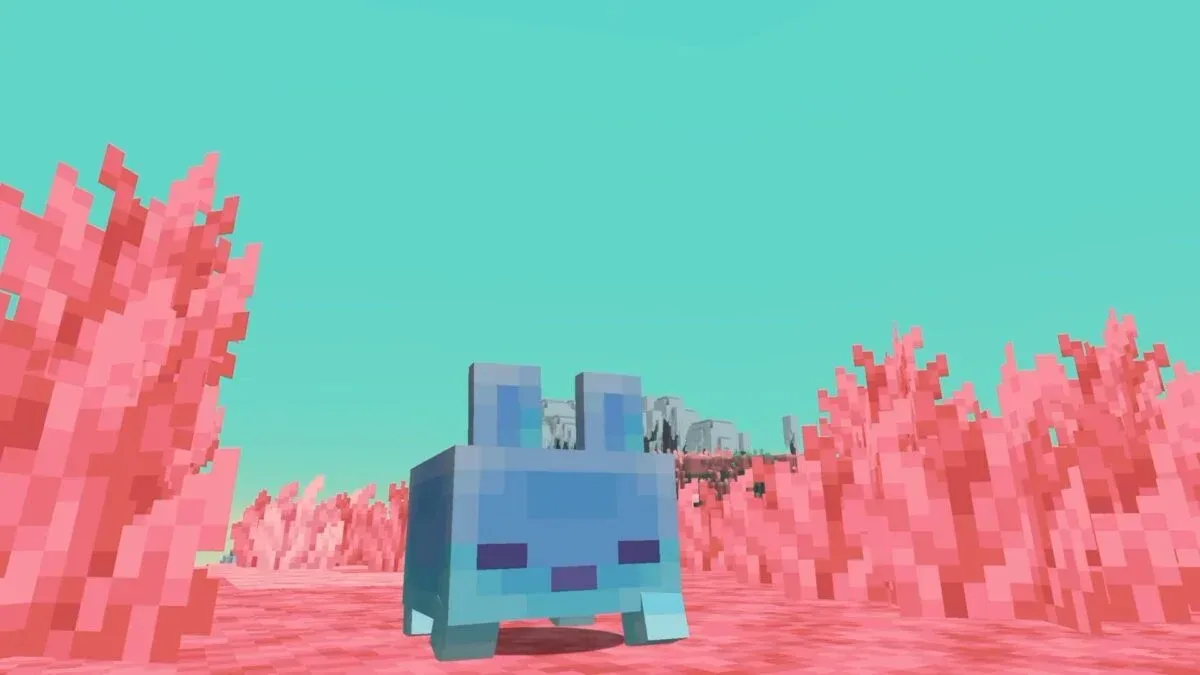
The Sift remains lightly detailed for now, which makes it important to separate what is known from what players may reasonably speculate about. It will have its own biomes and mobs, and blue rabbits are among the creatures shown or discussed. It is also set to feature in Minecraft Dungeons II before it reaches the core sandbox game. But its resources, access method, hazards, progression systems and exact release date for Java and Bedrock have not yet been outlined. The main-game arrival is planned for next year.
That limited information is still enough to make The Sift the headline item. Minecraft dimensions are not merely new map regions. A dimension is a separate world space with its own environment, inhabitants and ruleset possibilities. The Overworld is the familiar survival and building space; the Nether and The End brought distinct materials, enemies and reasons to travel beyond it. A new dimension therefore has the potential to alter the broader loop of exploring, building, fighting and crafting—although the specific changes The Sift will bring remain to be seen.
The Sift carries unusual weight after a 15-year wait
The significance of The Sift comes as much from its place in Minecraft’s history as from the few details currently available. The Nether and The End have been Minecraft’s only other dedicated dimensions for roughly a decade and a half. Players have received major biome, creature, block and system additions during that time, but a new realm is a different category of expansion.
Biomes are regional environments within a world, distinguished by terrain, climate, materials and often creature spawns. Dimensions sit above that level: they can hold several biomes while providing a broader identity of their own. That distinction matters when interpreting the announcement. The newly revealed ice caves, for instance, sound like a meaningful Overworld biome addition. The Sift is a new place altogether.
For builders, the promise is immediately aesthetic: fresh terrain, blocks, lighting and creatures can produce new architectural palettes. For survival-oriented players, the unanswered questions are more practical. Will The Sift introduce materials required for new recipes? Will it offer alternate ways to find existing resources? Will its mobs create a new combat challenge? Will travel there depend on a constructed portal, an existing structure or something else? None of those points has been confirmed, so players should resist treating possible theories as features.
There is, however, a useful precedent in the way earlier dimensions became part of Minecraft’s wider ecosystem. Their ingredients and environmental identity have mattered well beyond their borders. If The Sift follows that pattern, its impact could be felt in ordinary Overworld bases and in players’ long-term project planning. If it is more self-contained, it may function primarily as a destination for discovery and adventure. The eventual details will determine which direction it takes.
Minecraft Dungeons II arrives first with a more exploratory structure
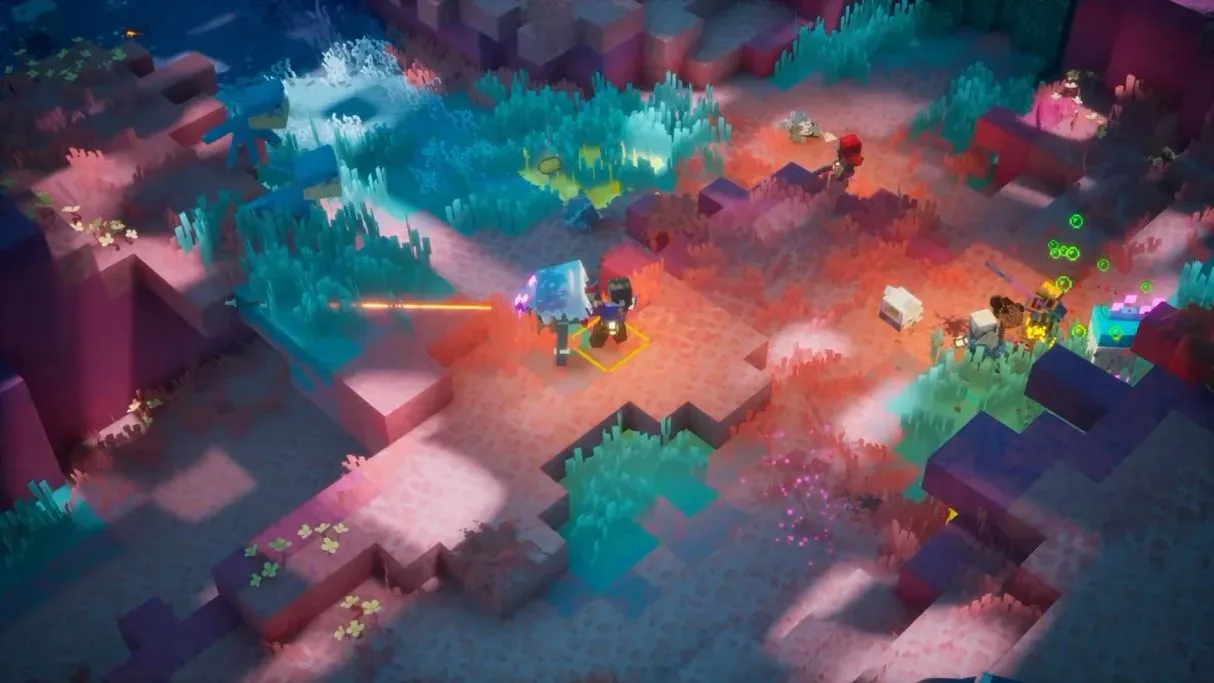
Before The Sift comes to the sandbox game, it will appear in Minecraft Dungeons II, which is due September 29. The sequel retains the isometric, co-op-focused hack-and-slash foundation of the first Dungeons while making several structural and equipment changes.
Related coverage includes Minecraft’s The Sift Marks Its First New Dimension Since The End.
An isometric game presents the world from an elevated angled viewpoint rather than the first-person perspective used by Minecraft proper. A hack-and-slash game places a greater emphasis on direct action combat, loot and abilities than on block-by-block construction. Dungeons II is therefore a separate kind of Minecraft experience, even where it shares settings, creatures and visual language with the main game.
The sequel’s story is themed around the Deep Dark and Ancient Cities, with the Warden part of that ominous territory. Its levels will be larger and interconnected, with an intended focus on exploration and route choice instead of a more strictly mission-select structure from an over-map. That could make movement through an area feel less like choosing isolated jobs and more like charting a path through linked spaces.
Jumping is another new player ability. It sounds elementary, but movement options can strongly affect action-game combat and traversal: a jump can help players cross gaps, reposition around dangers or approach vertical spaces differently. What it does not establish, at least yet, is exactly how platforming, enemy attacks or level design will make use of the new move.
Equipment is being expanded as well. Armor will be divided into four familiar pieces, while talismans will provide passive effects. A passive effect is a bonus that applies automatically rather than a power that must be manually activated. This could make build decisions more granular, letting a player consider individual armor slots and background bonuses separately. Specific talismans and their effects have not been detailed.
The Sift’s early place in Dungeons II creates an interesting connection between the games. It does not mean the sequel will reveal every feature planned for the main Minecraft update, nor does it prove that systems will transfer directly between them. The two games have different genres and mechanics. Still, it gives players a chance to encounter the setting in an action-RPG context before it becomes part of the Java and Bedrock sandbox worlds.
Ice caves bring a rare underground cold-biome variant
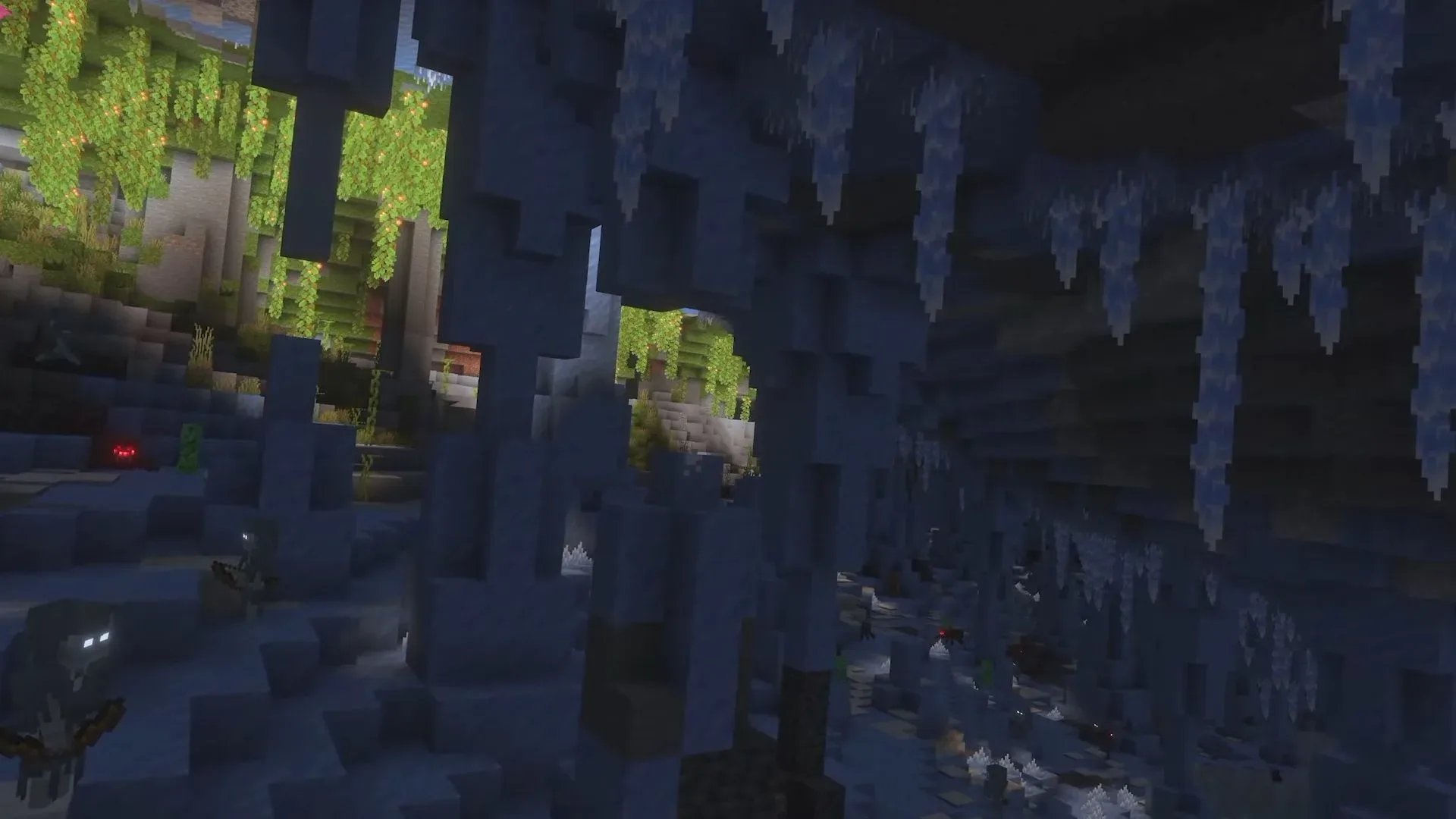
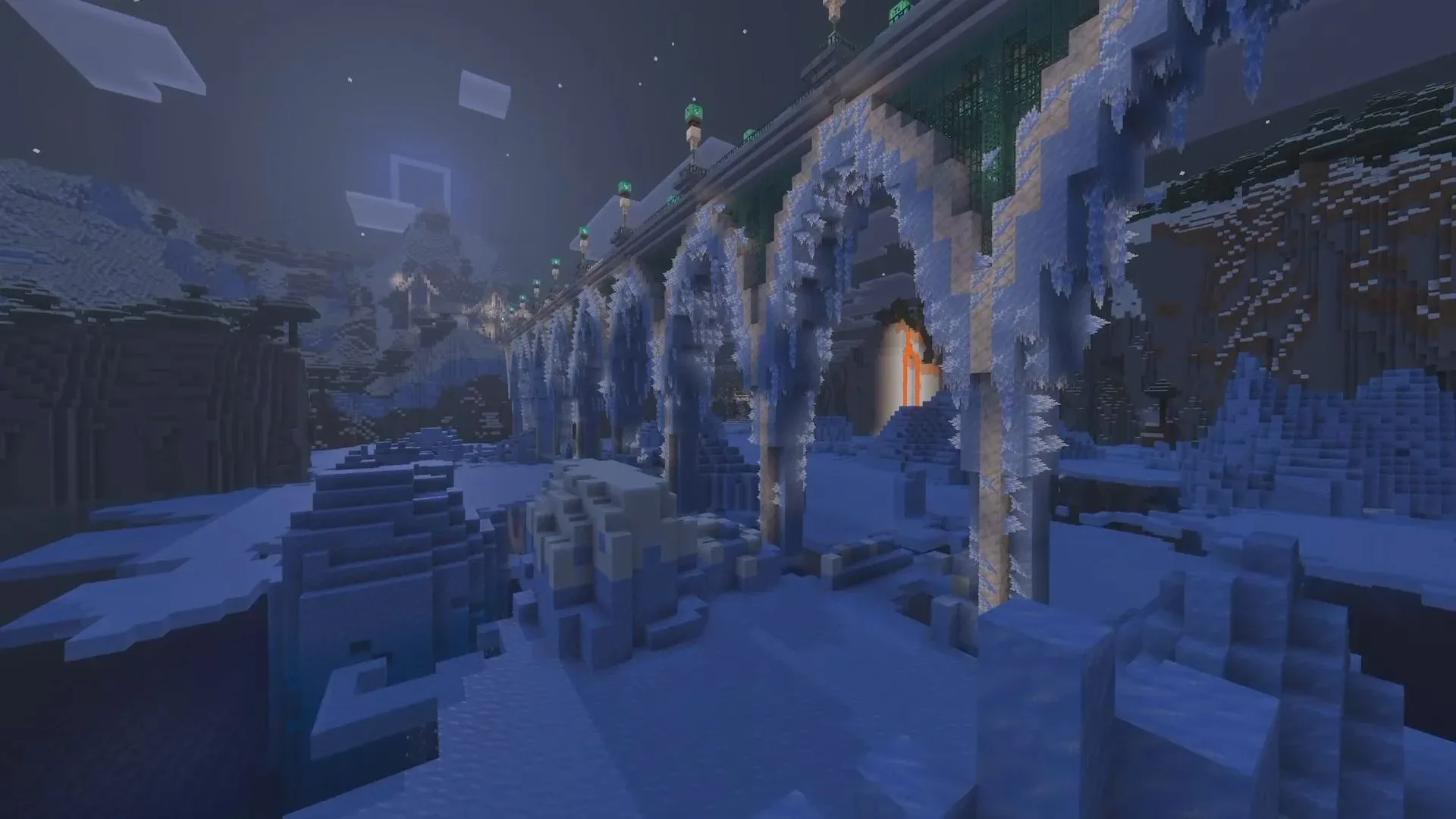
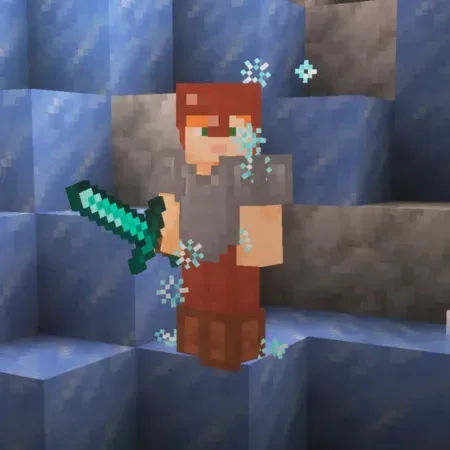
The more immediate main-game addition is a new underground ice-cave biome, described as a rare extension of Minecraft’s cold biomes. The caves are intended to be rich in ore and to provide a ready source of ice, giving them practical value beyond their visual identity.
Their standout threats are frozen zombies. These hostile mobs throw ice balls, and repeated melee hits can freeze the player. Ice balls are not solely an enemy tool: players will be able to throw them as well, including at other players, and use them to craft freezing potions. The exact effects and duration of those potions have not been specified.
Glowing ice crystals will add another layer to the caves. They can be used decoratively and serve as a light source when needed. In a game where underground expeditions often combine mining with navigation and risk management, any new lighting object is likely to interest both practical builders and players looking to give subterranean projects a different atmosphere.
Experienced survival players will also spot the beginnings of a mob-farming question. The available information says a normal zombie can become a frozen zombie when exposed to powdered snow. In Minecraft terms, a farm generally means a deliberately designed setup used to produce a renewable resource or control a creature spawn. That revelation points to the possibility of players designing frozen-zombie farms for ice balls or related drops, but no complete farm design, drop rules or efficiency details have been confirmed. For now, it is best understood as a potential player experiment rather than an established strategy.
Creation tools and sound packs broaden the platform side
Alongside gameplay additions, Minecraft is planning changes intended to make player-created content more capable and more accessible for newcomers as well as professional creators. The announcement did not spell out the final toolset or workflow, so the practical limits of these changes are unknown. Still, the focus is notable: Minecraft’s appeal has always extended beyond playing pre-made worlds into making maps, systems and experiences for others.
New sound-effects packs are also due on the Marketplace later this year. These packs will let players change how the base game sounds or incorporate altered audio into their own creations. Sound effects can be a substantial part of a world’s identity, affecting ambience, feedback and the character of a custom adventure without changing its geometry or core mechanics.
The Marketplace reference is significant because it distinguishes these sound packs from a blanket game-wide audio update. No pricing was provided, and players should wait for individual pack listings and compatibility details before assuming what will be included or how they will be sold.
Switch 2 version lands October 27
Minecraft is also coming to Nintendo Switch 2 on October 27. The version is set to feature visual improvements closer to the presentation available on Xbox and PlayStation 5. Beyond that broad graphics comparison, details on technical settings, feature parity, transfer options and performance have not been provided.
For players considering the move, the key issue will be what the final version supports rather than simply the fact that it exists. Bedrock compatibility, account use, worlds and marketplace purchases are all areas where official platform-specific information will matter once available. Those weighing a new Nintendo hardware purchase can also approach its practical side with the same caution used for any game-system transaction; this first-day return-window test plan for Nintendo games offers a useful reminder to test purchases promptly while return options are open.
There was also an update on a Minecraft-themed area and hotel planned for Chessington World of Adventures in the United Kingdom. It is a smaller piece of news beside a new in-game dimension, but it underlines how the franchise continues to expand beyond software.
What players can plan for—and what remains unknown
There are clear near-term developments: Dungeons II on September 29, Switch 2 Minecraft on October 27, sound packs later this year, and ice caves on the way. The Sift is the larger long-range development, but it is also the least fully explained.
- Confirmed: The Sift is coming to Java and Bedrock Minecraft next year and includes its own biomes and mobs; blue rabbits are part of its revealed identity.
- Confirmed: The Sift will appear in Minecraft Dungeons II ahead of its main-game debut.
- Confirmed: Ice caves are rare underground cold-biome additions with ore, ice, glowing crystals and frozen zombies.
- Unconfirmed: The Sift’s entry method, materials, loot, combat systems, progression role and precise release date.
- Unconfirmed: Detailed Switch 2 performance and platform-support specifics.
That leaves Minecraft players with an unusually substantial roadmap without enough detail to fully map the consequences. The ice caves appear ready to add a fresh underground expedition target and some new combat toys. Dungeons II is taking a recognizable formula in a more open, interconnected direction. The Sift, meanwhile, is the big unknown: a new place in Minecraft’s cosmology after 15 years, carrying the kind of potential that will only become concrete once its rules, resources and risks are properly revealed.