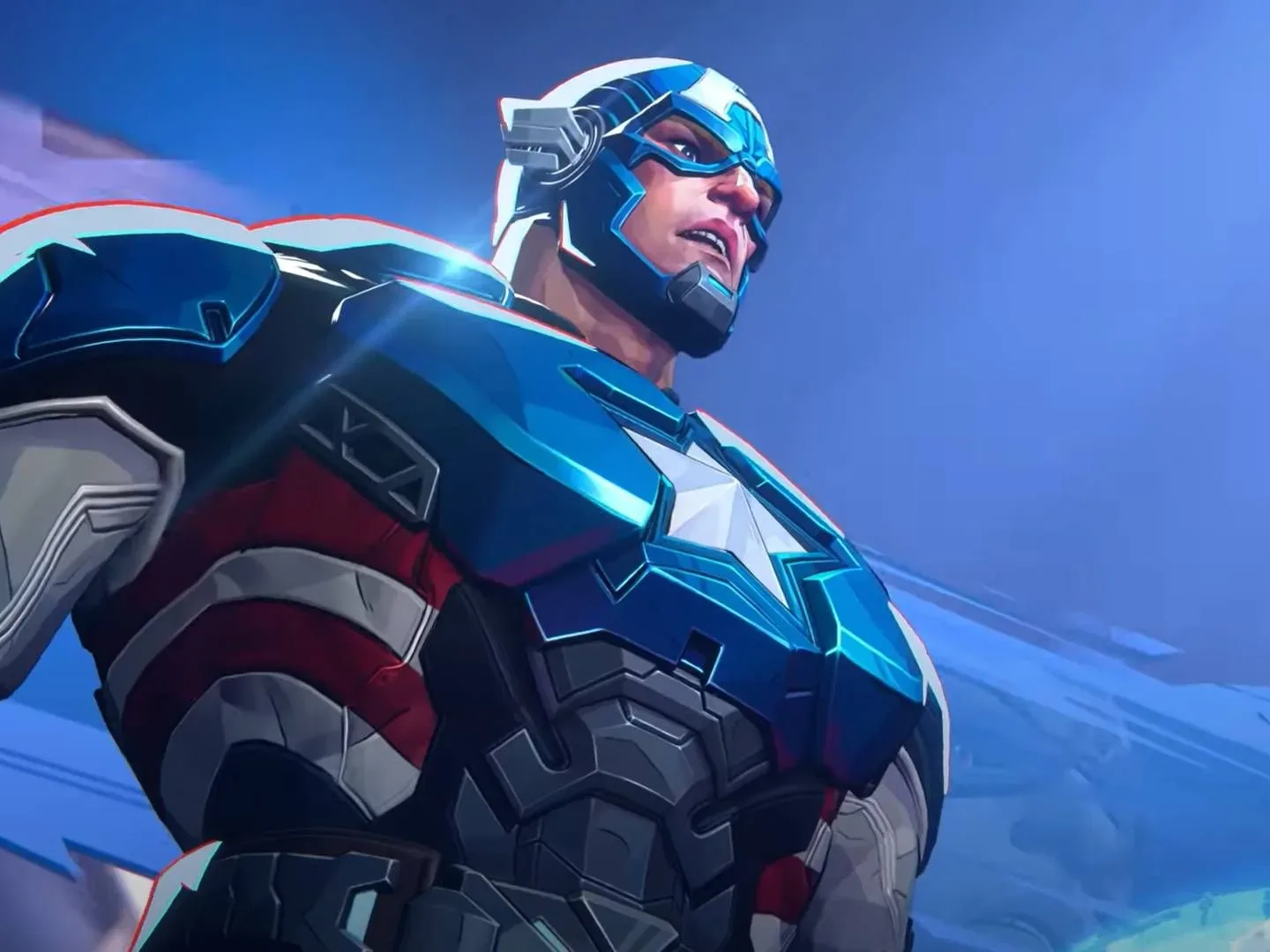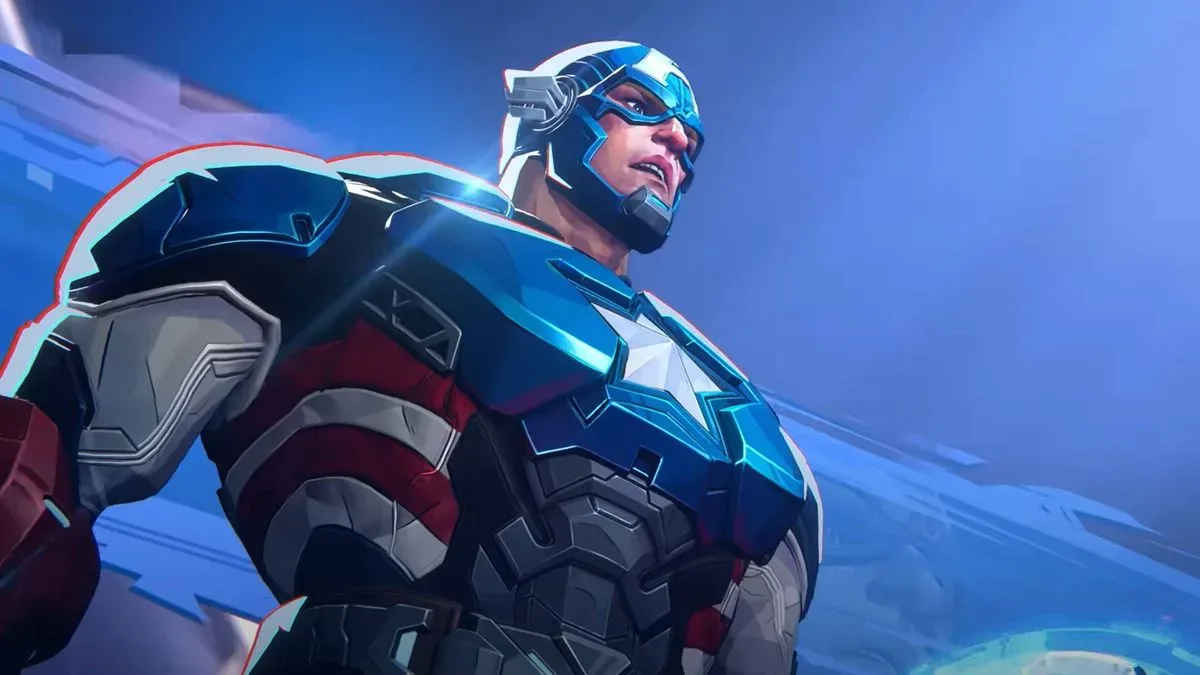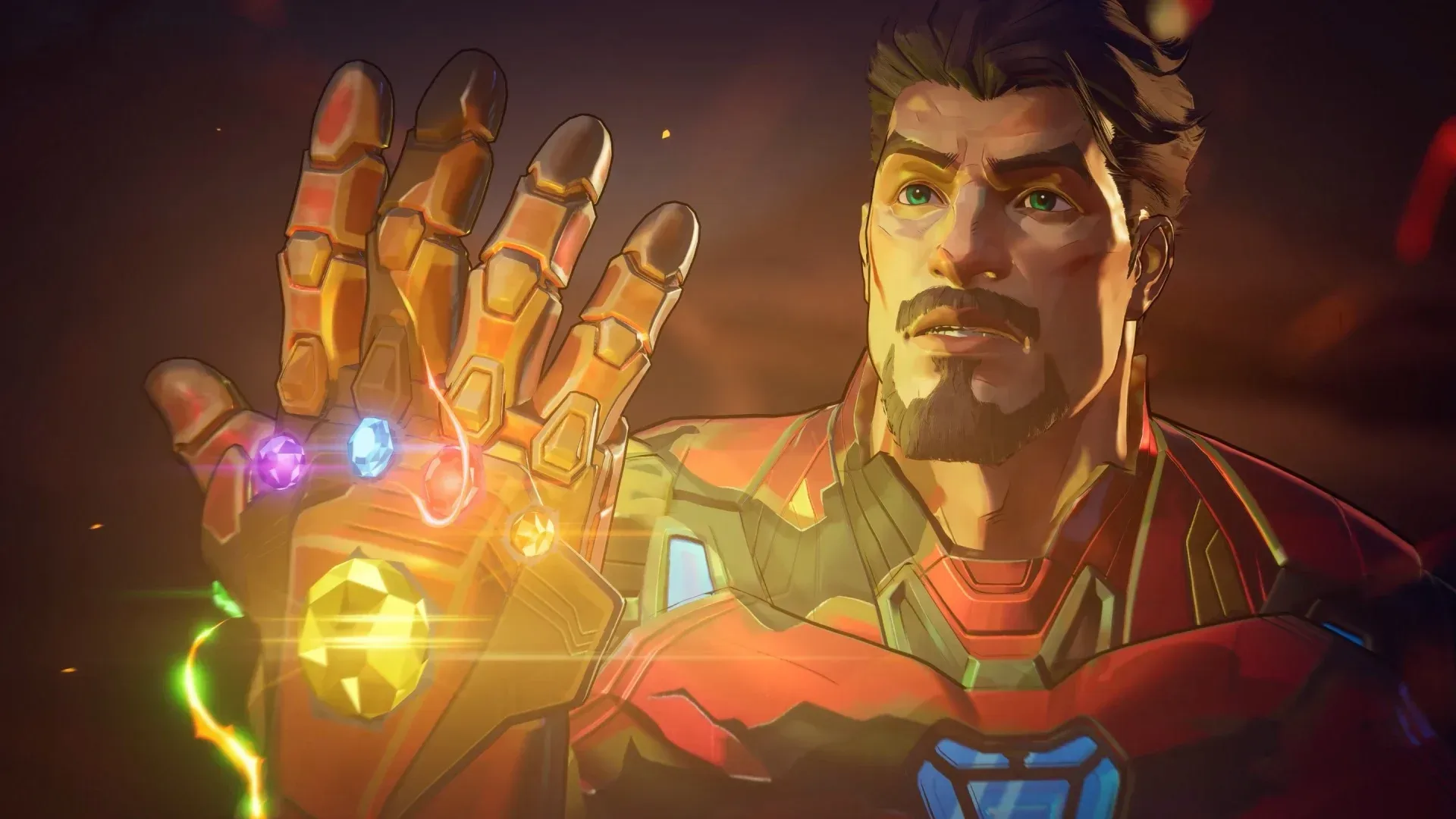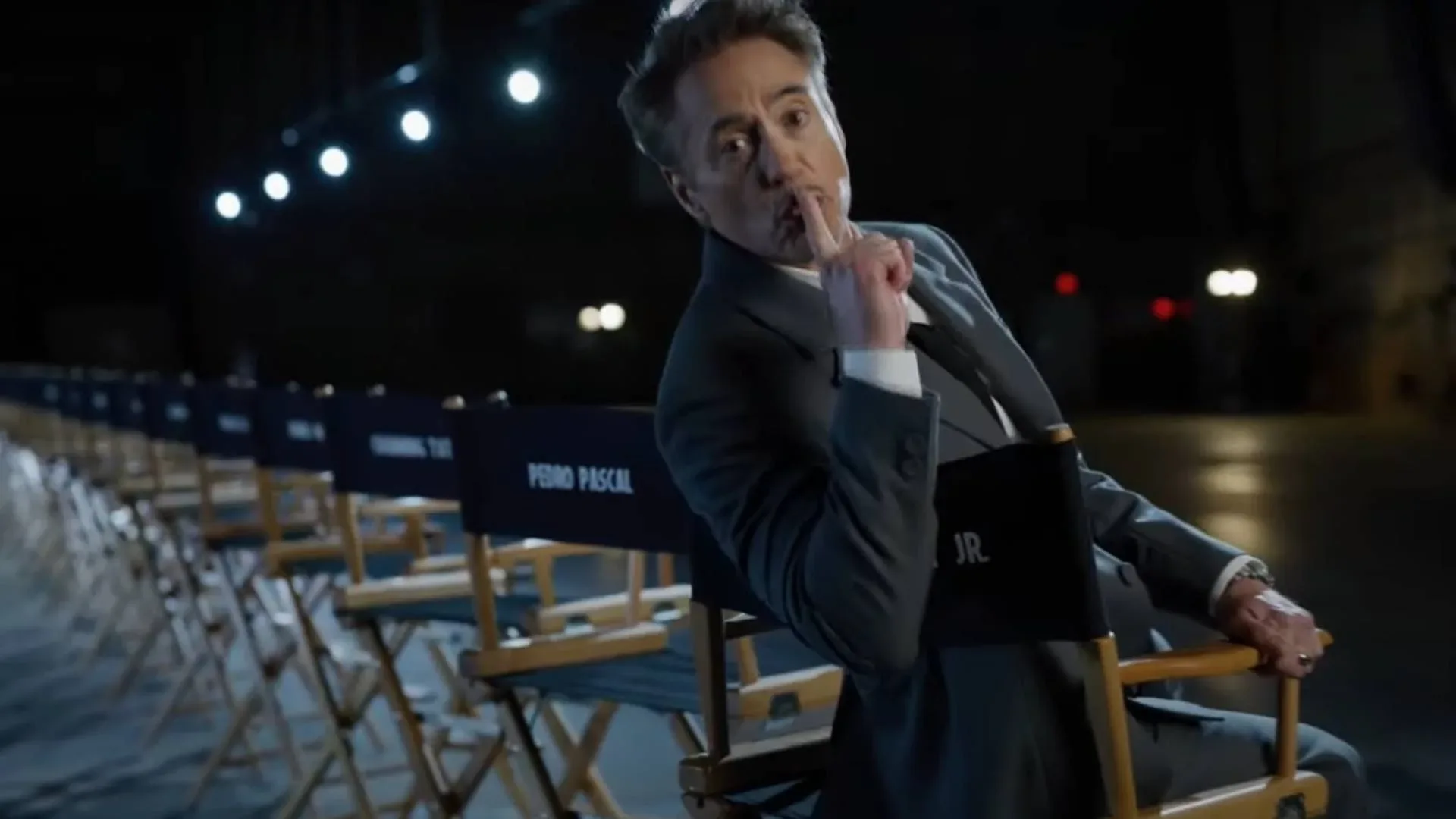
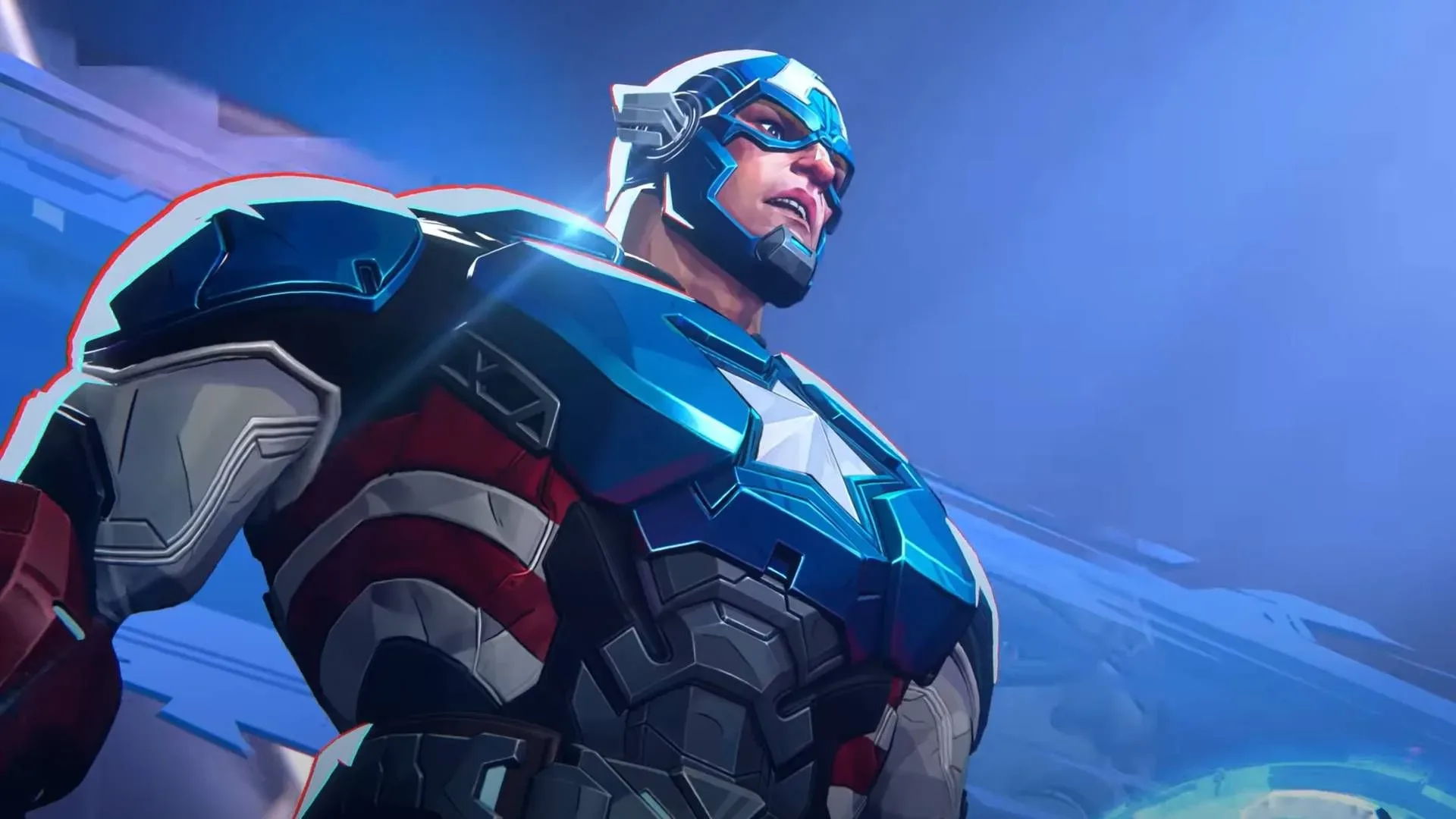
Marvel Rivals is extending its Season 11: Doomsday campaign beyond the usual rhythm of heroes, cosmetics, events and balance changes. The team-up is with South Korean boy group ATEEZ, and its announced result is a song titled “Doomsday”, due to arrive on December 4.
The collaboration specifically references ATEEZ members Seonghwa, Yunho and Yeosang. Its promotional framing is deliberately theatrical and cosmic: a glitched curtain, a stage under threat and the group joining Marvel Rivals amid interdimensional chaos. That is a natural thematic match for a season called Doomsday, even if the available details establish a music release rather than a confirmed list of in-game content tied to the performers.
That distinction matters. A crossover can mean many things in a live-service game: a soundtrack contribution, promotional video, cosmetic set, limited-time mode, event rewards or some combination of those. For now, “Doomsday” is the concrete, named element. Players should avoid assuming that the collaboration automatically confirms ATEEZ-themed outfits, playable appearances, a new mode or any particular reward structure until Marvel Rivals details those elements directly.
A music collaboration built around Season 11
Season 11: Doomsday is the current Marvel Rivals season, and it brings Nightcrawler and Dracula into the playable-hero lineup. It also includes new events, cosmetics and balance adjustments. In a hero shooter, balance adjustments are changes intended to alter how effective characters are in competitive matches, usually through modifications to abilities, damage, survivability or related mechanics. They are a routine but consequential part of an ongoing game, because they can reshape which characters players choose and how teams approach fights.
The ATEEZ release sits alongside those gameplay-facing updates rather than replacing them. That is a useful way to read the announcement: it is a seasonal promotional layer, designed to give the Doomsday theme a musical identity while the game continues to add and tune playable content.
The title also connects Marvel Rivals’ season branding with the broader Avengers: Doomsday campaign. The film is scheduled to open on December 18, making the December 4 song release a lead-in to that larger Marvel moment. The shared word “Doomsday” gives the game, track and film an obvious common hook, though it should not be taken as proof that the song reveals film story details or that the game will contain plot information from the movie.
What is known about the track
“Doomsday” is described as a song from the Marvel Rivals and ATEEZ collaboration, with Seonghwa, Yunho and Yeosang named in the crossover messaging. Marvel Rivals executive producer Danny Koo also indicated that he co-wrote the track with Lucy, characterizing it in a deliberately playful way as his “most thirsty” song.
In this context, “thirsty” is internet slang for overtly flirtatious or sexually charged presentation. The phrase fits the cheeky tone Marvel Rivals has sometimes cultivated around its cosmetic designs. It is not, by itself, a technical description of the song’s genre, lyrics, performance credits beyond the stated co-writing note, or content rating. No such specifics have been confirmed in the available information.
Related coverage includes Marvel Rivals teams up with ATEEZ for a December 4 ‘Doomsday’ song.
There is likewise no stated price, streaming destination, music-video plan, track length or claim that the release will be available inside the game. The safe expectation is simply that “Doomsday” is scheduled for December 4 and is associated with the ongoing season. Anything more specific remains unconfirmed.
Why the Overwatch comparison will follow this announcement
The collaboration will inevitably invite comparisons with Overwatch, another hero shooter that has previously worked with South Korean girl group Le Sserafim. Marvel Rivals and Overwatch have been compared since Marvel Rivals launched two years ago, largely because both are team-based shooters built around distinct heroes and ongoing updates.
A hero shooter is a multiplayer shooter where players select from a roster of characters whose unique abilities, roles and movement options shape the match. That differs from a shooter in which every player starts from nearly identical tools. The format makes personality, character fantasy and cosmetic presentation unusually important. A crossover song therefore does more than advertise a season: it can reinforce a game’s visual tone and invite an audience that may not otherwise be following patch notes or roster additions.
The presence of music collaborations in two competing games does not mean one specific feature is being copied wholesale. It does, however, show how the genre’s seasonal marketing has expanded beyond trailers and character reveals. In a crowded live-service environment, a song can create a shareable moment around a patch cycle without needing to change match rules. It can also give fans a cultural point of entry that is separate from competitive skill or familiarity with Marvel characters.
That strategy has practical limits. A musical promotion is memorable only if players can understand what it represents. A clear release date and title help, as do the direct links to Season 11 and the Avengers: Doomsday window. But the campaign will still need additional official detail if it includes game-specific items or activities. Until then, the release should be treated as a music collaboration first, not a roadmap for unlocks.
What Marvel Rivals players should watch for next
The immediate date to note is December 4. Fans interested in the seasonal theme can look for the release of “Doomsday” and any accompanying official material that clarifies its presentation. Since the announcement names ATEEZ members and frames the collaboration as a union between the group and Marvel Rivals, further creative assets are plausible, but not confirmed.
For players focused on matches rather than music, Season 11’s more direct gameplay implications remain Nightcrawler, Dracula, events and balance changes. New heroes are especially relevant in a hero shooter because they can introduce new team-composition options and new counterplay questions. “Counterplay” means the tools and decisions opponents can use to respond to a character’s strengths. Exact implications for Nightcrawler and Dracula depend on the details of their kits and any subsequent balancing, so it is better not to infer their competitive position from the collaboration itself.
The wider lesson is that Marvel Rivals is treating a season as more than a bundle of game updates. The ATEEZ project gives Doomsday a soundtrack component at a moment when Marvel’s film calendar is also using the same title. That alignment is tidy, but it also makes restraint important: the available announcement supports a December 4 song, named ATEEZ participants, Danny Koo’s co-writing involvement and the continuing Season 11 updates. It does not establish a full set of crossover cosmetics, rewards or gameplay mechanics.
For readers keeping an eye on the practical side of music releases, our guide to what free music-streaming services limit explains why a release’s platform details can matter once they are announced.
For now, Marvel Rivals has a specific musical date on its seasonal calendar: ATEEZ’s “Doomsday” arrives December 4, ahead of Avengers: Doomsday opening on December 18.