A significant fan-made reference point for Love Nikki – Dress Up Queen has disappeared after the administrator behind Nikki’s Info said they could no longer run or profit from the project because of personal religious convictions about some of the game’s designs.
Nikki’s Info had collected information on clothing, accessories, story guidance, updates and other parts of the mobile dress-up game. Its social account dates to 2018, while supporters could also subscribe through Patreon for additional guides and insights. The site has now been wiped of its Love Nikki material, and the administrator says refunds are being offered to affected patrons.
The closure has drawn widespread attention among players of the wider Nikki series, including the Infinity Nikki community. The shutdown of the fan resource has prompted equal parts concern for its administrator and discussion about what is lost when a community-maintained game archive suddenly goes offline.
A personal decision with a public consequence
In a post explaining a week of inactivity, the administrator described serious personal experiences involving the occult, an emergency situation involving police and paramedics, and a subsequent return to their faith. They said they are now fine, but that these experiences changed how they viewed media and the work they could support.
For more context, explore Juror Says Questions Over Control Shaped Lil Durk Murder-for-Hire Acquittal.
The administrator did not say that playing Love Nikki directly caused their experiences. Instead, they framed the decision as part of a broader reassessment of games, fiction, books, films and music in their life. Their objection centered on the use of crosses as dress-up items, particularly where they felt those symbols were combined with gothic or demonic imagery.
That distinction matters. This is not a claim that the game itself has been removed, altered, or officially judged inappropriate by its developer. It is the proprietor of an independent fan project deciding that maintaining that project was incompatible with their beliefs. The practical result for the community, however, is substantial: a site built around organizing hard-to-track game information is no longer available.
The administrator said the site, its data, source code and domain are not for sale.
What Nikki’s Info represented for players
A fan database is more than an ordinary blog post or a social feed. In a dress-up game, it can function as a catalogue, a planning tool and a shared memory of a constantly expanding wardrobe. Players may use a resource like Nikki’s Info to identify individual items, compare outfit components, locate story-related information, review updates or prepare for particular in-game objectives.
That work is especially useful in games where a large number of apparel pieces are visually similar, themed around overlapping styles, or introduced over time. The resource does not replace the game, but it can reduce friction for people trying to understand what they own, what they are missing, and how an outfit belongs within the larger collection.
The disappearance also illustrates a basic limitation of fan infrastructure: it is often built and sustained by one person or a small group, rather than by the game’s publisher. A polished database can feel permanent because it has years of accumulated entries and becomes routine for its visitors. Yet its continued existence depends on the people maintaining it having the time, interest and comfort to do so.
When the owner steps away, there may be no automatic handoff. In this case, the stated refusal to sell the domain, source code or data means there is no indicated path for another volunteer to simply pick up the existing project. Someone could potentially make a new, independent resource from scratch, but that would not restore the original archive or its accumulated organizational work.
Why the data question is important
In this context, source code means the underlying instructions that make a website operate. Data can include the structured entries behind a database: names, categories, item details, guide information and the relationships that let visitors search or browse them. A domain is the web address people type or follow to reach the site.
Those three elements serve different purposes. Owning a domain does not by itself recreate a database. Having data without the code may not produce the same usable experience. And having code without the compiled information leaves a shell that still needs to be populated. The administrator’s decision not to transfer any of them closes off the simplest route to continuity.
For players, the immediate lesson is practical rather than dramatic: if a fan-made guide is central to how they play, it is worth recognizing that it may not always be available. Keeping one’s own notes, screenshots, saved links and record of useful search terms can be helpful. That is not a criticism of volunteer maintainers; it is an acknowledgement that unpaid community projects are inherently more fragile than official services.
Religious symbolism is not new to the Nikki series
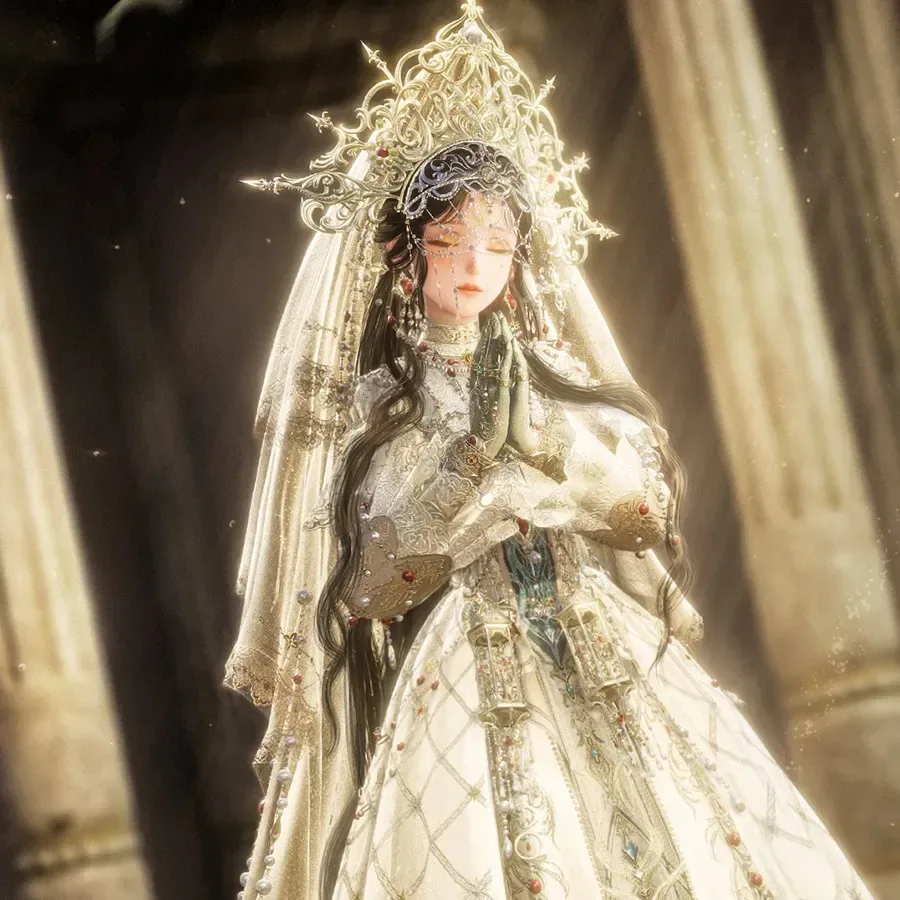
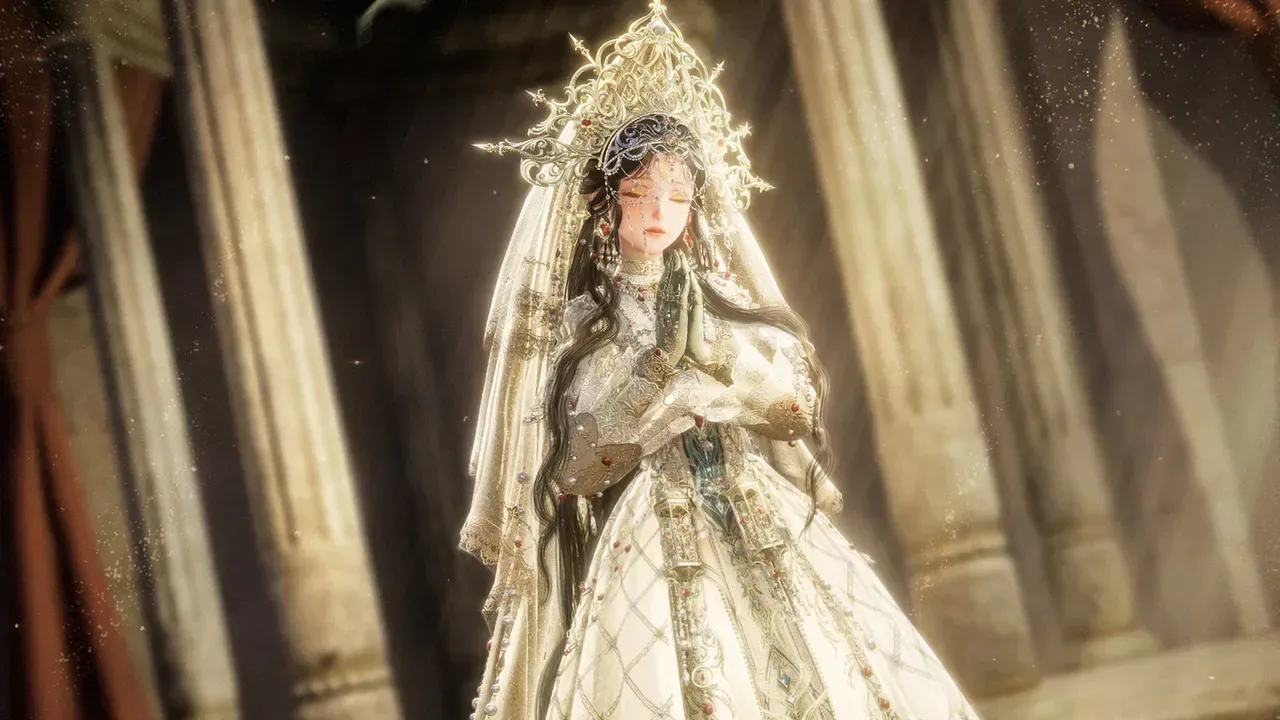
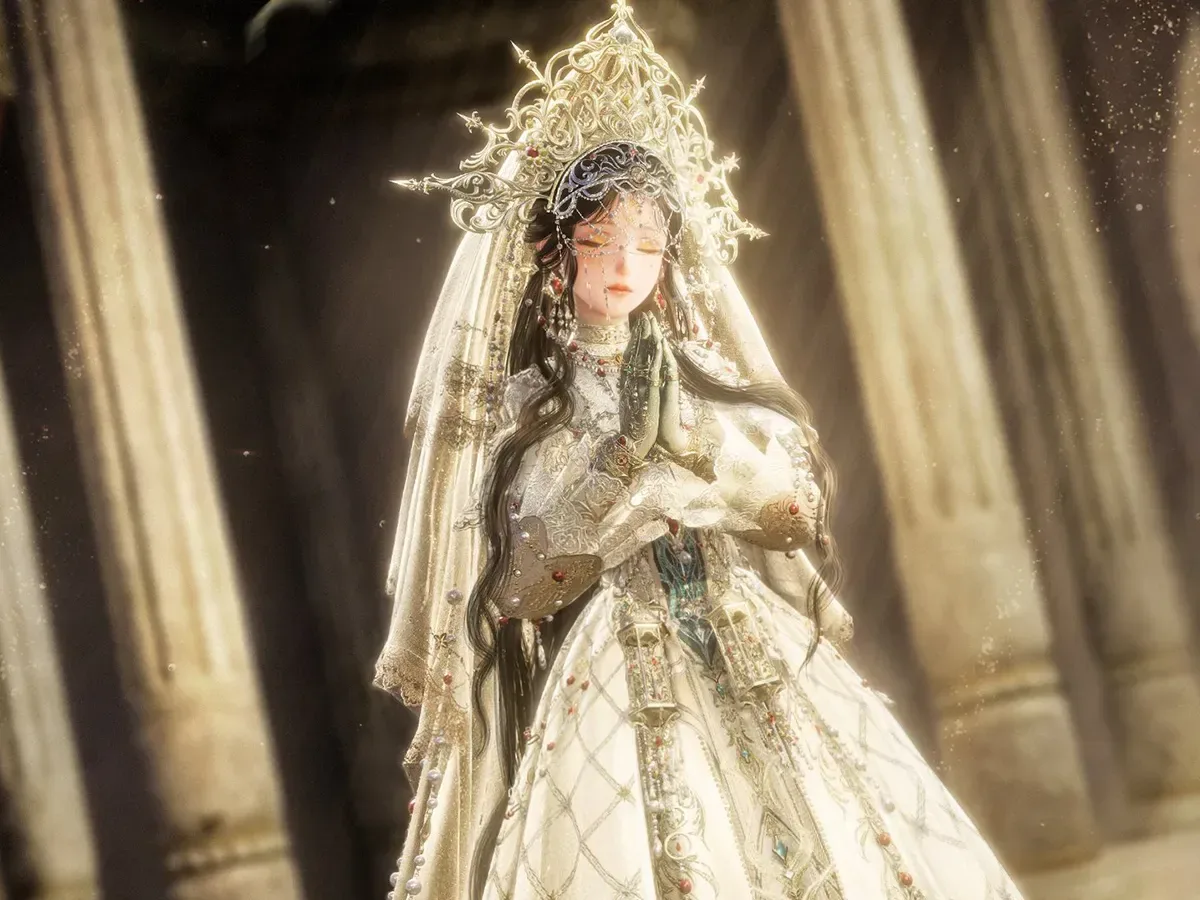
The reaction has also focused on a point of visual context. Players noted that the Nikki franchise has used imagery associated with Catholicism and Christianity in more than one form. Love Nikki includes an outfit set likened to papal clothing. Separately, an official Infinity Nikki post describing the Behind Prayers outfit said that its Starlight Crown headdress incorporated imagery of the Virgin Mary.
That does not settle the question raised by the former site administrator. Religious symbols can be understood in markedly different ways depending on their setting, combination with other imagery, and a viewer’s beliefs. A fashion game may use a cross, crown, robe or religious silhouette as an aesthetic reference; a player may see that treatment as respectful, neutral, creatively mixed, or inappropriate. All of those readings concern interpretation, rather than a simple technical question with one answer.
The administrator’s account makes clear that their conclusion came from their own religious experience and conscience. Other players discussing the matter have been curious about which specific garments or themes contributed to the decision, but no item-by-item list was provided in the closure explanation. Speculation should not be mistaken for a confirmed inventory of the designs at issue.
The difficult line between curiosity and care
The story has traveled because it is unusual: a sizable game reference site closed over the beliefs of the person who maintained it. But the administrator’s explanation also contains descriptions of distressing personal events. That calls for some restraint from the audience now dissecting the decision online.
It is reasonable for former users to ask whether guides can be replaced, whether patron refunds will be handled, or whether any public material was preserved before the shutdown. It is less useful to pressure the administrator for private details, diagnose them from a post, or turn an individual’s account of faith and crisis into a scavenger hunt for supposedly forbidden virtual clothing.
The community can hold two ideas at once. First, the closure is a real loss for players who relied on a long-running reference tool. Second, the person who made that tool is entitled to stop maintaining it, especially when they believe doing so is necessary for their wellbeing and values. Fan labor is generous, but it is not an obligation with no endpoint.
What happens next for Love Nikki players
There is no indication that Nikki’s Info will return in another form, that its materials will be sold, or that an official replacement is planned. Players should therefore treat the closure as final unless the former administrator says otherwise.
In the short term, the most constructive response is likely to be community organization without assuming access to the removed material. Fans can share their own independently created notes, clarify which guidance they can verify, and avoid presenting recollections from the former database as definitive records. A new guide, if anyone chooses to build one, would need clear maintenance expectations and respect for the former administrator’s stated decision not to transfer their work.
The episode is also a reminder that game communities preserve a great deal of useful knowledge outside the games themselves. Outfit catalogues, event notes and story references may be created from enthusiasm, but they become part of how a player base navigates a live game. When one disappears, the impact is felt not just as a missing webpage, but as a missing piece of shared infrastructure.