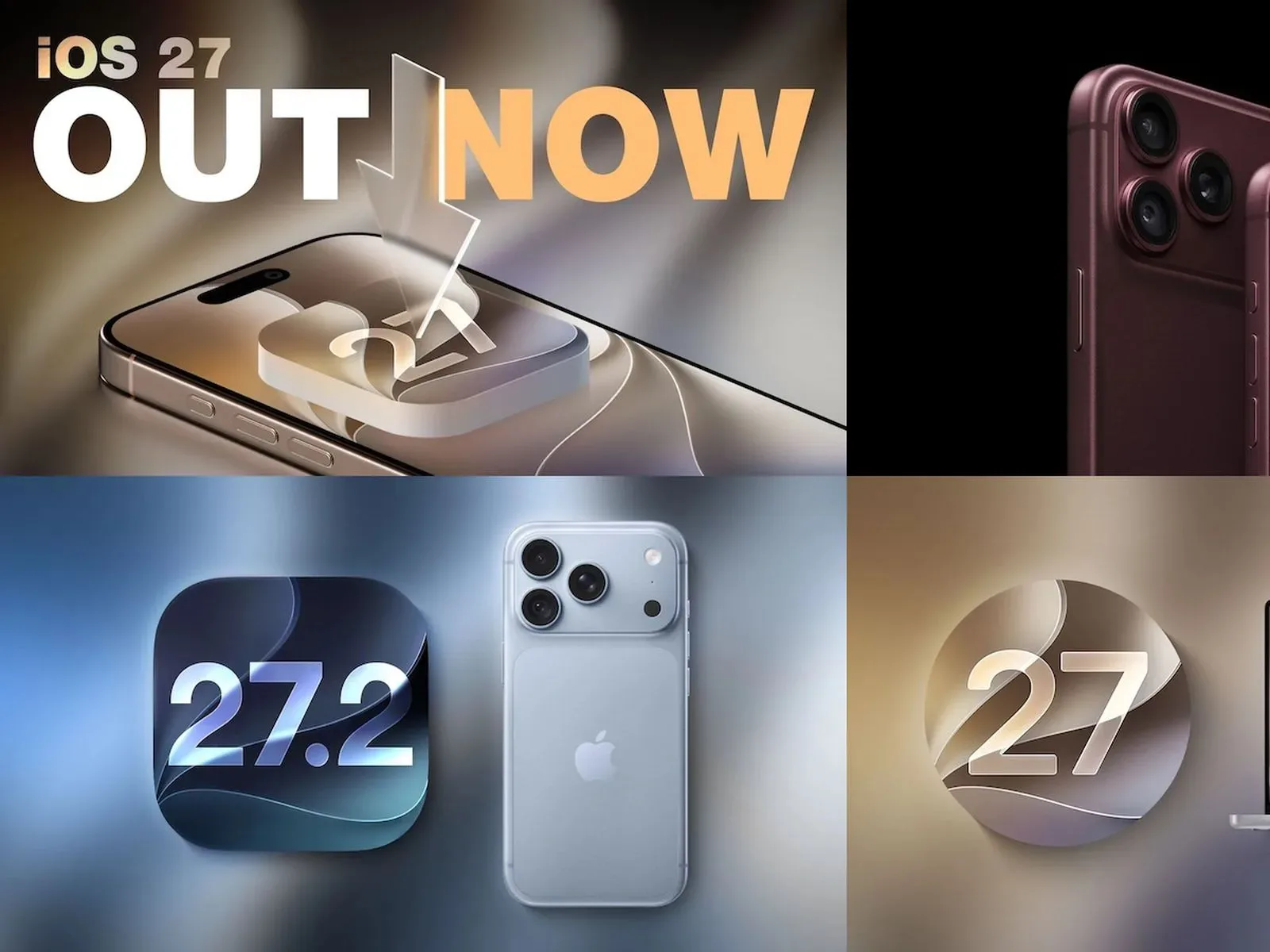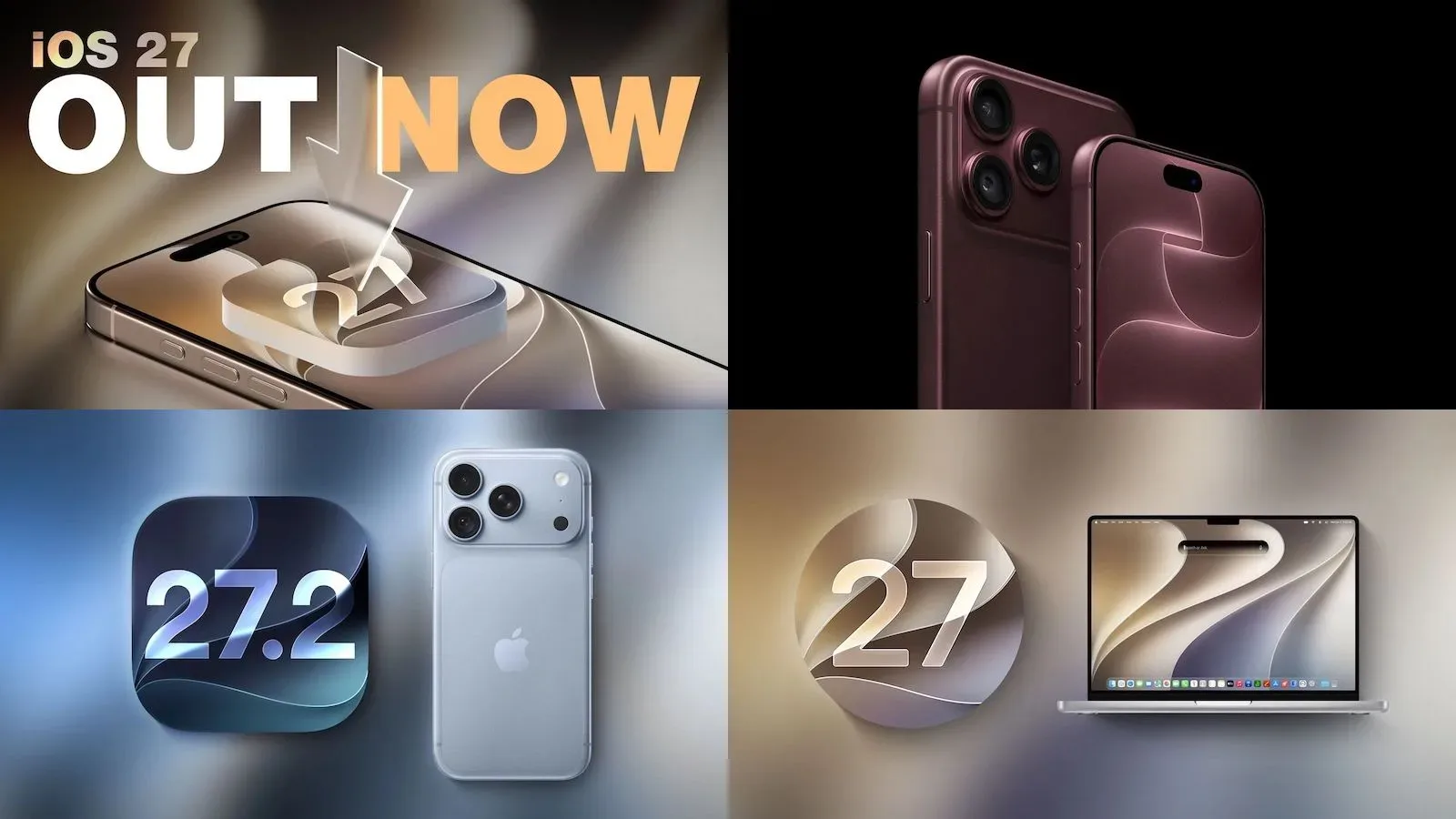
New Apple hardware may have arrived alongside the latest software cycle, but the more consequential change for people already holding an iPhone, iPad or Mac is the broad release of iOS 27, iPadOS 27 and macOS Golden Gate 27. The updates put a revised interface and new AI-facing features in front of existing-device owners rather than reserving every headline for the iPhone 18 line.
There is an important asterisk, however: installing iOS 27 does not necessarily mean immediate access to its most prominently discussed Siri upgrade. The new Siri AI and its dedicated app require users to join a waitlist, and access times can range from minutes to hours or days. That makes this less like a traditional switch-flip operating-system feature and more like a staged service rollout.
For gaming and entertainment users, the update cycle also arrives alongside a notable services change. In more than 100 countries, paid iCloud+ plans are being expanded with Apple TV, Apple Arcade and curated Apple Music stations. Apple Arcade is particularly relevant here, though the initiative does not include the United States, Canada, Australia, the UK or other European markets mentioned in the rollout details.
The public software releases: what is confirmed
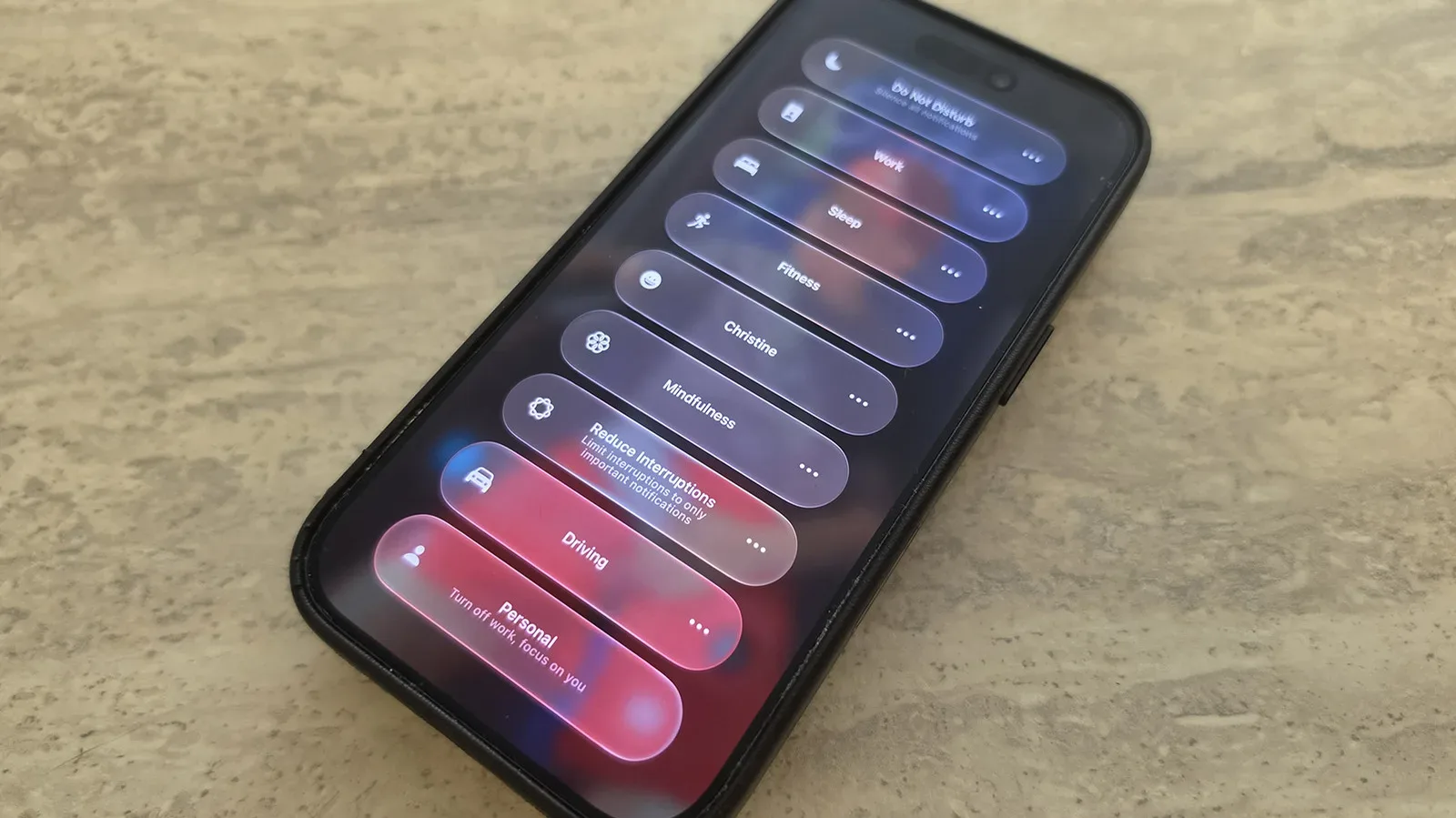
iOS 27 and iPadOS 27 are now publicly available. Their headline changes include Siri AI and the continuing Liquid Glass design update. On the desktop side, macOS Golden Gate 27 is also available, bringing Siri AI to Mac through a dedicated Siri app, adding Visual Intelligence to Mac for the first time, and adjusting the Liquid Glass visual treatment introduced previously.
Liquid Glass refers here to the design language used across the software, rather than a separate application or hardware component. The available information establishes that macOS Golden Gate refines the existing Liquid Glass update; it does not spell out every interface alteration, nor does it establish that every older Apple device can run every part of the new experience.
Visual Intelligence, meanwhile, is a feature name now associated with the Mac release. Its arrival on Mac is the key confirmed point. Readers should be wary of assuming capabilities, supported workflows or hardware requirements beyond that, since those details are not provided in this update roundup.
The significant practical message is that Apple is moving its newest software presentation across mobile, tablet and desktop at once. That gives people who use multiple devices a common set of names to learn—Siri AI, Liquid Glass and, on Mac, Visual Intelligence—even if access to the most notable assistant changes is not universal on day one.
Siri AI is released, but access is being phased in
The term Siri AI is being used for a smarter chatbot-oriented version of Siri. It has a dedicated Siri app on supported software, including macOS Golden Gate. Yet the availability model matters as much as the feature description: eligible iPhone users must opt into a waitlist in Settings before access is granted.
That distinction has immediate consequences for anyone updating specifically for the assistant. A successful iOS 27 installation is not proof that Siri AI should already appear. First, the user must be eligible; second, they need to join the queue; finally, they need to wait for access to be enabled. Reported waits vary substantially, from a few minutes to several hours or multiple days.
In other words, the appropriate expectation is not “update and start using it immediately,” but “update, request access if eligible, then watch for rollout approval.” That is a useful framing for households and workplaces where one person gains entry before another. Different wait times do not, on their own, indicate that an installation failed.
What to do if Siri AI is not visible after updating
The supplied details support a short checklist, but not an elaborate troubleshooting guide:
- Confirm that iOS 27 has been installed.
- Look in Settings for the Siri AI waitlist process.
- Make sure the device owner is eligible before expecting access.
- After joining, allow for the possibility of a delay measured in minutes, hours or days.
There is no need to treat the waitlist as a hidden workaround. It is the stated path to access. Equally, there is no basis here for claiming a guaranteed approval time. Users planning around the feature should leave room for uncertainty instead of promising themselves that it will be ready for a particular task immediately after the update.
This staged approach is especially worth remembering when a software feature is positioned as a major reason to update. Operating-system availability and feature availability can now be separate milestones. The download can be public while a cloud-connected or account-based capability remains limited by a queue.
Why the naming and version numbers are worth watching
Apple has already begun moving beyond the initial iOS 27 release. iOS 27.1 is expected to ship with the iPhone Duo next month, while a first developer beta of iOS 27.2 has already been seeded. The latter is described as the first significant improvement round for iOS 27 for all users.
That sequencing is unusual enough to warrant a clear reading: iOS 27.2 beta is for developers to test, not a declaration that iOS 27.1 has disappeared. The supplied timeline still places iOS 27.1 with the iPhone Duo next month. For ordinary users, the important point is simply that early post-launch development is active and that the 27.2 build is not yet the public destination.
A beta is pre-release software intended for testing. It is not the same thing as a finished public update. The presence of an early developer beta indicates ongoing work, but it does not confirm which changes will ship, when they will ship, or whether a given test feature will remain unchanged by the time it reaches everyone.
For people who use an iPhone as a game device, work tool or primary communication device, that distinction can be more useful than the version number itself. A public update is the current broadly available platform; a developer beta is part of the testing path toward a later one. The best choice depends on the user’s tolerance for unfinished software, but no additional feature claims should be inferred from the existence of the beta alone.
New iPhone and wearable hardware joins the software rollout
The iPhone 18 Pro and iPhone 18 Pro Max, Apple Watch Series 12, Apple Watch Ultra 4 and AirPods 5 have launched. The exception among the products introduced at the recent event is the iPhone Duo, which is still to come.
One early hardware detail needs careful wording. There was confusion surrounding the cellular modem used by the iPhone 18 Pro and Pro Max, with an initial appearance that Apple’s C2 modem was limited to the iPhone 18 Pro. Apple has said that the iPhone 18 Pro Max sold in the United States differs in one way, but the available information here does not establish a full device-by-device, region-by-region modem chart.
That is a reminder that regional product distinctions can matter. A cellular modem is the component that handles a phone’s connection to mobile networks. It is distinct from the operating system and separate from the Wi-Fi experience. Buyers comparing models should avoid turning an early point of confusion into a blanket claim about every Pro or Pro Max sold everywhere.
For an adjacent hardware read, our coverage of the Apple Watch Ultra 4 launch-week price cut looks at a development affecting select configurations. As ever, model and regional details matter when considering a purchase.
iCloud+ becomes a broader bundle in selected markets
The services change is potentially the most directly game-related element of the week for some regions. Apple is turning paid iCloud+ subscriptions into a broader package that includes Apple TV, Apple Arcade and curated Apple Music stations in more than 100 countries.
Apple Arcade is the gaming element of that package. The significance is not merely that it is being temporarily added to iCloud+ as a perk: in markets where the new initiative has launched, Apple TV and Apple Arcade will no longer be sold as individual subscriptions through Apple. That makes the move a restructuring of how those services are offered in those territories.
Availability is explicitly uneven. The initiative excludes the US, Canada and Australia. It is also not offered in the UK and other European markets. Those exclusions mean readers should not assume that an iCloud+ plan automatically changes wherever they live, even though the country count exceeds 100.
For players in participating territories, the practical implication is straightforward: an existing paid iCloud+ relationship may now sit alongside access to a game subscription as part of the same wider package. For players outside those territories, nothing in the available information indicates that their Apple Arcade purchasing options have changed.
What this rollout means right now
The headline is not just that new versions of Apple software are downloadable. It is that the company’s current update is a mixture of three delivery models: a conventional public operating-system release, a waitlisted rollout for Siri AI, and a region-specific services bundle.
- iOS 27 and iPadOS 27: publicly released, with Siri AI and Liquid Glass among the major themes.
- macOS Golden Gate 27: publicly released, adding a dedicated Siri app and bringing Visual Intelligence to Mac.
- Siri AI: available through an eligibility-based Settings waitlist, with variable waits.
- iOS 27.2: in its first developer beta, not yet a public update.
- iCloud+ bundle: expanded with Apple TV, Apple Arcade and curated Apple Music stations in more than 100 countries, but not in several major markets.
That makes patience the least glamorous but most accurate advice surrounding Siri AI. Update if the operating-system changes are what you want, join the waitlist if eligible, and do not mistake the absence of immediate access for a missing install. Separately, check country availability before making assumptions about Apple Arcade and iCloud+.