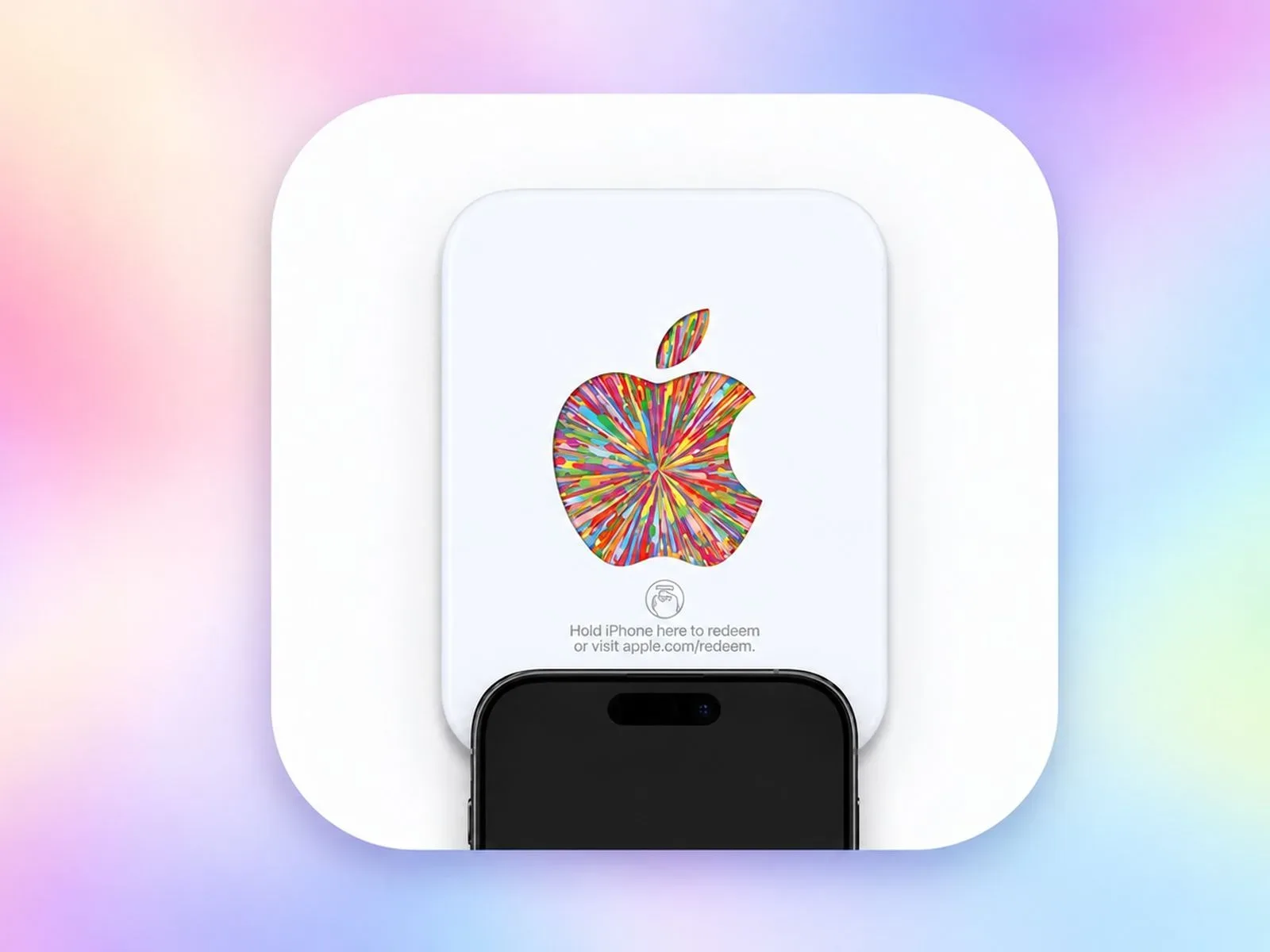
Apple Gift Cards may be getting a more direct redemption process in iOS 27: hold a compatible iPhone against a newly designed card, and the phone could open a screen to check its balance and add its value to the account. Evidence in the iOS 27 Release Candidate points to an NFC-based system, while an early demonstration has shown the interface appearing through a workaround. The feature does not appear to be active for ordinary use yet, and its launch timing has not been announced.
For players, families, and anyone who uses an Apple balance for apps, games, subscriptions, or in-app purchases, the practical appeal is obvious. A physical card could move from checkout counter to account credit without manually entering a redemption code. More importantly, the process described in the iOS code is designed to verify whether a card is genuine and has not already been redeemed—two checks that could matter substantially in a category often targeted by scams.
How the iOS 27 redemption flow is expected to work
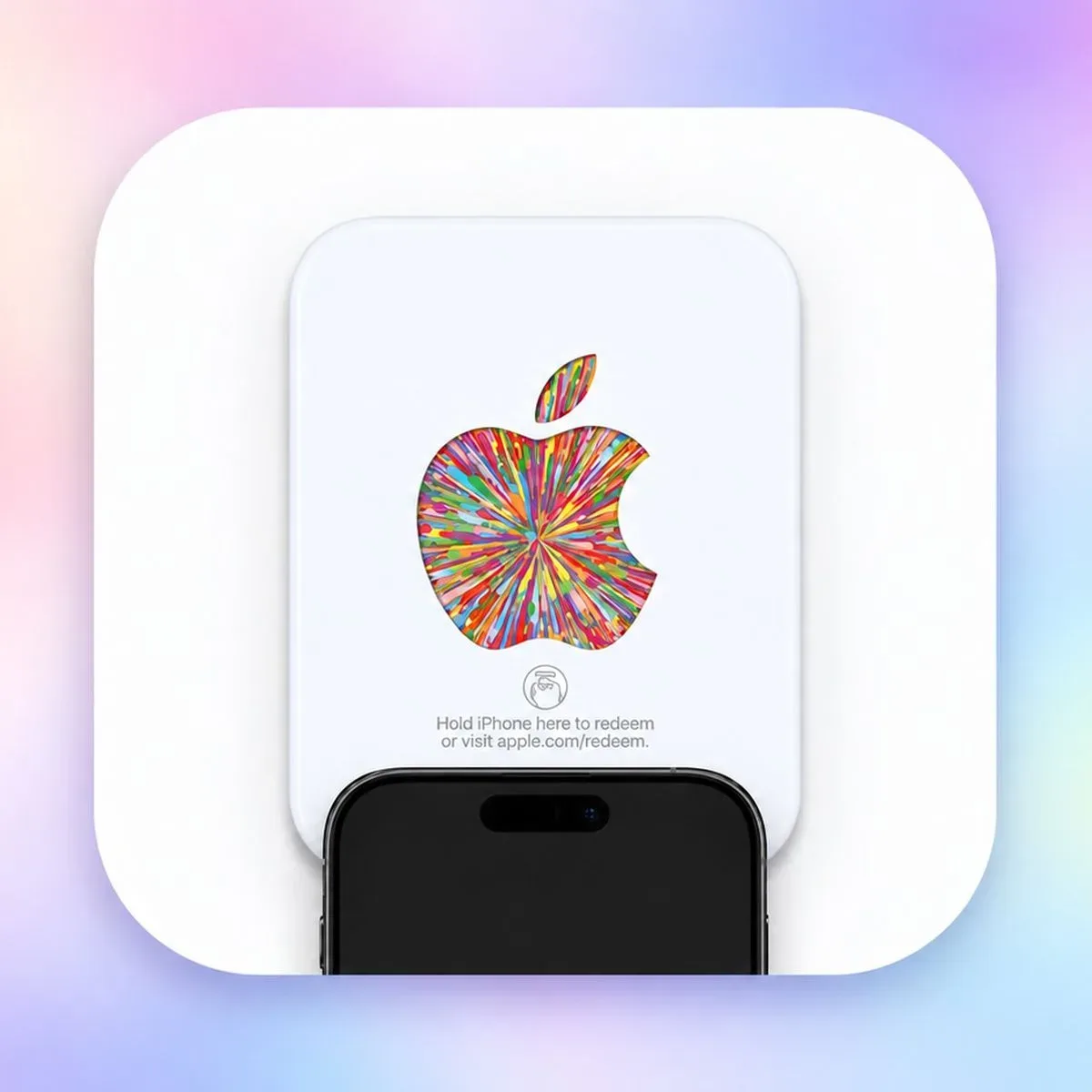
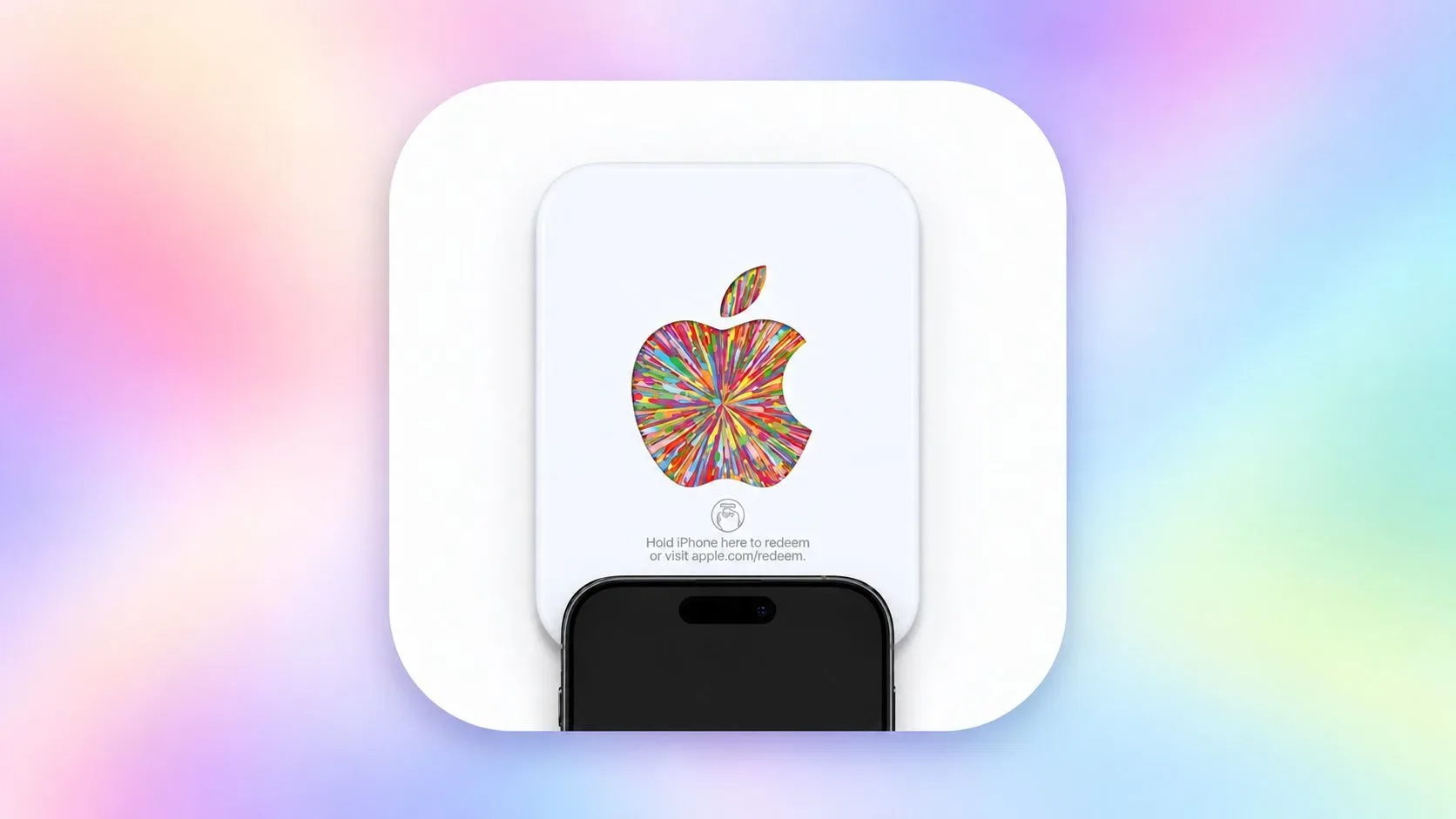
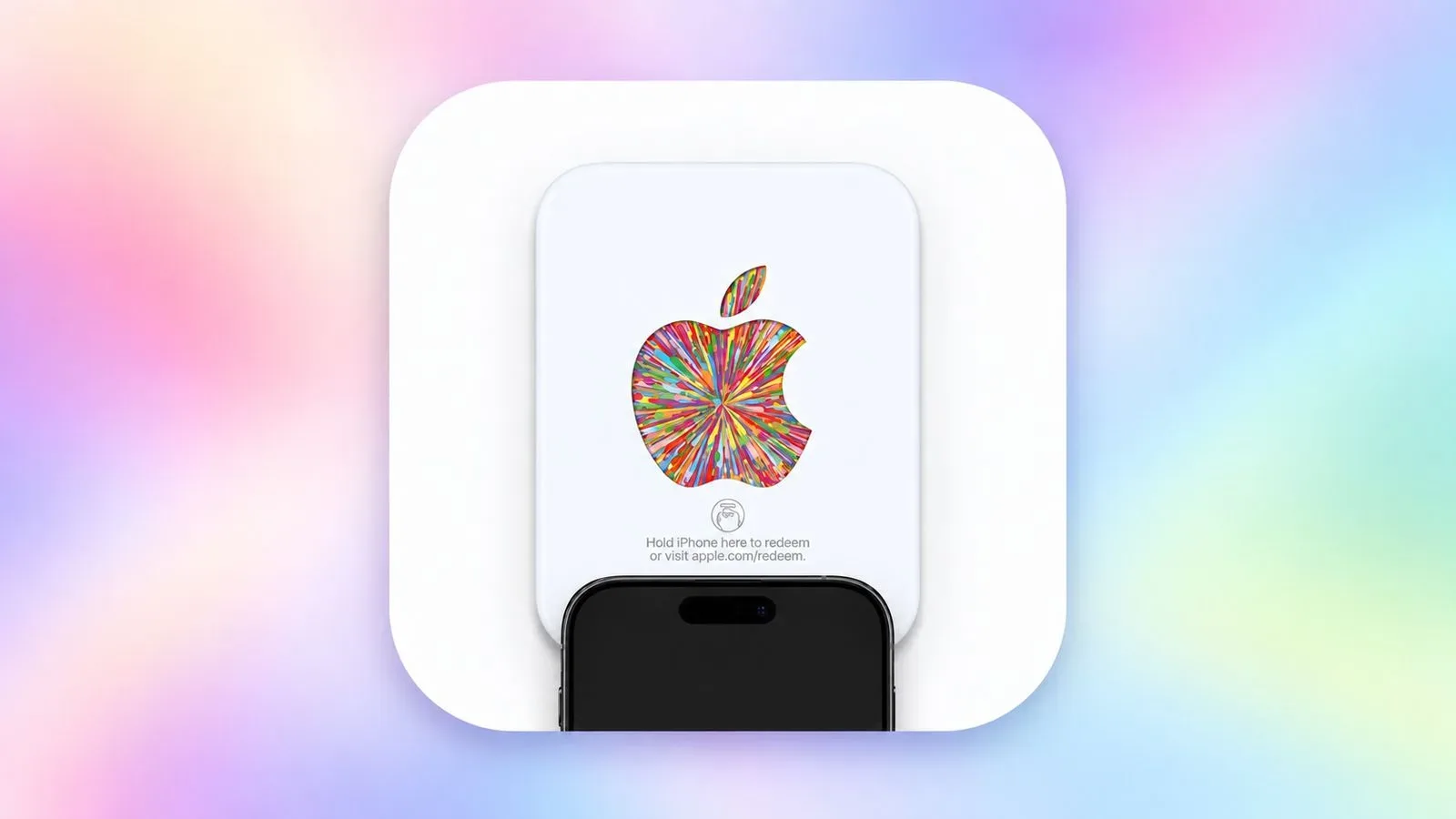
The new physical Apple Gift Cards are expected to include an instruction printed near the bottom: “hold iPhone here to redeem.” Users would be told to position the top rear portion of the iPhone close to the bottom of the card. If the card and device are recognized, iOS 27 would automatically present the redemption experience.
That flow is expected to offer two key actions:
- Check the gift card’s available balance.
- Redeem the card to the user’s Apple account.
Manual redemption is not going away. The card text is also expected to direct customers to apple.com/redeem if they prefer to enter the card information through the existing web-based route. That fallback matters for users who do not want to use the tap process, have trouble aligning the card and phone, or possess an older card without the new tap instruction.
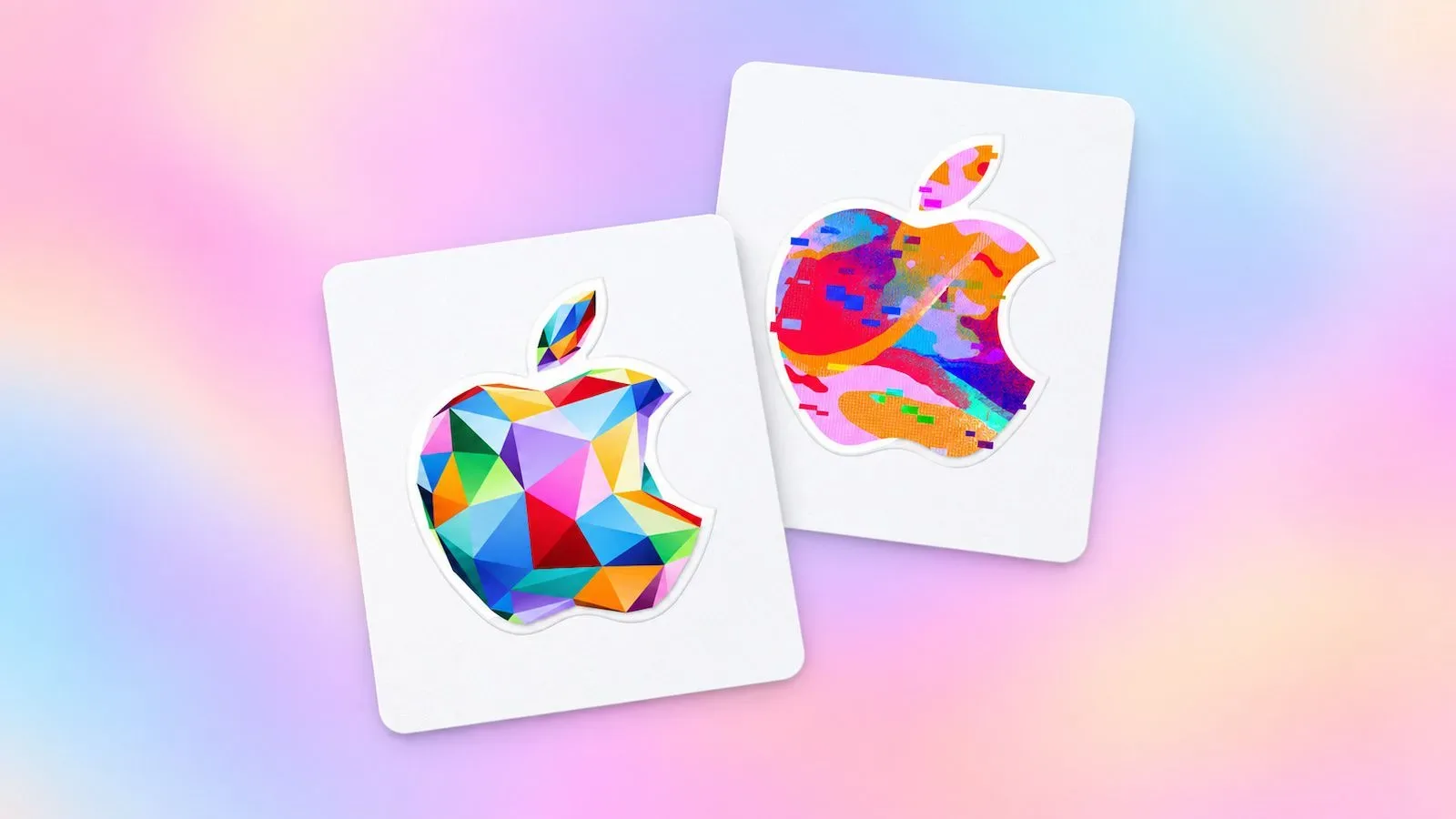
The important caveat is that the feature appears tied to new Apple Gift Cards, rather than every older card already in circulation. Nothing in the available details establishes that an existing card can be retrofitted into an NFC-enabled card merely by updating an iPhone to iOS 27. The printed guidance on the new cards strongly suggests that the physical card itself carries the NFC component needed for the interaction.
What NFC means here—and what it does not mean
NFC, or near-field communication, is a short-range wireless technology. In this case, it would let the phone read information from a gift card placed very close to it. The deliberate instruction to use the phone’s top rear area and the bottom section of the card reflects that close-range nature: this is a tap or near-tap interaction, not a card scan from across a room.
That distinction is useful because the expected experience is not simply the iPhone photographing a code. The card can identify itself electronically to the phone, then iOS can begin a redemption process without requiring the user to type the card’s details first. The phone still needs to contact Apple’s systems to check the card’s status and apply any credit; NFC initiates the interaction, but it is not presented as a standalone, offline redemption method.
All iPhones supported by iOS 27—the iPhone 11 line and newer—support NFC. Assuming the feature launches as indicated, that gives it broad potential device coverage. Compatibility with the operating system does not, however, answer every real-world question. Apple has not yet publicly detailed whether availability will vary by country or region, whether every retail channel will receive the new cards at the same time, or whether there will be any account-specific restrictions.
Why verification is the most significant part
The convenience of tapping a card is easy to understand, but the security checks appear to be the more consequential part of the planned feature. The iOS 27 code indicates that Apple will verify a card is authentic and unspent during redemption. The interface may also display messages saying a card has been blocked or cancelled when appropriate.
Those terms deserve careful reading:
- Authentic means the system is checking that the card is a legitimate card recognized by Apple, rather than an imitation or invalid item.
- Unspent means the card has not already been redeemed. A gift card can look physically normal even when its balance has already been claimed elsewhere.
- Blocked or cancelled means the system has identified a reason the card cannot be redeemed. The presently available details do not specify every circumstance that could trigger either status.
Gift card scams frequently depend on urgency and on persuading a victim to share redemption information with another person. A more structured redemption screen that contacts Apple and checks the card before adding it to an account could make some suspicious or invalid cards easier to spot. It may also reduce uncertainty for legitimate buyers: instead of scratching, typing, and hoping, they could receive an immediate status response from the device.
Still, it would be a mistake to describe NFC as a universal cure for gift card fraud. The available information does not show the complete anti-scam design, and verification of a card’s status is not the same thing as determining whether a buyer was manipulated into purchasing it. A valid, unused card can still be involved in a scam before it is redeemed. The likely benefit is narrower but still meaningful: it can strengthen the moment at which the card’s identity and redemption state are checked.
What this could mean for game and app spending
Apple account credit can be relevant to gaming even when the gift card is not marketed as a game-only product. It may be used toward App Store purchases and related Apple digital spending, placing it in the same everyday ecosystem as mobile games, downloadable game add-ons, subscriptions, and parental account funding.
That makes friction at the redemption stage more than a minor user-interface issue. A parent adding a gift card to an account, a player receiving one as a present, or a buyer checking a card before intending to spend it all have a reason to want clear confirmation of its value and status. In households where digital purchasing needs close attention, it is also worth remembering that smoothly redeeming a gift card is separate from controlling what happens after the balance reaches an account. The redemption change itself does not establish new purchase-permission tools or spending limits.
The distinction matters in light of reports of large unexpected digital advertising bills tied to children’s interest in game videos, such as this account involving Minecraft and Roblox-related YouTube ads. That situation concerns advertising charges rather than Apple Gift Card redemption, but it illustrates the broader point: reducing steps in a payment flow should not be confused with reducing the need for household-level purchase oversight.
What is confirmed, shown, and still unknown
There are three different levels of certainty around this feature. First, iOS 27 Release Candidate code includes references to an NFC gift-card redemption system, including checks for authentic and unspent cards and possible blocked or cancelled notices. Second, an early demonstration showed the new interface appearing on iOS 27 after a workaround. That is useful evidence that the interface exists, but it is not the same as a public rollout.
Third, the live service remains unavailable at the time of writing. Apple has not formally announced the feature, and no launch date has been provided. As a result, prospective users should treat the described tap-to-redeem experience as an upcoming capability indicated by software evidence, not as an instruction to expect it on every current card or phone today.
Practical advice until the feature is live
- Look for the specific “hold iPhone here to redeem” instruction on newly issued physical Apple Gift Cards before expecting a tap interaction.
- If that instruction is absent, use the manual redemption option printed on the card instead of assuming the card is defective.
- Keep the card and proof of purchase until the balance has been successfully checked and redeemed.
- If the future interface reports that a card is blocked or cancelled, do not assume a repeated tap will change the result; retain purchase details and pursue the appropriate support route.
- Do not provide card details to strangers or treat a gift-card payment demand as routine. A status check can help identify a problem card, but it cannot undo a scam once value has been shared or redeemed.
The proposed iOS 27 feature is a small change in physical interaction—phone meets card—but it carries a larger promise than speed alone. If Apple brings it to the public as indicated, the system could combine a simpler balance-and-redemption path with clearer validation at the moment a card enters an account. Until an official rollout arrives, though, the safest expectation is modest: the interface has been seen, the underlying code signals the intended behavior, and the final scope and timing remain unresolved.