A high-capacity power bank is usually a trade: more reserve power tends to mean a larger object to pack, carry and remember to bring home. INIU’s 20,000mAh Portable Charger is positioned around reducing that particular inconvenience. The charger is listed at $28, down from $37, a $9 reduction described as 24% off.
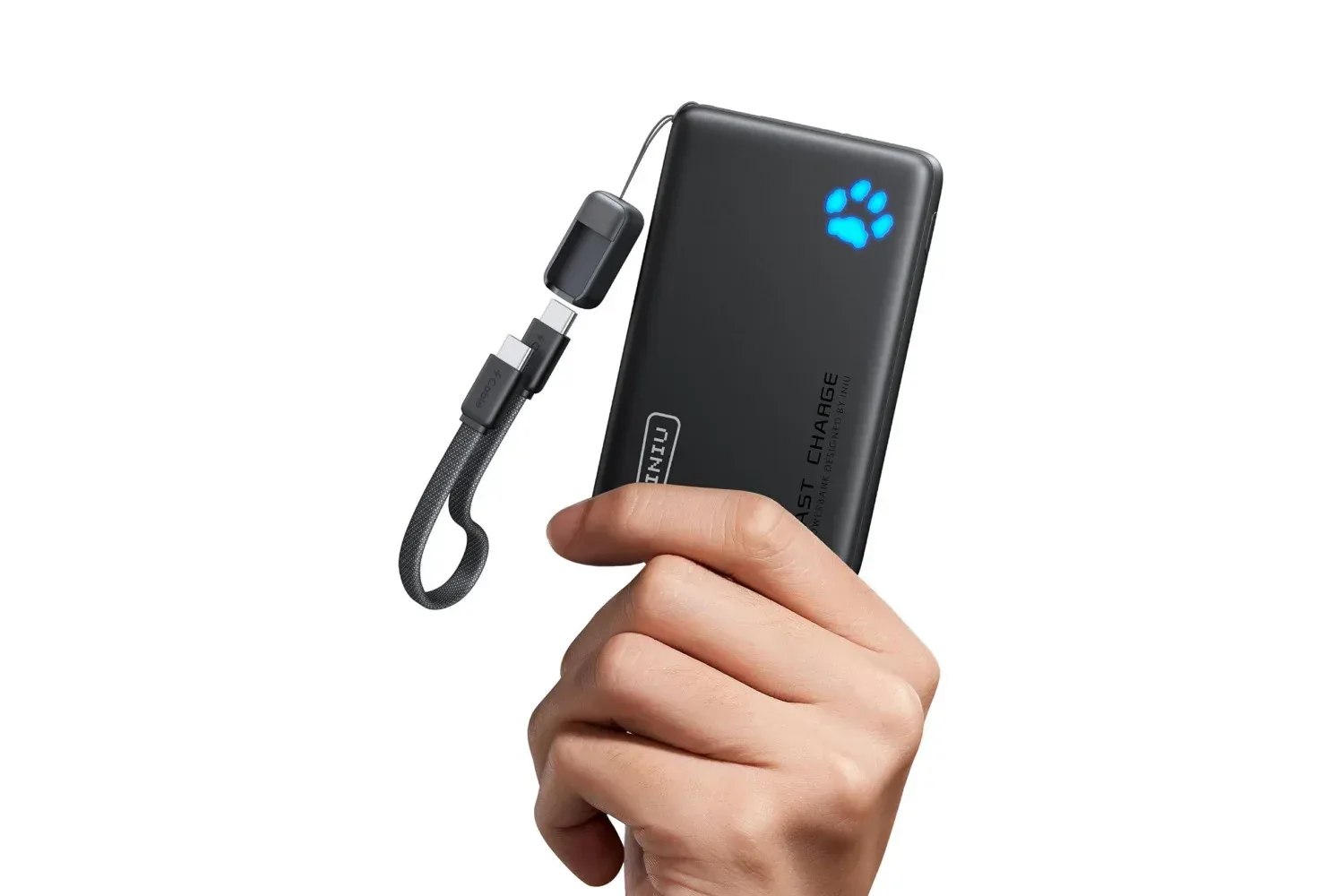
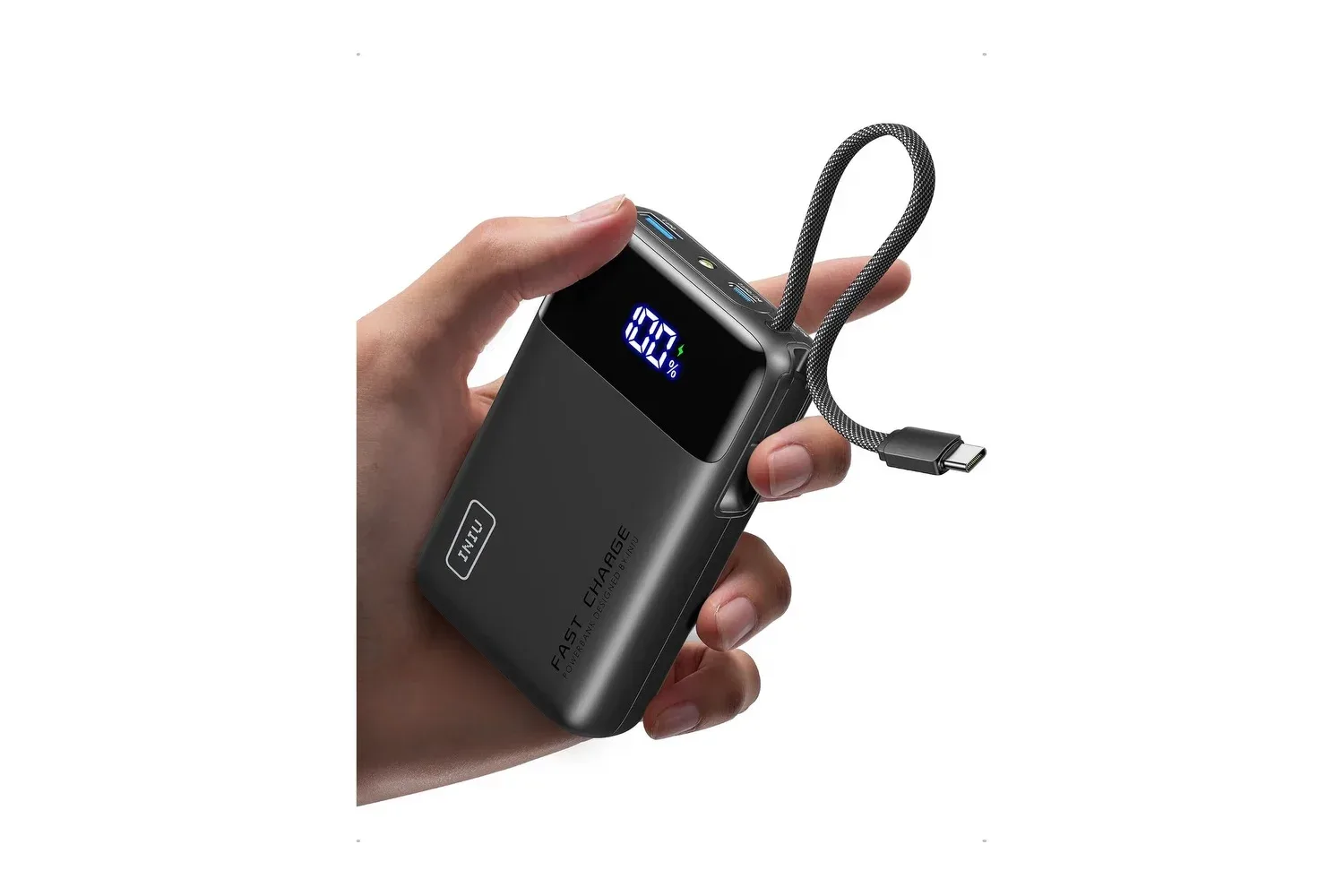
The key claim is the physical format. INIU places 20,000mAh of capacity in a housing said to be close to a deck of playing cards in size and suitable for a jacket pocket. Capacity alone is only part of what makes a battery pack useful; a charger that is small enough to stay in a day bag has a much better chance of being present when a phone, headphones or tablet actually needs it.
For players using a phone for maps, messaging, captures, companion apps or remote-play-adjacent routines while away from a wall socket, that distinction is practical. This is not a claim about supporting any particular console or handheld. It is simply the appeal of carrying a substantial power reserve without treating it like a piece of luggage.
What 20,000mAh means in everyday use
mAh, short for milliampere-hours, is a measurement used to describe battery capacity. In broad consumer terms, a higher mAh figure suggests a larger available energy reserve, but it should not be read as an exact count of device refills. A phone’s battery capacity, its charging efficiency, the cable in use and the phone’s activity while charging all affect the result.
INIU says this 20,000mAh pack should provide roughly four to five full phone charges. That makes it more oriented toward repeated top-ups than a small emergency battery designed for one partial charge. The stated capacity could be useful for an extended weekend without accessible outlets, long travel, camping or a workday that keeps someone away from a desk.
There is an important real-world distinction between a power bank’s headline capacity and the amount ultimately received by a device. Energy is lost during conversion and charging, while a phone using navigation, mobile data, video, games or GPS may continue consuming power during the process. Consequently, the four-to-five-charge figure is best treated as a manufacturer-stated estimate rather than a guarantee for every phone and usage pattern.
Even with that caveat, a 20,000mAh class battery bank changes the planning equation compared with a pocket-sized low-capacity unit. It is intended to leave enough reserve for more than one device or more than one day, rather than forcing a choice between preserving a phone’s battery and charging accessories.
Three ports, with USB-C handling input and output
The INIU charger has three ports: two USB-A ports and one USB-C port. That mix matters for households and travel bags that still include older USB-A cables alongside newer USB-C hardware. It can charge a phone, tablet and earbuds at the same time, with the charger dynamically distributing power based on the connected devices’ requirements.
Its USB-C connection supports both input and output. Output is the direction most people think about: power leaves the bank to charge a device. Input means power can travel into the bank itself when it is time to recharge the internal battery. A dual-purpose USB-C port can simplify the cable situation for people whose newer devices already charge over USB-C.
Charging multiple products simultaneously is useful, but it also changes expectations around speed and available capacity. The same 20,000mAh reserve is shared among every connected item, and the unit’s available power is distributed across them. Someone who needs the fastest possible refill for a single device may prefer to charge that device alone; someone trying to keep several essentials alive may value the three-port arrangement more.
The product is rated for 22.5W USB-C fast charging. Watts measure power: in charging terms, a higher supported wattage can allow a compatible device to take energy more quickly than it would from a basic, lower-power charging setup. Compatibility still matters. A device must support the relevant charging behavior, and cables and device settings can affect the result.
The stated benefit is quicker phone charging, potentially cutting the wait compared with standard charging. That does not mean every device will charge at 22.5W all the time. Phones routinely adjust charging rates as their batteries fill, and they may limit charging under particular conditions. The meaningful takeaway is that the pack is built for faster charging than a basic low-output battery bank, not that it promises one universal charging time.
Portability is the central proposition
Large-capacity portable chargers have a familiar failure mode: they look reassuring on a packing list, then remain at a hotel, in a car or at the bottom of a backpack because they are awkward to carry all day. INIU’s case for this model is that it brings a capacity normally associated with a more brick-like pack into a much more compact format.
That claim is especially relevant for trips where a mains outlet is uncertain. Navigation is a straightforward example: GPS use can matter most when a phone cannot be allowed to run flat, yet it can also be one of the activities that makes battery anxiety feel immediate. A reserve battery makes it easier to use the phone as needed rather than constantly rationing screen time.
There is also a modest built-in flashlight at one end of the housing. It is a secondary feature, not the main reason to choose a power bank, but it has an obvious purpose if a phone is dead or inconvenient to use as a torch. For a travel accessory, having that fallback without reaching for another device is sensible.
A longer warranty than the usual short-term reassurance
INIU provides a three-year warranty for the charger. Warranty terms are not the same as a prediction of lifespan, but they matter because rechargeable batteries naturally lose some capacity as they age and are used. The provided coverage extends beyond the short warranty periods commonly associated with inexpensive portable chargers.
For a buyer, that warranty is worth treating as part of the product value alongside capacity and port selection. Before purchasing, it is sensible to check the current listing details, including applicable terms, charging compatibility and the exact included accessories. Product listings and promotional prices can change, and a buyer’s existing cables may determine how convenient a three-port battery pack is in practice.
At the listed $28 price, the INIU Portable Charger’s pitch is fairly clear: a 20,000mAh reserve designed to be carried more often than a conventional bulky pack, with two USB-A ports, a reversible USB-C input/output connection, up to 22.5W charging, simultaneous multi-device support and a flashlight. It will make the most sense for people who value several days of phone power or the flexibility to charge several small devices, while accepting that actual recharge counts and speeds depend on the devices connected and how they are being used.
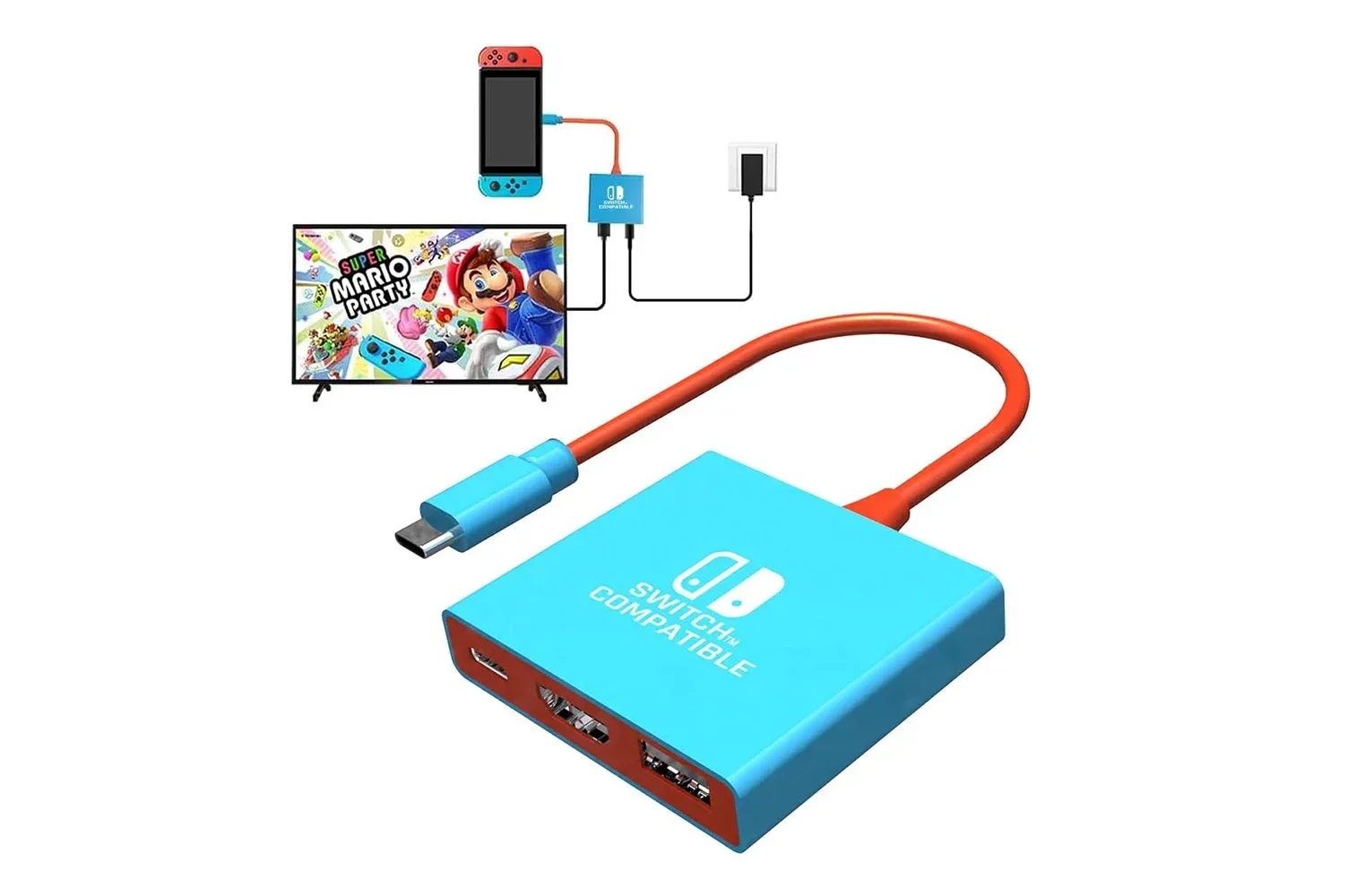
People putting together a portable tech kit may also be interested in a separate travel dock aimed at Switch, Switch 2 and Steam Deck TV setups. The two products solve different problems: a dock concerns display and connection options, while a power bank is about keeping compatible USB-charged gear powered away from an outlet.
Shop the products
Check current price, model and availability at the retailer.