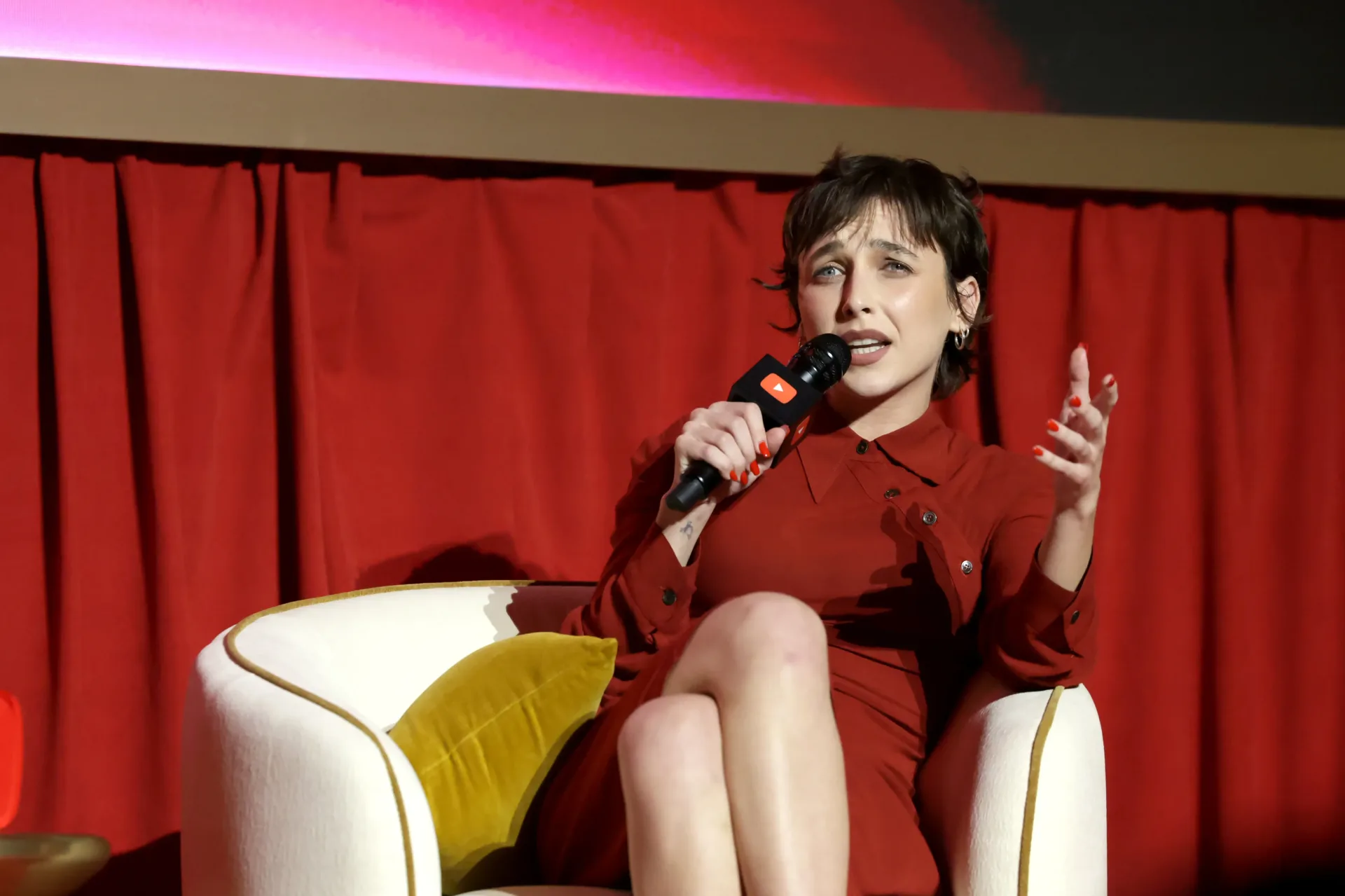
YouTube’s latest creator showcase had the familiar furniture of television: trailers, celebrity interviews, production banners, executive producers, launch windows and an unmistakable attempt to excite advertisers. But the upcoming slate’s more interesting idea is not that creator video wants to look like TV. It is that several shows are being designed around what an online audience can do after pressing play.
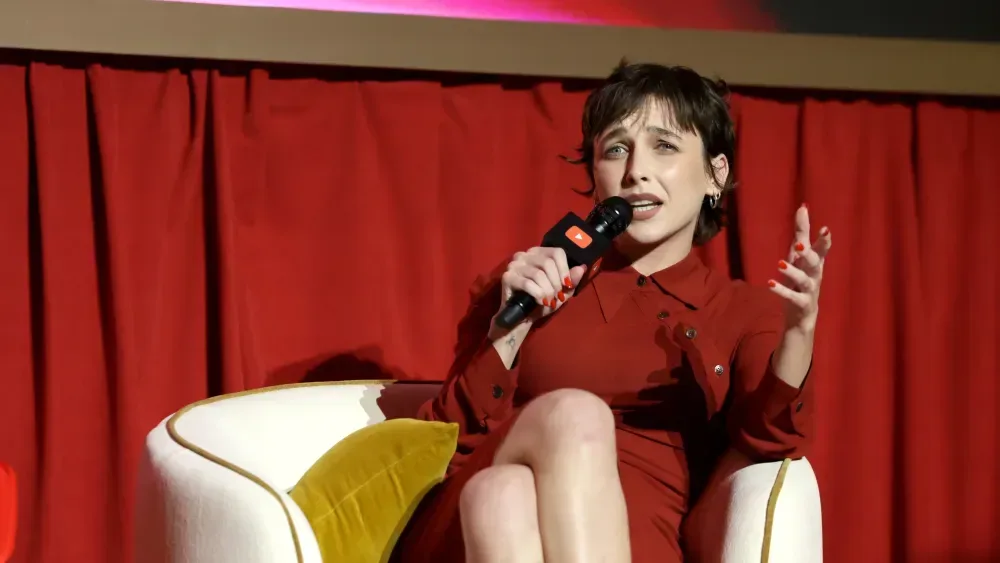
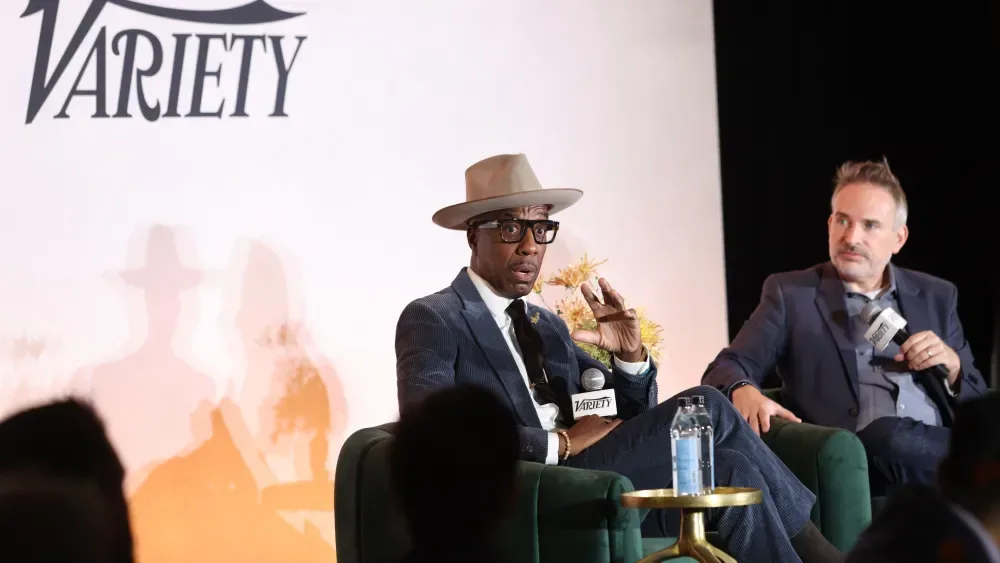
At the second annual Creator Premieres event in Hollywood, the platform previewed projects spanning food, music, comedy, travel, dating, sports, documentary and scripted genre work. Emma Chamberlain, filmmaker Wesley Wang and tennis star Aryna Sabalenka were among the headline names, alongside Morgan Jay, Nick DiGiovanni, Ina Garten, Lilly Singh, Grace Reiter, Scott Evans and Phil Rosenthal. The release calendar stretches from late 2026 into 2027, and the breadth is deliberate: this is a roster of distinct creator brands rather than a single-channel programming identity.
The strongest through-line is participation. Wang’s Extract 14 asks its audience to solve a murder mystery; his Absolute Cinema gives viewers the deciding vote in a filmmaking contest. Chamberlain’s What Are You Waiting For? begins with people queueing in New York City and expands toward fandoms and subcultures. Sabalenka’s series extends a pre-existing channel into a more expansive behind-the-scenes portrait. In each case, the video is intended to be a starting point for a relationship with a community, not merely a finished episode.
What the presentation says about creator-led television
Google and YouTube executive Sean Downey framed the gathering around a blunt proposition: creators increasingly operate as their own studios, with direct control over what they make and a close connection to their audiences. The setting sharpened the symbolism. The event was held in the same ballroom that hosted the first Academy Awards, inviting a comparison between Hollywood’s older gatekept systems and a creator economy where personalities can build audiences and commission increasingly ambitious work from their own channels.
That does not mean conventional production has vanished from these projects. The slate is full of formal production companies, producers, showrunners and collaborators. Chamberlain’s show has Amplify Pictures as co-studio and production company and is executive produced by Joe Lewis. Morgan Jay’s Music Therapy was developed and produced with Ty Stafford of Hello Party and financed by Live Nation Studios. Sabalenka’s series comes from UltraBoom Media. Rather than an either-or contest between online video and professional production, these announcements point to a hybrid model: creator ownership and fan access paired with teams capable of making longer, more structured series.
The business case is similarly clear. Downey positioned creator-audience trust as valuable to brands. The platform can also connect video with community conversation, livestreaming, vertical short-form media and commerce. Those are not interchangeable formats; they are different ways a project can remain present in an audience’s day. A full episode may establish the premise, short clips can circulate a moment, and a comment section or off-platform community can keep fans debating it.
That larger industry shift also lands during a period when games, creators and entertainment companies are looking for new ways to hold attention beyond one release or one episode. The same push toward communities and platforms is visible elsewhere in entertainment technology, including SoundCloud’s evolving approach to AI music uploads. The important distinction here is that YouTube’s slate makes audience behavior part of the programming proposition itself.
Wesley Wang’s three-project experiment
Wang’s announced slate is the clearest example of that approach. His short film Response, due in early 2027 across the Wesley Wang and Jason Rodelo YouTube channels, is a sci-fi horror story about four park rangers on a welfare check at a remote desert preserve. Their encounter with an otherworldly presence leaves the youngest ranger separated from his body. Jason Rodelo directs and writes the film; Wesley Wang Media produces.
It is a relatively traditional short-film premise, albeit distributed through collaborating creator channels. The other two projects lean much harder into platform-specific structures.
Extract 14, scheduled for spring 2027, is a six-episode interactive murder mystery unfolding across six weeks. The series uses found footage, digital breadcrumbs and clues embedded throughout each installment, while asking viewers to pause, rewind, decode details and collaborate. The first person to solve the case correctly is set to receive $100,000.
Found footage is a storytelling device that presents fictional events through supposedly recovered recordings or documents. In Extract 14, it is useful beyond atmosphere: the format supports the idea that viewers should treat every screen, file or stray detail as evidence. Digital breadcrumbs, meanwhile, means clues dispersed through the material rather than delivered plainly in dialogue. The stated plan makes replaying and collective problem-solving part of the intended experience.
That could turn a viewing audience into something closer to a temporary detective community. The premise depends on viewers comparing theories and catching information others miss. It also presents a practical challenge: a mystery with a cash prize needs clues clear enough to make a solution possible while remaining difficult enough to sustain six weeks of attention. The announcement establishes the format and prize, but not the specific rules, eligibility or verification process, so those details will matter when the series arrives.
Absolute Cinema, also slated for spring 2027, moves participation to competition. Ten aspiring filmmakers will be selected from thousands of online applicants for a seven-day filmmaking boot camp in New York. They will compete for $100,000 to make their dream movie, guided by Wang and a panel of industry experts. A red-carpet premiere ends the process, with viewers selecting the grand-prize winner.
Here, the audience is not asked to discover a predetermined answer; it is asked to make a decision. That is a meaningful difference. A public vote can create investment in individual contestants and projects, while the compressed seven-day structure promises a clear, focused production arc. The show is also a practical illustration of Wang’s stated goal of building experiences rather than just films. His new production banner is intended to spotlight emerging directors, and Absolute Cinema puts that intention into a competitive format.
Emma Chamberlain looks at the people in line
Chamberlain’s What Are You Waiting For?, expected in early 2027, takes a much quieter point of entry: the lines that form around New York City. Chamberlain does not like waiting in line, but the series uses that frustration as a question. What brings people to these queues, and what do those gatherings reveal about subcultures, fandom and contemporary life?
The premise has room to be both observational and personal. A line is simple physical evidence of demand, but it can also be a temporary social space built around a shared desire: access to an event, a product, a performance or a moment of collective belonging. The description promises cultural commentary rather than a conventional travel or interview format, leaving Chamberlain’s perspective central to how broad that investigation becomes.
It is also an example of an online creator taking an established strength—an identifiable point of view—and applying it to a more formally produced ongoing series. The project is not being described as a detached survey of fandom. Its proposition rests on Chamberlain’s curiosity and skepticism, a reminder that personality remains the organizing principle even when a creator show increases its scope.
A tennis star, a comic musician and a parade of formats
Sabalenka’s Aryna’s Arena: Unfiltered is planned for spring 2027 as an expansion of her existing Aryna’s Arena presence. The docu-reality series will follow her on the court and during travel, brand meetings, dress fittings, wedding planning and quieter hotel-room downtime. Sabalenka said she prefers YouTube’s degree of control and speed after finding that a larger documentary process was not the right fit for her.
Docu-reality describes unscripted programming that follows real people and their lives while using the ongoing access and character emphasis associated with reality television. In Sabalenka’s case, the appeal is access beyond the sports press cycle: professional competition is part of the picture, but so are the logistics and relationships around an athlete’s public life. The project’s announcement promises that larger portrait; its eventual tone will determine how much it feels like an athlete documentary, a lifestyle series or a mix of the two.
Morgan Jay’s Music Therapy with Morgan Jay began November 18. Each episode puts Jay with a celebrity guest for conversation, improvisation and live songwriting, ending with a song created by the pair. The first-season guest list includes Kam Patterson, Ron Funches, Mara Wilson, Brennan Lee Mulligan, Yung Gravy, Matt Friend, Abbey Romeo, Mark Smalls, Tony Jefferson, ASHBY, Josh Johnson and Mandal Mann. The mix is designed to sit between interview show, comedy performance and concert without fully belonging to any one category.
Grace Reiter’s Twilight (but better) arrives February 18 as a follow-up to 2025’s The Hunger Games (but better), which has drawn more than 18 million views. Reiter directs the new parody film, produced by But Better Productions. The announcement calls it unscripted, while also presenting it as a parody film; regardless of label, it signals a continued effort to turn a recognizable comedic format into an event release.
The broad slate, from kitchens to Lagos
Other projects demonstrate how many audience habits the platform is trying to serve. Nick DiGiovanni’s new Chef channel focuses on professional chefs and kitchens around the world, combining full-length episodes with daily short-form POV recipe videos. Its first full episode, Inside the World’s #1 Pizza Restaurant, and its first short-form episode, Butter Chicken Shawarma, are already available. Full-length installments are planned through 2026 and 2027.
Jack Coyne’s Track Star Tonight is already streaming, extending the Track Star format into intimate live performance and artist-discovery episodes. New performances and collaborations are scheduled through the end of 2026 and into 2027. Ina Garten’s Happy Hour Thanksgiving special premieres November 25 at 6:00 a.m. ET, with Bobby Flay, Seth Meyers, Julia Louis-Dreyfus, Jennifer Garner and Jeffrey Garten among the returning friends and guests. The special will include listener questions, Thanksgiving memories and hosting advice.
Scott Evans will take his House Guest format traveling with House Guest Vacay, beginning January 8 in Lagos, Nigeria. Sam Eckholm’s Access Granted will feature a November 27 episode in which he joins the Royal Air Force Red Arrows for the team’s Atlantic crossing and flies in the back seat of the lead jet during the display. Jon Youshaei’s Created with Jon Youshaei will return in winter with access-focused episodes involving MrBeast, Mark Rober and Dude Perfect.
Then there are the shows built around durable television categories but angled toward audiences that may not usually be centered. Lilly Singh’s Eligible Aunties, arriving in 2027, follows older single women navigating apps, dating and family pressure. Phil Rosenthal’s Somebody Feed Phil returns for a ninth season in spring 2027, beginning in Greece on the island of Sifnos.
The real pitch: not one definition of TV
The showcase was presented in television language, but its slate argues against one fixed definition of television. A food series can move between polished long-form visits and daily POV clips. A mystery can be engineered for rewatches and online collaboration. A filmmaking contest can hand the final judgment to viewers. A sports figure can expand direct-to-fan storytelling without waiting for the lengthy timetable of a traditional documentary.
Not every project needs interactivity to benefit from that ecosystem. Some will simply use the directness of a creator’s voice, the convenience of a familiar channel or the ability to release multiple formats under one banner. But Wang’s projects especially make the point visible: the viewer is no longer only an audience member. They may be detective, voter, theorist, recruiter or fellow traveler through the story.
That is the promise behind this growing creator-studio model—and the challenge. Ambitious formats still need a reason to watch, clear storytelling and creators worth following. Community tools can amplify a compelling idea; they cannot replace one. The slate now has a range of premises designed to test where that line is.