YouTube could reportedly pay around $3 billion to resolve claims brought by thousands of US school districts that allege the video platform has harmed students’ mental health. The reported agreement is not final: it may take months to complete and depends on approval by a majority of participating districts.
The proposed deal would also reportedly include additional safeguards for teenagers. That matters as much as the headline dollar figure, although the available reporting does not specify what those safeguards would be, how they would work, or when they would arrive.
For the districts, the dispute is not framed simply as a complaint about children spending time online. Their claims allege that YouTube was designed to be addictive and that the company knew younger users could experience negative outcomes. They are seeking reimbursement for counseling services provided to students. YouTube is part of a wider set of legal fights involving Meta, Snap and TikTok, with similar allegations about social-media design and youth wellbeing.
A reported agreement, not a completed settlement
The most important caveat is that this remains a reported, contingent settlement. “Around $3 billion” is not necessarily a final number, and a majority of districts must agree before the arrangement can be completed. Until that process finishes, the payment structure, eligibility rules, timing and exact product commitments are not established in the material available.
That distinction is especially important with a figure this large. A settlement is a legal resolution of claims; it is not, on its own, a public explanation of every allegation or a detailed public accounting of what every district will receive. The reported deal would avoid what could otherwise become lengthy litigation between a company deeply embedded in many classrooms and the school systems using its services.
YouTube and other Google products are widely used in educational settings. That places the company in a complicated position in these cases: schools can rely on the broader technology ecosystem for teaching and communications while simultaneously alleging that a major video service creates or worsens student-health costs. A settlement could reduce the immediate courtroom risk, but it would not erase the underlying public debate over children, recommendation-driven services and institutional responsibility.
What the school districts say they need reimbursed
The districts are seeking compensation connected to counseling services supplied to students. In practical terms, that makes this a dispute over claimed downstream costs. Rather than centering only on a single family’s alleged experience, participating school systems are arguing that they have had to devote resources to student support.
That is one reason a school-district settlement can look different from an individual personal-injury case. A district-level agreement potentially involves a large number of institutions and an allocation process, while a personal-injury case focuses on the claims before a particular court. The reported $3 billion figure is therefore notable not just because it is large, but because it is aimed at thousands of districts.
The reported proposal would be the largest settlement ever reached with US school districts. Even so, its scale has context: Meta agreed in August to pay states up to $18 billion, a substantially larger amount. Comparing the figures does not establish that the cases are identical; they involve different parties, claims and legal paths. It does show, however, how financially consequential the broader legal pressure on major platforms has become.
Why teen safeguards are the part to watch
The potential addition of product safeguards for teens is the least detailed and potentially most consequential part of the report. A safeguard is a feature, setting, restriction or design change intended to reduce a particular risk. But that word alone does not reveal its scope.
For example, an effective assessment would eventually require specifics: whether a safeguard applies by default or only if a user opts in; which age groups it covers; whether it changes content recommendations, account tools or viewing experiences; and whether it applies across every way young people access the service. None of those implementation details have been described here, so it would be premature to assume the proposed measures will take a particular form.
The distinction also matters for families and educators. A financial settlement can reimburse claimed costs, while a product change is meant to alter what happens going forward. Those are separate outcomes. The reported deal may contain both, but the public will need the finalized terms before it can judge the practical reach of either.
There is a broader technology-policy backdrop as well. Debates about youth safety increasingly turn on how platforms are built, not just on what users choose to watch or post. Allegations in these cases focus on addictive design and knowledge of potential harms. The legal question is not resolved by the allegation itself, but the claims put platform design choices under a more intense spotlight.
YouTube’s recent legal backdrop
This would not be YouTube’s first resolution involving youth-harm claims. In May, YouTube, Meta, Snap and TikTok settled an earlier case with a Kentucky school district. YouTube agreed to pay slightly more than $2 million in that matter.
YouTube was also found negligent in a Los Angeles personal-injury lawsuit in March. It subsequently agreed to settle a separate personal-injury lawsuit in June. Those events and the proposed school-district agreement arise in different settings, but together they show that the company is facing pressure on multiple legal fronts, alongside other major social platforms.
It is worth keeping the terminology precise. A finding of negligence in one case does not automatically decide every other case. Likewise, a settlement can end a dispute without supplying a universal verdict on every allegation across all jurisdictions. The school-district proposal is significant precisely because it could resolve a very large group of claims at once, provided the required approval arrives.
What happens next
The immediate next step is approval by a majority of the districts involved. If that condition is met and the agreement is formally finalized, the public picture should become clearer on payment distribution, the number of participating districts and the promised teen-oriented changes. If approval does not materialize, the legal disputes could continue rather than ending through the reported arrangement.
For now, students, parents and school staff should treat the safeguards portion as a reported commitment awaiting detail, not as a released list of new YouTube controls. The same caution applies to the financial figure: it is a reported estimate tied to a settlement that has not yet been finalized.
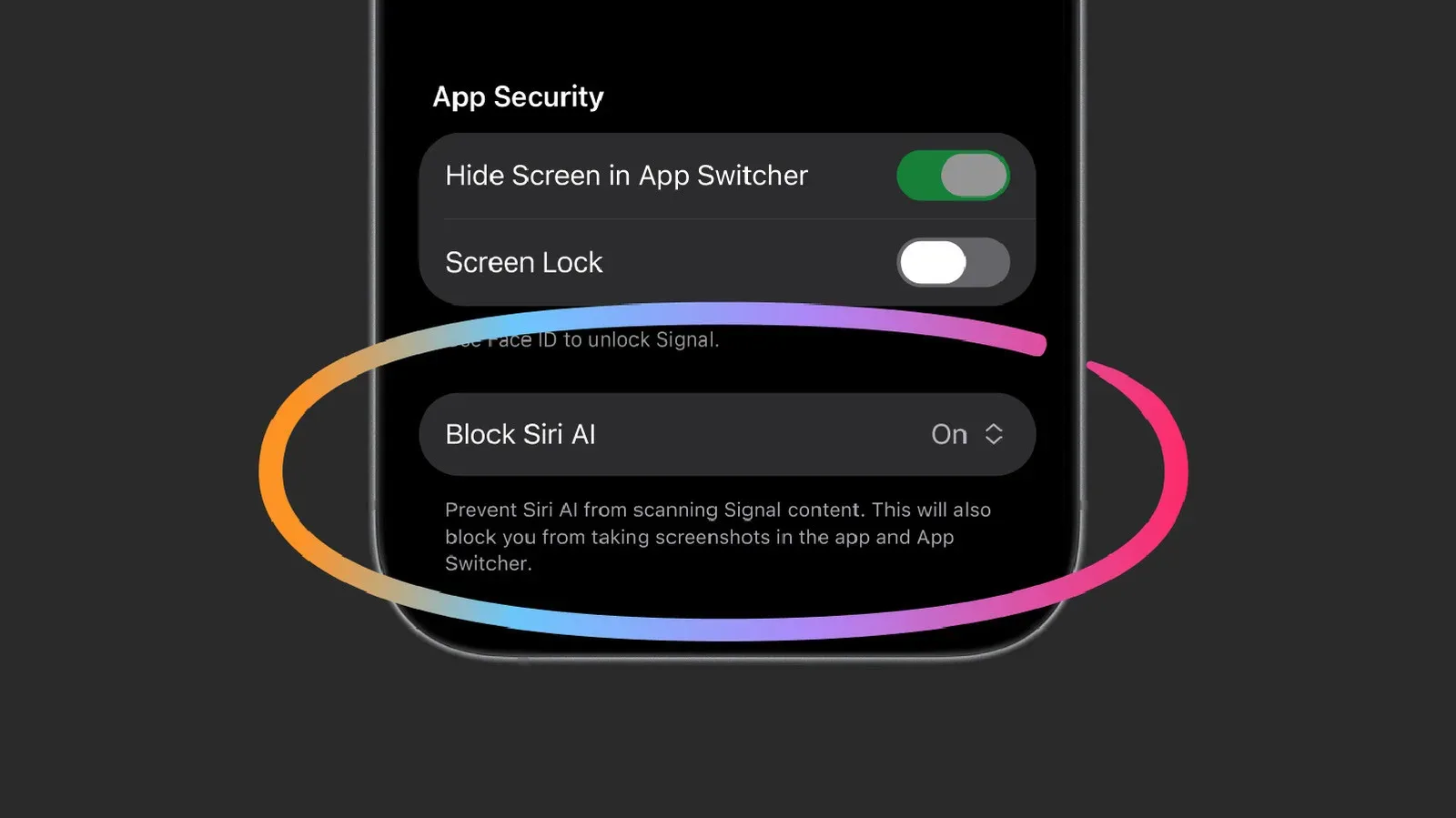
The story also sits alongside a wider question for the technology industry: when a product is used routinely in schools and by teens, what responsibilities accompany that reach? Recent platform stories have shown that safety and privacy debates often turn on implementation details rather than slogans; a separate look at screenshot blocking and private chats illustrates how a narrowly defined product measure can have concrete limits and tradeoffs. In YouTube’s case, any future teen safeguards will need the same level of scrutiny once their actual design is known.