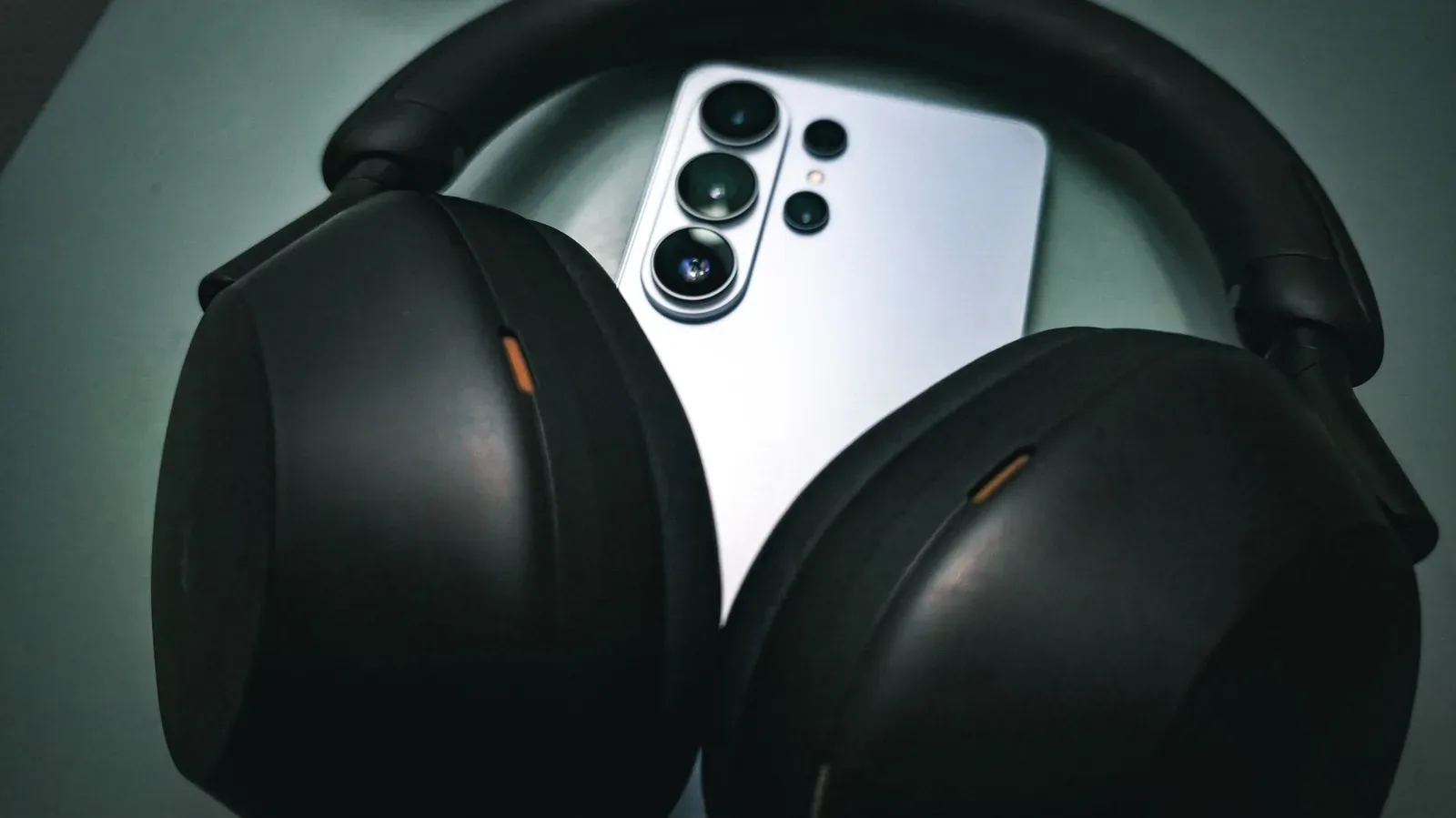
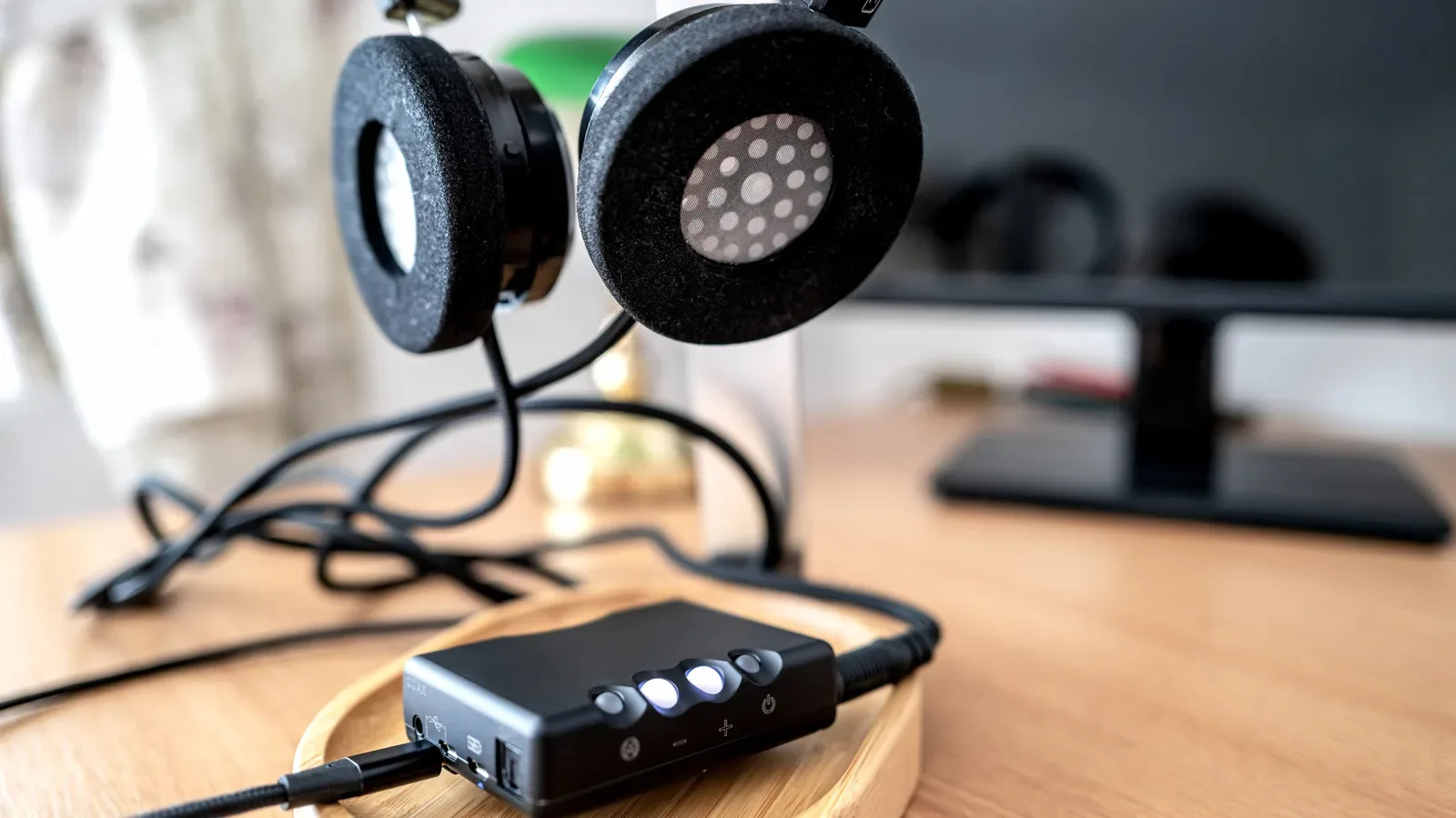
Your phone may now be able to stream music at CD quality or higher, but that does not automatically mean the sound reaching your headphones preserves all of that data. For listeners building a wired mobile setup around lossless or high-resolution music, an external DAC can be the small accessory that turns a phone’s charging port into a more capable audio connection.
DAC is short for digital-to-analog converter. The name sounds like a side quest unlocked by spending too long in an electronics menu, but its job is straightforward: it takes the digital information in a music file and converts it into an electrical analog signal headphones can reproduce as sound. Nearly every digital device has some form of DAC. The question is whether the one in a phone, dongle, or dedicated portable unit fits the listener’s formats, headphones, and goals.
An external DAC is not an automatic upgrade for every person with a streaming subscription. It is most relevant when the rest of the setup can take advantage of it: wired headphones, music delivered at lossless or high-resolution quality, and a DAC that supports the phone’s connector and the files being played. The practical lesson is less “buy the fanciest tiny box” and more “avoid a weak link in the chain.”
Why high-quality streaming alone is not the whole setup
Streaming services have increasingly offered lossless and high-resolution options. Spotify joined Apple Music, Tidal, Qobuz, and Amazon Music in offering Hi-Res streaming in 2025. Those options can provide CD-quality sound or better from a phone, but playback quality depends on more than the service’s badge.
The first consideration is the connection between the phone and headphones. Wireless headphones generally rely on Bluetooth, which uses the crowded 2.4GHz band also used by Wi-Fi routers and many smart devices. Bluetooth uses compression to reduce bandwidth demands. That means a conventional wireless connection will usually not deliver lossless audio, although aptX Lossless can do so when both the transmitting device and headphones support it.
This is not a ruling that wireless headphones are bad or that every commute must become a cable-management minigame. It simply defines the trade-off. Wireless listening prioritizes convenience, while a wired connection is the more direct route for someone specifically trying to preserve lossless and high-resolution playback.
For a phone owner who already uses wireless headphones and is happy with the experience, an external wired DAC may solve a problem they do not actually have. For someone with wired headphones and a lossless library or subscription, the calculation changes—especially because most modern smartphones no longer include a 3.5mm headphone jack.
What a DAC is doing, in plain English
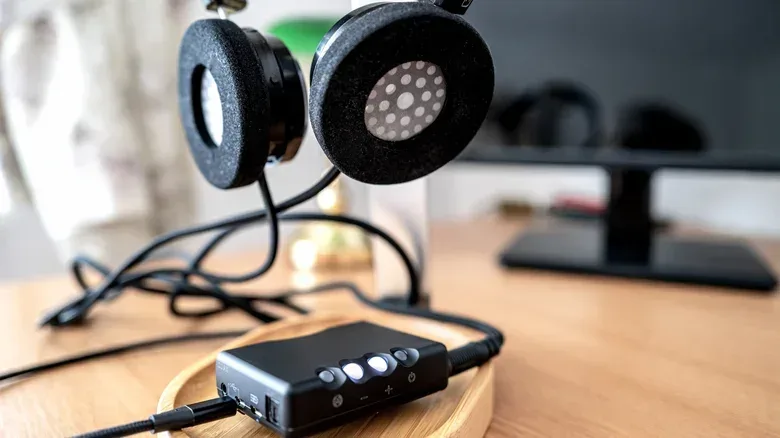
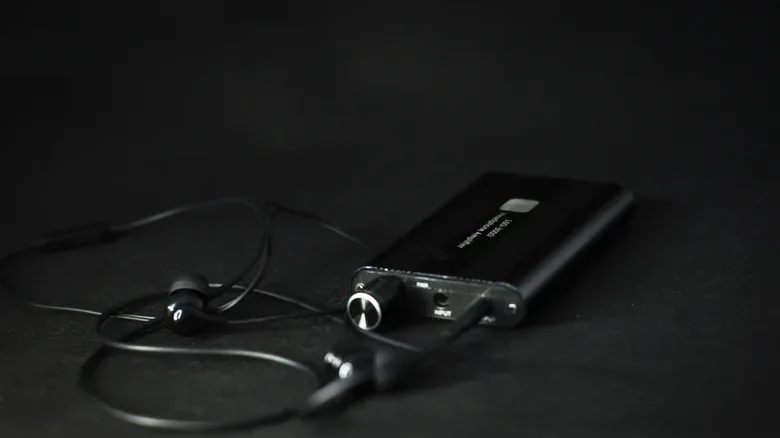
Music files are stored as digital data: a series of numerical values. A DAC translates those values into an approximation of the original analog waveform. That analog output is then sent to an amplifier, which provides the signal to headphones or speakers. Modern phone-oriented external DACs generally include an amplifier as well, so a single compact device can handle both stages.
Related coverage includes When an External DAC Is Worth Adding to Your Phone Audio Setup.
Two specifications frequently appear beside high-resolution audio:
- Bit depth describes the length of the digital code used for each audio measurement. More bits can represent the signal’s amplitude more precisely.
- Sample rate describes how often those measurements are taken over a set period. A 192kHz sample rate means 192,000 samples per second.
A file described as 24-bit/192kHz, then, uses 24-bit samples captured 192,000 times per second. Higher figures generally indicate a more precise digital representation of the signal. They do not, by themselves, guarantee that every listener will hear a dramatic difference, nor do they make a mismatch elsewhere in the chain disappear.
DAC quality can also involve supported formats and stable timing. Some models may not handle every high-resolution sample rate or format. Clock circuitry is another factor: errors in timing are associated with jitter, a playback issue that some listeners maintain can affect performance. The important shopping takeaway is not that every buyer needs to become a clock-design scholar. It is that a DAC should be selected for the files, service, and headphones it will actually be asked to support rather than its largest number printed on a product page.
When buying an external DAC is worthwhile
A dedicated DAC is most compelling in a few clear situations.
You use wired headphones with a phone that lacks a headphone jack
In this case, some kind of USB-C or Lightning audio solution is needed to connect headphones. A DAC is not just a theoretical sound-quality accessory; it is the bridge between the phone’s digital port and an analog headphone plug. A compact unit may be all that is required, provided it supports the desired audio formats and has the right connector.
You intentionally listen to lossless or high-resolution tracks
If the goal is to play files or streams beyond conventional quality settings, it makes sense to check whether the hardware can accept those formats and sample rates. This is particularly relevant for listeners using FLAC, WAV, or DSD files, since DAC support can vary.
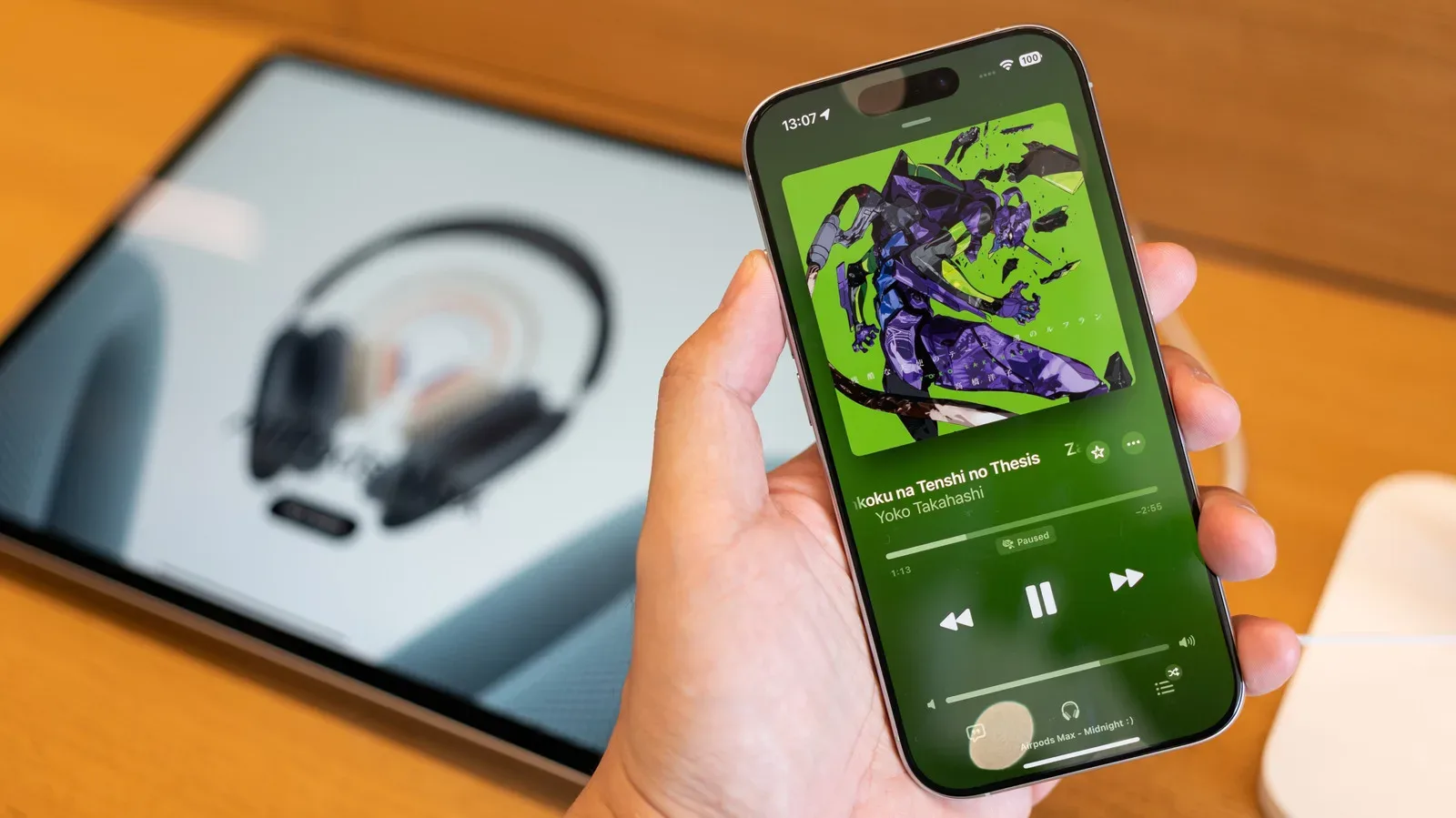
Apple’s own ecosystem offers a useful example of why the fine print matters. An iPhone can support lossless playback with AirPods Max first- or second-generation models over USB-C, but high-resolution audio beyond 48kHz requires an external DAC. That 48kHz limit is below Apple Music Hi-Res Lossless’s stated maximum of 24-bit/192kHz. The distinction between lossless and high-resolution is therefore not merely label decoration: the playback path affects which tier of the file can be handled.
You have headphones with a specific analog connector
Headphone plugs are a compatibility issue that can turn an otherwise sensible purchase into a desk ornament. The common 3.5mm jack is not the only possibility. Some headphones use a 4.4mm balanced connection, while others use a 6.3mm plug and may need an appropriate adapter. Buyers should identify the headphone plug first, then confirm the DAC offers that output or supports the necessary adapter arrangement.
Compatibility checks before spending anything
Start with the phone. Most buyers will be choosing between USB-C and Lightning connectivity. A DAC that physically connects to the handset is the baseline requirement, not an optional bonus feature.
Next, check the headphones. Determine whether they terminate in 3.5mm, 4.4mm balanced, or 6.3mm. Then check the music. A listener who only uses standard streams has different needs from someone who keeps FLAC, WAV, or DSD files and wants support for particular high-resolution rates.
Finally, match expectations to the listening method. If the plan is to remain wireless, a Bluetooth adapter designed around stronger codec support may be more relevant than a wired DAC. The Sennheiser BTD 700, for example, supports 24-bit/96kHz playback through aptX Adaptive and aptX Lossless. That does not erase the need for compatible source and headphone support, but it illustrates that Bluetooth capability is codec-dependent rather than a single, universal standard.
This broader compatibility-first approach is familiar across phone accessories. A device can have an impressive feature list while still failing to fit the port, software, or everyday use case that matters. That same habit of checking what a phone can actually do is useful well beyond audio, including the lesser-known settings covered in Gboard’s hidden Android tools.
Price ranges show there is no single “right” DAC
External DACs cover a wide span of prices. The FiiO KA11 is described as capable of 32-bit/384kHz playback and can be found for as little as $32. At the other end, Chord Electronics’ Mojo 2 can approach $600. Those figures should discourage two equally unhelpful assumptions: that a meaningful DAC must be expensive, and that every low-cost adapter has identical support or performance.
A less expensive model may be the rational choice for someone who needs a USB-C connection, a 3.5mm output, and compatibility with the formats they use. A premium unit may be relevant to a buyer with more demanding requirements, but its cost alone does not establish that it is necessary for every phone-and-headphone pairing.
The best buying checklist is consequently short and unspectacular: verify the phone port, verify the headphone jack, verify the supported formats and rates, and decide whether the listening will be wired or Bluetooth. That process is more valuable than treating bit depth as a leaderboard score.
The practical bottom line
An external DAC earns its place in a phone setup when it addresses a real limitation: no analog headphone jack, a need for a specific headphone connection, or a desire to play high-resolution material that a basic adapter or wireless path cannot fully accommodate. Wired headphones are the key companion piece for listeners prioritizing lossless playback, while supported codecs remain important for those who prefer wireless convenience.
It is an upgrade for a particular kind of listener, not a compulsory tax on enjoying music from a smartphone. But for people who have already chosen wired headphones and high-quality files or streams, the DAC is the component that makes the rest of that decision coherent—less glamorous than a new pair of headphones, perhaps, but potentially the piece that keeps the signal chain from dropping the loot before it reaches your ears.
Shop the products
Check current price, model and availability at the retailer.