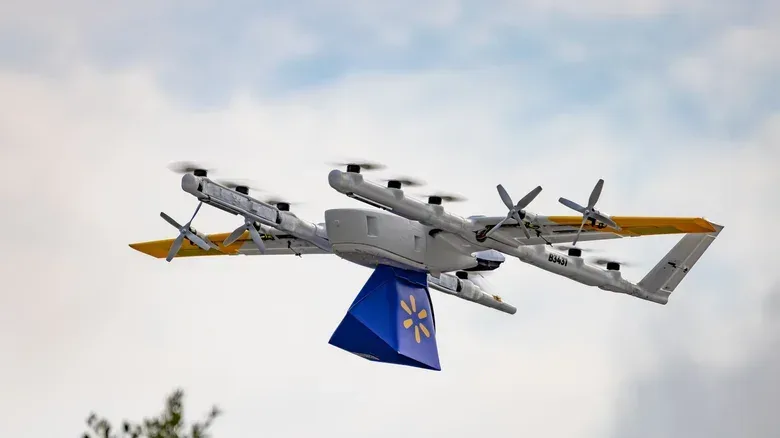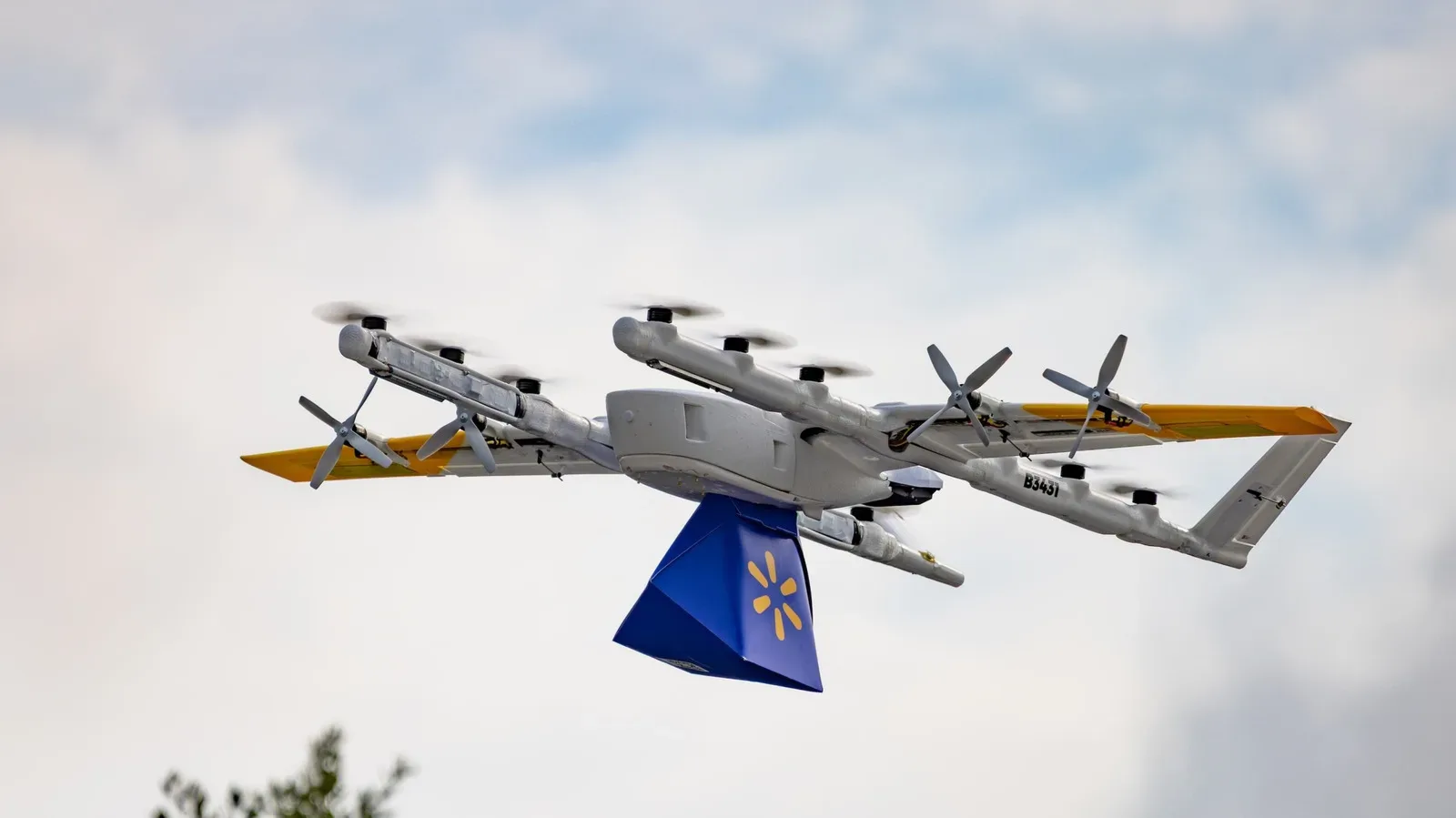
Walmart and Wing, the drone-delivery company owned by Alphabet, plan to begin service in the Denver and Seattle metropolitan areas in 2027. The two cities are the latest named destinations in a wider ambition to make aerial delivery available from more than 270 Walmart stores across the United States.
The announcement matters less as a promise that every household will soon have a flying grocery bag overhead and more as another concrete step in a retail logistics plan that is steadily adding metropolitan markets. The service is already operating in Atlanta, Charlotte, Dallas–Fort Worth, Houston and Orlando. Denver and Seattle join a list of intended expansion locations that also includes Miami, Philadelphia, Los Angeles and the San Francisco Bay Area.
What is planned for Denver and Seattle
The timetable supplied by the companies is 2027. That is a plan rather than a statement that the service is currently available in either metro area, and it leaves important practical specifics unconfirmed: the particular stores involved, the boundaries of eligible delivery areas, the range of available products and the rollout schedule within each market have not been detailed.
That distinction is important with drone delivery. A “Denver metro” or “Seattle metro” launch does not necessarily mean blanket coverage across every neighborhood in either region. The evidence establishes the intended metropolitan destinations, but not the exact footprint consumers can expect when operations begin. Customers will need to check the Walmart app or website once the service arrives to see whether a given order and address qualify.
Wing’s aircraft can travel at speeds of up to 60 mph and carry payloads of as much as five pounds. In delivery terms, a payload is the cargo the aircraft can carry, separate from the aircraft itself. The five-pound limit is therefore a useful guide to the intended role of the service: it is suited to smaller orders, not a replacement for every full-size shopping trip.
Speed should be read with similar care. A stated top speed of up to 60 mph describes what the drone can do in flight; it is not, on its own, a promised end-to-end delivery time. The supplied information does not set a delivery-time target, so shoppers should not treat the flight-speed figure as a guarantee of how quickly an order will arrive.
How ordering is expected to work
For Walmart shoppers, eligibility is designed to appear in the retailer’s app or on its website. If an order qualifies for drone delivery, the option will be displayed there. Customers can also place orders through Wing’s own app.
Eligibility is the key word. It means the system determines whether an order can use the air-delivery option. The available details do not spell out every condition behind that decision, but the payload ceiling alone makes clear that item weight can be consequential. An order above five pounds cannot fit within the stated maximum payload.
That model gives the customer two routes into the service while making drone delivery a conditional fulfillment choice rather than a universal default. In simple terms, shoppers select items, and the ordering system indicates whether their basket can be served by drone. If it can, they have an aerial-delivery option; if it cannot, the announcement does not suggest that the service changes the ordinary shopping alternatives.
A growing map, not a nationwide switch
Wing and Walmart’s existing five-market presence provides the clearest baseline for the new phase. Those active metropolitan areas are Atlanta; Charlotte, North Carolina; Dallas–Fort Worth; Houston; and Orlando, Florida.
The companies are also targeting fourteen additional destinations in total. Denver and Seattle are newly identified as part of that group, while Miami, Philadelphia, Los Angeles and the San Francisco Bay Area have also been named. The list shows the scale of the stated expansion strategy, but it should not be confused with a claim that every destination is launching at the same time or with the same local coverage. Only Denver and Seattle have been given the 2027 start expectation in the information provided here.
The longer-term store figure—more than 270 Walmart locations across the US—offers another way to understand the effort. It points to a multi-store network rather than a one-off trial at a single retail site. Yet the number is a future goal, not a declaration that more than 270 stores are already serving drone orders.
For consumers, the practical takeaway is deliberately narrower: availability is local, order-dependent and app-visible. A customer living in one of the named metro areas may ultimately have access, but their address and basket still need to qualify. A customer outside the active and planned markets should not assume the service is available merely because the broader 270-plus-store objective exists.
Why the five-pound limit shapes the service
The maximum payload is arguably the most revealing technical detail in the announcement because it defines what drone delivery is built to handle. Five pounds can accommodate a small collection of items, but it sets a firm ceiling. This makes the service most relevant when a shopper wants a modest order and values the convenience of delivery by air.
It also means the feature is best understood as one fulfillment option within Walmart’s broader ordering experience, not an all-purpose substitute for conventional delivery or in-store shopping. The supplied details do not identify a product catalog reserved for drone service, and it would be inaccurate to assume that every light item is automatically eligible. Weight is a clear constraint; the full set of qualification rules has not been published in the material available.
Likewise, the stated 60 mph maximum adds context without settling the customer experience. It indicates that the delivery method is designed around direct aerial movement, but does not say how orders are prepared, dispatched or timed. Those operational details will matter to customers, though they remain unknown for the forthcoming Denver and Seattle service.
Competition is building around aerial food and retail delivery
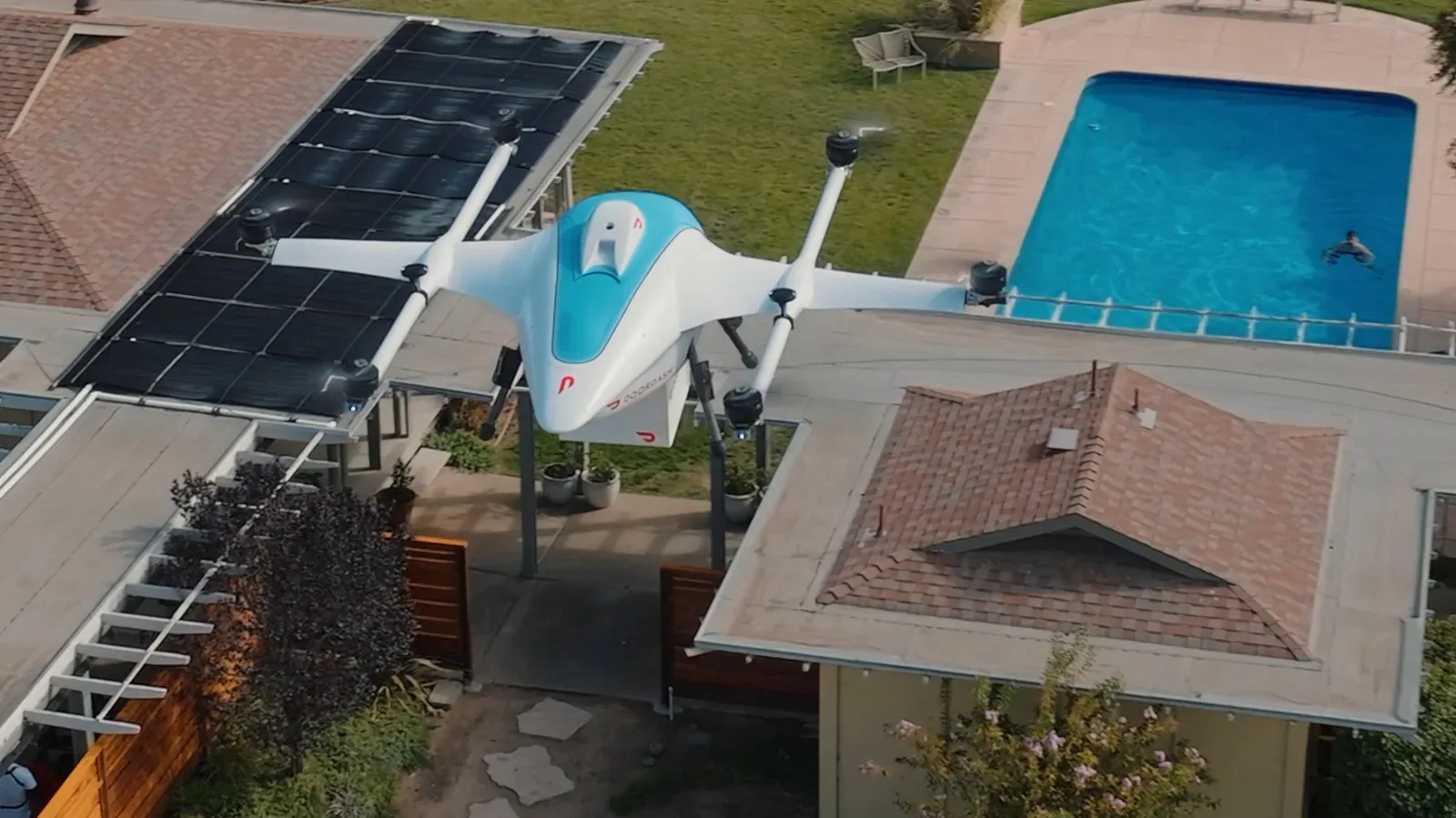
The expansion news arrives shortly after DoorDash shared additional details on its own drone initiative. DoorDash Air is set to debut in Northern California with Chipotle and Popeyes among its partners.
The two efforts are not presented as identical services. Walmart and Wing’s announcement centers on aerial fulfillment from Walmart stores, with ordering through Walmart’s digital storefronts or the Wing app. DoorDash’s named Northern California partners are restaurants. Still, both developments point toward a more crowded drone-delivery field, where retailers, delivery platforms and food brands are testing how small orders can move from a nearby location to a customer through the air.
For Wing, the Walmart relationship is also part of Alphabet’s wider set of business interests. Readers tracking the company’s corporate activity can find related coverage in this report on Google and news-compensation data talks in Poland. The drone service itself, however, is a distinct consumer-delivery operation with its own rollout plan and constraints.
What shoppers in the two metros should watch for
- Launch timing: Denver and Seattle service is planned for 2027, not available now on the basis of this announcement.
- Store and address coverage: The companies have not specified which individual Walmart stores or neighborhoods will participate.
- Order eligibility: Drone delivery will appear as an option in Walmart’s app or website when an order qualifies; Wing’s app is another ordering route.
- Weight: The drones can carry up to five pounds, setting a clear upper boundary for eligible deliveries.
- Capability versus promise: Up to 60 mph is the drone’s stated travel capability, not a published customer delivery-time commitment.
The announcement is therefore best read as a meaningful expansion marker with some deliberately unresolved consumer details. Denver and Seattle are now on the public roadmap, and the Walmart–Wing network is aimed at eventually reaching more than 270 stores. Until the 2027 launches take shape, however, the real measure for customers will be whether their local store, delivery address and desired order receive that eligibility prompt.