Ubisoft is cutting 166 roles across its Montréal and Québec City operations, adding another round of job losses to a turbulent period for one of gaming’s largest publishers. The company says the reductions reflect changing production needs as its portfolio evolves, with teams being resized to match current priorities and business requirements.
The announcement arrives alongside a quarterly financial update that sends a distinctly mixed signal. Ubisoft reported sales up 16.8% year over year, while net bookings fell 20.8%. It also said its global headcount has declined by nearly 1,100 people across the last two quarters.
Those figures matter because they illustrate why a sales increase is not, on its own, a simple all-clear for a publisher. Ubisoft is presenting progress on costs and its operating structure while reducing staff and facing uncertainty around the timing of its next large releases.
What Ubisoft said about the 166 roles
The affected positions are in Montréal and Québec City. Ubisoft described the decision as an adjustment to team sizes rather than identifying particular projects or disciplines affected.
“As our portfolio evolves, our production needs are changing, requiring us to adjust the size of some teams to ensure our resources are aligned with current production priorities and business needs.”
The company also said it values the contributions of the teams affected and recognizes the impact on colleagues. No further breakdown of the 166 positions was provided in the available information, so it is not possible to determine which games, support functions, or development stages may be most directly affected.
That lack of project-level detail is important. Layoffs can be connected to a completed game, a cancelled effort, a shift in technology, a change in outsourcing plans, or a broader push to lower costs. Ubisoft’s statement establishes a portfolio and production-priorities rationale, but it does not specify which of those factors applies to each role.
Another cut in a long restructuring cycle
This is not an isolated move. Ubisoft has continued to reduce its workforce through 2026. Earlier actions included 40 layoffs at Ubisoft Toronto in February; 380 staff cuts in June alongside the closure of Ubisoft Winnipeg and Ubisoft Belgrade; the shutdown of Finland’s Ubisoft Redlynx; and October reductions affecting roughly one in six employees across Ubisoft Düsseldorf, Ubisoft Berlin and Ubisoft Mainz.
There were also hundreds of layoffs, restructurings and studio closures over the preceding two years. Taken together, the pattern is less like one single company-wide event and more like a prolonged retrenchment across a large international studio network.
That distinction does not lessen the effect on the people losing jobs. It does, however, explain why the latest Montréal and Québec City reductions should be read as part of an ongoing effort to narrow spending and redirect development capacity, rather than as a standalone response to one newly disclosed result.
Sales and net bookings measure different things
Ubisoft’s quarterly results include two numbers that can appear contradictory at first glance: sales rose 16.8% year over year, but net bookings dropped 20.8%.
Sales generally refers to revenue recognized during the reporting period. Net bookings is a separate industry financial measure that can capture the value of products and services sold during a period before all of that value is recognized as revenue. The exact accounting treatment can differ by company and product mix, but the core takeaway here is straightforward: the two measures do not necessarily move together in a given quarter.
For readers trying to interpret the result, the data supports a cautious view rather than a definitive one. Higher sales show that Ubisoft recorded more revenue than in the comparable period a year earlier. Lower net bookings point to weaker underlying activity by that other measure. Without game-by-game figures, neither number reveals precisely which releases or services drove the change.
Ubisoft did say that Assassin’s Creed Black Flag Resynced outperformed expectations. It did not provide a sales number, player total, or other performance metric for the game in this update. “Outperformed expectations” is useful evidence that the title did better than Ubisoft’s internal plan, but it is not a substitute for a detailed commercial breakdown.
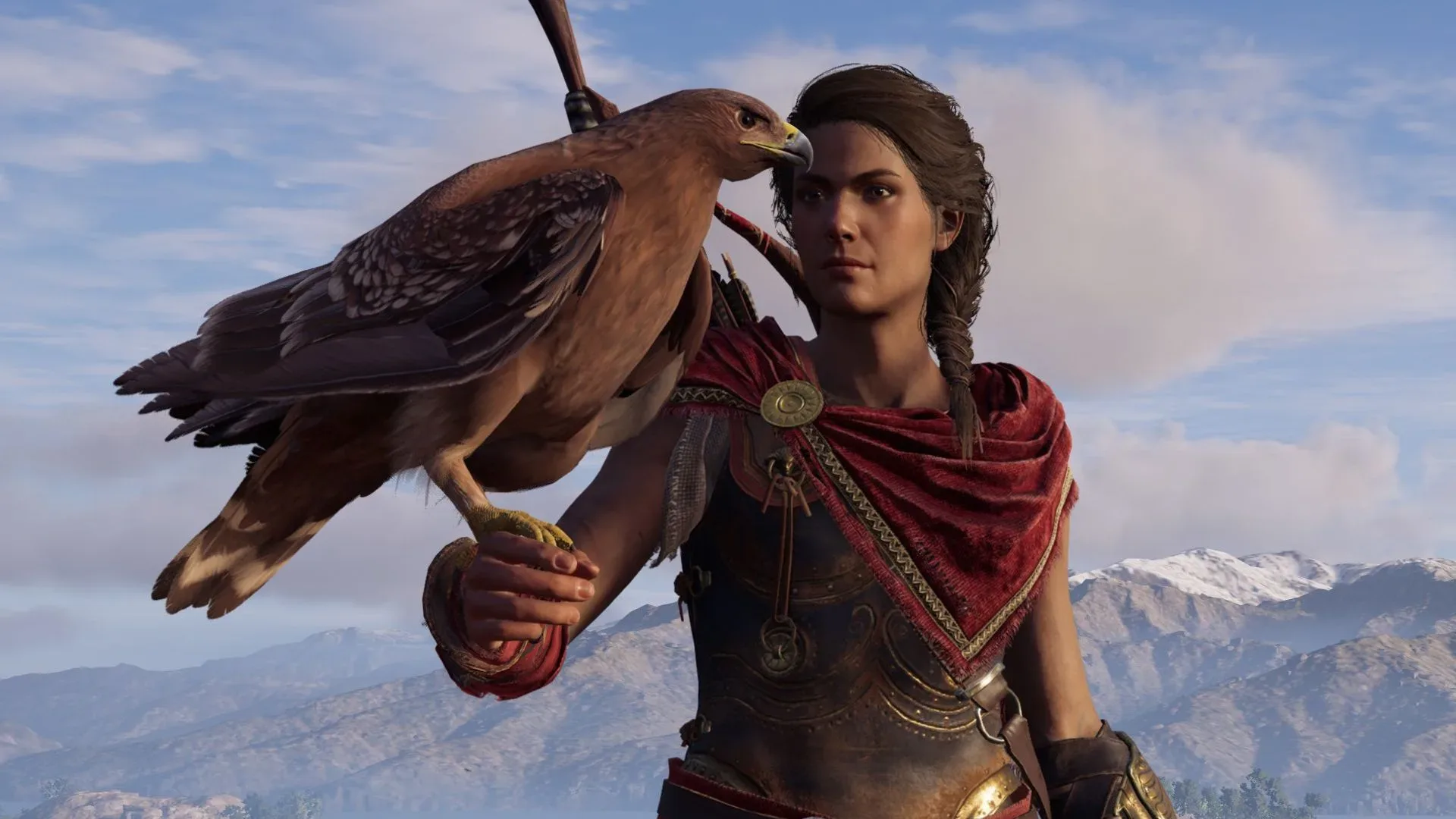
For more context on how the publisher has previously connected Assassin’s Creed activity to outside attention, see Ubisoft’s comments on an Assassin’s Creed Odyssey sales boost.
A release schedule with gaps and unanswered questions
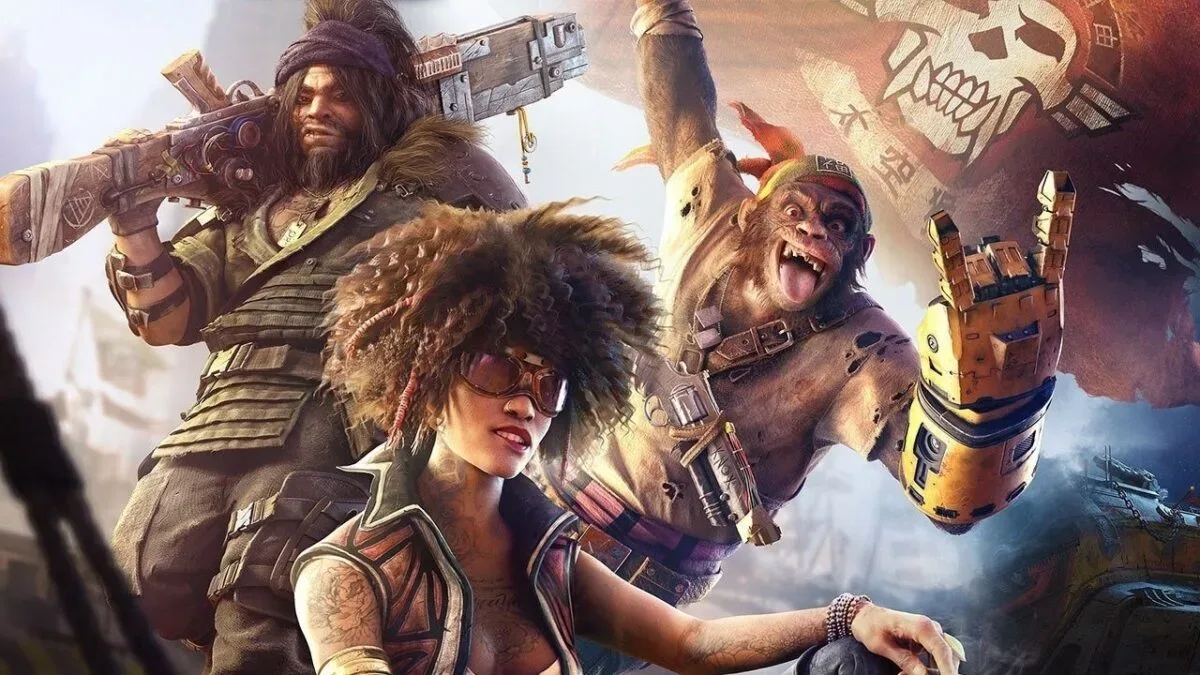
The central strategic issue is the path between the company’s recent releases and its next major wave of games. Ubisoft has Rayman Legends Retold listed for December, with Rainbow Six Tactics and Heroes of Might and Magic III Remake expected next year. It also has additional Assassin’s Creed projects and Beyond Good and Evil 2 in its pipeline, though no release dates were provided for those titles.
A pipeline is not the same thing as a launch calendar. For players, that means it remains difficult to know when the company’s biggest upcoming bets will arrive. For a publisher managing staffing and budgets, the gap between projects being in development and products reaching the market can be a consequential one: development expenses continue while the timing of new revenue remains uncertain.
That does not mean any unannounced cancellation or delay should be assumed. The available information does not establish that. It does mean Ubisoft’s present plans have more uncertainty than a schedule built around several firmly dated flagship releases.
Cost reduction, a new operating model, and Motherbrain
Ubisoft says its new operating model is now “fully in place” and that its cost-reduction plan remains on track. The company is also promoting Motherbrain, its AI initiative. In practical terms, these themes point to a publisher trying to alter both the cost of making games and the way work is organized across its studios.
“Operating model” is corporate shorthand for how an organization structures decision-making, teams, responsibilities and resources. It can involve concentrating authority, grouping franchises differently, changing approval processes, or revising how studios collaborate. Ubisoft has not used this update to explain exactly how the Montréal and Québec City cuts map onto that model.
Likewise, an AI initiative can cover a broad range of tools and goals. It should not be treated as proof that a specific laid-off role has been replaced by AI; no such connection was stated. What is clear is that Ubisoft is publicly positioning Motherbrain as part of its broader direction while it pursues lower costs and adjusts staffing.
Readers interested in that separate technology push can find more detail in Ubisoft’s Motherbrain plans for generative AI.
What to watch next
The next meaningful signals will be more concrete than broad corporate language: whether Ubisoft provides dates for major projects, whether it identifies the performance of individual releases in greater detail, and whether additional changes affect its studio footprint or headcount.
For now, the confirmed facts are narrower but significant. Ubisoft is removing 166 roles in Montréal and Québec City. It reports nearly 1,100 fewer employees over two quarters. Its sales rose while net bookings declined. And it is managing that combination while trying to establish its next release cadence and keep its cost-reduction plan moving.
For the teams affected, the immediate story is job loss. For Ubisoft, the longer-term test is whether repeated reductions and a reworked production strategy can translate into a clearer, more dependable slate of games without further eroding the development capacity needed to build it.