TikTok is making an emphatic case for its place in the modern music business: a commissioned report says that 94% of the sampled songs that entered the 2025 Billboard Global 200 had gone viral on the platform before appearing on the chart. It is a striking figure, and one that speaks to how closely short-form video, fan participation and mainstream music discovery are now tied together.
But the claim also needs to be read carefully. The report describes a strong overlap between songs that become viral in TikTok’s ecosystem and songs that later chart; it does not, by itself, demonstrate that TikTok caused each chart appearance. That distinction matters for artists, labels and listeners trying to understand whether a sudden social-media moment is the start of a durable career, a useful promotional boost, or simply one measure of a song’s wider momentum.
What the report examined
The platform commissioned Luminate to prepare its 2026 Music Impact Report. For its Global 200 finding, the study looked at 484 songs across the period from March 11 through December 4, 2025. Christmas and other holiday releases were excluded from the sample.
Within that set, 94% of tracks that entered the Billboard Global 200 were identified as having gone viral on TikTok first. The result is not a claim about every song released in 2025, nor every song that reached any chart. It is a finding about a defined sample of Global 200 entries during a particular period, with seasonal titles removed.
That scope is important. A chart entry is already evidence that a song has attracted substantial attention. Looking backward at those successful songs can reveal that TikTok was often part of their path into public view. It cannot tell us from this figure alone how many viral TikTok songs never become streaming or chart successes, or whether those songs would have charted through other channels anyway.
Still, the statistic makes a meaningful business point: music is increasingly encountered in an environment where a song can be used, replayed, remixed, discussed or paired with a joke, dance, scene or trend before a listener ever searches for the full track.
Correlation is not causation
The report also considered the relationship between TikTok views and on-demand audio streams. Across 516 artists, 43% showed a strong or moderate positive relationship between those measures during 2025.
In straightforward terms, a positive relationship means the two measures tended to move in the same direction. As views rose, streams often rose too; as views cooled, streams often cooled too. A strong or moderate relationship can be commercially useful because it suggests that attention on one service and listening on another may be connected.
Yet it is not proof of cause and effect. A major release campaign, radio exposure, press, touring, playlist placement, an existing fan base, or a cultural moment can all contribute to views and streams rising at once. A popular track may travel onto TikTok because it is already catching on elsewhere. Conversely, a TikTok trend may genuinely send listeners to an audio service. The available figures do not separate those possibilities track by track.
This is more than a technical footnote. Music marketing can go wrong when a correlation is treated as a guaranteed formula. A viral clip can create awareness, but awareness and commitment are different things. The former may be counted in views; the latter might show up in repeat listening, album engagement, ticket demand, long-term fandom or a listener’s willingness to follow an artist beyond one sound.
Why the distinction matters to artists
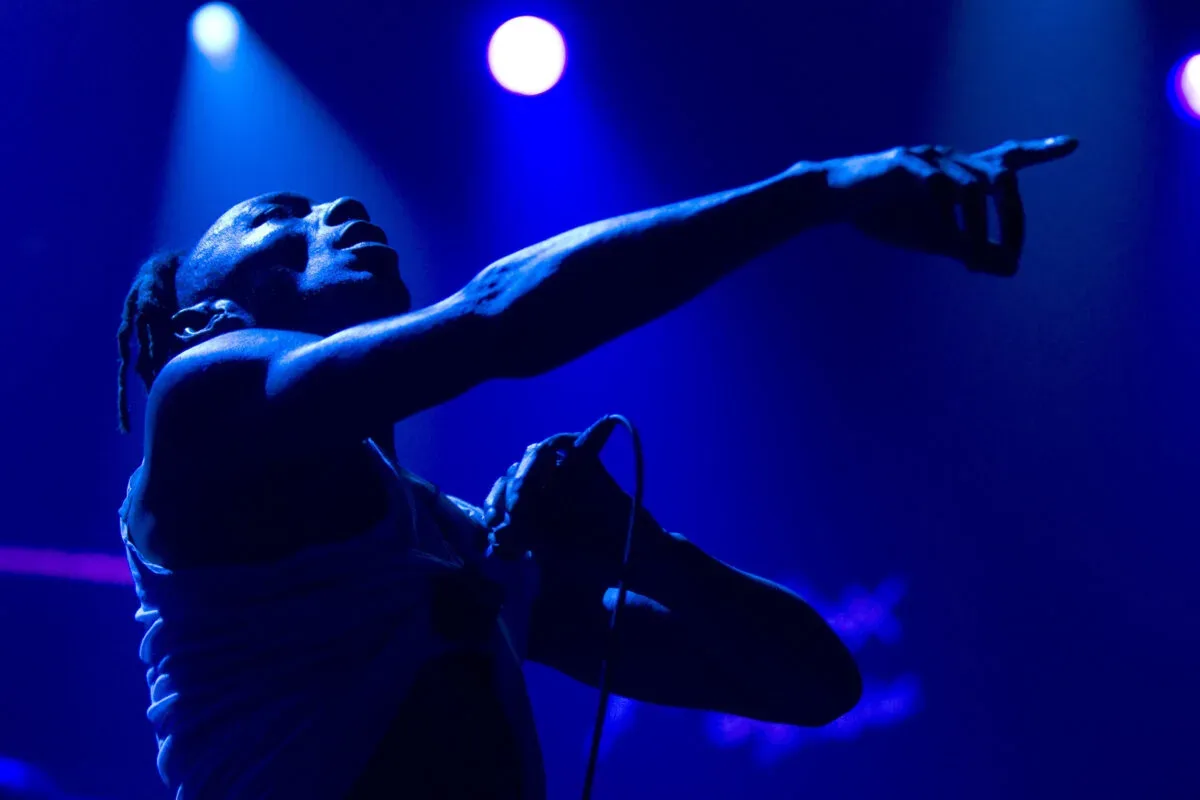
The debate lands at a moment when some artists have challenged an industry tendency to treat viral performance as the clearest sign of investable potential. Tricky has been particularly critical of the practice of signing or backing an artist on the strength of one viral record, then quickly withdrawing interest when a follow-up does not replicate the same result.
His alternative emphasis is on finishing an album before deciding which songs should be singles. That approach puts the body of work ahead of the demand for an immediate, easily marketable moment. It also recognizes that the track most suited to an artist’s project may not be the most instantly legible piece of content.
Tricky’s own “Out of Place” offers an example of that tension. The song reached BBC 6 Music’s A-list despite advice that it should not be issued as a single. It had no chorus, a feature that runs counter to one of pop marketing’s most familiar tools: a repeated central hook designed to be remembered quickly.
That does not make the song a rejection of accessibility, nor does it mean tracks with obvious hooks lack artistic value. Rather, it demonstrates that a song can connect without following the expected template. The commercial lesson is not that artists should ignore audiences. It is that a platform-friendly metric should not be allowed to become the sole definition of what audiences can value.
After making two albums for Domino, Tricky released his 2013 album through his own False Idols label. He described greater creative control as restoring his interest in recording, including the ability to make mixing decisions without needing label approval. For artists, creative control can affect far more than ownership or release plans: it can shape song selection, sound, sequencing and the freedom to take a risk that does not fit a current promotional pattern.
TikTok is not only a discovery platform
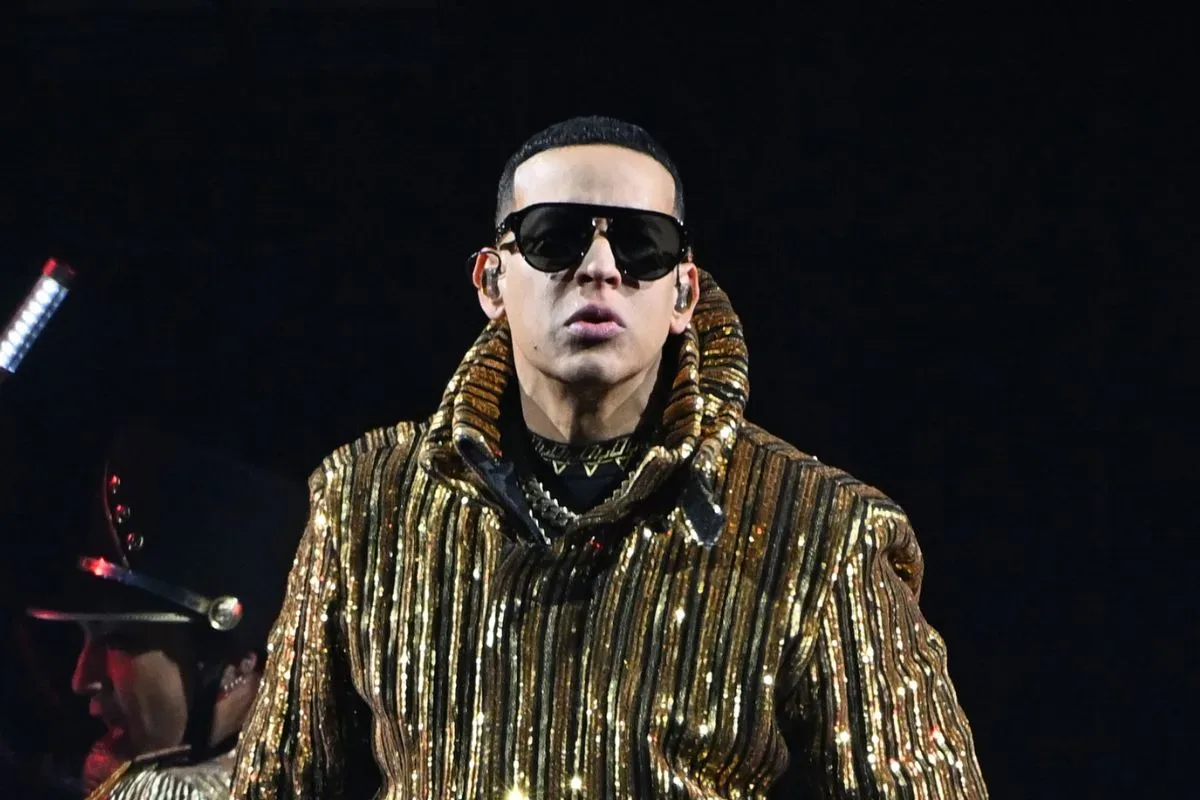
The company’s current music push extends beyond viral circulation. Through SoundOn, it is also forming direct relationships with established artists and labels. Daddy Yankee released the 15-track La Postal through DY Records in partnership with SoundOn on October 30.
The arrangement covered worldwide distribution, artist services and promotion. TikTok also built an album hub and dedicated search experience around the release, including tasks that unlocked a profile frame and exclusive video content. The project features Cardi B, Myke Towers, Danny Ocean, Bizarrap and Diljit Dosanjh.
Those details show a broader ambition than merely hosting clips that happen to use music. Distribution is the process of making recordings available across territories and services. Artist services and promotion can encompass the support surrounding a release, while a dedicated in-app hub gives a project an organized destination inside the platform. The profile-frame and video rewards add an interactive layer intended to give fans a reason to engage repeatedly.
For an established name, that model can turn a release into a campaign with multiple points of participation. For TikTok, it helps make the case that the service can sit closer to the core of a music launch, rather than simply benefiting from songs after they are released elsewhere.
What fans should take from the numbers
For listeners, the headline figure is a useful description of where discovery happens, not a verdict on what deserves attention. A viral sound can lead somebody to a full album, an older catalogue or an artist they would otherwise have missed. It can also reduce a song to its most immediately reusable seconds. Both outcomes are possible, sometimes for the same track.
There is a familiar parallel in games and other entertainment: a highly shareable moment can generate huge awareness without capturing the full experience. That is why the broader case for complete, self-contained work remains relevant in other media too, as explored in this look at the enduring appeal of single-player games. A clip, trailer or trending snippet can be a doorway; it is not necessarily the whole thing.
The practical takeaway for artists is similarly balanced. TikTok visibility may be an important route to listeners, and the report’s Global 200 sample suggests it frequently overlaps with major chart success. But the numbers presented do not establish a one-size-fits-all causal pipeline from viral post to sustainable career. Artists and teams still need to decide what success means for the work at hand: one song’s reach, a complete project, a fan relationship, creative independence, or some combination of all four.
TikTok’s report is strongest as evidence of the platform’s importance in the discovery landscape. It is weaker when read as a universal explanation for why songs become hits. The space between those two ideas is where the real music-business argument remains: how to use viral attention without allowing its shortest-lived signals to dictate every long-term creative decision.