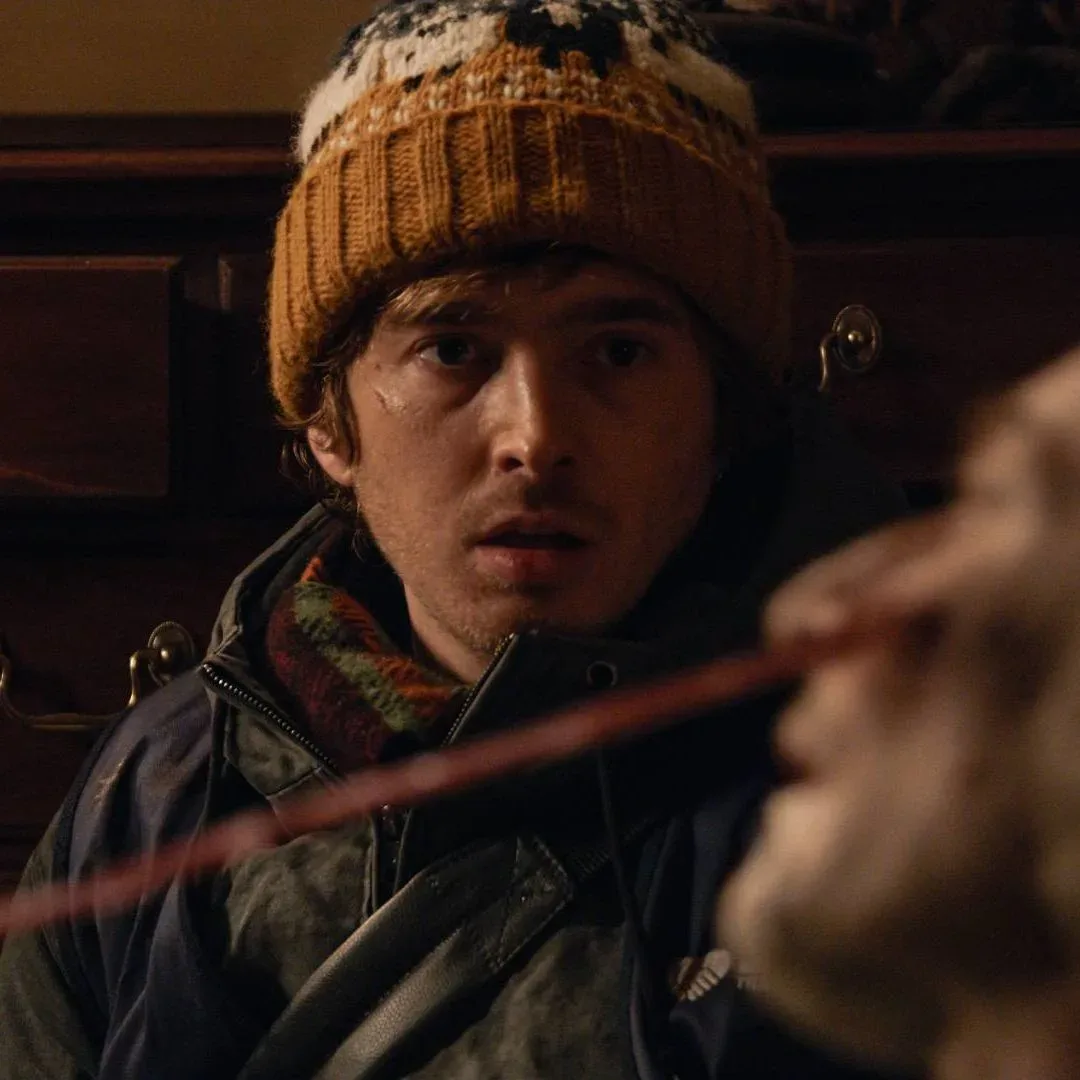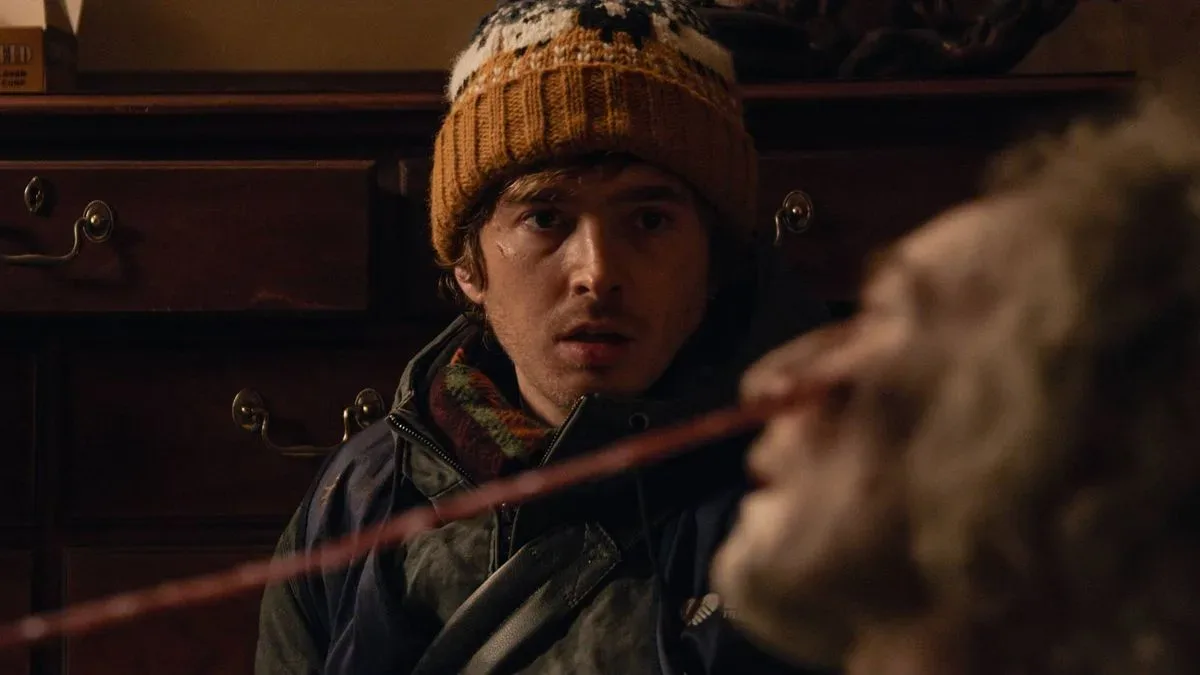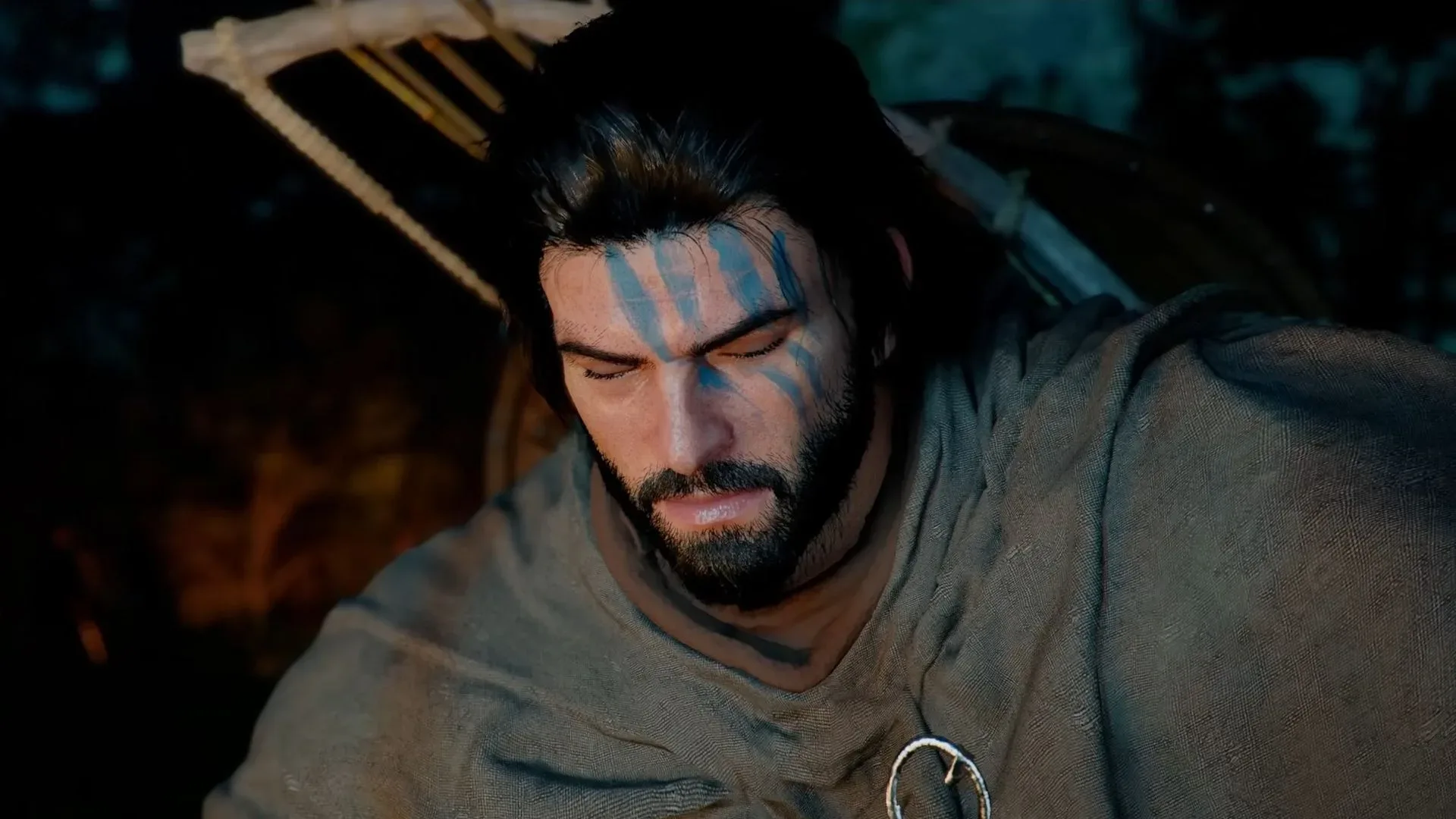
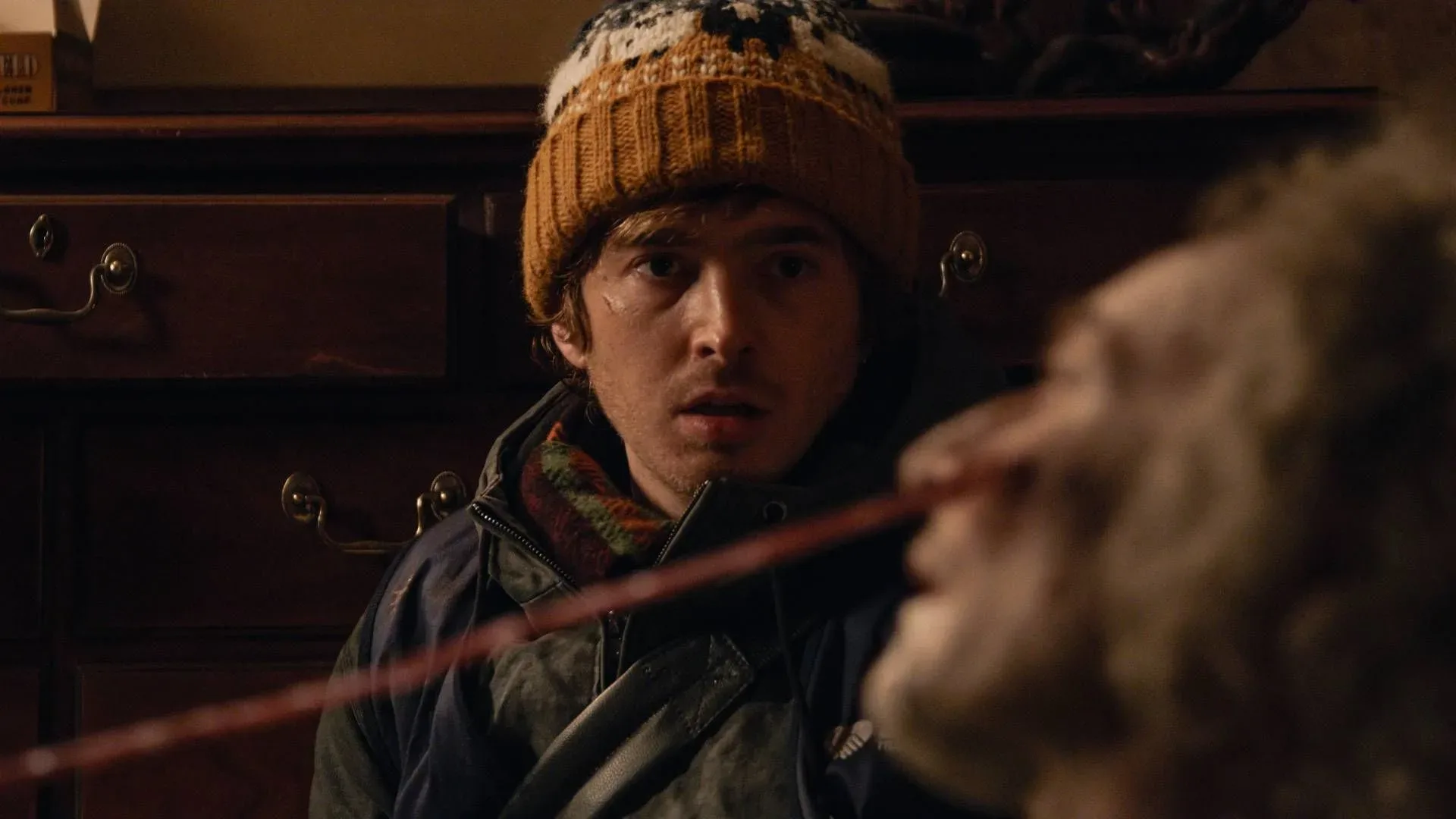
The Game Awards’ Best Adaptation category has five very different contenders in 2026: Resident Evil, Fallout season 2, Cyberpunk: Edgerunners 2, Mortal Kombat 2, and The Super Mario Galaxy Movie. The winner will be revealed when The Game Awards takes place on December 10.
That list matters not simply because it puts recognizable game names on an awards ballot, but because each nominee represents a different way to translate interactive material into film or television. There is a horror-comedy in Resident Evil, a returning live-action series in Fallout, animated follow-ups for Cyberpunk and Mario, and a second Mortal Kombat film. A single category is therefore weighing projects made for distinct audiences, formats, and expectations.
The available audience and reception indicators do not point to an obvious favorite. The Super Mario Galaxy Movie has the clearest commercial figure, having grossed more than $1 billion. Fallout season 2 reached 83 million viewers over 13 weeks, making it Amazon’s second most-watched returning show of all time. Resident Evil carries a 96% Rotten Tomatoes score, while Cyberpunk: Edgerunners 2 and Mortal Kombat 2 have Rotten Tomatoes scores of 80% and 63%, respectively.
Five nominees, five measures of success
Best Adaptation is unusually difficult to call because popularity, critical response, and the nature of the adaptation are not interchangeable measurements. A box-office total reflects ticket sales. A streaming audience figure reflects viewership over a defined period. A Rotten Tomatoes percentage summarizes the share of tracked reviews categorized as positive; it is not a direct score out of 100 and does not measure the size of an audience.
Those distinctions are important in a field containing both theatrical movies and streaming television. The Super Mario Galaxy Movie’s billion-dollar gross is a major signal of mass appeal, but it does not make a direct like-for-like comparison with Fallout’s 13-week streaming result. Likewise, Resident Evil’s 96% Rotten Tomatoes score gives it a formidable critical marker, but it describes reception from critics rather than the commercial reach recorded for Mario or Fallout.
What the category does demonstrate is breadth. These are not five versions of the same pitch. They draw from horror, post-apocalyptic role-playing, stylized science fiction, fighting games, and family-oriented platforming. The nominee slate makes a stronger case for judging adaptations by whether their chosen screen form works than by whether every project follows one universal template.
Resident Evil brings horror-comedy credentials
Resident Evil enters the race with the highest cited Rotten Tomatoes score among the nominees at 96%. The film is directed by Zach Cregger and has been characterized as a horror-comedy: a blend that seeks to produce tension and laughs without allowing either mode to erase the other.
That approach is especially notable for a property associated with horror. A successful horror-comedy needs tonal control. If the comic material punctures every scare, the danger can feel weightless; if the horror suppresses all humor, the “comedy” portion becomes little more than occasional relief. Resident Evil’s critical response suggests that its mix has landed effectively with reviewers, and its nomination places that response at the center of the awards conversation.
Related coverage includes The Game Awards 2026 Best Adaptation Race Is Packed With Fallout, Resident Evil and More.
For voters, the question may be whether a strong genre execution is the most persuasive form of adaptation. The source material’s identity is tied to fear, monsters, and survival, while the film’s stated genre framing signals that it has made room for a more playful cinematic register. That can be a strength when the result retains the atmosphere people associate with the property, but it is also a reminder that faithfulness is not limited to repeating plot points.
Fallout season 2 has the biggest streaming case
Fallout season 2’s 83 million viewers in 13 weeks give it a very substantial audience achievement. It also became Amazon’s second most-watched returning show of all time, placing it in a rare tier for an ongoing streaming series.
Its nomination is a recognition of television adaptation rather than a one-off film event. A second season has a different task from an initial launch: it must continue a story after the audience already knows the world and characters while still giving viewers a reason to return. It is not enough merely to rely on the novelty of a familiar game setting.
The Fallout universe also carries a particularly devoted audience, a point reflected in comments from Walton Goggins, who plays the Ghoul. Discussing the series’ future, Goggins said the team feels it has honored how “sacred” the material is to fans in season 3, and that a potential fourth season would seek to continue that care.
“I feel confident that we’ve done that in season three, and if we get the opportunity to come back for season four, that would continue to honor how sacred this is to people. It’s not something that we take lightly.”
That statement is about seasons beyond the nominated second season, not a claim about what those future episodes contain. Still, it underlines a practical reality for long-running game adaptations: audience trust is not won once. Every new installment must balance the needs of a television story with the responsibility that comes with adapting a setting players have spent years exploring.
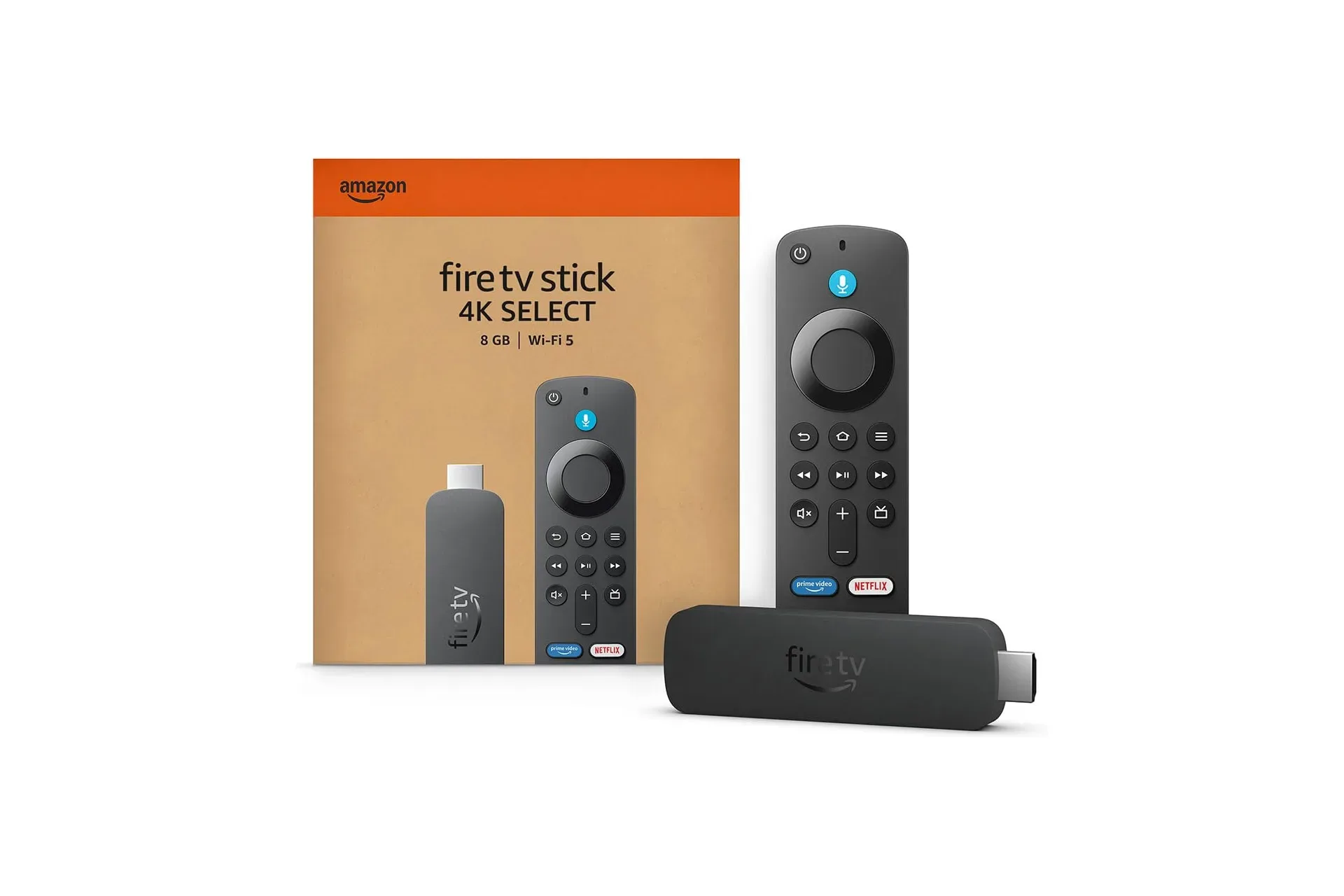
For viewers keeping a streaming setup ready for major series, our look at the Fire TV Stick 4K Select’s trade-offs explains why a low entry price is only one part of the viewing-device decision.
Mario’s commercial scale cannot be ignored
The Super Mario Galaxy Movie arrives with the most striking theatrical benchmark in the category: more than $1 billion in worldwide gross. That scale makes it hard to separate the film from the wider conversation about how broadly game-based stories can travel beyond their original player communities.
Mario is also a useful reminder that adaptation success can look radically different depending on the property. The central challenge for a family-focused animated adventure is not the same as the one facing a violent horror-comedy or a serialized wasteland drama. Tone, pacing, age range, visual language, and the role of humor all change with the material.
A billion-dollar gross does not settle an awards vote on its own, and the Best Adaptation category is not explicitly a box-office prize. But it gives Mario a compelling argument based on reach. Any winning project has to convince voters it adapted its game identity well; Mario can also point to an enormous audience that chose to see the result in theaters.
Cyberpunk and Mortal Kombat add animated and fighting-game perspectives
Cyberpunk: Edgerunners 2 and Mortal Kombat 2 round out the nominees with Rotten Tomatoes scores of 80% and 63%. Both are designated “fresh,” but the gap between those figures also shows why this contest should not be reduced to one aggregate metric.
Cyberpunk: Edgerunners 2 represents an animated continuation connected to a game universe. Animation can be a natural fit for a setting whose appeal includes heightened style and visual imagination, though a nomination does not require it to mimic a game’s appearance exactly. The relevant creative issue is whether animation serves the story and the world it is adapting.
Mortal Kombat 2 faces a different challenge. Fighting games are often remembered through their fighters, rivalries, iconic moves, and intense matches rather than a single linear campaign. Screen adaptations must shape those ingredients into a coherent movie while preserving enough of the property’s identity to satisfy the people who know it as a game. The 63% Rotten Tomatoes score is the lowest cited among the nominees, yet its place on the ballot confirms it remains a serious contender in the category.
Together, Cyberpunk and Mortal Kombat emphasize that the definition of “adaptation” should be broad enough to include distinct storytelling methods. One need not be live action, prestige drama, or a gigantic box-office hit to belong in this race.
What Best Adaptation is really testing
The phrase “video game adaptation” once invited assumptions that screen versions would be lesser companions to their games. This year’s nominees do not prove that every adaptation succeeds, nor can five projects settle the quality of an entire medium. They do, however, offer evidence that the category now contains projects with meaningful critical response, major audience reach, or both.
The sharper question is not whether an adaptation is identical to its game. Games give audiences agency; movies and television guide viewers through a fixed sequence of events. That basic difference means adaptation always involves choices about what to preserve, condense, invent, or reframe.
- Resident Evil makes its case through a strongly received horror-comedy approach.
- Fallout season 2 has exceptional returning-series viewership and the demands of ongoing television storytelling.
- The Super Mario Galaxy Movie carries extraordinary theatrical reach.
- Cyberpunk: Edgerunners 2 represents a positively received animated expansion of a game world.
- Mortal Kombat 2 brings a fighting-game property into a cinematic format with its own structural demands.
There is no supplied voting criterion that tells us whether reception, reach, fidelity, craft, or cultural impact will carry the most weight. That uncertainty is what makes the category genuinely competitive rather than a coronation. On December 10, one nominee will take the award, but the ballot itself already captures how many shapes a game adaptation can take.