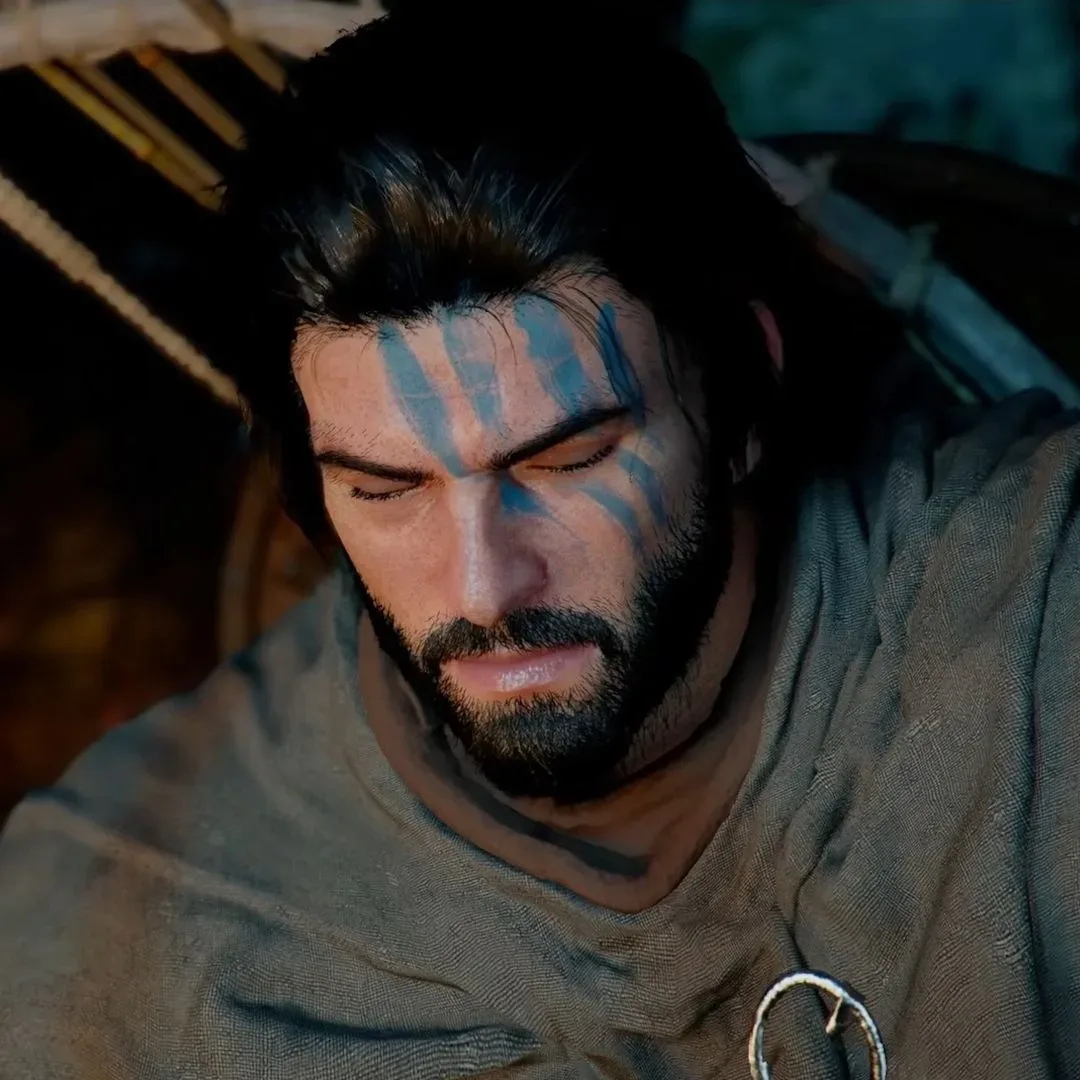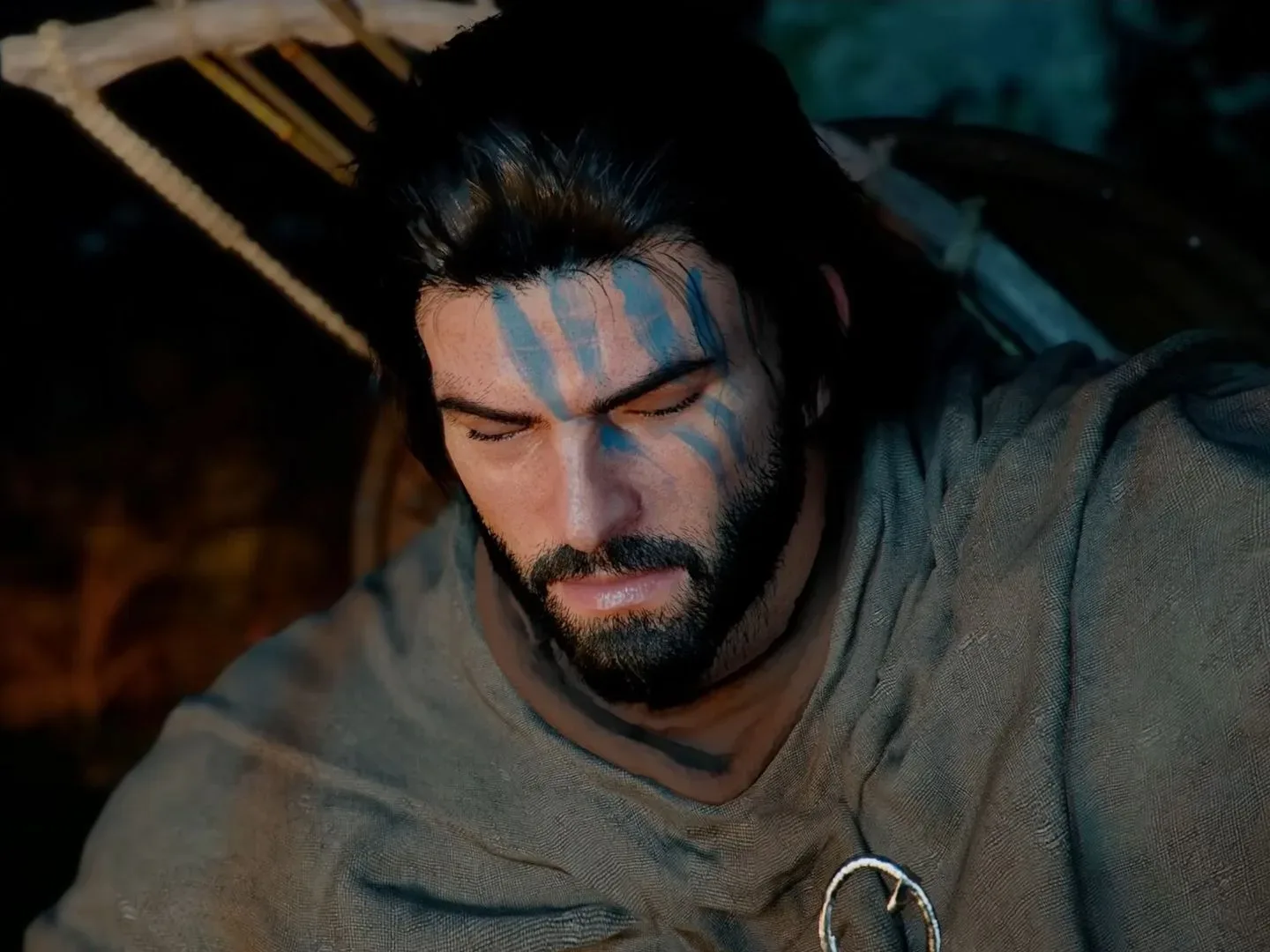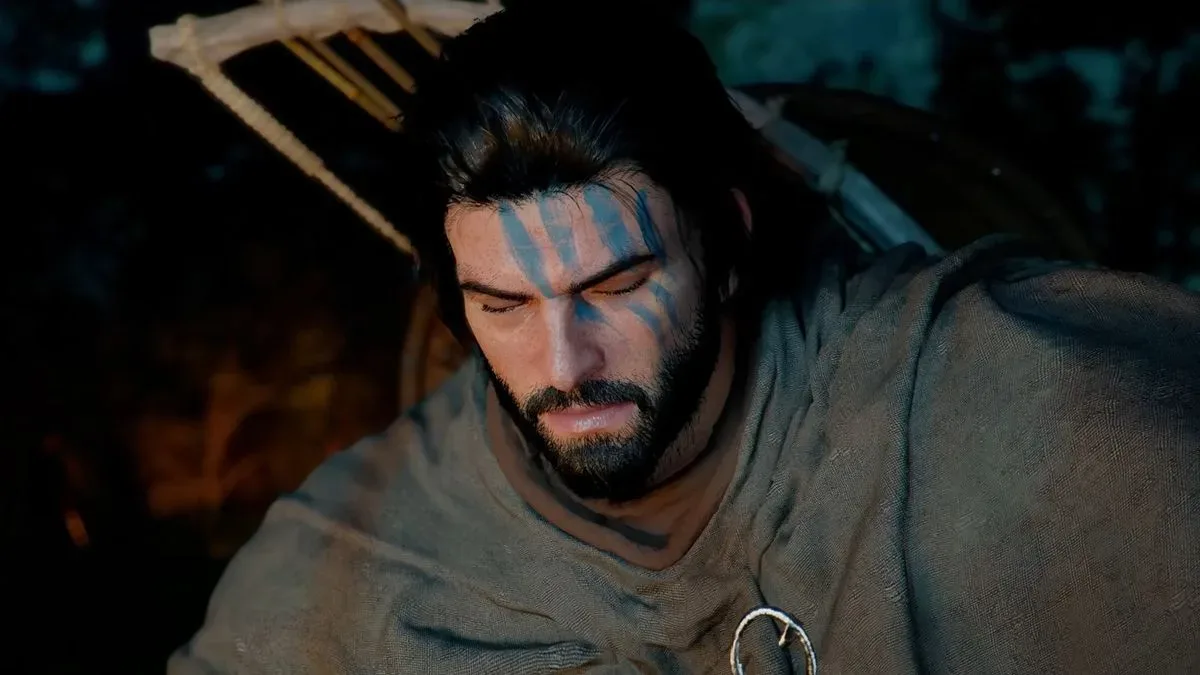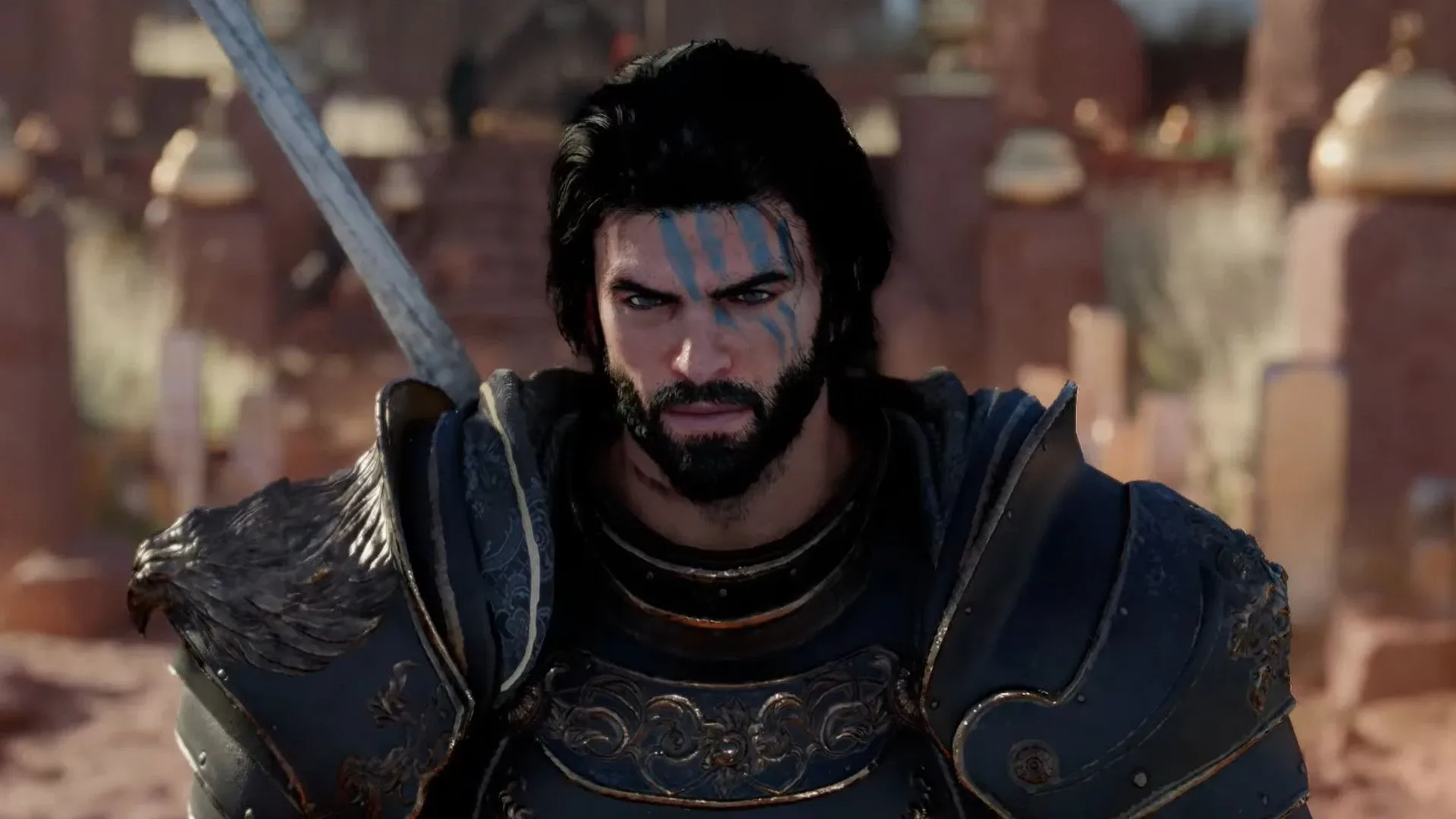
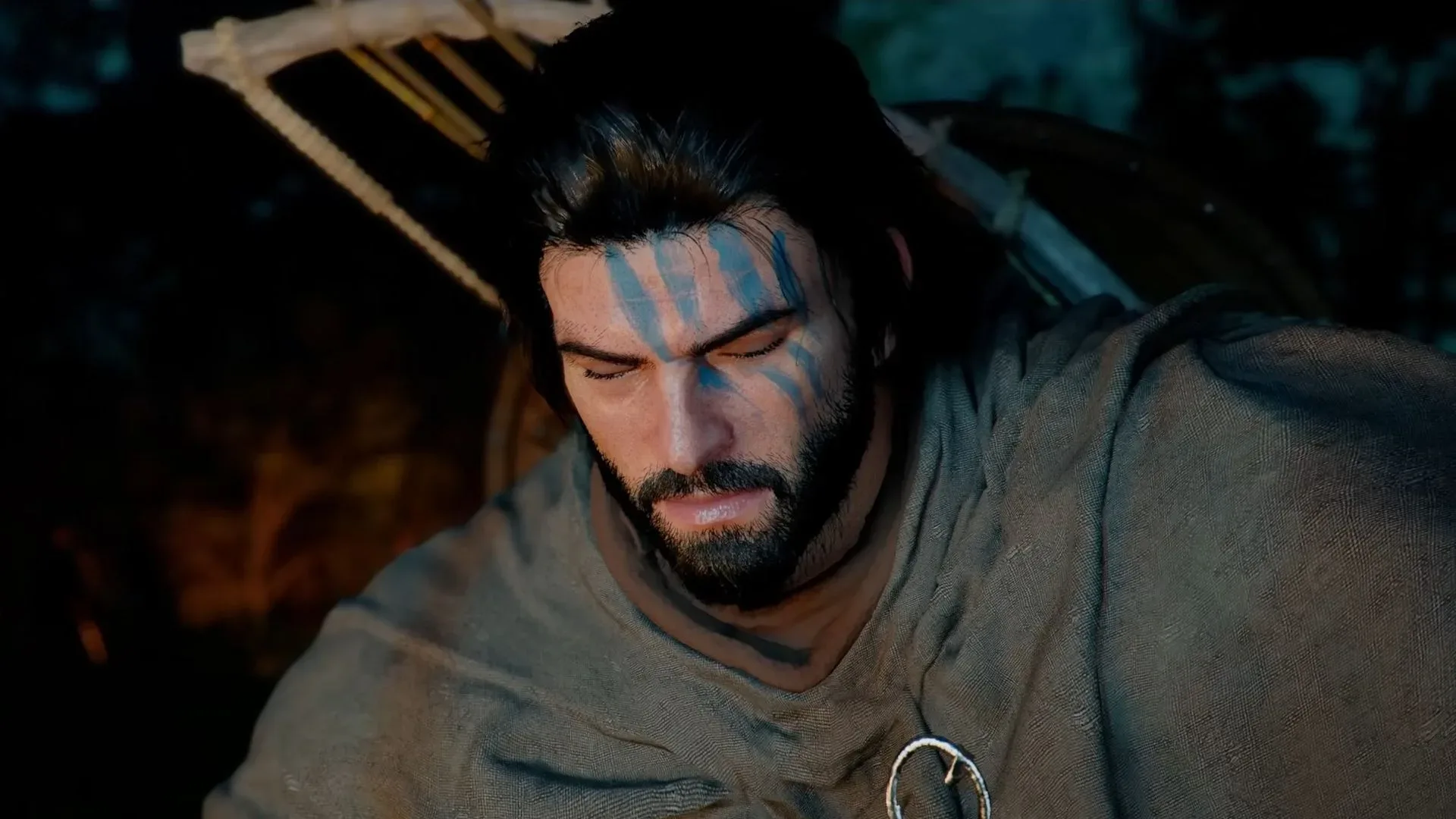
Crimson Desert’s place in the Game Awards 2026 conversation is defined as much by what it did not receive as what it did. Pearl Abyss’ game is nominated for Best Community Support, but it is absent from the Game of the Year field and did not appear in Best RPG or Best Action/Adventure. That limited recognition has prompted a sharp public response from John “Bucky” Buckley, Pocketpair’s head of publishing and communications, as well as a wave of dissatisfied fans.
Buckley framed the outcome as a significant oversight, questioning how the game could be considered for community support while being passed over in genre categories. “To say I’m disappointed would be an understatement,” he said, calling the result “a terrible shame.”
The reaction reflects a familiar awards-season tension: nomination lists are not simply rankings of technical achievement, popularity, commercial stature, or the amount of work a studio has continued to put into a game after launch. They are selections within a limited set of categories. That distinction does not make the exclusion sting less for players who saw Crimson Desert as one of 2026’s defining releases, but it does help explain why the Best Community Support nod and the absent genre nominations are being discussed separately.
What Crimson Desert was nominated for
Crimson Desert’s sole nomination is for Best Community Support. In practical terms, that category puts the spotlight on a game’s ongoing relationship with its audience after release: updates, improvements, additions, and the studio’s continued stewardship of the experience. Pearl Abyss has regularly updated the game with changes and new features since launch, making this particular nomination a clear acknowledgement of that continuing work.
It is also a category with a different purpose from Game of the Year or a genre award. A Game of the Year nomination broadly signals that a title is being considered among the year’s top overall games. Best RPG and Best Action/Adventure, meanwhile, place games in a discussion driven by the conventions and strengths of those genres. Community support is not a consolation prize, nor is it a comprehensive judgment on every aspect of a game. It recognizes a specific kind of post-launch contribution.
That is exactly why Buckley’s criticism has resonated with fans: they do not dispute that the community-support nomination fits. Rather, they argue that it is incomplete recognition for a game they believe also deserved to compete on the merits of its design and ambition.
A crowded Game of the Year slate
The 2026 Game of the Year nominees are GTA 6, The Legend of Zelda: Ocarina of Time remake, Resident Evil Requiem, Control: Resonant, 007 First Light, and Phantom Blade Zero. Crimson Desert is not on that list.
GTA 6’s inclusion has become a notable talking point in its own right, because it was named a nominee before its launch and before reviews were available. Its presence makes this an unusual lineup and will likely keep the debate focused on what awards are intended to recognize: games already experienced by voters and players, anticipated games with enormous cultural weight, or some mixture of the two.
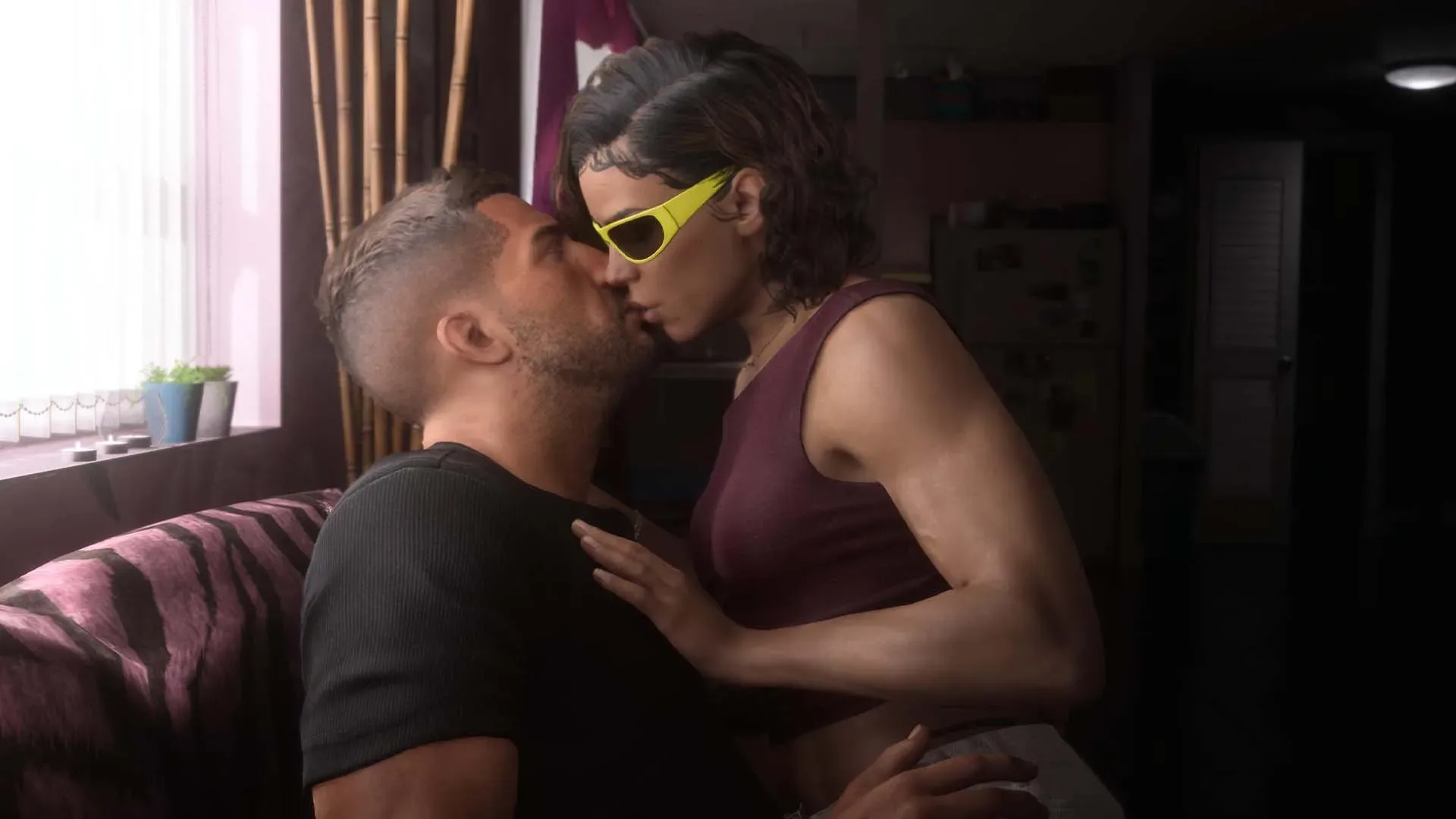
For readers tracking the game’s larger buildup, Joking Joystick has also covered GTA 6’s final polish work around Jason and Lucia’s partnership. The comparison is not a direct measure of Crimson Desert’s quality, but it illustrates the outsized attention competing releases can command during an awards cycle.
Fan responses following the nominations were blunt. Some challenged GTA 6’s presence in the category; others focused more narrowly on Crimson Desert’s omission from RPG and action/adventure recognition. One recurring point was that Crimson Desert previously won PC Game of the Year at the Joystick Awards, making its single nomination here feel especially discordant to supporters.
Why Buckley has made the case for Crimson Desert
Buckley’s frustration did not emerge only after the nominations. He has consistently championed Crimson Desert since its release earlier in 2026, describing it as one of the most technically ambitious games of the last decade and arguing that it has been undervalued because it does not conform to the structure of a linear, narrative-led RPG that offers only the appearance of player freedom.
That argument points to a larger question beneath the awards dispute: how well do genre labels capture games built around multiple overlapping systems and priorities? The source material does not provide a full feature breakdown of Crimson Desert, so it would be wrong to turn that claim into a detailed account of mechanics. But Buckley’s comments clearly position the game as one whose appeal is tied to a broader sense of freedom and technical scale rather than a narrowly linear narrative model.
Technical ambition, in this context, is not a formal awards metric. It is a critical shorthand for the scale or complexity of what a game attempts to accomplish technologically. The term can refer to many areas, but no particular technical feature should be presumed without further evidence. Buckley’s point is evaluative: he believes the game’s ambitions were substantial enough to warrant wider awards consideration.
That does not settle the awards question. “Ambitious” and “award-worthy” are related but not identical judgments. A nomination process can favor many things at once, including execution, impact, narrative achievement, direction, genre fit, or the overall makeup of a ballot. The notable fact here is that Crimson Desert’s supporters believe the game cleared those thresholds in more than one area, while the awards recognition presently isolates its post-launch support.
It was not the only game with limited recognition
Crimson Desert is not alone among high-profile 2026 releases with a thin nomination tally. Fire Emblem: Fortune’s Weave received one nomination, in Best Role Playing Game, and Final Fantasy Resonance also received one. Their circumstances are not identical: each game has its own audience, critical conversation, and category fit. Still, the examples underline how a large release can remain central to player discussion without appearing across a broad range of award categories.
This is one reason nominations generate more debate than their concise lists might suggest. A ballot is finite, while the year’s releases and the communities attached to them are not. Fans often interpret exclusions as a verdict on a game’s importance. In reality, an omission can invite several readings at once: a narrowly competitive category, a mismatch between a game’s strengths and the available labels, or straightforward disagreement among those selecting nominees.
For Crimson Desert, the strongest immediate evidence is its Best Community Support nomination. It confirms that Pearl Abyss’ ongoing updates and additions have been noticed. It does not answer the separate argument over whether the game should have appeared in Game of the Year, Best RPG, or Best Action/Adventure.
The AI debate remains part of Pearl Abyss’ backdrop
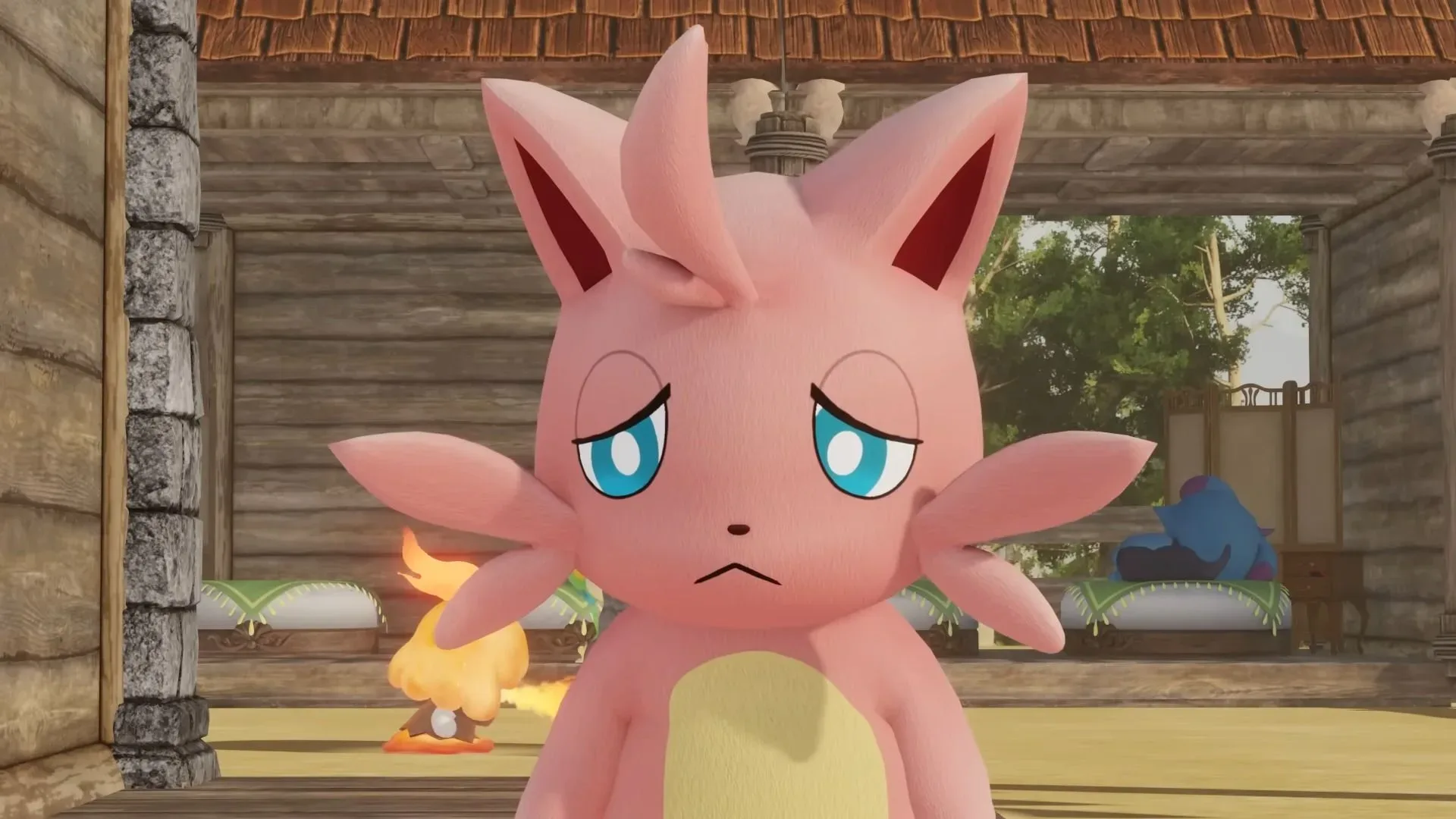
The awards response arrives alongside a separate controversy involving Pearl Abyss’ plans for artificial intelligence in development. The company has faced backlash over AI and has said it is implementing the technology throughout its development pipeline, including for the upcoming Pokémon-like game DokeV.
A development pipeline is the collection of processes and tools a studio uses to make a game, rather than a single player-facing feature. Saying AI will be used throughout that pipeline is therefore broader than saying it will appear in one part of a finished game. The available information does not specify the exact tasks, tools, or player-visible effects involved, so those details should remain unresolved rather than assumed.
That issue is distinct from the Game Awards nominations, but it is part of the broader conversation around Pearl Abyss and its games. Crimson Desert can be celebrated for its support record by one group of players, criticized or debated in relation to AI practices by another, and viewed as under-recognized in awards categories by Buckley and its fans. Those positions can coexist, even when they pull public attention in different directions.
For now, the awards picture is straightforward: Crimson Desert is in contention for Best Community Support, and nowhere else. Whether that single nomination becomes a win, and whether the continuing discussion changes how the game is remembered within 2026’s crowded release slate, remain open questions. What is already clear is that the omission has become part of the awards story rather than a quiet footnote to it.