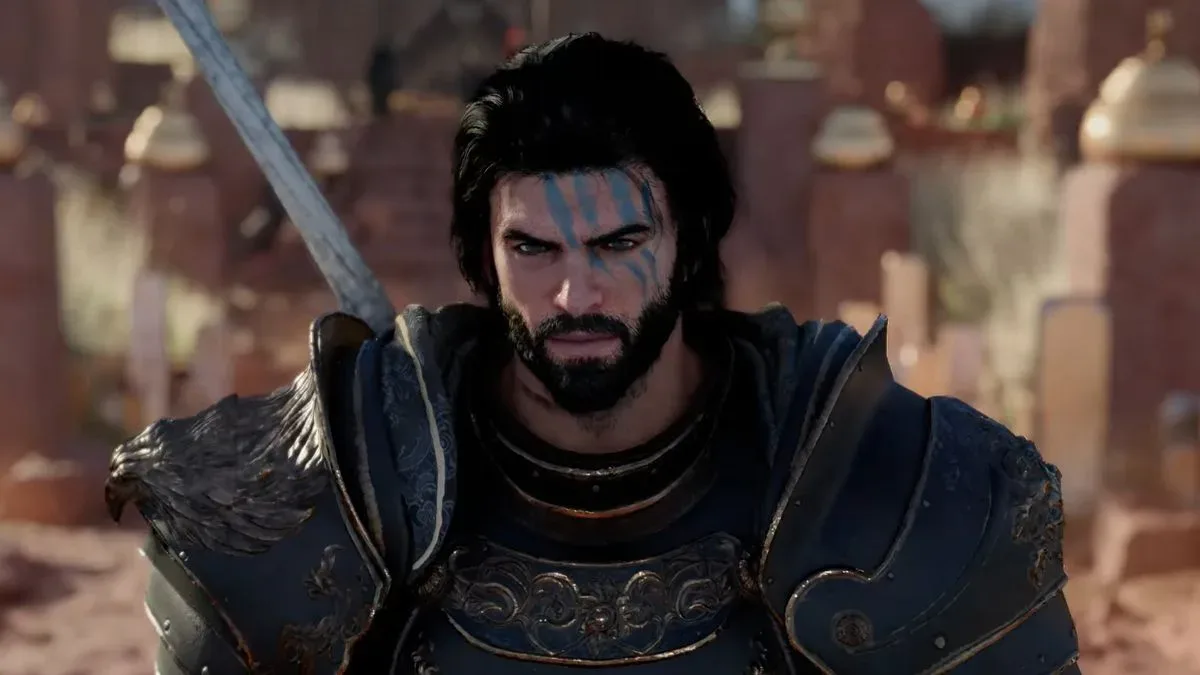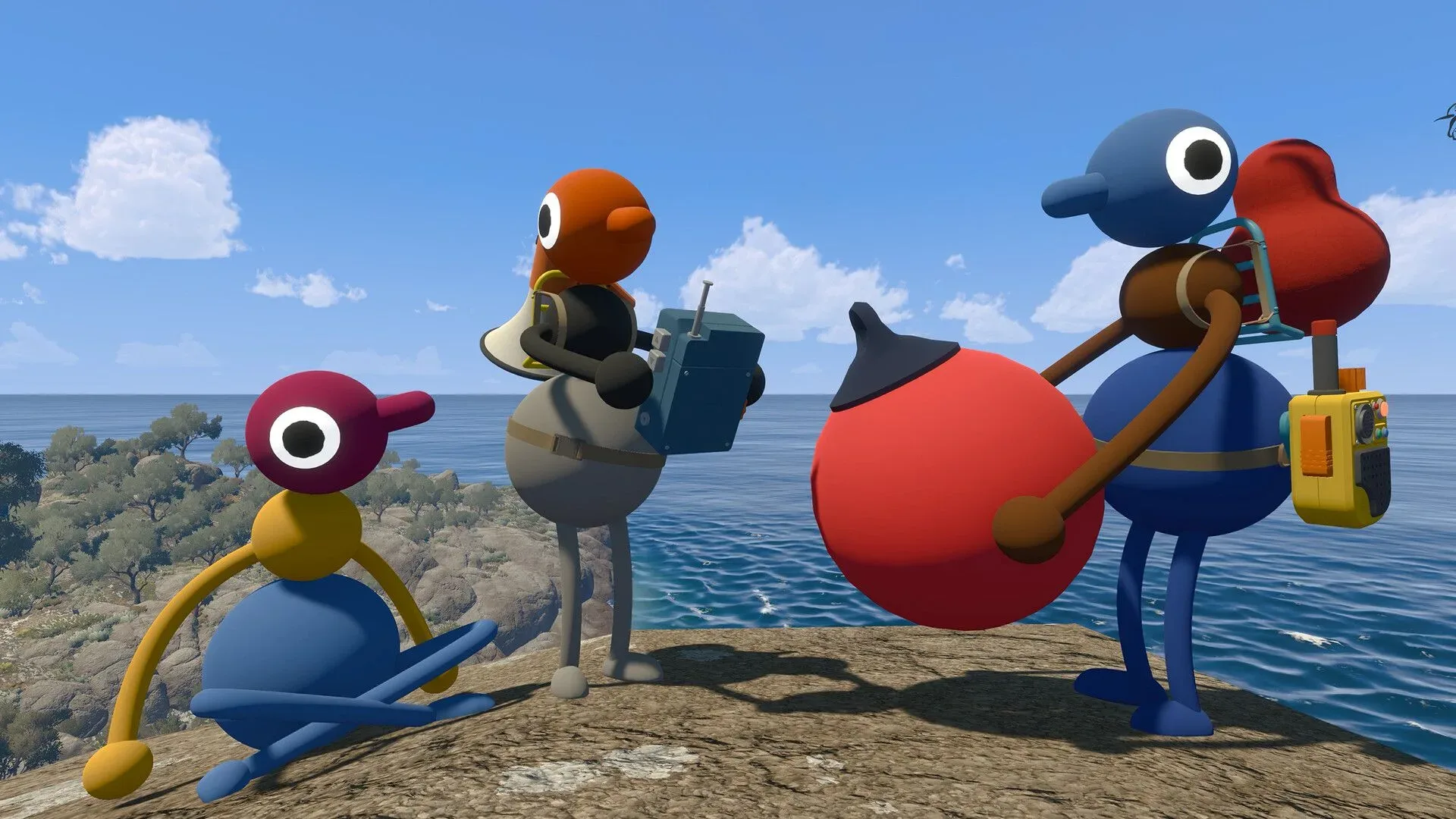
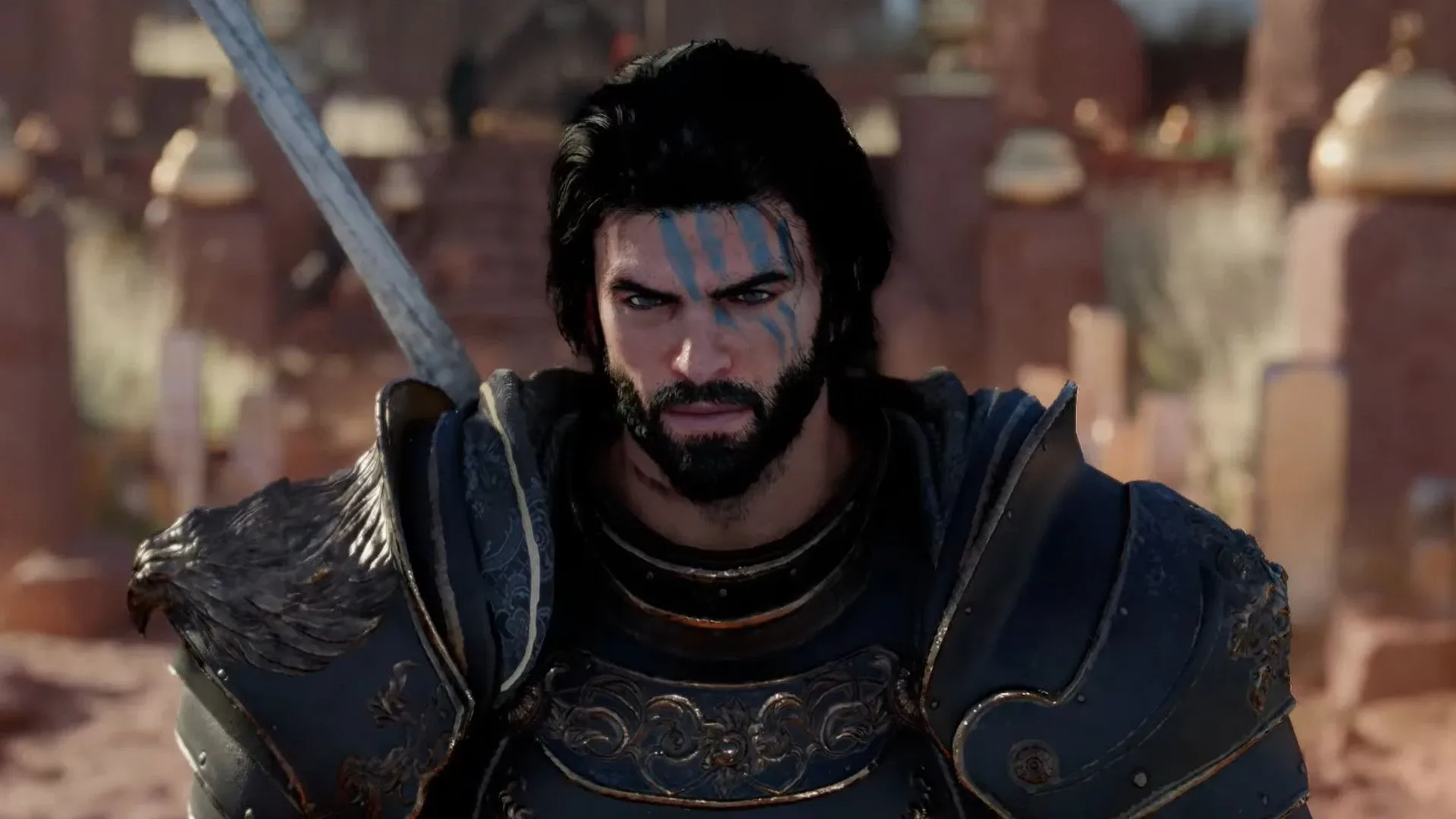
Pearl Abyss says it is expanding the use of AI throughout its development pipeline, a move that puts renewed attention on how the company will distinguish workflow assistance from player-facing generated material after criticism surrounding Crimson Desert.
In an earnings letter, the company described AI as part of a broader effort to improve both productivity and quality. It identified three areas of use: automating repetitive work, supporting content creation, and optimizing tests. Pearl Abyss said the technology is being deployed at multiple stages of development and that its implementation is growing across the entire pipeline.
That is a wide statement, and its practical meaning matters. A development pipeline is the connected set of processes used to take a game from early ideas through production, testing, and release. The phrase can encompass concept work, asset production, tools, quality assurance, and many other internal tasks. Pearl Abyss has not, in the supplied information, broken down exactly which AI systems are used in each department or identified the specific work that is automated, supported, or optimized.
The company’s language does, however, make one point clear: AI is not being framed as an isolated experiment on one project. Pearl Abyss intends for it to be part of how it makes games more broadly, including its upcoming creature-collecting game DokeV.
Crimson Desert makes the policy hard to separate from public trust
The new position lands after a visible dispute involving Crimson Desert. Players criticized apparent generative-AI assets in the game in March. A later update removed those elements, and Pearl Abyss apologized for allowing them to remain in the shipped game.
That sequence is significant because it turned a general debate about AI into a concrete quality and trust issue for one of the company’s games. The concern was not simply that internal software might have helped a team move faster. It was that players believed they could see generative material in the final product. Once an asset becomes part of a released game, it is subject to the same scrutiny as its art direction, writing, interface design, audio, and performance.
For a studio that now says AI will reach the whole pipeline, the most important question is not whether a tool can save time in theory. It is whether the company can maintain clear human ownership, review, and standards at every point where an internal output could become something players encounter.
Pearl Abyss says it does not see AI as a replacement for human developers. Instead, it calls the technology a tool intended to raise efficiency and quality, with the aim of bringing higher-fidelity games to market more quickly. That distinction is central to its case, but it is also where audiences are likely to demand specifics rather than broad assurances.
Related coverage includes Pearl Abyss Expands AI Use Across Its Development Pipeline After Crimson Desert Controversy.
What the stated uses could mean
Some of the company’s stated terms refer to very different kinds of work, and they should not be treated as interchangeable.
- Automation of repetitive tasks means using software to handle recurring steps that might otherwise require repeated manual effort. Pearl Abyss has not listed the tasks involved, so it would be speculation to identify particular art, design, or engineering processes.
- Content creation support is broader and less precise. “Support” can imply assistance around a creative process rather than a finished asset appearing directly in the game, but the statement alone does not establish where Pearl Abyss draws that line.
- Test optimization refers to making testing more efficient. In game development, testing is the process of checking whether a game works as intended and identifying defects. The company has not said how AI will be used in that process, what it will assess, or what human review remains in place.
- Concept validation, the term Pearl Abyss uses in relation to DokeV, concerns assessing ideas at an early stage. The letter does not provide a technical definition or examples of the concepts being evaluated.
- Pipeline productivity describes the efficiency of the connected production process. It is a business and development-workflow term, not a direct promise about what players will see in a finished game.
These distinctions are not wordplay. Automation and test support can concern work behind the scenes, whereas content support may invite closer questions about authorship, visual identity, and the treatment of material in the final build. A company can use the same broad label, “AI,” for activities that carry very different creative and player-facing implications.
The available details do not establish that every use involves generative AI, nor do they establish that none does. Pearl Abyss’ earlier Crimson Desert episode means that ambiguity is likely to attract particular attention. Clearer explanations of boundaries and review would be more informative than treating every AI-assisted process as identical.
DokeV is included, with a stated limit
Pearl Abyss confirmed that DokeV is being made with AI to some extent. The company describes the game’s AI use as strictly supporting concept validation and pipeline productivity. It says the core gameplay experience and actual content creation remain fully driven by its development team.
That is the company’s most direct statement about the project’s creative control. It presents a line between assistance in validating concepts or improving production flow and the work of creating the game’s actual content. Still, the statement leaves open details that players may reasonably want clarified as the project is shown more fully: how the company defines “actual content creation,” which steps count as concept validation, and what safeguards prevent temporary or experimental outputs from becoming release assets without appropriate review.
It would be premature to infer specific uses in DokeV beyond what Pearl Abyss has said. There is no supplied evidence identifying particular characters, creatures, environments, dialogue, audio, or gameplay systems affected by the tools. The dependable takeaway is narrower: AI is part of the project’s process in a supporting role, while Pearl Abyss says its team remains responsible for gameplay and final content creation.
That approach will likely be judged by the work itself and by the clarity of future communication. The issue for audiences is not merely whether a project used software described as AI, but whether the finished game has a coherent identity and whether a studio’s public explanation matches the material players can inspect.
Why the reaction is likely to remain intense
Generative assets have become a flashpoint across major game communities. The supplied context notes backlash when players believe they have identified them in games including Call of Duty, Battlefield 6, and Crimson Desert. That response reflects a straightforward reality: players evaluate a finished game as a collection of creative choices, not as a private production schedule.
Claims that AI will make development quicker or more efficient can therefore cut two ways. They may suggest less repetitive workload or better-organized testing. But they can also prompt concern that efficiency targets will weaken the creative iteration needed to refine visual, audio, or mechanical work. Creative iteration means making, reviewing, revising, and retesting ideas repeatedly until they meet a project’s standard. The company’s letter argues that AI can improve quality; critics may ask how it ensures speed does not displace that slower, human-led process.
There is no automatic answer in the fact that a tool is used. The relevant standard is how the work is directed, checked, and integrated. Pearl Abyss’ apology and removal of the contested Crimson Desert assets established that player concern can lead to a change after release. Expanding AI use now raises the stakes for preventing a similar issue before material reaches players.
This is also why broad corporate wording is unlikely to end the discussion. “Not a substitute for human developers” addresses an important fear, but it does not itself show how decisions are made in practice. A player-facing asset can be questioned regardless of whether a human touched it somewhere in the process. For audiences, the meaningful evidence will be visible quality, artistic consistency, and the company’s willingness to explain its methods when questions arise.
What to watch next
Pearl Abyss has set out its direction: broader AI adoption, framed around efficiency, quality, concept validation, and workflow productivity. It has also made a specific assurance for DokeV that developers retain control over its core experience and actual content creation.
The next meaningful developments will be more concrete than the earnings-letter language. Future presentations of DokeV may give players a clearer sense of the game’s own creative identity. Any additional detail on which workflow stages use AI, how outputs are reviewed, and how Pearl Abyss separates internal assistance from finished content would similarly help assess the company’s claims.
For now, the company is asking players to accept a distinction: AI can support development without replacing the people making the game. Given the Crimson Desert controversy, that distinction will be tested against future releases rather than accepted on wording alone. The wider industry is facing the same accountability question, as shown by ongoing debate around AI tools and their use beyond games, including AI agents and consumer decision-making.